
Table of Contents
Planning a safari and don’t quite know where to begin or how to start? First off, you want to seek out a tour operator that specializes in safaris. Safaris are made up of multiple components, which are difficult to book and figure out on your own. The logistics of getting from A to B in remote areas are best left to those who know their airstrips and border crossings from firsthand experience. You also want to make sure you are visiting the right countries at the right time of year for what you want to see and do. Below are some key questions to get you on your way to enjoying a wonderful safari in Africa.
1: When is the Best Time to Go on Safari?
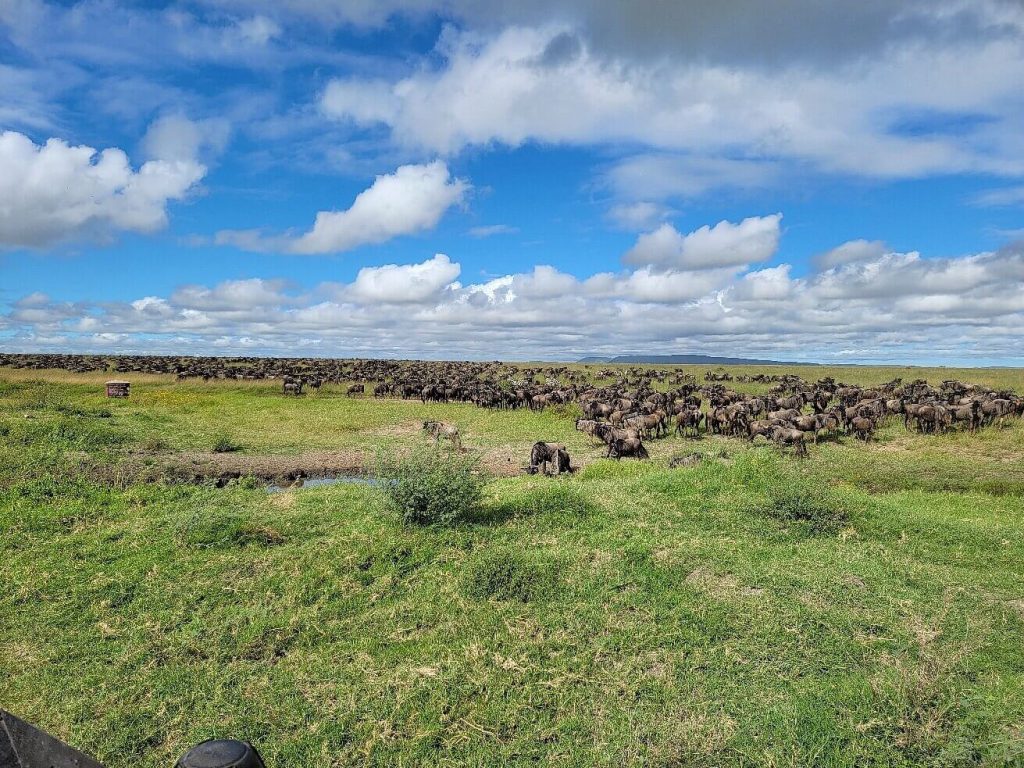
If you have a flexible schedule, your safari specialist can tell you what the best time of year is to see as many animals as possible. If you are a keen birder, this will differ from those of you who are more interested in seeing the “Big Five”. If you want to plan a beach vacation before or after the safari, then you may want to check out the “shoulder seasons” when it’s a bit warmer (dry seasons are cooler at many safari destinations). Love baby animals? Then you may want to aim for a “wetter” time of year, but in an area where you are still guaranteed to see a lot. Want to see the “great migration” without the crowds? Ask your safari specialist when and where that would be.
2: How Much Will the Safari Cost?
When you get a price from your safari operator, make sure it includes all taxes (VAT, etc.), all park fees, all transfers, internal flights, meals, drinks, and activities listed. Find out what tours and activities are optional, and get an idea of pricing. Have a budget in mind before you ask someone to plan your safari for you. Obviously, this is not easy as the accommodation and safari styles vary enormously. But a good quality safari with good guides will run $500 – $1,000 per person, per day. You can go over that for more luxury accommodation or for more expensive destinations like Zambia and Botswana. But ideally, don’t go under that price point. Rather save up another year and do it right, or shorten your stay by a day or two if you don’t have the budget. You can also try “low season” when prices drop for deep discounts.
3: How Long Should I Go For?
The ideal time for a safari proper, when you are going out on game drives twice a day (or bush walks), is probably around 7 days. But if you are a wildlife nut, you may want to go longer. And if you are planning on a driving safari only, then you will also need longer. Ask your safari operator what they suggest for what you want to see and do, and also how much money you have to spend. As with the comments above, it may be worth shortening your safari time for a better quality experience. A three-week budget trip with a group in a minibus through Kenya’s national parks is not going to offer the same wildlife viewing as 10 days in private conservancies in open jeeps with flights between camps in Tanzania. Shorter can sometimes be better.
4: Group or Private Safaris – What is on Offer?
If you like small group travel, there are plenty of small group safaris out there to choose from. But note this does not always come at less of a price and is not any “safer” than going on a private safari where you determine when and where you would like to go. The fun of group travel is meeting other like-minded people, and for singles, this may be especially appealing. But a safari is a social activity anyway; many lodges encourage dining together, and your safari activities are usually shared with other guests. Private safaris can offer a wide range of destinations and is much more flexible to suit your individual interests. You will always be accompanied by a professional wildlife guide while on safari. Private safaris also have the benefit of staying at smaller lodges. If you are offered a group safari, note it usually still means you “share” your game drives and activities with other guests at camp unless you pay extra for your own guide and vehicle.
5: Planning a Family Safari?
If you are planning to bring your children on safari, you must let your safari operator know how old your children will be at the time of travel. Many lodges have discounts for children sharing with their parents, but just as many have age restrictions. Smaller lodges and camps are often unfenced, and it is dangerous for children under a certain age to stay there. Some lodges accept children but will make you pay for a private room throughout your stay. Some safari camps will require one adult to share a room or suite with one child for safety if the child is under a certain age. Family tents and lodging at smaller, more luxurious camps are premium real estate, so book early! More »
Frequently Asked Questions
What is included in the safari package?
When booking a safari in Tanzania, it’s important to ask exactly what is included in the price. Some packages cover accommodation, meals, park fees, and game drives, while others may leave out certain costs. You should also check if airport transfers, drinks, or tips are part of the deal. Knowing this upfront helps you avoid unexpected expenses later. It also makes it easier to compare different safari options.
What type of accommodation will I stay in?
Safari accommodations can range from basic camps to luxury lodges, so it’s good to understand what you’re booking. Ask about room types, facilities, and whether the camp is permanent or mobile. Some places are fenced, while others are more open to nature, which can affect your comfort level. You may also want to know about amenities like hot showers, and Wi, Fi. This helps you choose a stay that matches your expectations.
How experienced are the guides and drivers?
Your guide plays a huge role in your safari experience, so it’s worth asking about their training and experience. A knowledgeable guide can track animals, explain behavior, and make the trip more engaging. You can also ask if they are certified and how long they’ve been working in the field. Good guides prioritize both safety and storytelling. This can turn a simple game drive into something truly memorable.
What is the daily safari schedule like?
Understanding the daily routine helps you prepare for what your days will look like. Ask about the timing of game drives, meals, and rest periods. Some safaris are more relaxed, while others have packed schedules with early starts and long drives. It’s also helpful to know how much time is spent in the vehicle each day. This ensures the pace of the trip suits your travel style.
What is the cancellation and refund policy?
Plans can change, so it’s important to ask about cancellation terms before you book. Find out if you can get a refund or reschedule your safari if needed. Some operators offer flexible policies, while others may charge fees depending on how close to the trip you cancel. You should also check if travel insurance is recommended or required. Having this information gives you peace of mind when making your booking.
Still have questions?
Our local safari experts are happy to help you plan the perfect African safari.





