
Table of Contents
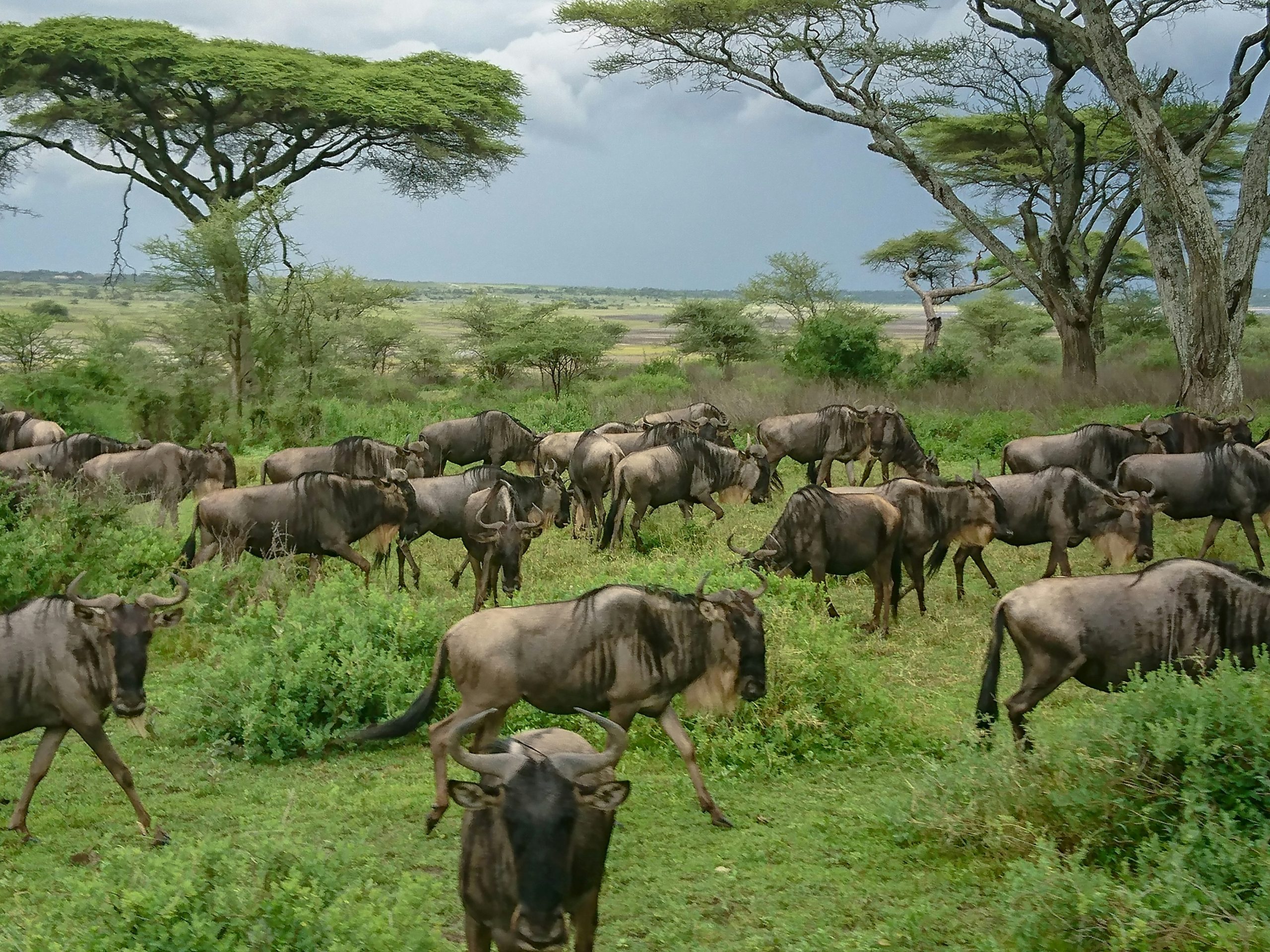
No need to introduce the Serengeti wildebeest migration. This funny beast (wildebeest) looks like a big, awkward antelope: a body and horns of cattle, and a grubby sheep’s head. Its silhouette evokes something suspicious and obstinate, like the buffalo.
The wildebeest does not look very smart, it must be said. But he is an intrepid traveler, a daring nomad. Backpacker, Yes. Individualist, No. He will never migrate alone. Moving in a huge group is the favorite hobby of the wildebeest, its a millennial habit. Imagine steppes and savannas stretching to infinity. And a nebula of animal columns, sometimes 40 km long, galloping in the middle of nowhere, towards an invisible goal.
The Serengeti wildebeest migration is one of the most surprising shows in Africa. By tens, by the hundreds, by the thousands, hordes of wildebeest ride to no end, performing over several months, an incredible hike loop of more than 800 km. The disorder of this migratory movement is only apparent.
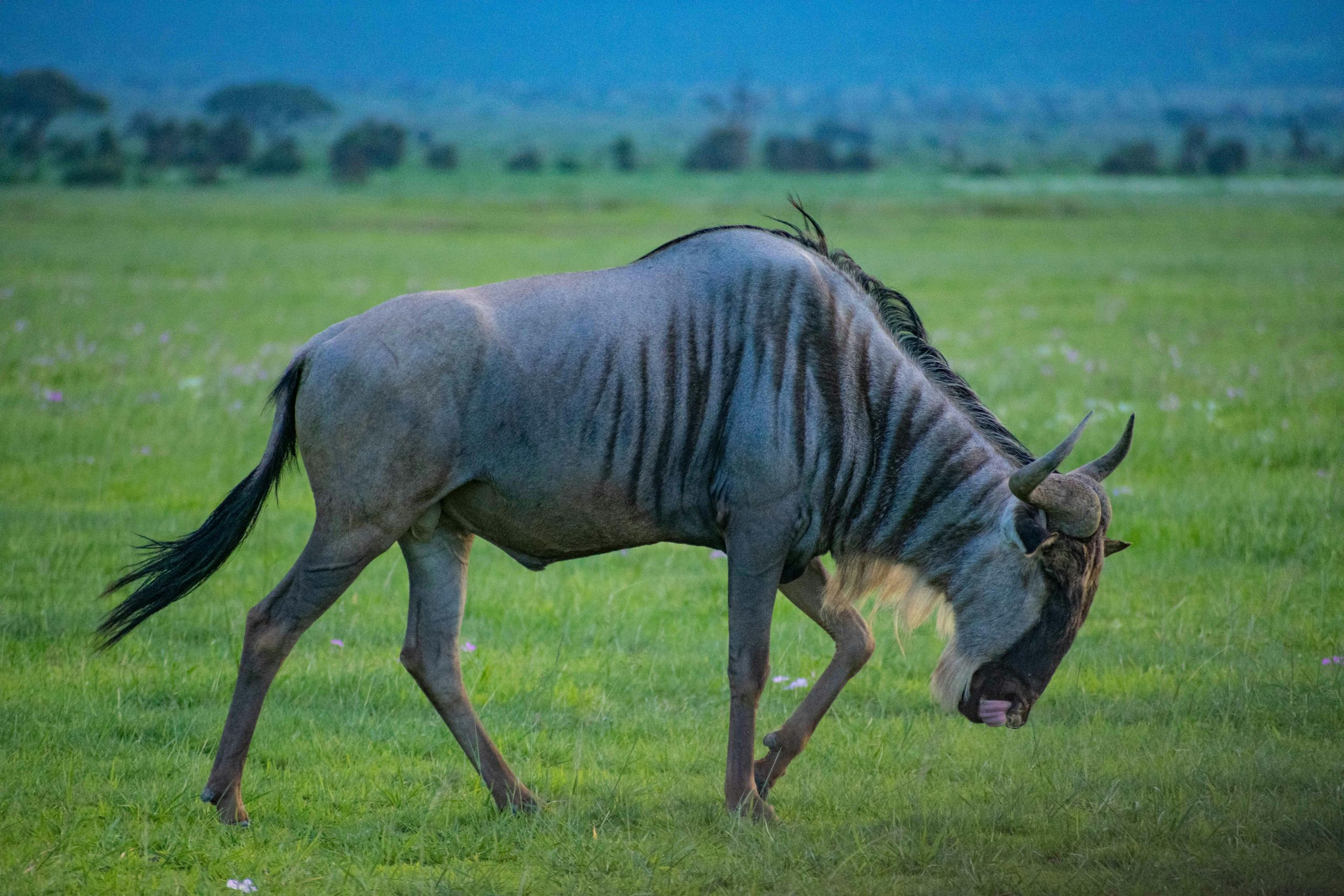
The animals know exactly where they are going. They go instinctively towards the water, towards the new pastures, towards life.
From this indescribable melee emanates a strange and disturbing background noise, the muffled pounding of the ground by millions of hooves thrown at a gallop. In their frantic journey, the wildebeest announce themselves by moaning: “Guenou, Guenou …” (hence their name it seems).
They jostle each other, bump into each other, even trample on each other, always driven by an ancestral instinct that no scientist will ever fully elucidate. Because they have this particular, they migrate in synchronization with the rains. Below is the Serengeti wildebeest migration months season.
February to March
It begins each year around February after the birth of the young, and just after the fertilization of the females by the males. The great rainy season is just over in the plains of southeastern Serengeti as the bustle is felt. Responding to a mysterious call, this huge flock suddenly sets out.
Wildebeests are divided into two groups. With about 40 to 50,000 heads, the first group heads south, climbing the slopes of Ngorongoro, to spend the dry season near the lake, at the bottom of the crater. The second group, much larger (more than a million heads, the largest herd in the world), heads north of Serengeti Park and this is during March.
In April:
Migration is well underway. Endless moaning and grumbling packs are now heading towards the center and the Western Corridor of Serengeti, an area northwest of the park.
May to June:
In an indescribable crush, wildebeest cross the Grumeti River where huge crocodiles are waiting for them. The weaker, the less cautious are devoured all raw in passing. Others are drowning, Getting bogged down, perishing smothered, or trampled.
Then part of the herd will migrate to the parks for a few days in the Western Corridor, where animals find enough grass and water to survive. But already other wildebeest are heading north-east. Endless columns are now heading to the Maasai-Mara Reserve in Kenya.
July to August then to September:
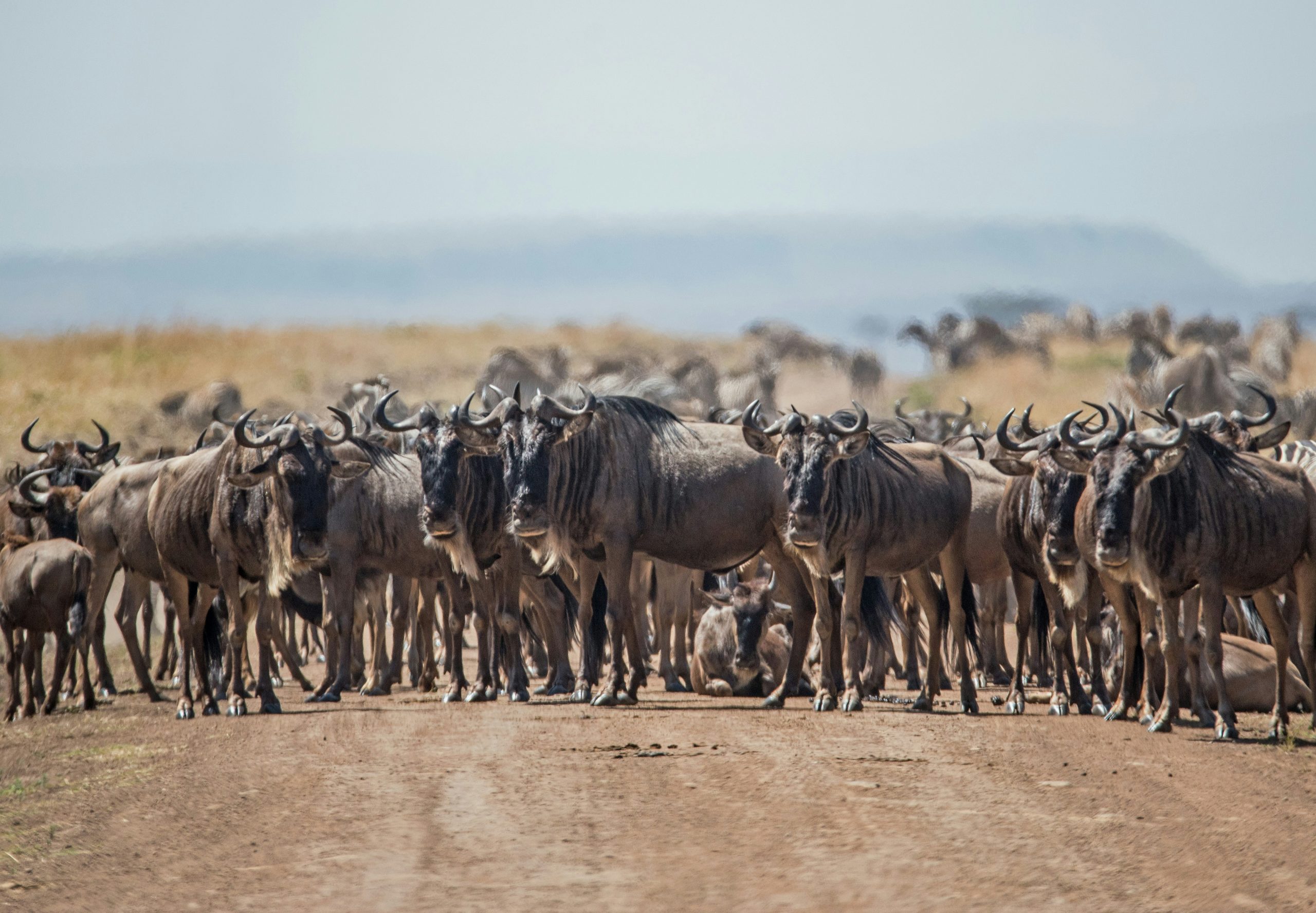
It’s winter, it’s a bit cold in the morning. In August, wildebeest hordes reach the Ikorongo Controlled Area, north of the Serengeti park. In September, more and more wildebeest migration gather in Kenya, where water is plentiful.
October to November:
October is the driest month in Serengeti Park. The wildebeest are no longer there. They still live in Masai Mara, Kenya, where they find forage rich in nitrogen, copper, sodium and zinc. In November, the big rainy season (masika in swahili) begins. Life returns to the plains. The herbs grow back. The pools fill up.
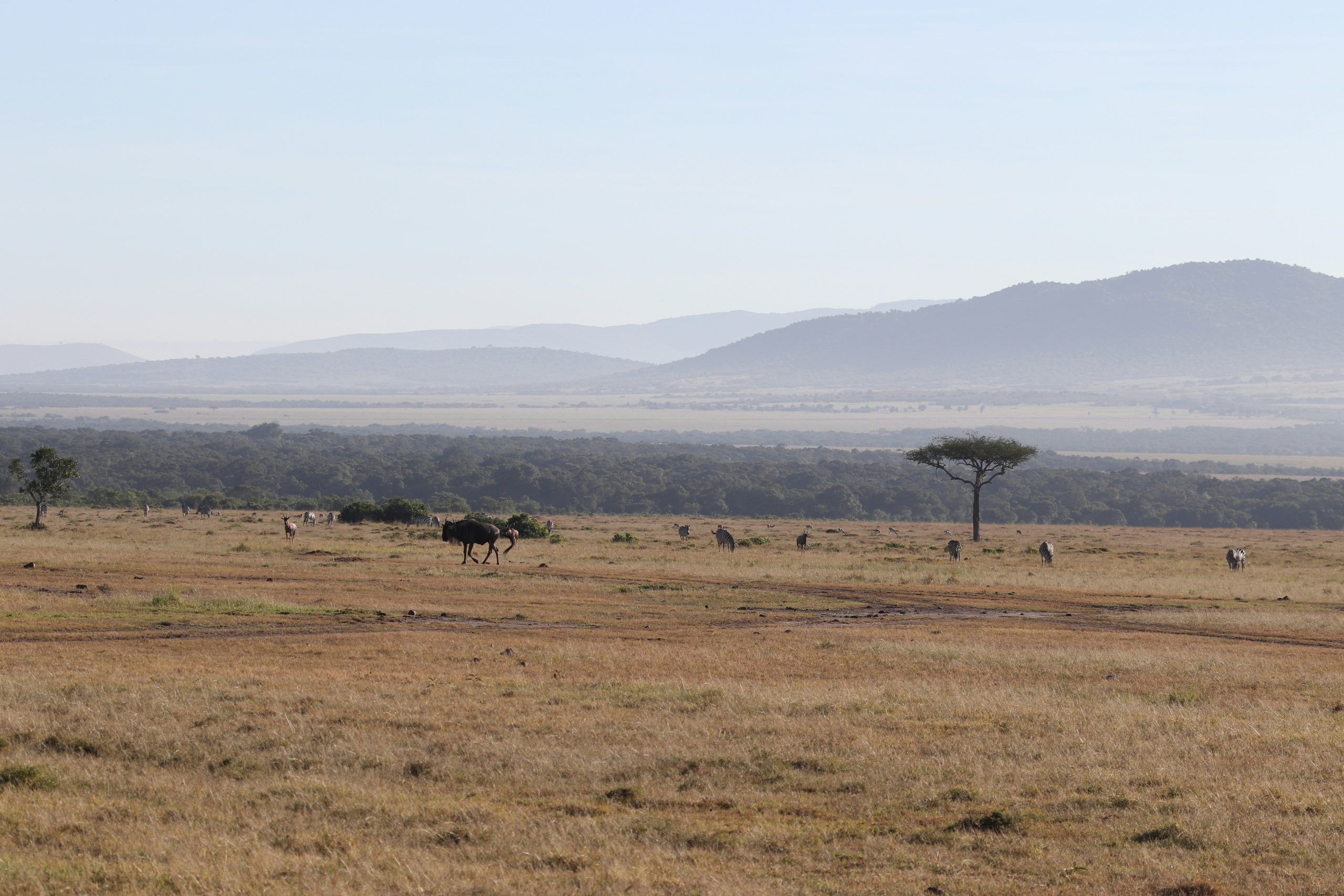
The wildebeest then begin to descend from Maasai Mara to their starting point, the southeast of Serengeti Park. They will find good pastures, rich in calcium, magnesium, and potassium, all necessary chemical elements for females ready to give birth. Their transhumance towards the south follows the line of Loliondo
.
December to January:
The huge herd now stands in the plains to the south and southeast of Serengeti Park, where the grass is short grass. After 8 ½ months of gestation, the females give birth to their young. Dozens and dozens of wild deliveries take place every day in nature.
In a few minutes, wildebeest babies stand on their feet. After two days, they can even dodge the attacks of their predators, the dreadful hyenas, who will stop at nothing.
The jaw of hyenas can exert a pressure of three tons per square centimeter, fifteen times more than a crocodile. A baby wildebeest for a hyena, is a vulgar morsel of bread. During calving periods, hyenas attack mothers and try to snatch from their entrails the little ones being born.
If the matrix of the wildebeest turns around, the hyenas excited by the blood are able to attack the animal by the uterus and devour the bowels. Without mercy. Poor wildebeest.
Facts about Serengeti Wildebeest Migration
Like salmon, enigmatic migrants, wildebeest always find their way, nobody knows why, or how. Another strangeness is they always cross rivers in the same place.
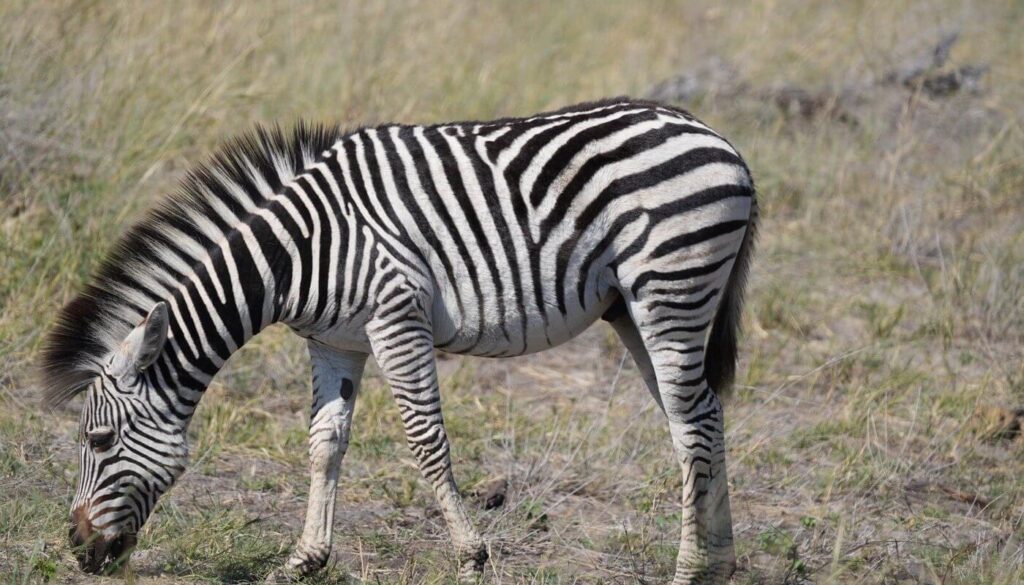
Wildebeest are not the only ones to migrate. Hundreds of thousands of zebras and gazelles follow the caravan. Zebras because they feel safer, gazelles because they need to eat herbs cut short by wildebeest.
A great show for the eye, yes. But he has his share of tragedy. During this incredible transhumance, some animals are struck by strange disorders. Like this disease of Vertigo that makes them spin on themselves for hours.
Predators then take advantage of them to throw themselves on them and devour them. For a wildebeest, to migrate is to suffer, and often die. Death cuts every year 5% of the wildebeest and zebra. Crocodiles in the Grumeti and Mara rivers, hyenas, wild dogs, and lions, are the first predators of wildebeest during the great migration.
Serengeti Migration is all about timing. Feel free to contact us for any Serengeti Wildebeest Migration Safari. We would be happy to assist you in arranging the best and most well-planned African Safari.
Frequently Asked Questions
What is the Serengeti Wildebeest Migration?
The Serengeti Wildebeest Migration is one of the most spectacular wildlife events on Earth. Every year, over two million wildebeest, zebras, and gazelles move across the Serengeti ecosystem in search of fresh grass and water. This natural cycle takes place between Tanzania’s Serengeti National Park and Kenya’s Masai Mara. The journey is full of dramatic moments, including river crossings and predator encounters. Watching thousands of animals move together across the plains is a breathtaking experience for safari travelers.
When does the wildebeest migration happen?
The migration happens throughout the year, but the location of the herds changes with the seasons. From January to March, many animals gather in the southern Serengeti for the calving season, when thousands of baby wildebeest are born. Between June and July, the herds begin moving north toward the western and northern Serengeti. Around July to October, dramatic river crossings often occur at the Mara River. The movement continues in a circular pattern, making it possible to see the migration at different times of the year.
Why do wildebeest migrate across the Serengeti?
Wildebeest migrate mainly in search of fresh grass and water, following seasonal rainfall patterns. When the grass in one area becomes dry, the herds move to greener pastures where food is more abundant. This movement also supports the entire Serengeti ecosystem by spreading nutrients across the landscape. The migration is guided by natural instincts and environmental conditions rather than a fixed path. Because of this, the exact timing and location of the herds can vary slightly each year.
What wildlife interactions can visitors see during the migration?
The migration attracts many predators, creating exciting wildlife interactions. Lions, cheetahs, hyenas, and crocodiles often follow the herds, waiting for hunting opportunities. One of the most dramatic sights is the Mara River crossing, when wildebeest must cross crocodile, filled waters. These intense moments are part of the natural balance between predators and prey. While the scenes can be dramatic, they show the raw beauty and survival instincts of the wild.
What is the best time to see the Serengeti migration?
The best time to see the migration depends on the experience you want. The calving season from January to March in the southern Serengeti is excellent for seeing newborn animals and predator activity. The river crossings between July and October in the northern Serengeti are among the most dramatic wildlife spectacles. Because the migration is always moving, safari guides track the herds to find the best viewing locations. No matter when you visit, witnessing the migration is an unforgettable safari highlight.
Still have questions?
Our local safari experts are happy to help you plan the perfect African safari.





