Table of Contents
Coming face to face with a giant Silverback Mountain Gorilla is just one of the thrilling experiences that await you in Uganda’s 15 National Parks. Come and find out why Uganda is the perfect African safari destination.
People & Culture
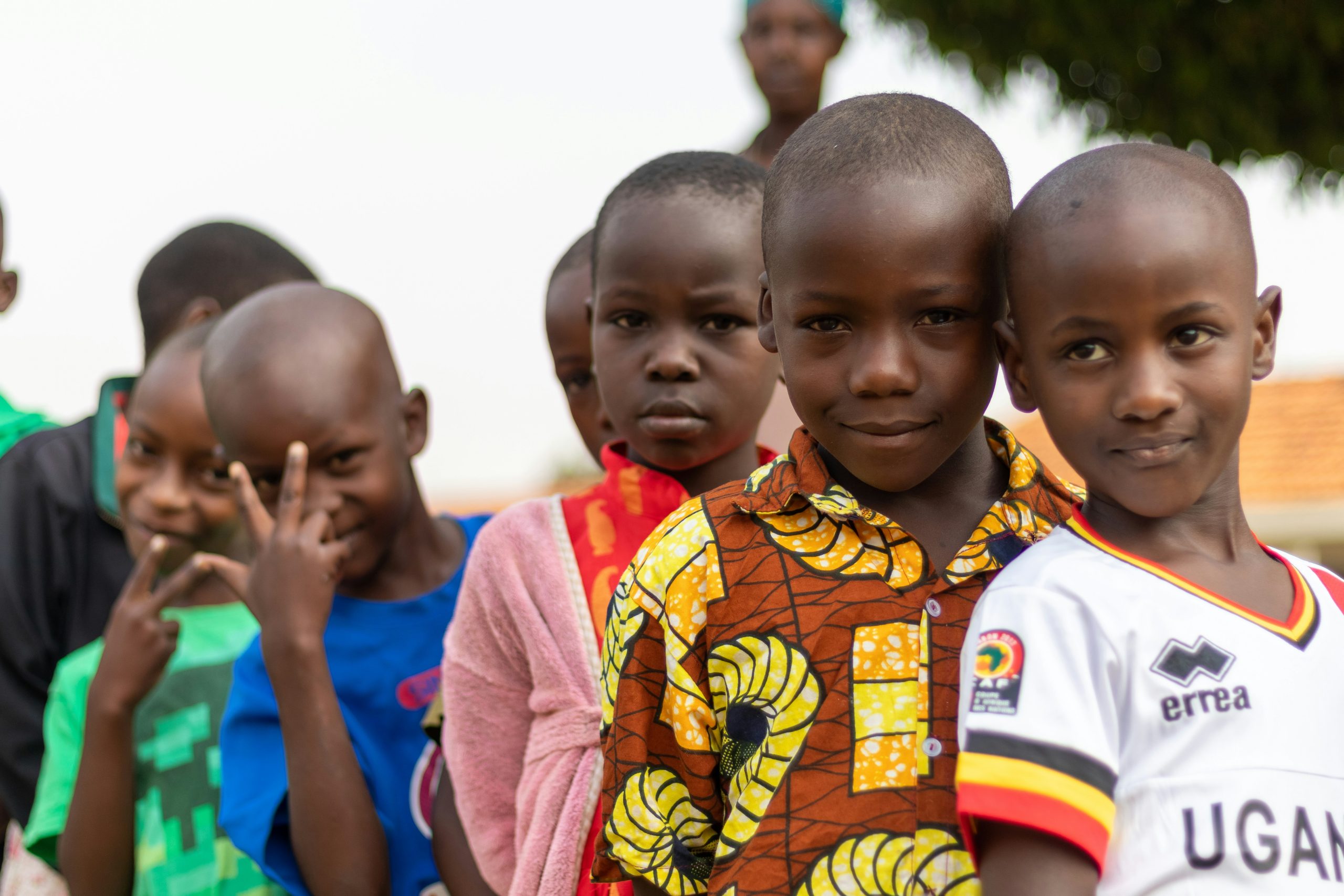
Uganda is a cultural melting pot of diverse peoples and traditions. The nation as a whole is an amalgamation of ancient kingdoms and independent chieftains, among them the indigenous kingdoms of the Baganda, Bunyoro, Toro, Ankole and Busoga. In the troubled 1970s and 1980s, these kingdoms were suppressed to near dissolution. Today, they have again assumed their ceremonial roles, albeit without the ancient privileges once afforded to kingdoms and their kings.
In modern Uganda, 10 tribes comprise almost three-quarters of the population, with Bantu speakers, including the largest tribe, the Baganda, making up the majority. In northern Uganda, the Acholi and Lango have much in common with natives of southern Sudan. The Teso and Karamojong, who live in eastern Uganda, are related to the Maasai of Kenya and Tanzania. In western Uganda, the Ankole and Toro are culturally close to the natives of Rwanda. The famed Pygmies are native to the forests of western Uganda.
Swahili and Luganda are widely spoken throughout Uganda, and English is common in urban centres. Local cuisine is based on starchy vegetables and tubers, including the staple matoke (green bananas), ugali (maize meal), millet bread, cassava, and sweet potatoes, as well as chicken, goat, beef stews, and freshwater fish. Beer aficionados will enjoy local brews, and adventurous drinkers should sample Uganda’s national drink, waragi, or banana gin.
How to Get There
Uganda’s major international airport is located at Entebbe – the welcome point for most international travellers. Most flights to Uganda arrive via other African nations, although more European, Asian and North American flights are now routed into Uganda.
Budget travellers may fly into Nairobi, Kenya, and take an overnight bus to Kampala. There are two overland crossing points from Kenya: Busia and Malaba. A ferry also connects Uganda to Tanzania. Overland travel through Rwanda, the Sudan and Zaire is uncertain due to security considerations. Make sure to check updated travel alerts before committing to crossing the border.

Visa
Most visitors require a visa to enter Uganda, although certain countries – the Bahamas, Malta, and Cyprus, among them – are exempt from this requirement. Citizens of the United States, the United Kingdom, and most European Union countries require a visa, which may be obtained through a Ugandan Embassy or High Commission prior to your trip.
Upon arrival in Uganda, your passport must be valid for a minimum of three months. You may also be required to show proof of sufficient travel funds and a return (round-trip) ticket out of Uganda. These requirements are subject to change, and should be verified prior to travel.
Accommodation
As Uganda’s tourism industry blooms, so does the nation’s selection of hotels, lodges and resorts. Most international travellers on Uganda tours stay at well-rated hotels that meet Western standards. The best hotels are generally centred around Entebbe, Jinja and Kampala, and all major international parks offer accommodations in game lodges or tent camps.

Getting Around
For many Uganda tours, local air travel – commercial and charter flights – are a convenient and timesaving method of travel. Additionally, minibuses are prevalent and connect from Kampala to most major towns and tourist destinations throughout the country. Bus service is unreliable.
Uganda car rentals are available, usually in Entebbe and Kampala. If you plan to drive, you must have an international driver’s license. Roads are of varying quality, especially in northern Uganda. Traffic drives on the left.
Travel Insurance
Verify that your health insurance covers travel to Uganda, or purchase a travel health insurance policy that does. Additionally, we recommend getting travel insurance that covers emergency evacuation.
Climate
Uganda’s tropical climate is tempered by altitude, which hovers around 1,000 meters (3,280 feet). Average temperatures around the country range from 21º to 25º C (70º to 77º F), and the Rwenzori Mountains and Mount Elgon are even cooler. The Ugandan summer spans December through February, when the mercury rises to an average 29º C (84º F).
In Uganda, there are two rainy seasons: April through May and October to November; April is the wettest month of the year. In northern Uganda, the wet season runs April through October. Weather-wise, the best time to visit is December-March and June-September.
Health
Before you leave home on a Uganda tour or safari, verify that you are current on all routine vaccinations, which include measles-mumps-rubella (MMR), diphtheria-tetanus-pertussis, varicella (chickenpox), polio, and the yearly flu vaccine. You should also discuss with your doctor recommended, non-routine vaccinations, like rabies, meningitis, typhoid, and hepatitis A and B. Health officials also recommend that you take anti-malarial medical before traveling to Uganda. If necessary, pack to prevent STIs, including HIV-AIDS.
Yellow fever is a risk in Uganda, so it is recommended that children over the age of 9 months be vaccinated. Additionally, in an effort to reduce transmission of the disease, Ugandan Immigration will request an international certificate of vaccination against yellow fever, from any visitor who has travelled in an infected area. Some exemptions are made for citizens of non-endemic countries, including those of Europe and North America, as well as Australia and New Zealand.
Uganda’s lakes and rivers, especially those in the eastern part of the country, carry the risk of schistosomiasis (bilharzia). Do not to swim or paddle in freshwater. Chlorinated pools at reputable hotels may be considered safe.
Note that Uganda’s hospitals and chemists (pharmacies) are located in only in cities and large towns, and advanced treatments are difficult to obtain, even in Kampala. If you have severe allergies or a serious medical condition, always wear a medical alert bracelet and carry medications with you.
Money
The official currency is the Uganda Shilling. There are no restrictions on the import of foreign currency, but note that export of foreign currency is restricted to the amount declared upon entry. The import and export of local currency is prohibited by law.
Travellers cheques and foreign currency may be exchanged at local banks, Forex Bureaus, and some hotels. Never change money on the street, no matter how favourable the exchange rate. Major credit cards, including Visa, MasterCard, American Express, and Diners Club, are accepted at most hotels and tourist points of interest throughout Uganda.
Frequently Asked Questions
Where is Uganda located and what is its geography like?
Uganda is a landlocked country located in East Africa bordered by Kenya Tanzania Rwanda the Democratic Republic of Congo, and South Sudan. It sits near the equator, which gives the country a generally warm climate throughout the year. One of Uganda’s most important natural features is Lake Victoria, the largest lake in Africa and a major source of the Nile River. The landscape is very diverse, with green hills tropical forests, wetlands, and mountain ranges like the Rwenzori Mountains. Because of this rich natural environment, Uganda is often called the “Pearl of Africa.”
What is Uganda famous for?
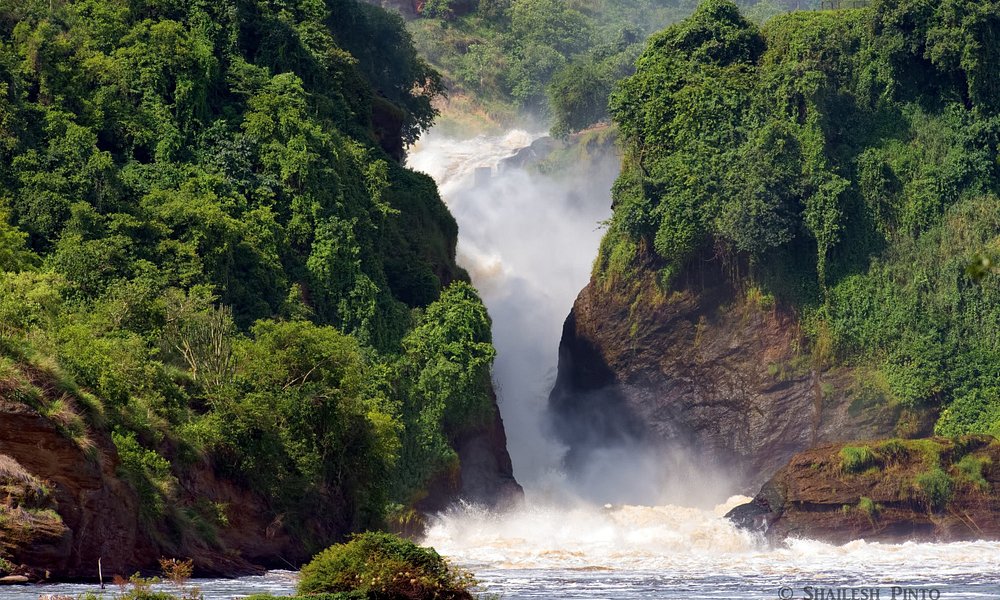
Uganda is world, famous for its mountain gorilla trekking, one of the most unique wildlife experiences on Earth. Visitors travel into dense forests such as Bwindi Impenetrable Forest to see these endangered gorillas in their natural habitat. The country also offers excellent safari opportunities in parks like Queen Elizabeth National Park, where travelers can see elephants, lions, hippos, and many bird species. Another famous natural attraction is Murchison Falls, where the Nile River forces its way through a narrow gorge to create a dramatic waterfall. These natural wonders make Uganda a top destination for nature lovers and adventure travelers.
What languages and cultures exist in Uganda?
Uganda is home to many ethnic groups, each with its own language, traditions, and cultural identity. The official languages are English and Swahili, but many local languages such as Luganda are widely spoken. Cultural traditions are very important, and they are often expressed through music, dance, storytelling, and ceremonies. Visitors can experience local life by visiting markets, villages, and cultural centers. This diversity of cultures makes Uganda a vibrant and welcoming place to explore.
What are the top places to visit in Uganda?
Uganda offers many amazing destinations for travelers who enjoy nature and wildlife. Bwindi Impenetrable National Park is one of the most famous places because it is home to half of the world’s remaining mountain gorillas. Murchison Falls National Park is another highlight, known for its powerful waterfall and rich wildlife. Visitors also love Queen Elizabeth National Park, which offers classic savannah safaris and boat cruises along the Kazinga Channel. For a more peaceful experience, Lake Bunyonyi is a beautiful area with small islands, green hills, and calm waters.
What should travelers know before visiting Uganda?
Travelers visiting Uganda should know that the country is generally friendly and welcoming to visitors. The climate is mild compared to many African countries because of Uganda’s higher elevation. Local foods are simple but delicious, and one famous street snack is the “Rolex,” a chapati rolled with eggs and vegetables. Many activities involve outdoor adventures, so comfortable clothing and good walking shoes are recommended. With its warm people, beautiful landscapes, and incredible wildlife, Uganda offers a memorable and authentic African travel experience.
Still have questions?
Our local safari experts are happy to help you plan the perfect African safari.