
Table of Contents
Bringing your children on safari is one of the absolute best things you could do as a parent. Not only is it a memorable, educational, and adventurous experience, but better yet, it is entirely screen-free fun! If you have a bored teen, who has “seen it all” and yawns when you mention a trip to Europe, try South Africa or Tanzania instead, and you guarantee yourself a wonderful family treat. No teenager will eye-roll when they see an elephant for the first time. If you have younger children, fantastic – the action starts just as they get up at 6 am!
Now that you have decided to go on safari as a family, here are some tips to keep in mind and ensure you book the right kind of safari. Ideally, you should book your safari through an Africa specialist, who will ensure your safari is the right fit for your family.
Best Destinations for Family Safaris
South Africa
In general, South Africa offers the most choice as far as safari accommodations are concerned, and you also have the option to go on a malaria-free safari (if you are worried about your child taking anti-malaria pills). The food is very westernized, and most lodges and camps are very child-friendly, as there is a large domestic tourism market they cater to already. You can self-drive quite easily in South Africa, which offers greater flexibility for those with children, allowing you to stop and go as you please. The country also boasts some of the best doctors and hospitals on the continent.
South Africa has plenty of smaller, private wildlife parks where you can see a lot of animals in a short amount of time, which is ideal for those traveling with younger children (even young teens). These private game parks often have comfortable accommodations with swimming pools and buffet lunches and dinners.
Kenya and Tanzania
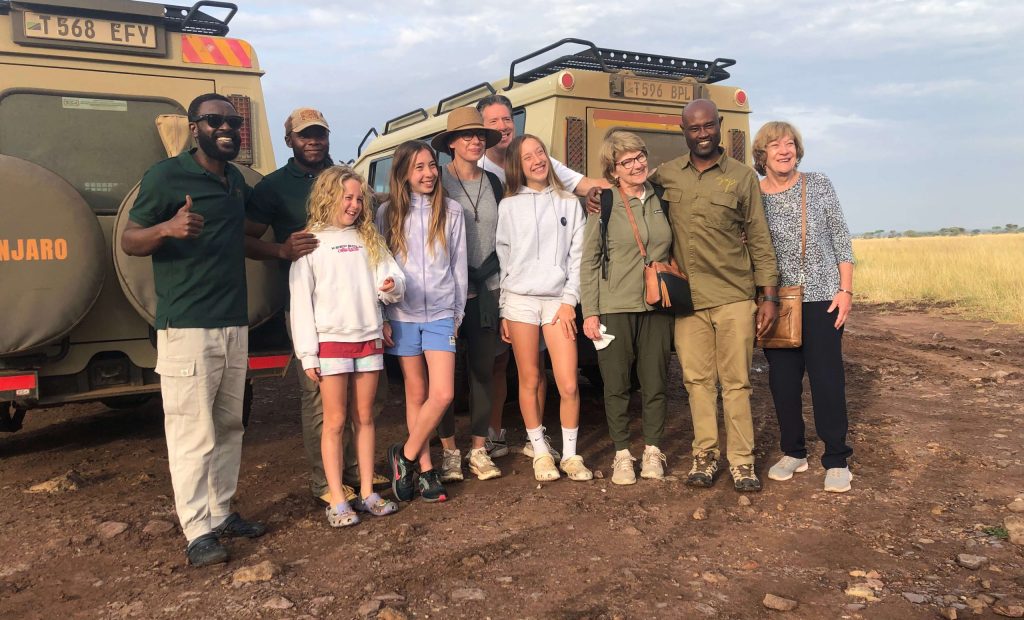
Kenya is actually an excellent family safari destination with a good network of flights linking all the major national parks, and thus limiting long, boring drives getting from A to B. It’s also very convenient to fly from the Masai Mara straight to the coast for a little beach time.
Tanzania probably offers the best safari experience in Africa, and now the infrastructure is quite as good as that in Kenya, especially when you stick to the “Northern Circuit,” which includes the Serengeti and Ngorongoro Crater. The positive aspect of the longer drives in Tanzania is that you will basically have an exclusive-use vehicle to yourself for most safaris. Many of the drives between the parks include a half-day in a car, with a game drive included, as well as a transfer. Adding on Zanzibar to the end of your safari is a good idea with younger children especially.
Namibia
This country has a large coastline, fun dunes and good roads. But, the distance between places of interest is significant. If you have children who don’t mind long drives, then Namibia would make a wonderful family destination. If you have an elastic budget, try one of Wilderness’s flying safaris to get around.
Botswana
Botswana is a great family safari destination and not a lot of driving is required since many of the safaris offered are fly-in. Make sure your children are old enough to appreciate this vacation; not just because it will cost you more than other destinations, but also many safaris include traditional canoe rides through the delta region, and this could be dangerous with small children or simply disallowed. Many of the lodges and camps will require families with children under 12 to book their own exclusive-use vehicle, which generally adds around $500 per family per day to your safari cost.
Age Restrictions on Family Safaris
Safari lodges and camps often have age restrictions, especially those that are all-inclusive and do not allow “self-drivers”. This is because :
- In an all-inclusive safari camp or lodge, your game activities will be shared. Sharing a vehicle with other guests means you have to take their interests into account and be willing to spend a lot of time with your children. Everyone pays a premium price for a safari, and a honeymooning couple is unlikely to enjoy your younger children as much as you do!
- Safety is key; many lodges and safari camps are unfenced, and animals roam right through them day and night. Your child is an easier target than a grown-up for hungry animals.
- Safari vehicles that belong to lodges and camps are usually open on all sides; it’s easy to either fall out or get taken out when you are small. The sun is hot, and there is little protection on a long game drive, and certainly, there is not always the ability to stop and get out to stretch your legs whenever the children get antsy.
- When you view wildlife, it’s important to keep quiet, and that’s sometimes difficult to enforce with a small child.
- Some adventure safari options, like canoeing or walking safaris, are not suitable for children under 12.
- Smaller exclusive lodges may not have dining options suitable for children or picky younger eaters. Dinner tends to be served after 7:30 pm, which may be too late after a long day of action. Breakfast is also often not served until after a 3-4 hour morning game drive, so bring snacks for growing teens if you think they’ll falter halfway through.
Making it Through a Long Game Drive with Children
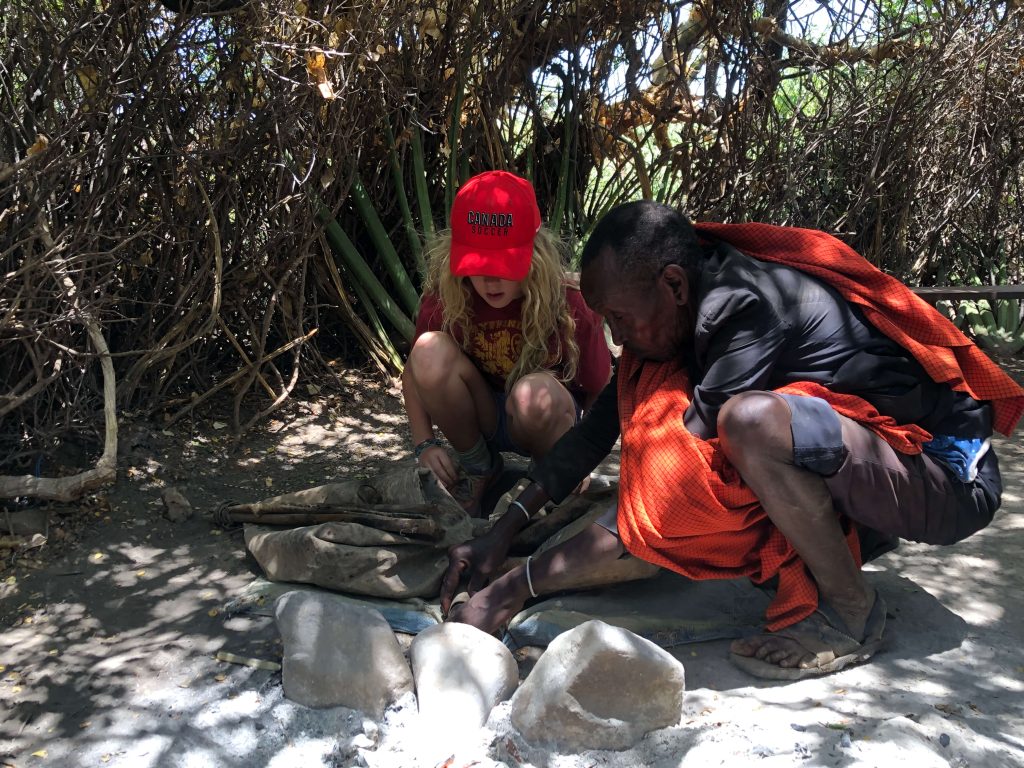
Game drives can be long and a little dull since spotting wildlife can be tricky (they like to wear camouflage). If you are on a self-drive safari in particular, you may not be as good at spotting wildlife as with a professional guide and tracker. Here are some tips to help keep your little ones interested:
- Buy the children their own camera (don’t encourage the camera phone, too tempting to play on it).
- Bring extra sets of binoculars.
- Award points or prizes for spotting birds, insects, wildlife.
- Give them a bird or animal checklist to mark off what they see (every wildlife park will have these available).
- Stay in a family-oriented lodge that offers special drives for children or babysitting options so you can leave them at the lodge if they are under 10. Or if you have teens, let them sleep in if they want for a morning.
To Sum it Up
- Book a self-drive safari or make sure you have your own exclusive use vehicle if your children are under 10.
- Make sure the lodge or camp allows children.
- Stay somewhere with a pool during the hotter months (September – May).
- Make sure the safari you choose is age-appropriate. Canoeing or walking safaris are not suitable for children under the age of 12.
- Wait until your children are 8 years old so they can fully appreciate the experience.
- If you’re worried about malaria, South Africa has malaria-free game parks you can enjoy.
Frequently Asked Questions
Is it generally safe to take kids on a safari in Africa?
Yes, taking kids on a safari in Tanzania can be very safe when you choose the right parks, lodges, and experienced guides. Many safari operators are used to hosting families and have safety measures in place. Children are always supervised during game drives and activities. Lodges are often fenced or designed to keep wildlife at a safe distance. As long as you follow the rules and listen to your guide, it can be a secure and enjoyable experience.
Are there age restrictions for children on safari?
Some safari lodges and camps have minimum age requirements, often around 5 to 12 years old depending on the activities. This is mainly for safety reasons and to ensure all guests enjoy the experience. Younger children may not be allowed on long game drives or walking safaris. However, many family, friendly lodges offer shorter drives or special programs for kids. It’s always best to check in advance and choose places that cater specifically to families.
How can parents keep their kids safe during a safari?
Parents should always follow the guide’s instructions and make sure children understand basic safari rules. Staying seated in the vehicle, keeping quiet around animals, and not wandering off are very important. At the lodge, kids should be supervised at all times, especially in unfenced areas. Packing essentials like sunscreen, hats, and insect repellent also helps keep them comfortable and protected. With simple precautions, safety becomes part of the routine.
What makes a safari enjoyable for children?
A safari can be incredibly exciting for kids because they get to see wild animals up close in their natural habitat. Many lodges offer educational programs, storytelling, and nature walks designed just for younger guests. Seeing animals like elephants, giraffes, and lions often feels like stepping into a real, life nature documentary. The outdoor setting also gives kids a break from screens and city life. It becomes both a fun and educational adventure they’ll remember for years.
Are there any health concerns to consider before traveling?
Before traveling, it’s important to check vaccinations and any recommended medications for the region you’re visiting. Some areas may require precautions against diseases like Malaria, so parents should consult a doctor in advance. Carrying a basic first aid kit and any personal medications is also a good idea. Staying hydrated and protecting kids from the sun are simple but important steps. With proper preparation, health risks can be managed effectively.
Still have questions?
Our local safari experts are happy to help you plan the perfect African safari.





