Table of Contents
People & Culture
The country we call Rwanda has been settled and populated by hunter-gatherers since the Stone and Iron Ages. Today the population of Rwanda is composed of three distinct ethnic groups, the Hutu (about 90%) the Tutsi (about 9%) and the Twa (just 1%) and ethnic rivalry has been responsible for a great deal of trouble in the country in the last century, culminating in the 1994 genocide in which Hutu extremists massacred nearly 1 million Tutsi and moderate Hutu. Even today, twenty years later, it is still considered taboo to ask a Rwandan about his ethnicity.
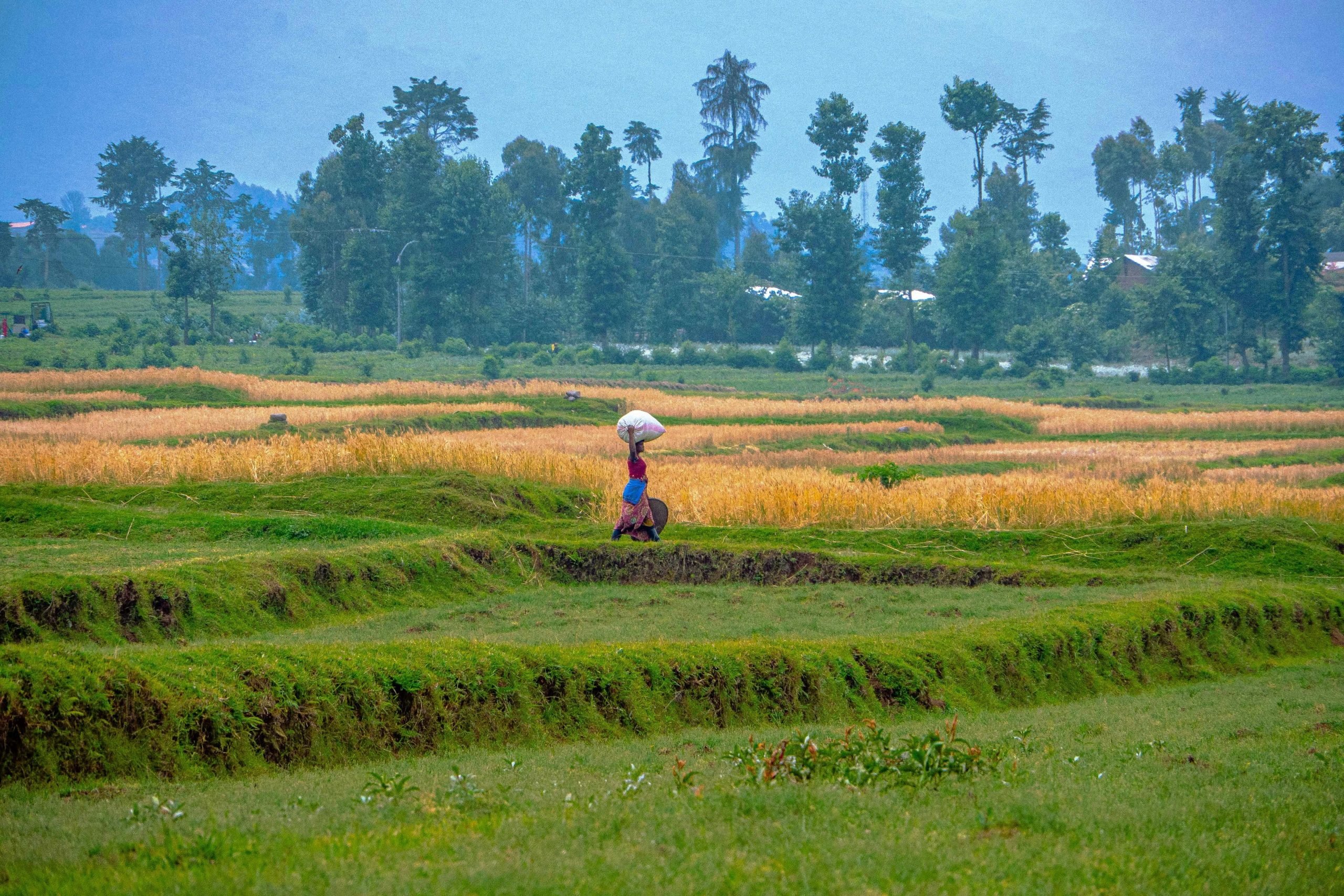
The population of Rwanda is largely rural, with more than 90% of the people living in the country where subsistence farming is the main activity. Coffee and Tea are also farmed extensively for export.
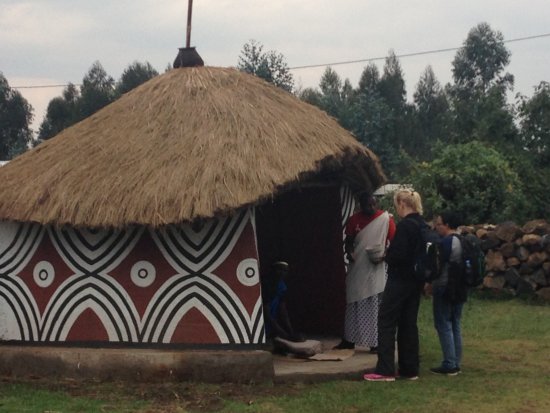
The Rwandans have a rich cultural heritage that is passed down from one generation to the next, and music, dance, and storytelling feature prominently in all ceremonies, social gatherings, and festivals. The most famous of the dances performed is the intore, or dance of heroes, which is performed by the men and tells the story of heroic feats of bravery on the battlefield. Drums are used extensively to accompany the dancers. Today, the legacy of this musical tradition is showing itself in the popular music industry, where hip-hop is a very popular genre in the country.
How to Get There
The best way to reach Rwanda is by air. Several airlines have flights to the Gregoire Kayibanda International Airport just outside the capital, Kigali, from Ethiopia, Burundi, Uganda, Kenya, South Africa and Brussels, Istanbul, Doha and Amsterdam.
Visa
Everyone visiting Rwanda needs to have a Passport that is valid for 6 months after the date of their visit. It is advisable to contact your local embassy/consulate to see if you will need a visa to visit the country. Currently, the following countries do NOT require a visa to visit Rwanda:
- Burundi
- DRC
- Germany
- Hong Kong
- Kenya
- South Africa
- Sweden
- Uganda
- UK
- USA
- Tanzania
- Mauritius
Visitors from all other countries will need to apply for a visa before their visit. As of January 2025, you can apply for a combined tourist Visa to visit Rwanda, Kenya and Uganda.
Accommodation
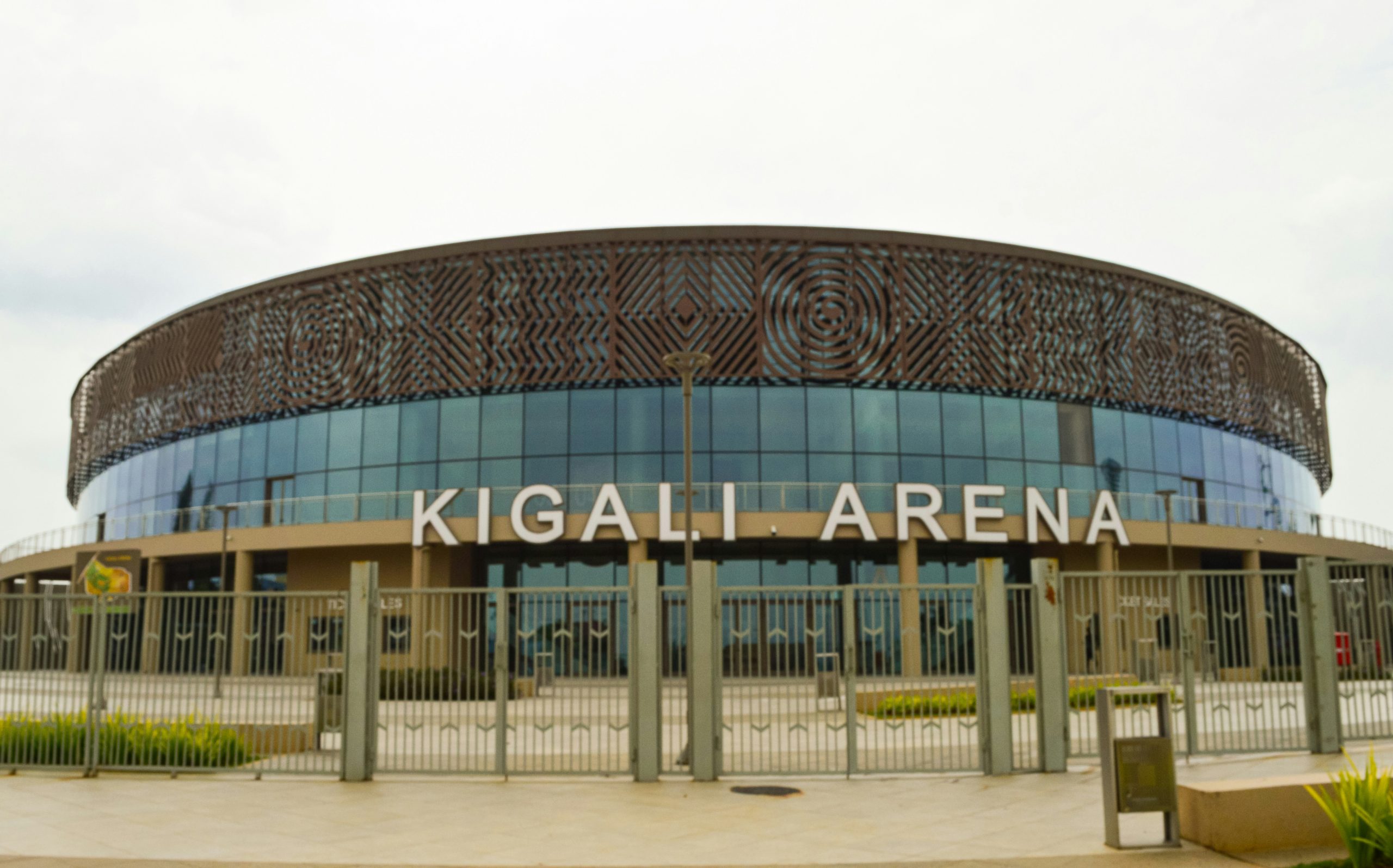
Rwanda is still a new player in the tourism business. Accommodation standards vary considerably from one place to the next, and most resources have been allocated to developing tourism infrastructure close to the wonderful Volcanoes National Park, where you will find a few really comfortable and beautifully located Lodges that offer excellent hospitality. There are also a few boutique hotels and lodges in the other principle tourist areas, but it is wise to plan your trip well in advance, especially if you are coming to visit during the prime Gorilla-trekking months of June-August, when accommodation can be scarce.
Getting Around
Getting from place to place by public transport can be quite an adventure in Rwanda, and will give you the opportunity to meet some of the locals, who still regard tourists as something of an oddity.
There is a good road system, and there are plenty of modern minibus taxis which serve all the main routes. The privately run scheduled services are your best bet…they are less crowded and usually stick to a reasonable schedule.
It is possible to drive yourself around, but car rental is not widely available. However, your tour operator or hotel will be able to organize a vehicle if you would like to do some private exploring; the perimeter of Lake Kivu is best explored by 4X4.
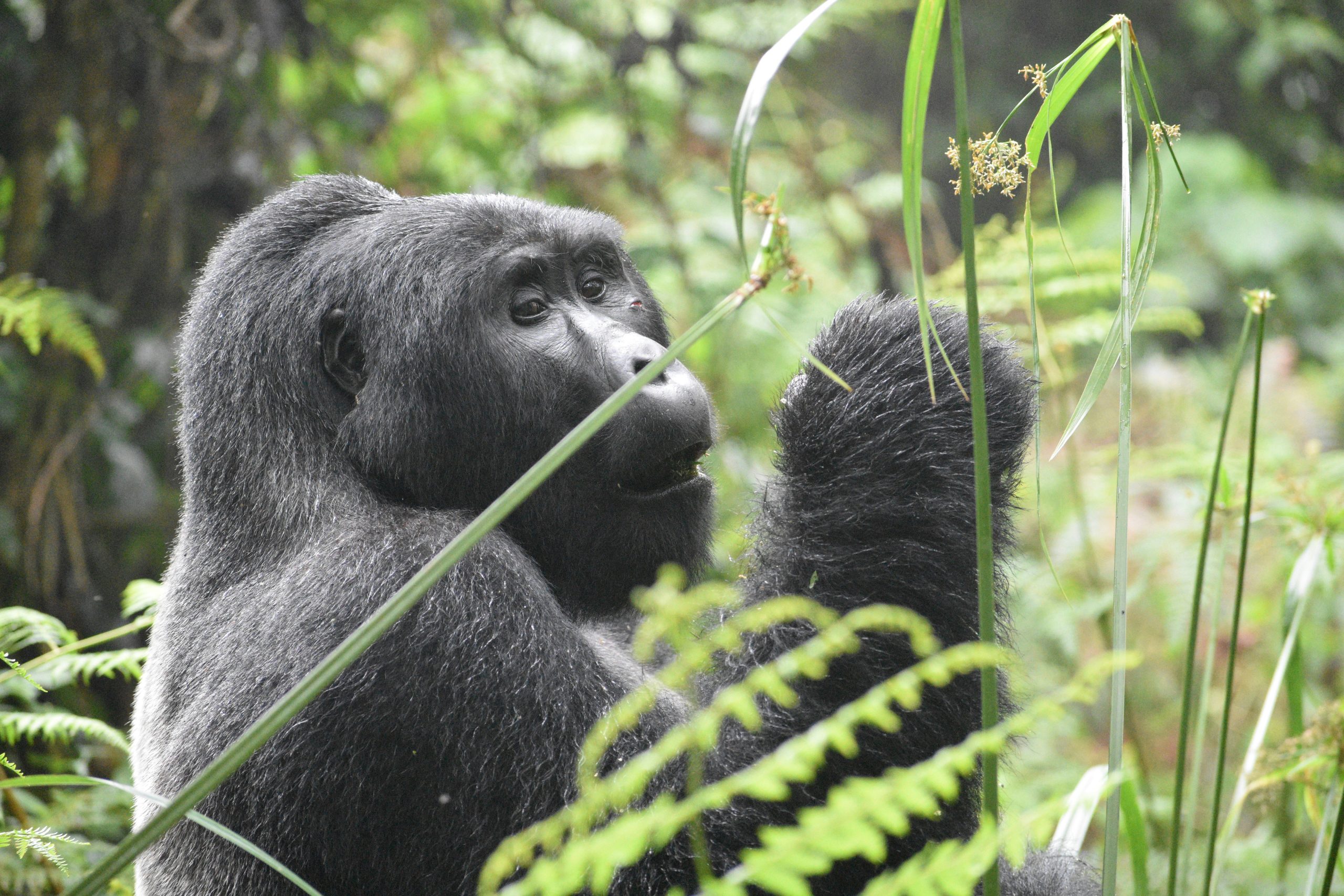
If you are visiting Lake Kivu you can organize a motor-boat transfer to see some of the lakeside villages and towns.
Travel Insurance
Before leaving home,e check that your Health Insurance covers international travel and buy insurance if necessary. It is also advisable to purchase travel insurance that covers emergency evacuation, in the unlikely event of an accident or a serious medical emergency.
Climate
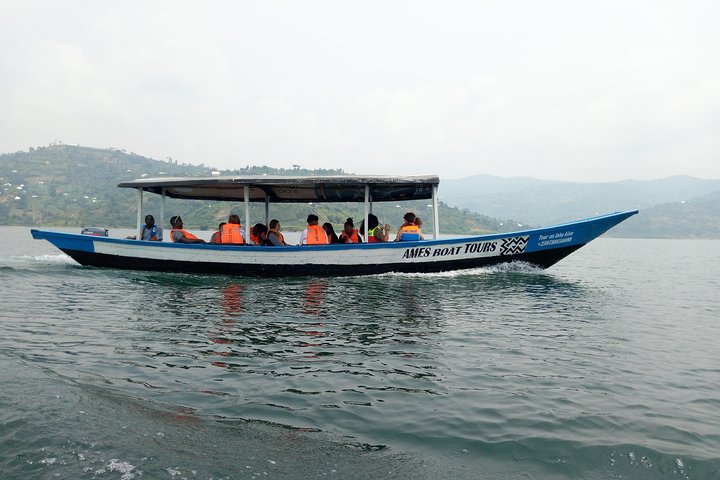
Rwanda is blessed with a superb temperate tropical highland climate. It is pleasantly warm at around 26-28 °C for most of the year during the day, with the average low around 16 °C, although it can be cooler in the mountainous regions due to the altitude. The rainy months are mainly Feb-May and again from Sept-Dec. It is easier to track the Gorillas during the dry months of June to August, which is the prime season for this activity.
Health
Anyone travelling to Rwanda should check that they are up-to-date with all regular vaccinations: MMR(Measles-mumps-rubella), diphtheria-tetanus-pertussis, varicella (chickenpox), polio, and your annual flu vaccine. Additionally, it would be wise to consider being vaccinated against hepatitis A and B, typhoid, meningitis,s and rabies. Malaria prevention is recommended and, if applicable, protection against STIs, including HIV-AIDS is important. Yellow Fever is a risk in Rwanda, and anyone over the age of 1 year requires proof of this vaccine as an entry requirement.
Lake Kivu may contain the freshwater parasite known as Bilharzia. If you decide to swim in the lake, you should take the necessary medication when you return home, or request to be tested for Bilharzia at a tropical medicine centre on your return.
Medical facilities are extremely limited in Rwanda, and you should carry all your own medication with you. If you have a significant allergy or medical problem ,you need to wear a MedicAlert bracelet. In an emergency, dial 912 for an ambulance.
Money
The local currency is the Rwanda Franc (RWF). Credit cards are not widely accepted outside of Kigali, and ATM’s are scarce and unreliable. You are advised to travel with US Dollars and exchange them at a local bank or at the airport. There is no restriction on the import of foreign currency, but you must declare it on arrival and exchange it within 8 days.
Frequently Asked Questions
Where is Rwanda located and what makes it unique?
Rwanda is a small, landlocked country in East Africa, bordered by Uganda, Tanzania, Burundi, and the Democratic Republic of Congo. It is often called the “Land of a Thousand Hills” because of its beautiful rolling landscapes. The capital city, Kigali, is known for being one of the cleanest and safest cities in Africa. Despite its size, Rwanda has a rich culture and strong national identity. Its location also makes it a gateway to some of the region’s most stunning natural attractions.
What is Rwanda famous for?
Rwanda is world, famous for its mountain gorillas, which can be seen in Volcanoes National Park. Gorilla trekking is one of the country’s biggest attractions and draws visitors from all over the world. Rwanda is also known for its vibrant traditional dance, especially the Intore performances. In addition, the country produces high, quality tea and coffee grown on its lush hillsides. These experiences together give visitors a deep connection to Rwanda’s nature and culture.
What languages are spoken in Rwanda?
Rwanda has several official languages, including Kinyarwanda, English, French, and Swahili. Kinyarwanda is the most widely spoken language and is used by nearly everyone in daily life. English is commonly used in business, education, and government settings. French also has historical significance and is still spoken in some communities. Swahili is increasingly used for trade and communication within East Africa.
What is Rwanda’s history known for?
Rwanda’s history includes both tragic and inspiring chapters, most notably the Rwandan Genocide. In 1994, the country experienced a devastating genocide that deeply affected its people. Since then, Rwanda has made remarkable progress in rebuilding, reconciliation, and unity. Today, it is often recognized as one of Africa’s fastest growing and most stable nations. The country continues to honor its past while focusing strongly on development and peace.
What can visitors do in Rwanda?
Visitors to Rwanda can enjoy a wide range of activities, from wildlife adventures to cultural tours. Popular experiences include gorilla trekking, visiting Nyungwe Forest National Park, and relaxing by Lake Kivu. Safari lovers can explore Akagera National Park to see elephants, lions, and more. The capital city Kigali also offers museums, markets, and a vibrant food scene. Whether you love nature or culture, Rwanda offers something memorable for every traveler.
Still have questions?
Our local safari experts are happy to help you plan the perfect African safari.