
Table of Contents
-
- What to know before traveling to Tanzania
- Personal Safety and Security in Tanzania
- Theft and Robbery while in Tanzania for a Holiday
- Driving Risks while in Tanzania for a Safari
- Bribes and Corruption in Tanzania during your Safari
- Drugs During Your Tanzania Safari
- Government upheaval while in Tanzania
- Your Money Safety During Travelling to Tanzania
- Frequently Asked Questions
As long as we are aware of your needs, Safari ASAP is often extremely accommodating and happy to provide whatever help we are able. The northern safari circuit is seeing an increase in the number of handicapped travelers, and a number of different tour companies offer accommodations for them.
Although wheelchair-accessible rooms are frequently found in modern lodges (noted in individual listings), few hotels have lifts (elevators), and many have cramped stairwells. This is especially true in Zanzibar’s Stone Town, where stairwells can be confined and tight. Bathroom rails or grips are quite uncommon.
Many hotels are ground-level structures. It’s advisable to ask about access before making a reservation with us because occasionally access pathways are hard or rocky and rooms or tents are raised in an effort to preserve a natural setting. As far as we are aware, certain parks and museums have a few signboards, but they do not have any amenities for travelers who are deaf.
Both on Zanzibar and the mainland, minibuses are generally accessible and may be rented for transportation and specially designed excursions. Additionally, large or wide-door vehicles may be obtained through Dar es Salaam car rental companies as well as Arusha-based tour companies like Safari ASAP. Buses are not wheelchair accessible, and taxis are typically tiny automobiles across the nation.
What to know before traveling to Tanzania
If you’ve recently visited another African country, Tanzania’s reputation as a secure, hassle-free destination may come as a relief. Nevertheless, you still need to use customary prudence. Avoid remote regions, especially long stretches of beach, and take a cab at night in towns and popular tourist destinations. Avoid accepting beverages or food from strangers on public transportation, and be wary of anybody who approaches you on the street and asks you if you recognize them from the airport, your hotel, or anywhere else.
Flycatchers and touts may be rather pushy in tourist places, particularly in Arusha, Moshi, and Zanzibar. This is especially true around bus stops, roundabouts, and inexpensive hotels. Take every precaution to lessen the perception that you are a recent visitor. Don’t stroll about with your bags more than is required; instead, duck into a store if you need to check a map or gain your bearings.
Instead of lugging your stuff around town while hunting for lodging, leave it with a trusted friend or hotel. When traveling in a new city, book your bus tickets a day in advance (without your luggage) and take a cab from the bus terminal to your hotel.
Never pay any money upfront for a safari or hike before doing a comprehensive background check on the tour company. Be extremely suspicious of anyone who approaches you on the street, at the bus station, or in your hotel advertising safari offers.
Personal Safety and Security in Tanzania
Leave jewelry, expensive watches, personal stereos, and other items like that at home. Stay away from external money pouches, hanging backpacks, and camera bags.
Keep your wallet, passport, and other important papers close to your skin in a bag that is concealed by loose clothing. If a trustworthy hotel safe is available, keep valuables there instead, preferably in a pouch with a secure zip to deter tampering. It may be rather frightening to arrive at a large bus terminal for the first time, especially in Arusha, since you’ll likely be surrounded by touts as you off the bus, all attempting to assist you with your bag and trying to sell you a safari.
Consolidate your luggage as much as you can, and keep your valuables firmly covered under your clothing. Before getting off the plane, try to locate the taxi location and head straight there. Instead of attempting to walk to your hotel with your bags, it is definitely worth the few additional bucks for the price. Donation requests from “refugees,” “students,” or others should be treated with caution. The greatest way to support humanitarian concerns is to work with a reputable organization or initiative. Contact us for more details on donation
When stuck in traffic, keep the side windows up and hide your luggage, i.e., by placing them on the floor behind your legs. Don’t hold your wallet or money in your hand when haggling or negotiating rates. One of the finest places to start is Safari ASAP. You may get in touch with us for the best and most exceptional northern circuit safari itineraries for travelers with disabilities. Please get in touch with us right away to discuss how we can plan your Tanzania vacation.
Tanzania is a secure and tranquil nation to visit in, despite the frequently paranoid travel advisories from certain violent countries. If you abide by the following fairly common-sense guidelines, you are unlikely to encounter problems.
Theft and Robbery while in Tanzania for a Holiday
Although the likelihood of being stolen is low in Tanzania, you should always be cautious with your possessions and never leave anything unattended. Additionally, take caution where you walk, at least until you get situated; the book mentions recognized dangerous places frequently. If you must carry valuables and plan to stay in the area for more than a few days, be extra cautious around bus and ferry terminals and change your route and timetable frequently. for guidance on how to keep things secure in a hotel contact us for more detail.
The greatest protection against being robbed is to stay indoors at night unless you are certain that the neighborhood is secure, and to avoid carrying extra valuables, especially anything that is obvious. It should go without saying that you shouldn’t wear smartwatches, costly sunglasses, gold earrings, or any type of chain or necklace. It’s not so evident that some sports shoe (sneaker) brands can also be alluring, but it’s tough to identify which brands because it relies on-trend. The same goes for little rucksacks or even those convenient off-the-shoulder day backpacks; these contain an obvious temptation and should be avoided. A backpack is a far more discrete method to transport cameras.
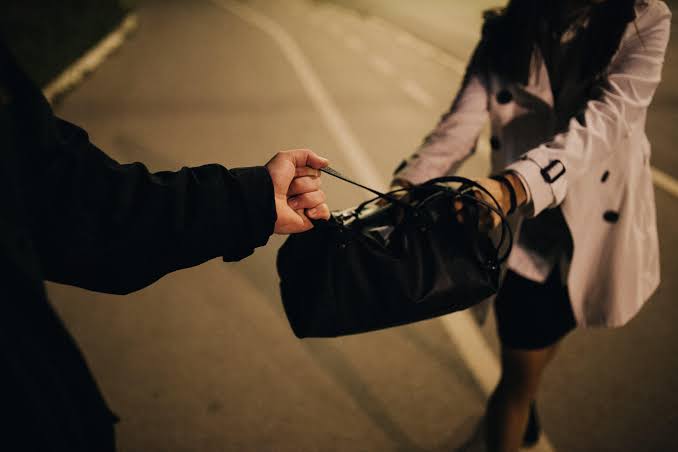
If you are robbed, don’t fight back since sometimes robbers have knives and panga. You won’t likely be wounded, and it will be done in a split second. You’ll need to visit the local police station to obtain a statement to provide your insurance provider, albeit you could be asked to pay “a little amount” in order to do so. Generally speaking, you shouldn’t bother calling the police to attempt to get your property back. As furious since you may be about being stolen, you should nevertheless be prepared to intervene if you yell “Mwizi!” (“Thief!” in Kiswahili), as the thief would otherwise be murdered.
Driving Risks while in Tanzania for a Safari
Never leave valuables in a car that is unlocked or unattended. To keep an eye on it for a few hours, hire a security guard in a city for a few bucks. If at all possible, avoid driving at night. In cities, leaving your doors unlocked or your windows open puts you at danger of grab-and-run robberies. Armed hold-ups are occasionally recorded in isolated places. However, you shouldn’t be too concerned about auto thieves because they prefer to avoid the traditional (and slightly damaged) Land Rover or Land Cruiser you’ll probably be driving.
Bribes and Corruption in Tanzania during your Safari
Despite the occasional reports of incredible goodness and miraculous bursts of effectiveness, Tanzanian police are infamously dishonest, so it’s better to stay away from them. Smiles and handshakes are always helpful when dealing with them, and even the most obnoxious crooked officer should be treated with respect. Having said that, in unofficial interactions, the police may go above and above to assist you with lodging, transportation, or food, particularly in isolated outposts. Try to be receptive. Police rely on unofficial streams to get by because their pay is low and they aren’t always paid properly.
Police seldom approach visitors for bribes unless they are in a car, however, there have been reports of police roadblocks in Zanzibar. If you have broken the law, it is really preferable to pay the entire fine (along with a receipt) rather than opt for the less expensive bribe. Bribery is undoubtedly immoral and wicked, but if you haven’t broken any laws and aren’t in a hurry, declining one will merely delay the police officer until they lose up and try someone else. Demanding to see his ID can also be helpful.
If the officer pursues you despite your objections, insist on going to the police station to resolve the issue. There, you can complain to the officer’s supervisor, take legal action, request legal representation, and other time-consuming rigmaroles that hopefully ain’t worth the crooked officer’s time or cost him his job.

Drugs During Your Tanzania Safari
Occasionally, tourists in Arusha, Dar, and Zanzibar are provided with marijuana. Although grass (also known as bangi) is frequently used and amazingly affordable, views about it vary tremendously and it is illegal, so if you choose to use it, you should be discreet and check who you use it with. It’s preferable to purchase from a genuine friend rather than someone you met that day or the day before, and never from a stranger on the street because you’ll almost certainly be duped or, worse still, sold to the authorities. If you are found in possession, you will be subject to a severe fine, and, depending on the amount, you might also face imprisonment or deportation. Anything more potent than marijuana is almost never offered and will undoubtedly get you in a lot more trouble.
Government upheaval while in Tanzania
Avoid gatherings and protests wherever you go, especially in Zanzibar where political violence (and police brutality) are a recurring motif and reach a gory crescendo during election season; the next ones are set for 2030. Last but not least, if you’re driving and you notice a large number of police motorcycles, pull over and stand next to your car because it may be the President, senior government officials, or the police head.
Your Money Safety During Travelling to Tanzania
Banknotes, passports, and credit cards should all be kept on a flat money belt that is fastened around your waist and hidden underneath your clothing. Avoid wearing polyester belts since they may itch your body. Before storing your belongings away, cover them in a ziploc bag if you perspire a lot. Despite the fact that the belts are almost invisible, it is still a good idea to keep some extra cash and maybe a credit card in a different location, such as the interior of a suitcase or knapsack.
Pouches worn around the neck are also stupid, and regular wallets are a pickpocket’s paradise. Put your daily spending money in a pocket or another easily accessible place. This will prevent you from having to dig about in your groin every time you need to make a purchase, and you’ll feel safer having at least some cash on you since few thieves will think you have nothing on you at all.
Frequently Asked Questions
Is Tanzania a good destination for travelers with disabilities?
Yes, Tanzania can be a wonderful place to visit. Many hotels, safari lodges, and tour companies now offer accessible services. Some places are easier to access than others, so planning is important. Private tours often give more flexibility and comfort. With the right support, you can enjoy a safe and memorable holiday.
Can people with disabilities go on a safari in Tanzania?
Yes, many travelers with disabilities enjoy safaris every year. Some safari vehicles are designed with ramps or extra space for wheelchairs. Guides can also adjust activities to match your needs. It is best to discuss your requirements before booking. This helps ensure a smooth and enjoyable experience.
What should I prepare before traveling to Tanzania?
Share your mobility or medical needs with your tour operator before your trip. Bring enough medication and any medical equipment you use daily. Travel insurance is also a good idea for extra peace of mind. Keep copies of important documents with you. Good preparation makes your holiday much easier.
Are hotels and public places accessible in Tanzania?
Some hotels have accessible rooms and bathrooms, especially in popular tourist areas. However, not every property has full accessibility. It is important to ask about facilities before making a reservation. Your tour operator can help you choose suitable accommodation. Planning ahead helps avoid unexpected challenges.
How can I stay safe and comfortable during my holiday?
Travel at a relaxed pace and take breaks when needed. Drink plenty of water and protect yourself from the sun. Keep emergency contact numbers with you at all times. Let your guide know if you need assistance during activities. With good planning and support, you can enjoy a safe, comfortable, and unforgettable holiday in Tanzania.
Still have questions?
Our local safari experts are happy to help you plan the perfect African safari.





