
Table of Contents
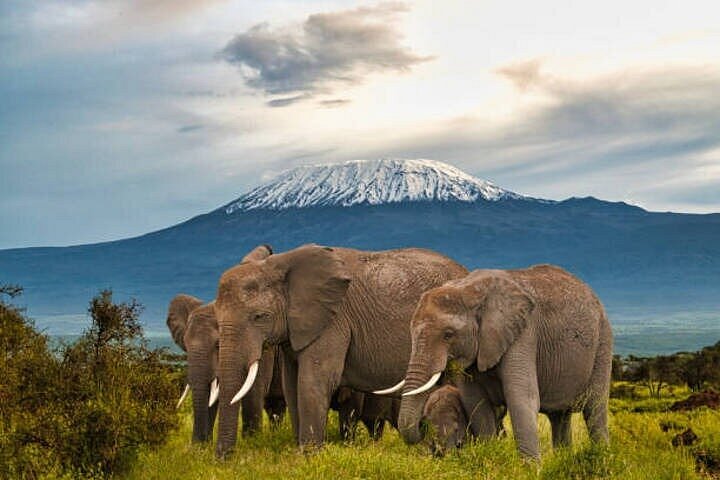
Amboseli National Park is one of Kenya’s most famous safari destinations. Located in the south of the country, along the border with Tanzania, the park lies in the shadow of the majestic Mount Kilimanjaro, creating one of Africa’s most iconic landscapes.
Amboseli is best known for its large herds of elephants, which can often be seen moving across the open plains with Kilimanjaro rising in the background. The park is also home to a variety of wildlife, including lions, cheetahs, leopards, buffaloes, giraffes, zebras, wildebeest, and many other species.
A natural swamp, fed by underground water originating from the melting snow and rainwater of Mount Kilimanjaro, provides a permanent water source for wildlife throughout the year. These wetlands support large groups of hippos, as well as crocodiles, and make Amboseli a paradise for bird enthusiasts, with more than 400 bird species recorded in the area.
Amboseli is also internationally known for the work of Cynthia Moss and the Amboseli Elephant Research Project, one of the world’s longest-running studies of wild elephants, which has contributed greatly to elephant conservation and understanding of their behaviour.
The park is generally dry and can be dusty, with relatively few trees. However, its vast open plains make wildlife viewing easy and highly rewarding. The landscape is characterised by rich red soils, wide horizons, and stunning scenery that create unforgettable safari experiences.
One of the park’s highlights is Observation Hill, located near the swamps. This elevated viewpoint offers spectacular panoramic views over Amboseli’s plains, wetlands, and wildlife. It is also an ideal picnic spot where visitors can relax, stretch their legs, and enjoy the peaceful sounds of hippos grazing below.
With its impressive elephant populations, diverse wildlife, abundant birdlife, and breathtaking views of Mount Kilimanjaro, Amboseli National Park remains one of East Africa’s most rewarding safari destinations.
Amboseli at a Glance
Amboseli National Park covers an area of approximately 392 square kilometres (151 square miles) in southern Kenya. The park features a diverse landscape of open plains, acacia woodlands, rocky thorn bush, swamps, and marshes, creating a variety of habitats that support an abundance of wildlife.
Originally established as a national reserve in 1968, Amboseli was officially gazetted as a national park in 1974. Today, it is one of Kenya’s most celebrated protected areas and is internationally renowned for its spectacular elephant populations and breathtaking views of Mount Kilimanjaro.
Amboseli experiences a warm, semi-arid climate throughout the year. Average daytime temperatures typically range from 27°C to 33°C (81°F to 91°F), making it a year-round safari destination. The region is naturally dry, with high evaporation rates and relatively low annual rainfall of approximately 300 mm (12 inches). Most of the rain falls during the long rains in April and May and the short rains in November and December.
Despite the dry conditions, permanent swamps fed by underground water from Mount Kilimanjaro provide a reliable water source for wildlife, making Amboseli one of the best places in East Africa to enjoy exceptional game viewing throughout the year.
The roads in Amboseli National Park are mainly unpaved and consist of loose volcanic soil. During the dry season, they become dusty but are generally easy to navigate with a 4WD safari vehicle. In the wet season, particularly during periods of heavy rainfall, some roads can become muddy and temporarily difficult or even impassable.
Fortunately, the rainy season is relatively short, and the park remains accessible for most of the year. May is typically the wettest month, so travellers planning to visit during this period are advised to check current road conditions with their tour operator before travelling.
To help protect the park’s fragile ecosystem, off-road driving is strictly prohibited. Visitors are required to remain on designated game-viewing tracks, helping to preserve vegetation, reduce soil erosion, and minimize disturbance to wildlife.
Amboseli is renowned for its incredible wildlife and is home to the famous Big Five—lion, leopard, elephant, buffalo, and rhinoceros—although black rhinos are rarely seen. The park also supports a rich diversity of other animals, including cheetahs, spotted hyenas, giraffes, zebras, wildebeest, hippos, warthogs, jackals, antelopes, and more than 400 species of birds.
With its open plains, permanent swamps, and stunning backdrop of Mount Kilimanjaro, Amboseli offers some of the best wildlife viewing and photography opportunities in East Africa.
Getting to Amboseli National Park
By Road
Amboseli National Park is accessible by road from several major destinations in Kenya and Tanzania. From Nairobi, the drive to Amboseli takes approximately 4 hours, although travellers should allow extra time when leaving from the city centre due to Nairobi’s often heavy traffic.
The main route from Nairobi is via Namanga, following the Nairobi–Arusha Road. This route covers approximately 240 kilometres and enters the park through Meshanani Gate. It is also the most commonly used route for travellers combining a Kenya safari with a visit to northern Tanzania through the Namanga border crossing.
Another option from Nairobi is via Emali, using the Nairobi–Mombasa Road. This route is approximately 228 kilometres and provides access towards Amboseli from the eastern side.
Travellers coming from Mombasa can reach Amboseli mainly through Tsavo West National Park, continuing via Kimana (Olkelunyiet) Gate. This route allows visitors to combine coastal travel with a safari experience through some of Kenya’s most scenic wildlife areas.
For a smoother journey, especially during the rainy season, it is recommended to travel with an experienced safari operator familiar with the park roads and current conditions.
By Air
Amboseli National Park has its own airstrip, making it possible for travellers to reach the park by air from Nairobi and other destinations.
Safarilink operates scheduled flights from Wilson Airport in Nairobi to Amboseli, with daily departures during most of the year. However, flight schedules may be affected during the rainy season, so travellers are advised to confirm availability with their tour operator before planning an air transfer.
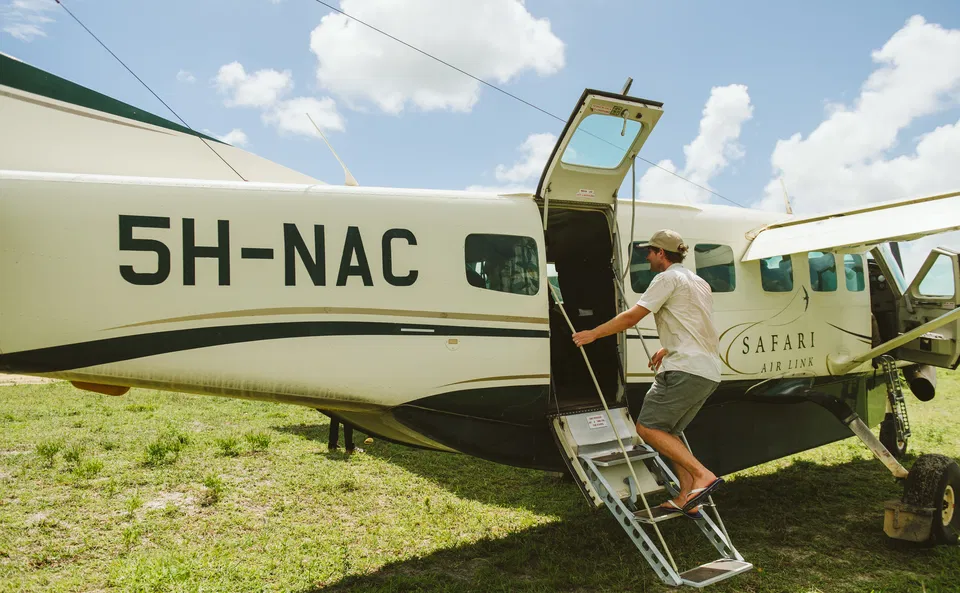
Some safari lodges and camps in and around Amboseli also arrange private charter flights, offering a convenient option for travellers who prefer a more flexible and direct journey.
Flying to Amboseli is a great choice for visitors looking to save travel time and maximize their safari experience, especially when combining Amboseli with other destinations in Kenya or Tanzania.
Where to Stay in Amboseli
When choosing where to stay in Amboseli National Park, visitors have a variety of options ranging from authentic tented camps in private conservancies to luxurious safari lodges inside the park. For a true wilderness experience, staying in a conservancy offers the advantage of enjoying a quieter environment, additional activities, and a closer connection with the local community.
Porini Amboseli Camp is one of the camps that provides a genuine and intimate safari experience. Located in the Selenkay Conservancy, just outside Amboseli National Park, the camp consists of a small number of comfortable tented camps set in the natural bush. The conservancy is located on land leased from the local Maasai community and, over the years, has been restored into a thriving wilderness area filled with wildlife, including elephants.
The camp provides an authentic Maasai experience, with many staff members coming from the local community. One of the biggest advantages of staying here is the opportunity to enjoy activities that are not usually permitted inside the national park, such as guided nature walks, night game drives, and private sundowners in peaceful surroundings without the crowds of other safari vehicles.
Guests can still spend full days exploring Amboseli National Park, while returning to a private wilderness setting at the beginning and end of each day.
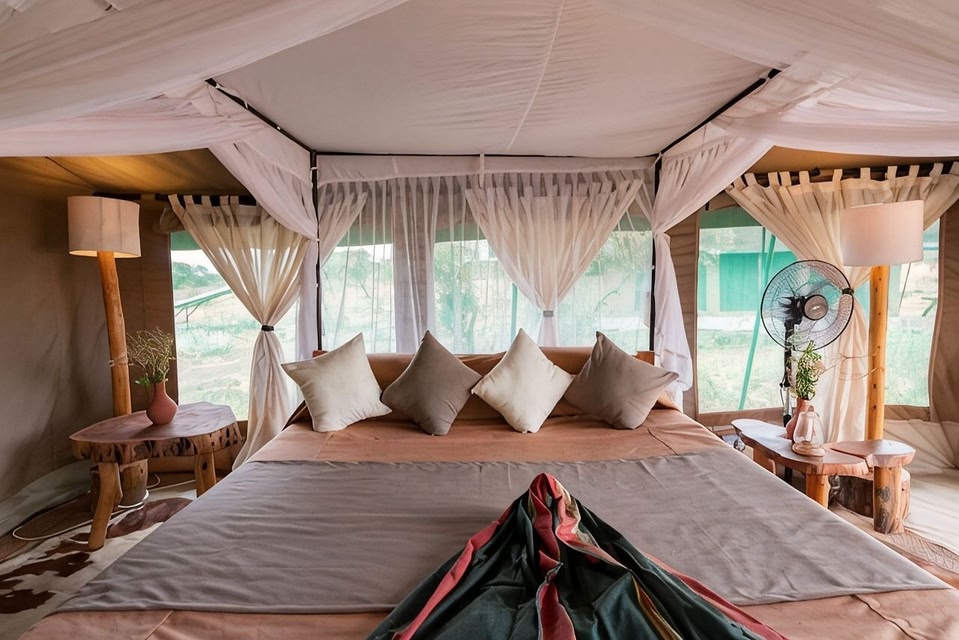
For travellers looking for a simpler and more adventurous experience, Porini Adventure Camp in the Selenkay Conservancy offers a more basic style of accommodation with dome tents, comfortable mattresses, private flush toilets, and bucket showers. Both camp options include game drives in 4×4 safari vehicles led by experienced Maasai guides. The camps are known for friendly service, excellent food, and a personal safari atmosphere.
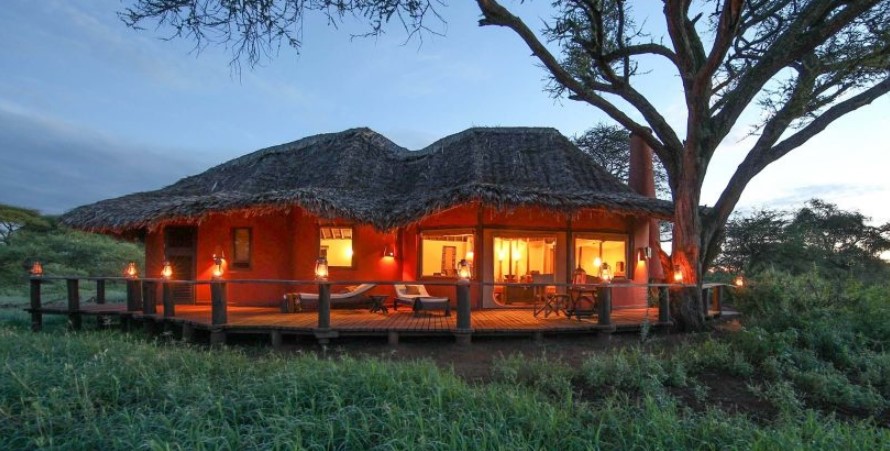
Another excellent option is Elewana Tortilis Camp Amboseli, a luxurious tented camp set among beautiful acacia woodland with spectacular views of Mount Kilimanjaro. The camp features spacious safari tents with elegant en-suite bathrooms, hot showers, and modern flush toilets. Each tent is built on a raised wooden deck and sheltered beneath a traditional makuti thatched roof, with a large private veranda perfect for relaxing after a morning game drive or enjoying an afternoon siesta.
The camp also offers a swimming pool, excellent service, and is well known for its delicious Italian-inspired cuisine combined with fresh local ingredients. Its location and atmosphere make it a favourite choice for travellers seeking comfort while remaining connected to the natural beauty of Amboseli.
Whether staying in a private conservancy or inside the national park, Amboseli accommodation allows visitors to experience incredible wildlife, stunning landscapes, and the unforgettable presence of elephants beneath the shadow of Mount Kilimanjaro.
Amboseli Lodges
For travellers who prefer a traditional lodge experience rather than staying in a tented camp, Amboseli National Park offers several excellent lodge options. These lodges provide comfort, great facilities, and easy access to the park’s incredible wildlife, while still allowing guests to enjoy the beauty of the surrounding wilderness.
Amboseli Serena Safari Lodge is one of the most popular luxury lodges in the area and has received recognition for its quality service and design. While it does not offer the same intimate bush atmosphere as a tented camp, it provides a comfortable and relaxing stay between game drives. Guests can cool down in the swimming pool, enjoy excellent views from the rooms, and relax in a beautiful setting inspired by traditional Maasai architecture.
The lodge is designed to resemble a Maasai village, with carefully decorated public areas and rooms that combine modern comfort with African-inspired style. Each room features comfortable beds and private en-suite bathrooms, providing a relaxing retreat after a day exploring Amboseli’s wildlife-rich landscapes.
Ol Tukai Lodge Amboseli is another excellent lodge located inside the national park. Set beneath one of the few remaining shady areas in Amboseli, the lodge offers a peaceful atmosphere surrounded by nature. The African-inspired design extends throughout the property, creating a warm and authentic feeling.
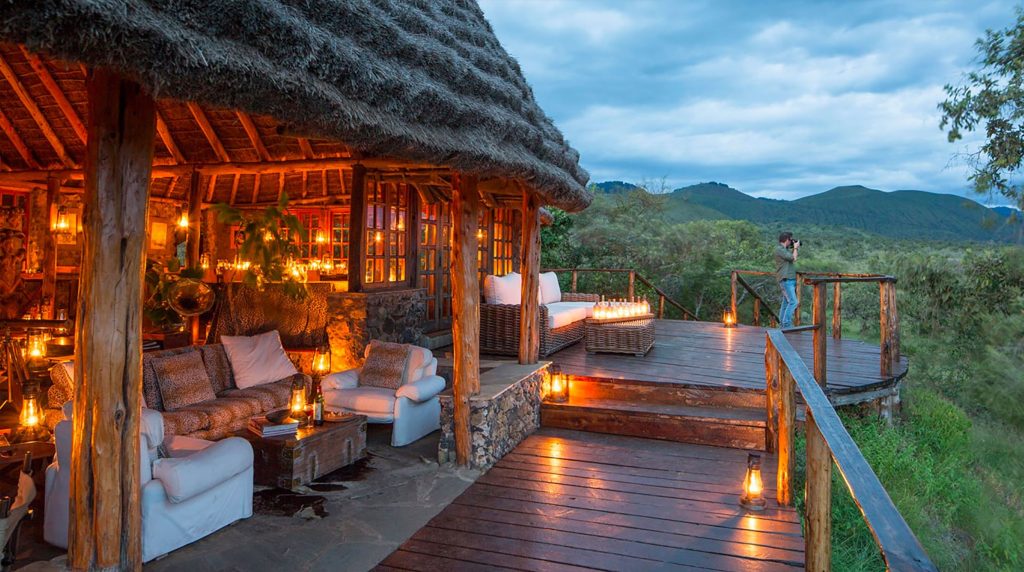
The lodge features comfortable rooms, a swimming pool, and a bar area that provides a welcome place to relax during the warm afternoons. Guests can also enjoy beautiful views of the park and its wildlife while staying in a comfortable environment.
Tawi Lodge is an eco-friendly luxury lodge located just outside Amboseli National Park in a private conservancy at the base of Mount Kilimanjaro. The lodge offers breathtaking views and features private cottages designed to provide peace and privacy.
The cottages are available as double or twin accommodation and include elegant en-suite bathrooms with both showers and baths. The lodge’s bar and dining area overlook natural wetlands, where large herds of elephants and other wildlife can often be seen visiting the area.
For travellers on a budget or those driving themselves, self-catering cottages are also available around Amboseli. These provide a more affordable option while still allowing visitors to enjoy the park and its surroundings at their own pace.
Whether choosing a luxury lodge, eco-friendly retreat, or self-catering accommodation, Amboseli offers a wide range of options to suit different travel styles and budgets.
Meeting the Maasai
The Maasai are an important part of the Amboseli ecosystem and culture. They own much of the land surrounding the small national park and continue to practice a traditional pastoralist lifestyle, raising livestock and maintaining strong connections with their ancestral lands.
One of the highlights for many visitors to Amboseli is the opportunity to visit a local Maasai village and gain insight into their unique traditions, customs, and way of life. These cultural experiences provide a deeper understanding of the people who have lived alongside the wildlife of this region for generations.
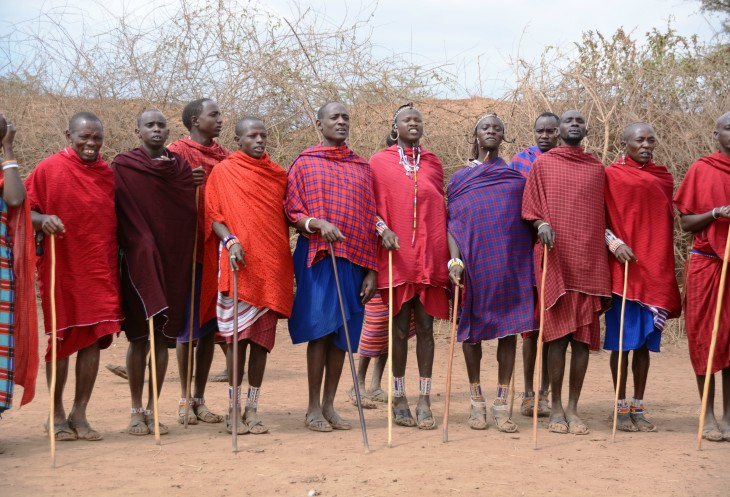
For a more authentic experience, staying at Porini Amboseli Camp offers the opportunity to visit a local Maasai homestead in a more natural and community-focused setting. The camp works closely with the local Maasai community, allowing visitors to learn about their culture through respectful interactions.
Many lodges and camps around Amboseli can also arrange Maasai village visits. While these experiences remain fascinating and educational, travellers should understand that some visits are organised specifically for tourism. Choosing a responsible operator that works closely with local communities helps ensure that cultural experiences are respectful and beneficial to the Maasai people.
Frequently Asked Questions
What is Amboseli National Park famous for?
Amboseli National Park is famous for its large elephant herds. It also offers amazing views of Mount Kilimanjaro. The park has open plains that make wildlife easy to spot. You can see lions, giraffes, zebras, and many birds. It is one of Kenya’s most beautiful safari destinations.
When is the best time to visit Amboseli National Park?
The best time to visit is during the dry seasons. These are from June to October and January to February. Animals gather around water sources, making them easier to see. The roads are also easier to drive. You can enjoy clear views of Mount Kilimanjaro on many mornings.
What animals can you see in Amboseli National Park?
Amboseli is home to many different animals. You can see elephants, buffaloes, lions, cheetahs, and hyenas. Giraffes, zebras, wildebeests, and antelopes are also common. The park is a paradise for bird lovers, with hundreds of bird species. Every game drive offers something exciting.
How many days should you spend in Amboseli National Park?
Two to three days are enough for most visitors. This gives you time for several game drives. You can also enjoy sunrise and sunset views. Many travelers visit a nearby Maasai village as well. It is a relaxed safari with plenty to experience.
Can Amboseli National Park be combined with other safari destinations?
Yes, Amboseli is easy to combine with other parks. Many travelers visit Maasai Mara, Tsavo, or Lake Nakuru after Amboseli. It can also be combined with a Tanzania safari. Some tours continue to Serengeti or Ngorongoro through the border. This creates an unforgettable East African safari adventure.
Still have questions?
Our local safari experts are happy to help you plan the perfect African safari.





