
Through our commitment to sustainable tourism, Safari ASAP has been honored to support Ngabobo Primary School in Western Kilimanjaro. The school serves students primarily from Maasai communities in the northern foothills of Mount Meru, approximately 18 km off the main road leading to Kilimanjaro’s Shira and Lemosho Gates.
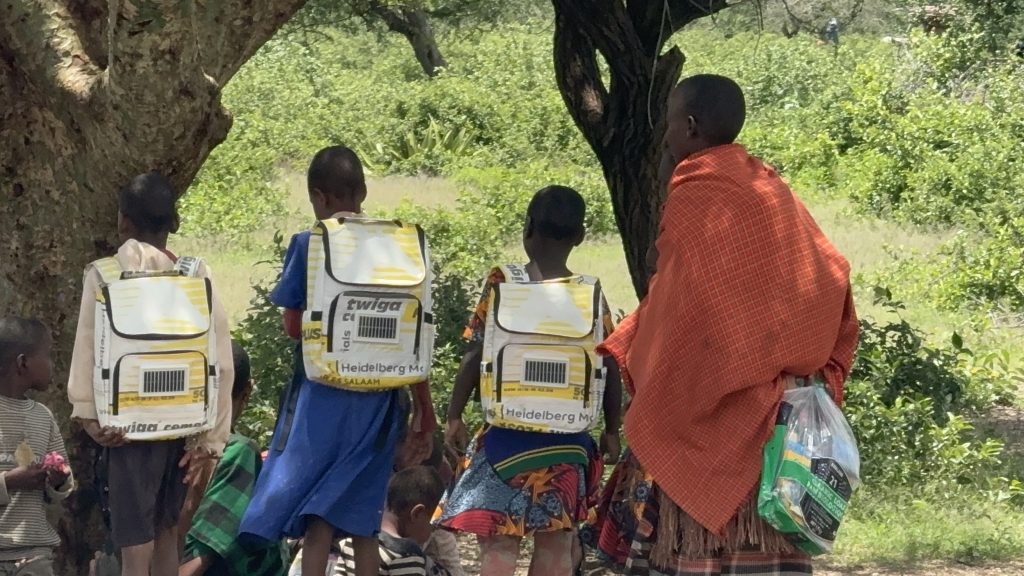
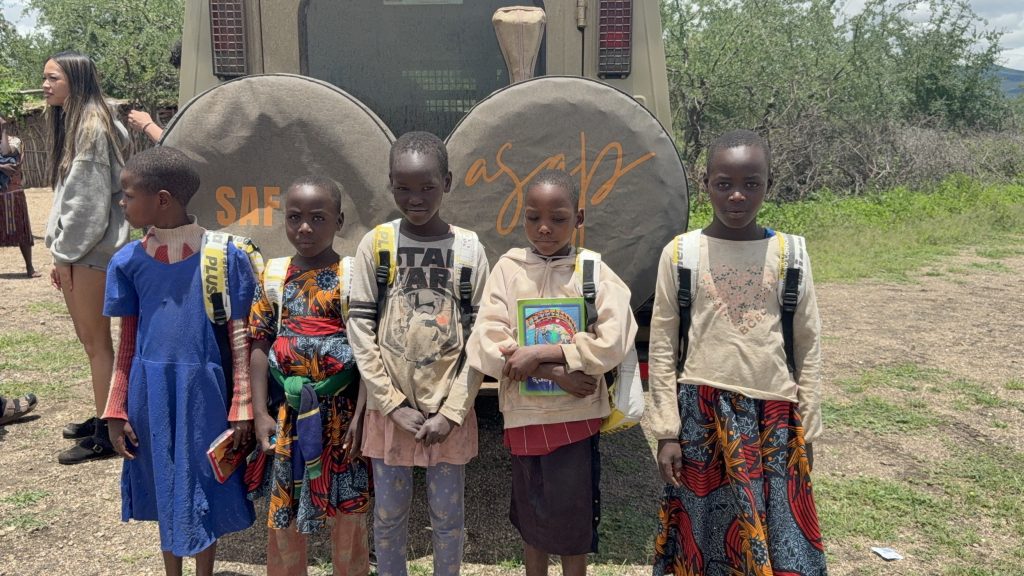
With the generous support of our responsible clients, Vincent and the Florable family from Canada, we were able to donate solar-powered school bags from the Soma na Mwanga. These innovative bags, created by locals from Tanzania, provide students with a reliable source of light, enabling them to study in the evenings despite the area’s lack of electricity.
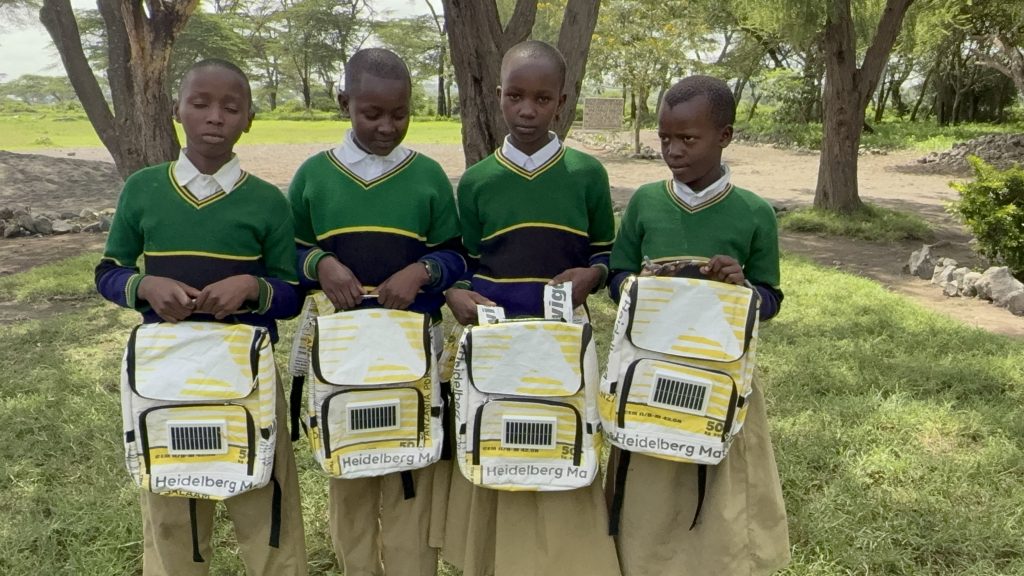
In addition to the solar bags, the family contributed a variety of essential items, including sanitary pads for girls, shoes, toothpaste, notebooks, art supplies, and toys for younger children. These contributions have made a meaningful difference in improving both the learning environment and the daily lives of the students.
During our visit, we were warmly welcomed by the students, who expressed their gratitude through a vibrant and confident Maasai dance performance. It was a truly special and heartfelt moment, allowing us to connect with the children and share in their energy and joy.
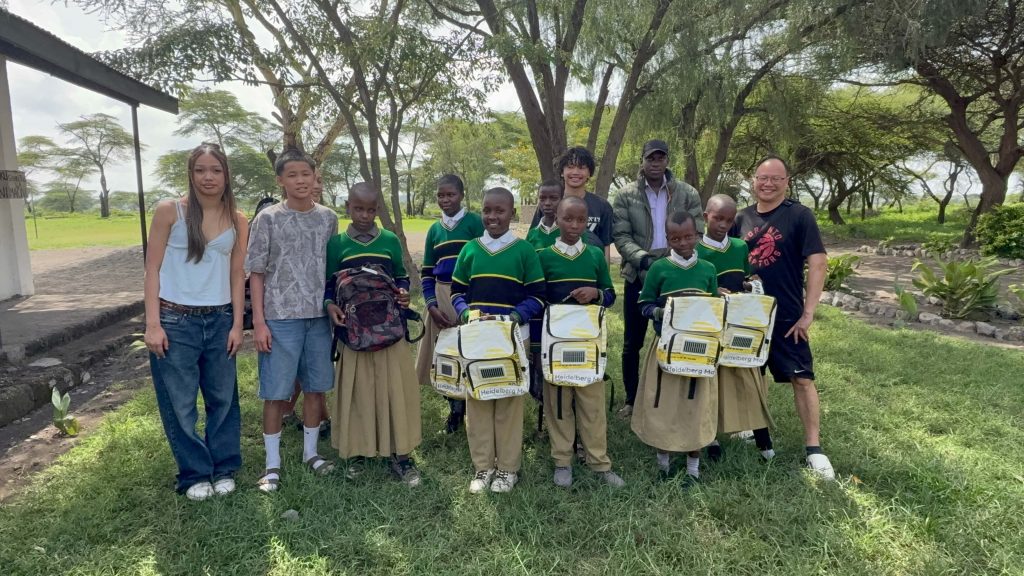
We also had the opportunity to spend time with the teaching staff, led by the Head Teacher, Madam Theresia Isaack Musee. During our discussions, she highlighted several key challenges facing the school, including:
- Lack of a teacher’s toilet
- Absence of printing and photocopying facilities
- Shortage of laptops
- Insufficient teaching staff (7 teachers serving over 300 students)
- Limited sports equipment, such as footballs and netball gear
Due to its remote location, the school receives limited government support, making partnerships and contributions from visitors and organizations especially vital.
Safari ASAP is proud to be part of this journey, working hand in hand with our clients and local communities to create meaningful impact. Ngabobo Primary School is located approximately 90 km from Kilimanjaro International Airport and 18 km from the Kilimanjaro park gates, and warmly welcomes further support from individuals or organizations willing to contribute to its development.
We are happy to facilitate direct connections with the school for anyone interested in supporting their initiatives.
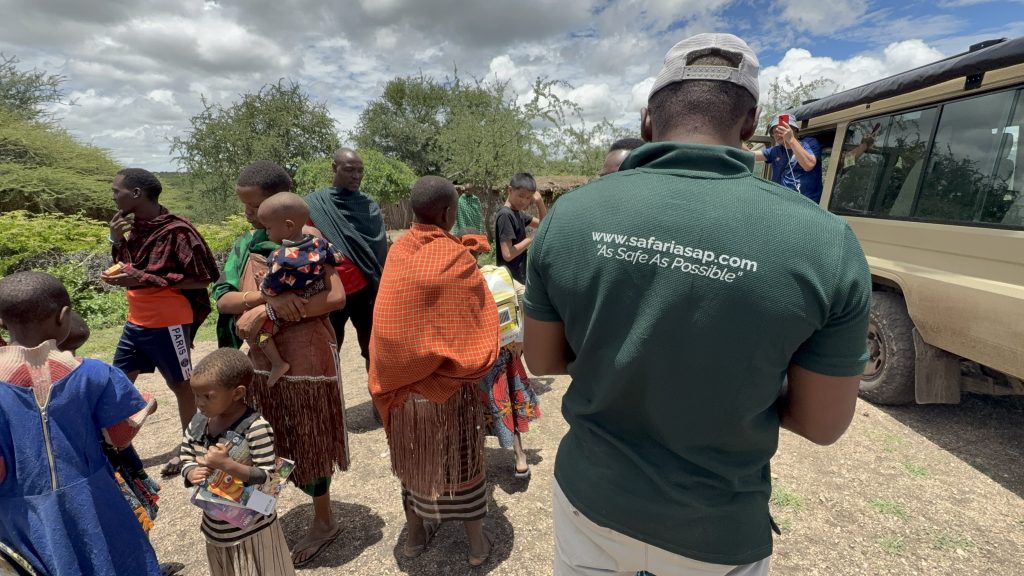
In addition, we had the privilege of visiting the Datoga community near Lake Eyasi, about a two-hour drive from Karatu Town. Together with Vincent and his family, we extended our support by donating solar bags, shoes, sanitary supplies, books, and art materials. The community expressed deep gratitude for these contributions, making the experience even more rewarding.
Safari ASAP and our entire team remain deeply committed to responsible travel. We believe that every journey should not only explore the beauty of Tanzania but also uplift the communities we visit. We will continue to create opportunities that connect travel with positive and lasting impact.
Frequently Asked Questions
What does sustainable travel mean in Tanzania?
Sustainable travel in Tanzania means exploring the country in a way that respects the environment, culture, and local communities. It focuses on minimizing negative impacts while creating real benefits for the people who live there. Travelers are encouraged to support eco, friendly lodges, local guides, and community, run projects. This approach helps protect natural resources like wildlife and landscapes for future generations. At the same time, it ensures tourism income reaches the people who need it most.
How does tourism empower local communities?
Tourism can create jobs and opportunities for local people, from guiding and hospitality to crafts and cultural experiences. When travelers choose community, based tourism, their money directly supports families and small businesses. This helps improve education, healthcare, and overall living standards in rural areas. It also encourages communities to preserve their traditions and environment because they see real value in them. Over time, tourism becomes a tool for long, term development rather than short, term gain.
What are examples of community, based tourism experiences?
Visitors can take part in cultural tours, village visits, or traditional cooking experiences led by local residents. In areas near national parks, communities may offer guided walks, storytelling sessions, or handicraft workshops. These experiences allow travelers to connect with people on a more personal level. They also give communities a chance to share their heritage in their own voice. It creates a meaningful exchange that goes beyond just sightseeing.
How can travelers make responsible choices during their trip?
Travelers can choose eco, friendly accommodations, avoid single use plastics, and respect local customs and traditions. Supporting local markets, hiring local guides, and tipping fairly also makes a big difference. It’s important to follow park rules and avoid disturbing wildlife or natural habitats. Learning a few local words or understanding cultural norms shows respect and builds positive connections. Small actions like these add up to a more responsible and rewarding journey.
Why is sustainable travel important for Tanzania’s future?
Sustainable travel helps protect Tanzania’s incredible wildlife, landscapes, and cultural heritage. Without careful management, tourism can harm the very things that attract visitors in the first place. By focusing on sustainability, the country can balance economic growth with conservation. It ensures that future generations can continue to benefit from tourism. In the end, it creates a travel experience that is not only enjoyable but also meaningful and lasting.
Still have questions?
Our local safari experts are happy to help you plan the perfect African safari.





