
Table of Contents
- 1. 5:30 am – Wake Up Call
- 2. 6:00 am – 10:00 am – Morning Game Drive
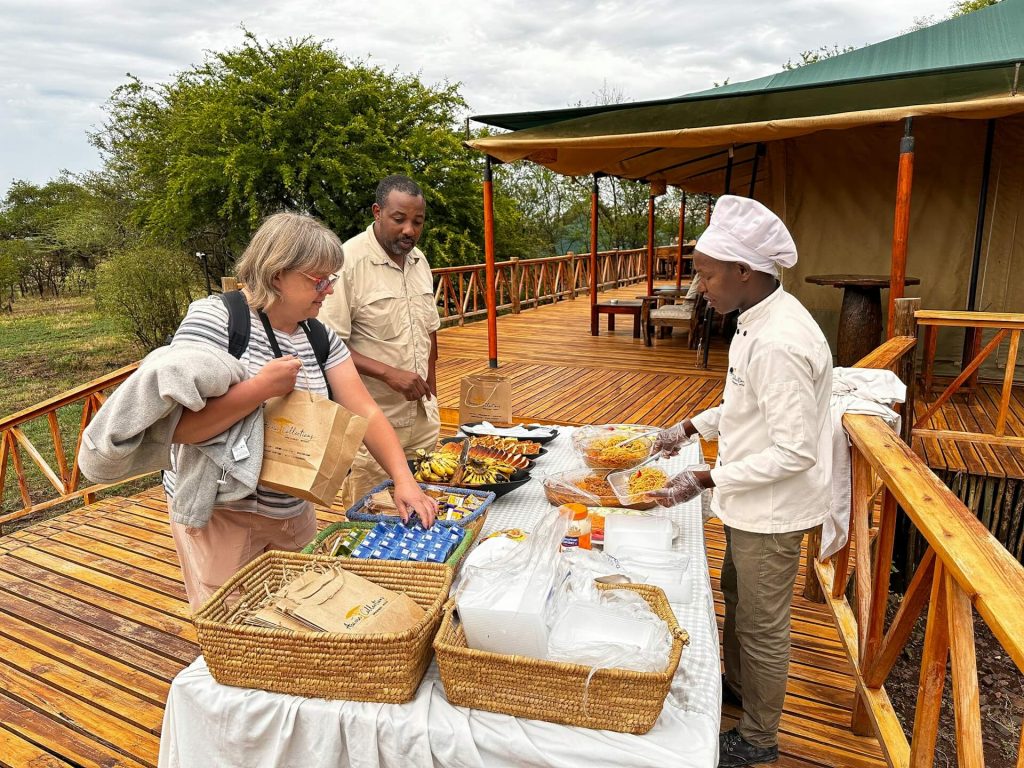
- 3. 10:00 am – 11:00 am – Breakfast Time
- 4. 11:00 am – 1:00pm – Siesta
- 5. 1:00 pm – 2:00 pm – Lunch
- 6. 2:00 pm – 3:30 pm – Siesta time again
- 7. 3:30 pm – 4:00 pm – Tea
- 8. 4:00 pm – 7:30 pm – Game Drive
- 9. 7:30 pm – 9:00 pm – Dinner
- 10. 10:00 pm – Lights Out
- Conclusion
- Frequently Asked Questions
Planning a safari but not quite clear on what a day in the African bush really entails? This article describes a day spent on a luxury safari staying at a good lodge or tented camp where game drives and activities, as well as meals and most drinks, are typically included. A day on safari follows the general rhythm of the African bush and the wildlife that surrounds you.
It is often tremendously exciting and relaxing at the same time. You don’t have much control over what you are going to see, nor can you just take off on a solitary walk, and there’s no TV and often no Wifi, but you won’t miss any of that for a second. You can enjoy a safari whether you are young or old, fit or out of shape. You’ll eat fantastic fresh food, homemade bread and cookies, sample delicious wines and be able to see the stars at night like you’ve never seen them before. For some, a safari is the only time they’ll enjoy “camping” … because it’s really glamping. For those who camp more often, you’ll love the feel of clean sheets and a comfy mattress while still getting the benefit of waking up to the sound of birds and hippos.
Below is a typical day on a safari with Safari ASAP:
1. 5:30 am – Wake Up Call
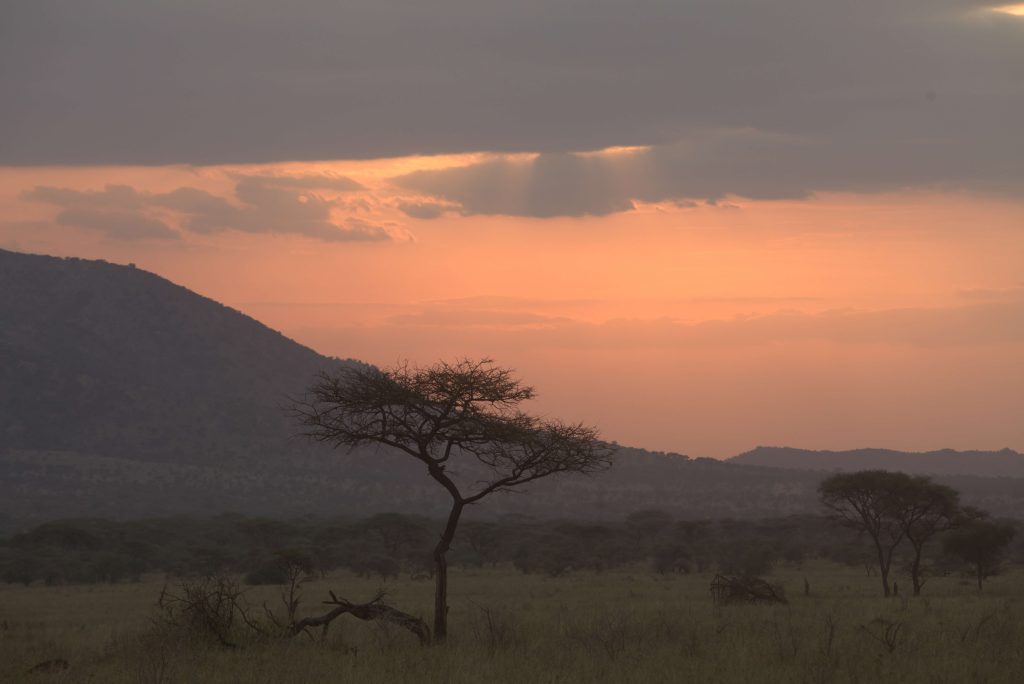
This may not sound like much of a vacation, but game drives start early because it’s the best time to see the animals at their most active. Your wake-up call is usually a gentle “good morning” from your lodge manager, followed by coffee, tea, and a light breakfast.
2. 6:00 am – 10:00 am – Morning Game Drive
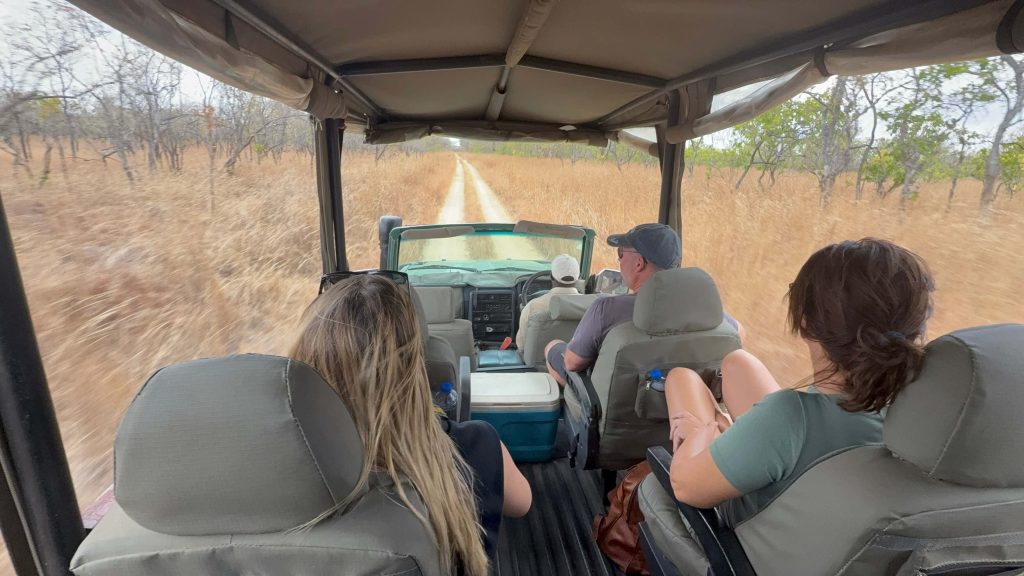
This is what you’re on safari for, the game drive. Make sure to wrap up warm if you are on safari between May and August, as it can get chilly. Your guide will drive following the tracks of animals you would like to see. Guides on different vehicles may radio each other if they spot something exciting, like a hunt or kill. You’ll generally stop after a couple of hours for some hot coffee, tea, and light snacks. Game drives can take a little longer or shorter, depending on what you find. Every drive is unique.
3. 10:00 am – 11:00 am – Breakfast Time
You’ll be pretty hungry at this point after a long game drive, which is good because breakfast is usually an all-English full fry up with bacon, sausages, eggs, fruit, yoghurt – the works. If your drinks are included, don’t forget to add a mimosa or Bloody Mary for fun. Sometimes you may be surprised with a “bush breakfast”, but generally you’ll be eating back at the lodge or camp.
4. 11:00 am – 1:00pm – Siesta
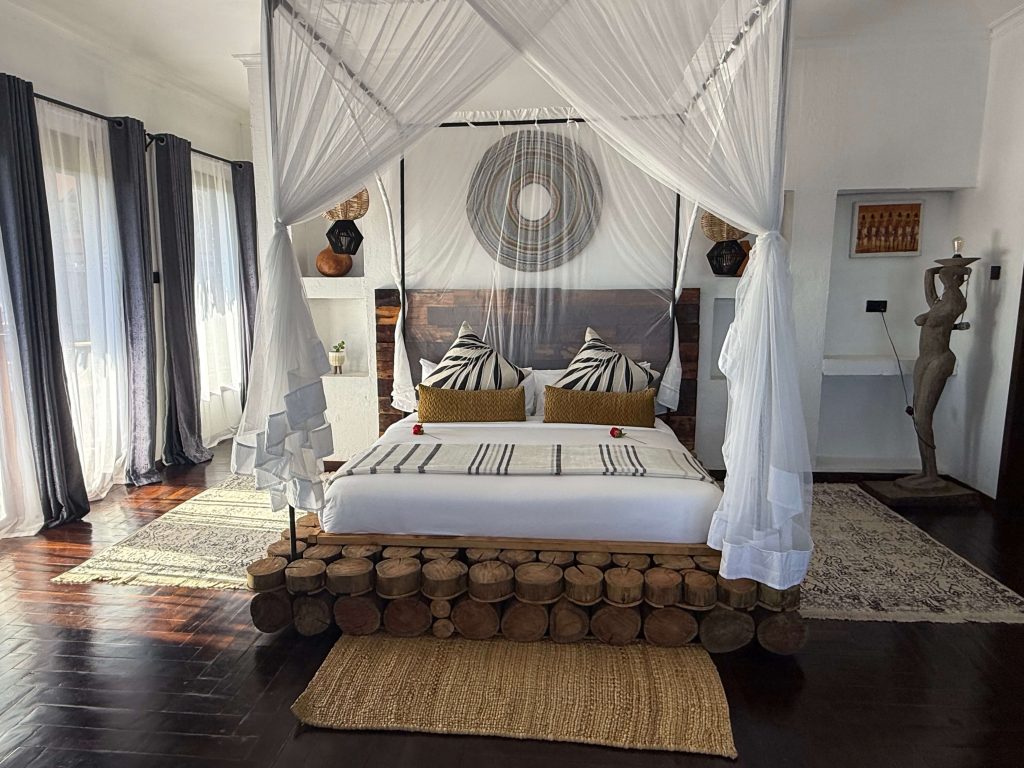
Finally, you get to enjoy your lovely tent or room and laze around the pool during the heat of the day. Often, there’s still plenty to see around camp as animals come up to enjoy the waterhole (if there is one close by) or occasionally drink from the swimming pool itself. This is my favorite time to do a little birding around camp. Most people use this time to have a nice nap. This is also the time that you can enjoy a short bush walk close to camp if your guide is available and you are staying on a private concession.
5. 1:00 pm – 2:00 pm – Lunch
Yes, it’s time to eat AGAIN. Usually, a light lunch is served, with lots of different salads and cold meats. If you are still napping, don’t worry, because tea is around the corner, so you won’t go hungry.
6. 2:00 pm – 3:30 pm – Siesta time again
Another period of rest before another chance to eat. Make the most of the pool if it’s hot, or lie down for a while because even though you basically just sit during a game drive, the bouncing around, dust, and excitement is very tiring. It’s also nice to spend time chatting to the staff and fellow guests during this quiet period, so check out the communal areas of your camp or lodge. They usually have a good library, a comment book (always fun), bao, board games, and cards.
7. 3:30 pm – 4:00 pm – Tea
Ah, the British influence reigns supreme, and tea is served along with lots of fresh-baked goodies and tarts. This is where you really can’t believe they can produce such fare in a “bush kitchen”. Iced tea, coffee, and other cool drinks are also usually served.
8. 4:00 pm – 7:30 pm – Game Drive
The afternoon game drive is my favorite; the light as the sun goes down is just magical. After a few hours of wildlife viewing, your guide will usually stop somewhere scenic for “sundowners”. This is where you really learn to love gin and tonics (or a cold beer) while watching the sunset and listening to hippos snort. Your guide will make sure it is safe to get out of the vehicle. In southern Africa, do try the biltong and droewors you’ll often get as snacks (I know, more food …). If you are on a private concession your slow drive back to your lodge or camp will be in the dark. Your guide or tracker will hold up a spotlight and see if you can find cute bush babies, bat-eared foxes, leopard and other nocturnal animals.
9. 7:30 pm – 9:00 pm – Dinner
Dinner is usually a three-course affair with lots of wine. Communal dining is popular at smaller, luxury camps and lodges. If you’re on a romantic vacation, you can certainly request (or have your safari consultant request) a private dinner either near your suite or at a quiet spot away from other guests. If you are staying for three or more nights, you may get lucky and be treated to a boma dinner where traditional foods are served, and guests sit around a fire. Often, the staff will perform a traditional song or dance. It’s all very festive, and the stars put on a fantastic show on clear nights as well.
10. 10:00 pm – Lights Out
Safaris are social, and it’s really fun to meet people from all over the world and enjoy good wine and stories around the campfire at night. But by 10 pm, most people will likely be tucked away in their beds, after a guard escorts you to your suite/tent of course. It all starts again in a few hours … and you can dream of even more exciting sightings as you fall asleep to the roar of a lion, and the bark of a hyena.
Planning a safari but not quite clear on what a day in the African bush really entails? This article describes a day spent on a luxury safari staying at a good lodge or tented camp where game drives and activities, as well as meals and most drinks, are typically included. A day on safari follows the general rhythm of the African bush and the wildlife that surrounds you.
Conclusion
It is often tremendously exciting and relaxing at the same time. You don’t have much control over what you are going to see, nor can you just take off on a solitary walk, and there’s no TV and often no Wifi, but you won’t miss any of that for a second. You can enjoy a safari whether you are young or old, fit or out of shape. You’ll eat fantastic fresh food, homemade bread and cookies, sample delicious wines and be able to see the stars at night like you’ve never seen them before. For some, a safari is the only time they’ll enjoy “camping” … because it’s really glamping. For those who camp more often, you’ll love the feel of clean sheets and a comfy mattress while still getting the benefit of waking up to the sound of birds and hippos.
Frequently Asked Questions
What time does a typical safari day start and end?
A safari day usually begins very early, often before sunrise when the air is cool and animals are most active. You might wake up around 5:00 or 5:30 a.m., grab a quick coffee, and head out for a morning game drive. After a few hours, you return to camp for breakfast and some rest. The afternoon usually includes another game drive that lasts until sunset. Evenings are relaxed, with dinner and stories around the campfire before heading to bed early.
What happens during a game drive?
During a game drive, you ride in a safari vehicle with a guide who knows where to find wildlife. The guide helps spot animals and explains their behavior, making the experience more meaningful. You may see elephants, lions, giraffes, or even a leopard if you’re lucky. The drive is slow and quiet, allowing you to take photos and enjoy the scenery. It’s not just about big animals, but also birds, plants, and the overall ecosystem.
What do you do between game drives?
The time between game drives is meant for relaxing and enjoying the camp or lodge. You might take a nap, read a book, or sit by the pool while watching animals in the distance. Some lodges offer guided walks, spa treatments, or cultural visits to nearby communities. Meals are also an important part of the day, often served in beautiful outdoor settings. It’s a chance to recharge before heading out again.
What kind of food is served on safari?
Safari meals are often surprisingly delicious and varied. Breakfast might include fresh fruit, eggs, and pastries, while lunch and dinner can be full, course meals with local and international dishes. Some camps even offer bush breakfasts or dinners under the stars, which feel very special. Vegetarian and dietary needs are usually well catered for. Eating on safari is as much a part of the experience as the wildlife.
What makes a safari day special or unique?
Every safari day feels different because you never know what you will see. One day might bring a lion hunt, while another offers a peaceful moment watching elephants at a waterhole. The connection to nature, the sounds of the bush, and the wide open landscapes make each moment memorable. Even simple things like a sunrise or bird call can feel magical. It’s this unpredictability and closeness to wildlife that makes a safari day truly unforgettable.
Still have questions?
Our local safari experts are happy to help you plan the perfect African safari.





