
Table of Contents
With multiple reports daily about the Ebola outbreak in DR Congo, many travelers are becoming nervous about their current travel plans. What happens if they cross paths with someone who may have Ebola? Are there any outward signs of the Ebola virus? And what should a traveler do if they think they have contracted Ebola? With the flood of information that has come from the Ebola outbreak comes several myths about the virus.
In these situations, education on the facts is critical. Before you decide to cancel your travel plans based on something you heard, make sure you have the facts about Ebola.
Here are three facts you need to know about Ebola before you pack up and go:
Ebola is not an airborne virus
There was a commercial airliner that made an emergency landing after a passenger sneezed and announced to all the passengers that he had Ebola. The situation ended after the aircraft landed, and hazmat crews escorted the passenger off the airplane and transported them to the nearest hospital. Can a potentially infected carrier transmit Ebola from a cough or sneeze?
According to the Centers for Disease Control, Ebola is spread by direct contact with an infected person and their bodily fluids. This can include sweat, spit, mucus, and vomit. Ebola transmission can also take place through direct skin-to-skin contact with another person. However, Ebola is not spread by contact with food, air, or water.

Therefore: if you were to be coughed or sneezed upon by someone with Ebola, you are at risk of contracting the virus. Without direct contact with an infected person, your risk of contracting Ebola is significantly lower.
Ebola on an Airplane
Many travelers are always concerned about the illnesses they can catch on an airplane. After all, re-circulated air in an airplane cabin is often blamed for illness. But if someone who potentially has Ebola leaves an aircraft, is it possible that they could leave the virus behind in their seat?
The Centers for Disease Control notes that the Ebola virus can live on surfaces for several hours. If a potentially infected person were to cough or sneeze on a surface, then it is plausible they could leave the virus behind. However, the CDC also notes that the Ebola virus is killed with hospital-grade disinfectants. And many airlines will refresh cabins between flights, with a more thorough cleaning at night.
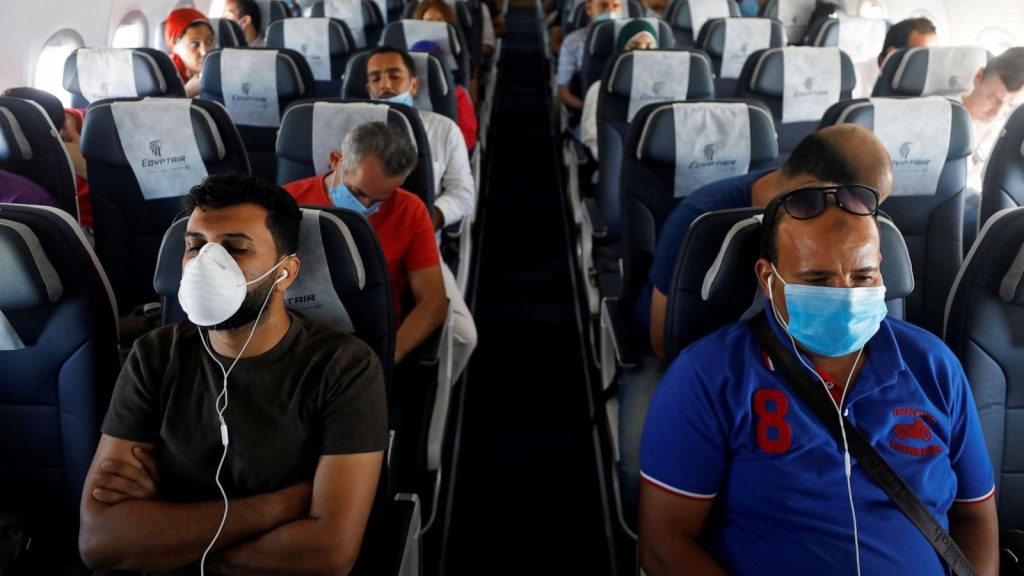
Passengers who are concerned about contact with surfaces should carry hand sanitizer and disinfecting wipes in their carry-on bags. Many disinfecting wipes are bleach-based and do not count as a 3-1-1 liquid, allowing you to thoroughly disinfect your seat and associated surfaces before you travel. On the other hand, hand sanitizer is considered a liquid and needs to be packed with the rest of your 3-1-1 liquids. Alcohol-based hand sanitizers are easy to get and work best for cleaning your hands while traveling.
Ebola Quarantines
With the news that both New York and New Jersey are enacting mandatory quarantines for certain passengers exposed to Ebola, many people have a lot of questions. Will your flight be subject to quarantine – even if you are not traveling from an Ebola-affected country?
Travelers who are coming to the United States from an Ebola-affected part of Africa, including Congo and Uganda, will be forced to travel through one of five airports. These airports include George Bush Intercontinental Airport (IAH), Houston, for flights departing after 11:59 PM on May 26, 2026, Washington Dulles International Airport (IAD) for flights after 11:59 PM on May 21, 2026 and Hartsfield-Jackson Atlanta International Airport (ATL) for flights after 11:59 PM on May 22, 2026. From there, travelers will be subject to screening and possible quarantine.
Quarantine in Kenya
The U.S. government plans to establish a 50-bed Ebola quarantine facility at the military airbase in Laikipia County, Kenya, for Americans who may have been exposed to Ebola while working in outbreak areas, particularly in the eastern part of the Democratic Republic of the Congo. The facility is intended primarily for exposed individuals who are not yet showing symptoms, rather than for large numbers of confirmed Ebola patients.
At the moment, youth are protesting in and around Nanyuki and near the Laikipia Air Base. Hundreds of residents and youths demonstrated against the proposal, expressing concerns about public health risks and the potential impact on the local community and tourism. This has resulted after the Kenyan High Court issued temporary orders suspending the establishment and operation of the facility while a legal challenge is heard. The court also temporarily blocked the transfer of Ebola-exposed or infected individuals into Kenya under the arrangement
While the Centers for Disease Control have released guidelines, quarantines are being organized on a state-by-state basis. While New York and New Jersey have mandated quarantine guidelines, the requirements may be different at other locations. Your airline or state Department of Health may be able to answer any questions you may have about quarantine procedures at your destination.
As with any emergency health situation, education is the best defense. By understanding what Ebola is and how it is affecting travelers, you can better prepare yourself for the road and make better decisions about your plans.
Note: The content contained on this page is not intended to be and does not constitute medical advice. Always seek the advice of a physician or another qualified health provider with any questions regarding a medical condition.
Frequently Asked Questions
Can travelers still visit Africa during Ebola outbreaks?
Yes, many parts of Africa are safe to visit during an Ebola outbreak. Africa is a huge continent with many countries far from affected areas. Travelers should check travel updates before booking a trip. Most safaris and tourist places continue normally. It is good to stay informed and follow local advice.
How does Ebola spread from person to person?
Ebola spreads through direct contact with body fluids of an infected person. It does not spread through the air like a cold or flu. Travelers are very unlikely to catch Ebola during normal tourism activities. Safari drives, hotels, and guided tours are usually safe. Washing hands often also helps reduce risk.
What should travelers do to stay safe from Ebola?
Travelers should practice good hygiene during their trip. Wash your hands regularly with soap or sanitizer. Avoid contact with sick people or wild animals. Eat food from clean and trusted places. Listening to local health advice is also important.
Are airports and borders safe during an Ebola outbreak?
Many airports increase health checks during outbreaks. Travelers may go through temperature screening or health questions. These steps help keep visitors and local people safe. Airlines and governments work closely with health officials. Most travelers continue their journeys without problems.
What should you do if you feel sick after traveling?
If you feel sick after traveling, contact a doctor quickly. Tell the doctor where you traveled recently. Early medical care is very important for any illness. Do not panic because many common illnesses are not Ebola. Getting checked early helps protect both you and others.
Still have questions?
Our local safari experts are happy to help you plan the perfect African safari.





