
Table of Contents
When you travel with Safari ASAP, you are our guest, and your safety is our first priority. We do everything possible to ensure that you will be prepared for your journey and that your journey will not only be enjoyable but Safe and Secure Tanzania Safari Holiday.
Pre-Trip Information
Prior to your departure with Safari ASAP, we will send you an information packet that will help prepare you for your trip. It will contain information about what to expect while you’re on safari, health issues associated with traveling to a sub-Saharan country, passport and visa information, a suggested packing list, emergency contact numbers, and other useful information about Tanzania and local customs. You will be given every opportunity to ask questions so that you are prepared and comfortable on your trip.
Customized Vehicles
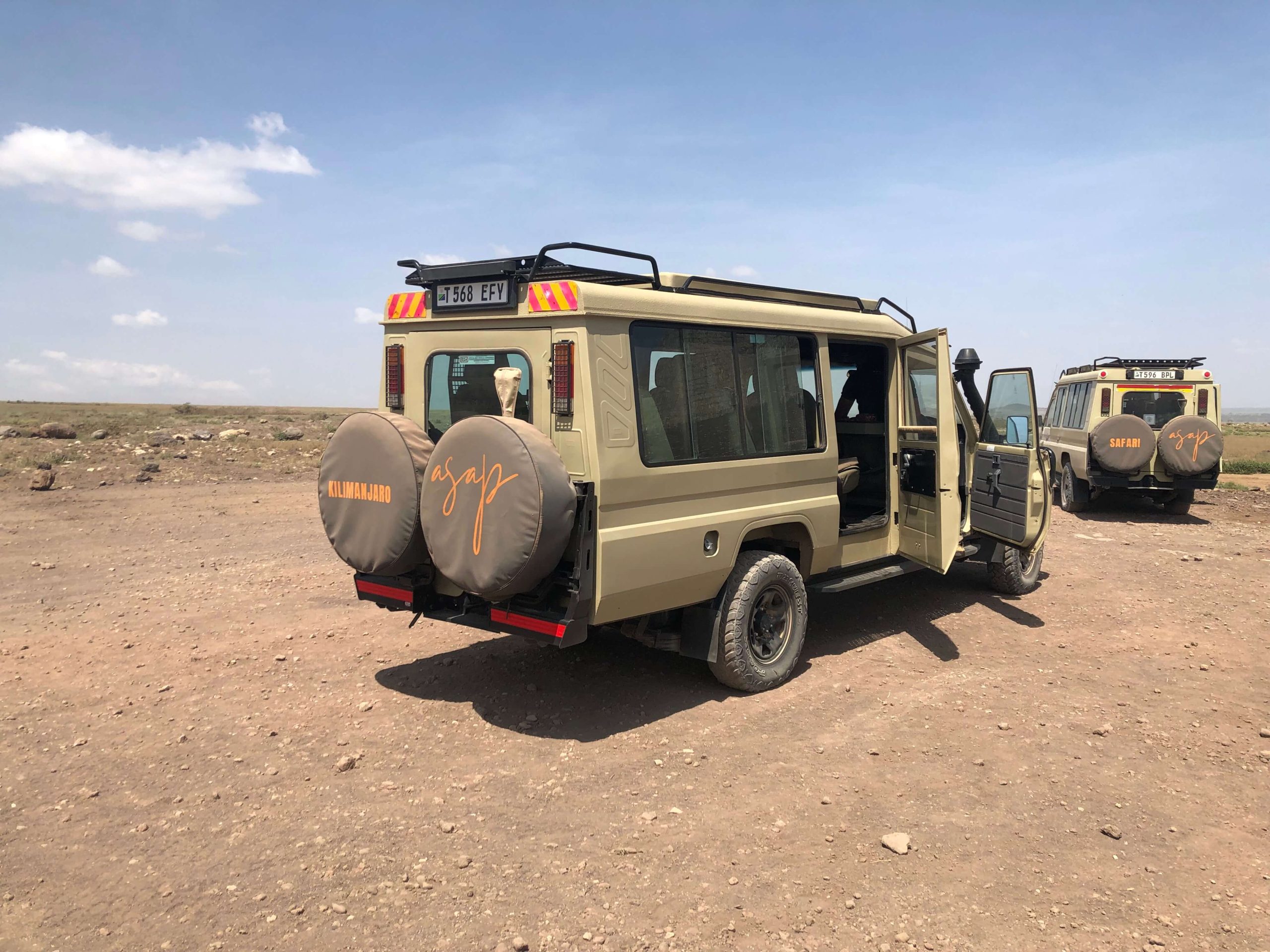
You will travel in a well-maintained, specially designed Toyota Land Cruiser with custom roof hatches that provide flexibility, protection from the sun, and support, especially for photographers’ large lenses. The vehicles are outfitted so that every guest has a window seat and space for personal belongings. Our drivers are selected for their safe driving practices as well as for their safari expertise.
These vehicles are thoroughly checked before and after every safari to insure that your trip will go safely and smoothly. Each vehicle is equipped with a first aid kit. The vehicle is even washed regularly during your safari to keep dust to a minimum. Safari ASAP vehicles are outfitted with both long-wave and short-wave radios and cell phones so that your naturalist/driver can contact lodges and camps and, in case of a medical emergency, Flying Doctors. Your driver can also call for assistance in the event there’s a problem with the vehicle.
Each vehicle is equipped with a cool box stocked with sodas and bottled water to keep you hydrated during game drives. We also provide snacks during game drives.
Animal Behavior
Our naturalist/drivers are experienced guides and have spent years studying animal behavior. They know how to approach wildlife safely and how to position the vehicle for the best viewing and photographic light.
In the national parks, you will enjoy game drives in our vehicles. Walking is normally only allowed at visitor centers, lodges, and camps. Still, out in the bush we are in wild country, and wild animals may frequent the lodges and camps. Guards (askaris) will escort you to and from your lodging, particularly at night. You should never walk outdoors after dark without a guard.
If you stay at a lodge or camp that is situated outside the national parks, you may elect to do game walks with an armed ranger. You may also choose a night game drive where you will be accompanied by both a guide and a tracker. Our drivers are multi-lingual and will be happy to respond to any and all questions that you may have about animals, birds, or plant life. They also have a vast and extensive knowledge about their country, and you’ll appreciate how willing they are to share it with you.
Food and Water
While on safari, you will eat well and enjoy a variety of nicely prepared, well balanced, tasty meals that are hygienically prepared at the lodges and camps. We choose only those properties that are very conscious of the need for safe food-handling practices. We recommend that you drink only bottled water (not tap water) and use bottled water for tooth-brushing as well. Each lodge and camp that you visit will supply you with bottled water in your room or tent, and bottled water will be available at meals as well as in the vehicle during game drives.
Emergency Evacuation
All trips with Safari ASAP include enrollment in Flying Doctors.
The Flying Doctors Service is part of the African Medical and Research Foundation (AMREF) and was established in 1957. The Flying Doctors have been involved in many health care projects in East Africa, one of them being the Air Ambulance Services.
The Flying Doctors Service provides air evacuation service in medical emergencies as well as air ambulance transfers between medical facilities. In addition, patients are repatriated to Europe, Asia and North America or medical escort is provided on commercial carriers. AMREF Flying Doctors Service operates 24hours/day, 365 days of the year through its control center located at Wilson Airport in Nairobi.
Highly qualified medical staff and aircrew are on standby to respond to emergencies. AMREF has the largest medical radio network throughout East Africa with 24 hours medical advice availability, and it is the only air medical service in Africa. AMREF owns and operates a fleet of aircraft that can be converted into airborne intensive care units, using modern medical equipment.
Travel Insurance
Safari ASAP guests are encouraged to take out Travel Insurance that will cover you if you need to cancel your trip. This insurance can also protect you for lost or delayed baggage as well as airline delays, and it may provide you with 24 hour traveler assistance.
Frequently Asked Questions
Is Tanzania a safe destination for a safari holiday?
Yes, Tanzania is widely considered a safe and welcoming destination for safari travelers. The main national parks, such as Serengeti National Park, are well, managed and focused on tourism safety. Visitors are usually accompanied by professional guides who understand both wildlife behavior and guest safety. Local communities are friendly and used to tourists, which adds to the overall sense of comfort. As with any travel, following basic advice and staying aware helps ensure a smooth experience.
How safe are game drives and wildlife encounters?
Game drives in Tanzania are designed with safety as a top priority. Experienced guides maintain safe distances from animals while still giving you amazing views. In places like the Ngorongoro Crater, wildlife encounters are common but carefully managed. Visitors are always advised to remain inside the vehicle unless told otherwise. When you follow your guide’s instructions, the experience is both thrilling and very secure.
What health precautions should I take before visiting Tanzania?
Before traveling to Tanzania, it’s important to check recommended vaccinations and health advice. Many travelers take precautions against malaria, especially when visiting remote safari areas. Drinking bottled or filtered water and practicing basic hygiene will help you stay healthy. Travel insurance that covers medical emergencies is also highly recommended. With proper preparation, most visitors enjoy a worry, free and healthy safari.
Are safari lodges and camps secure?
Safari lodges and camps in Tanzania are designed to keep guests safe while staying close to nature. Many are located in protected areas like Tarangire National Park and have trained staff monitoring the surroundings at all times. At night, guests are often escorted to and from their rooms for added security. The camps follow strict safety guidelines without taking away the authentic bush experience. This balance allows you to feel adventurous while still being well protected.
How can I ensure a safe and stress, free safari experience?
Planning your trip with a reputable tour operator makes a big difference in safety and comfort. Choose experienced guides, reliable transport, and well, reviewed accommodations across Tanzania. Listening to safety briefings and respecting local advice will help you avoid unnecessary risks. It’s also wise to keep valuables secure and travel with essential documents safely stored. With the right preparation, your Tanzania safari will be both safe and unforgettable.
Still have questions?
Our local safari experts are happy to help you plan the perfect African safari.





