
The Ultimate Guide to Botswana’s Okavango Delta

The Okavango Delta in Botswana is one of the most breathtaking wilderness areas on Earth, home to more than 122 species of mammals, including the rare wild dog, over 440 species of birds, 64 species of reptiles, and 71 species of fish. It is a true paradise for anyone seeking an unforgettable safari experience.

During the flood season, the Delta expands across more than 22,000 square kilometers of the Kalahari Desert. It is a unique blend of wetlands and drylands, where palm and papyrus-lined waterways weave through islands formed over thousands of years by termites.

With its mix of open plains, dense forests, and shimmering lagoons, the landscape is alive with wildlife at every turn. Safaris here can be experienced on foot, by 4×4, in a traditional mokoro canoe, or by boat, offering a deeply immersive way to explore this magical and ever-changing environment.

The Okavango Delta lies within the Kalahari Basin in northern Botswana and is nourished by the Okavango River, the third largest river in Southern Africa. This river draws much of its water from the Angolan Highlands, feeding one of the most remarkable inland deltas on the planet.

Each year, the seasonal floods arrive around April and May, just as Botswana’s rainy season comes to an end. This natural rhythm breathes new life into the ecosystem, spreading water across vast areas and delivering essential nutrients to the sandy soils.

What makes the Delta especially unique is the way the floods shift and reshape the landscape from year to year. Subtle movements in the earth influence how the water flows, constantly redefining the channels and wetlands. The Savute Channel is a striking example, having remained dry for decades before suddenly flowing again in recent years, transforming the area and drawing wildlife back in abundance.

Because of the water and the ever-changing flood patterns, this vast landscape has remained largely untouched for thousands of years.

The tourism footprint here is intentionally light, as many areas of the Delta can only be reached by small aircraft. Botswana has carefully managed its safari industry, with most camps designed around eco-friendly principles and positioned within the high-end luxury range.

This approach has helped preserve the integrity of the ecosystem, keeping human impact low while allowing wildlife to thrive in abundance.

The Moremi Game Reserve

The Moremi Game Reserve is Africa’s first reserve established by a local community, created out of concern for the rapid decline in wildlife caused by hunting and the expansion of cattle farming. In 1963, the Batawana community, led by Chief Moremi’s wife, declared the area a protected wildlife reserve.

Today, Moremi covers some of the most pristine and diverse landscapes in the central and eastern Okavango Delta. It is also one of the few places in Botswana where both black and white rhinos can be seen, following recent reintroduction efforts.

Moremi is among the rare areas in the Delta that allow self-drive safaris, with public campsites set in truly scenic locations. However, outside private concessions, driving off-road or at night is not permitted.

The Ultimate Guide to Botswana’s Okavango Delta

For the best experience, it is often recommended to spend a few nights within the Moremi Reserve, ideally combined with stays in one or two private concessions deeper within the Delta for a more exclusive safari experience.

Best Time to Visit the Okavango Delta

In most wildlife destinations, the dry season is considered the best time to visit, as water sources become limited and animals gather around the remaining rivers and waterholes. The Okavango Delta works a little differently.

Here, water is present year-round, and in fact, the seasonal floods often create even better wildlife viewing conditions as animals concentrate on the shrinking areas of dry land. This period also aligns with the dry winter months, making May to September widely regarded as the best time for game viewing.

That said, the so-called “wetter season” in November and December can also offer exceptional safari experiences. Wildlife sightings remain impressive, and in many ways, this period feels drier on the ground as the floodwaters begin to recede.

Rather than avoiding the green season, it is simply another beautiful side of the Delta, offering a different rhythm and atmosphere while still delivering remarkable wildlife encounters.

What You Can Expect to See on Safari in the Okavango Delta

With its incredible diversity and abundance of wildlife, even a 3 to 4 night safari in the right area can deliver a remarkably rich experience. The birdlife alone is exceptional, making the Delta unforgettable even for those who do not consider themselves bird enthusiasts.

The Big Five are present, although rhino sightings are rare. In contrast, leopards are commonly seen and often become one of the highlights of a safari here. The Delta is also one of the best places in Africa to encounter African wild dogs, which remain rare elsewhere but are found here in strong numbers.

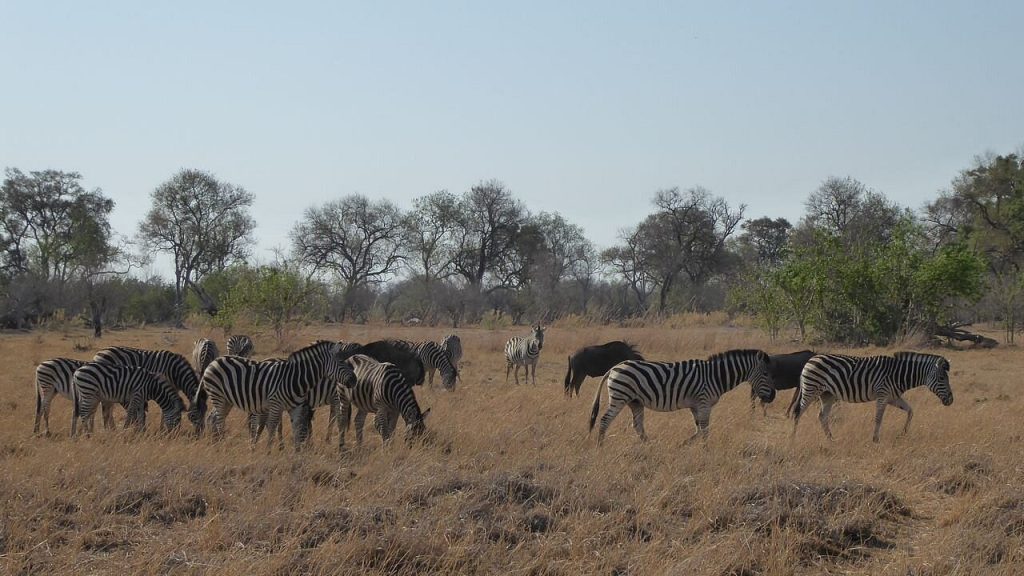
Large herds of elephants and buffalo move through the landscape, alongside giant pods of hippos in the waterways. You can also expect to see giraffes, lions, zebras, cheetahs, and a wide variety of antelope species in all shapes and sizes, creating a constantly dynamic and alive wilderness.

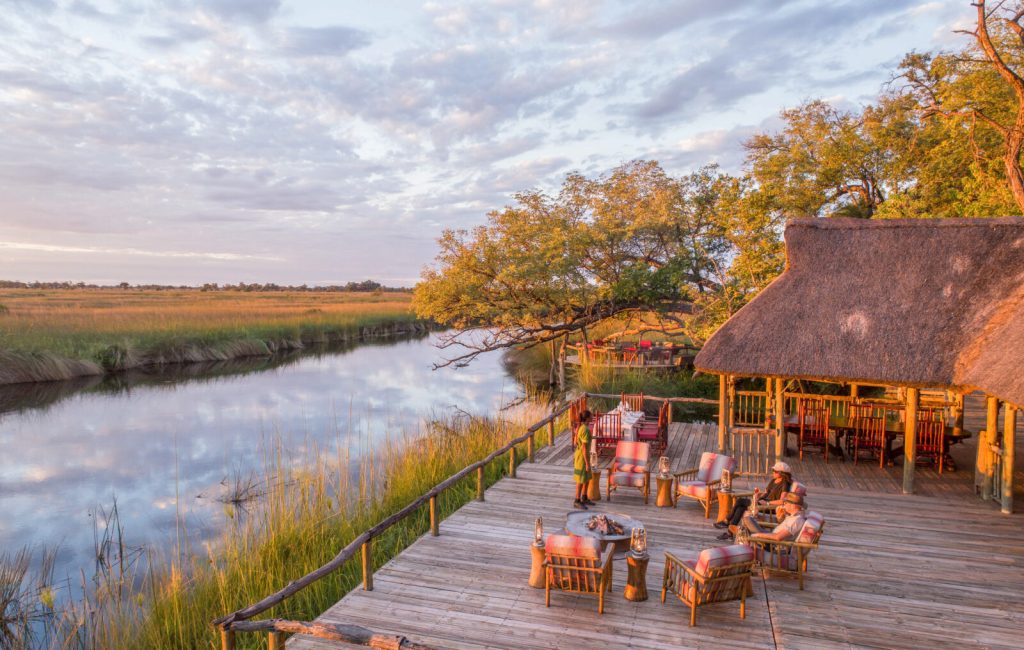
One of the most distinctive features of the Okavango Delta is its water, and there are several exceptional camps that remain surrounded by it throughout the year. These water-based camps do not always offer traditional game drives, with wildlife viewing instead taking place by boat or in a mokoro, a traditional dug-out canoe.

While you may not see as much wildlife from the water, the experience is rich in atmosphere, with outstanding birdlife and a deep sense of peace and stillness. Spending two nights in a water camp adds a beautiful layer of tranquility to any safari.

However, it is important to balance this with a land-based camp as well, ensuring a fuller wildlife experience and avoiding any disappointment.

My Personal Favorite Places to Stay in the Okavango Delta

Machaba Camp
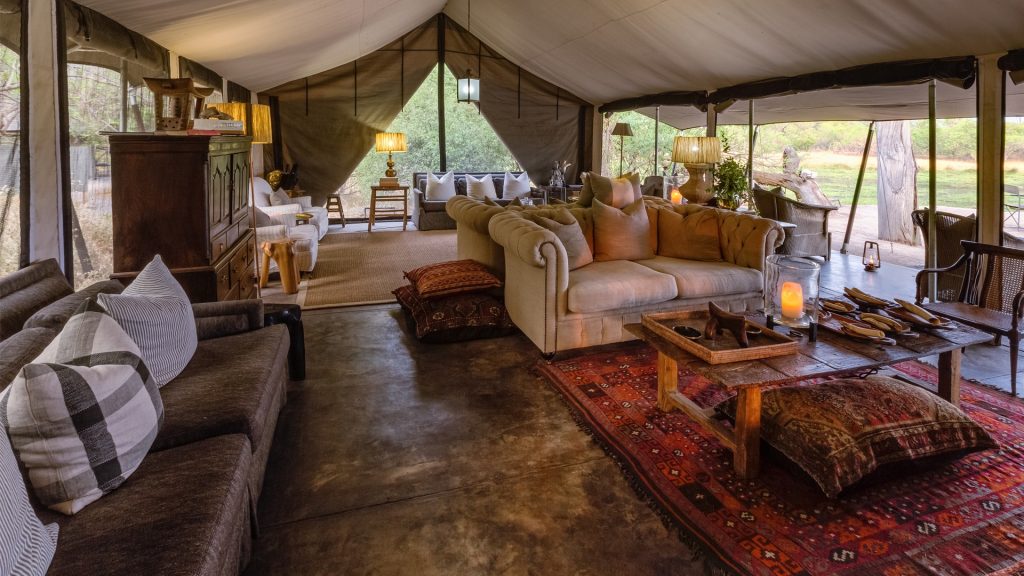
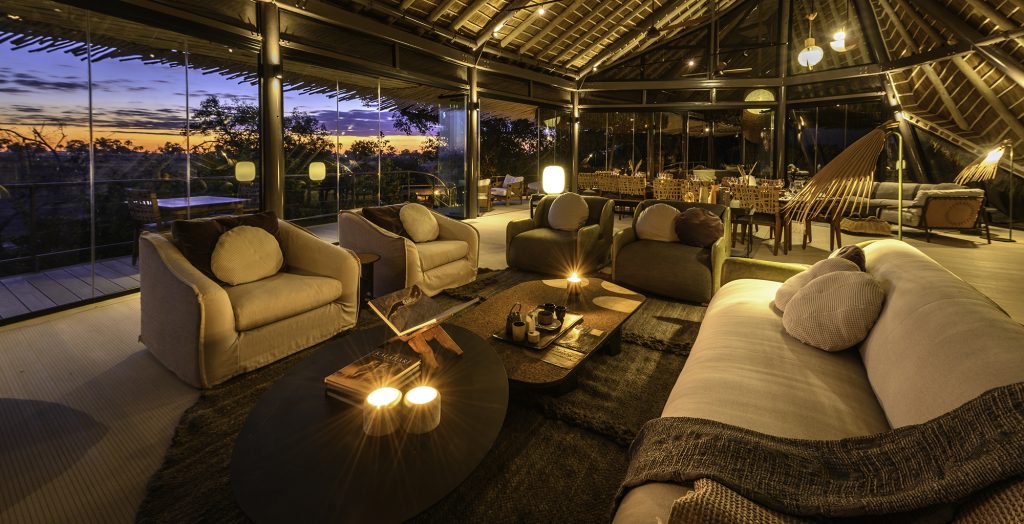
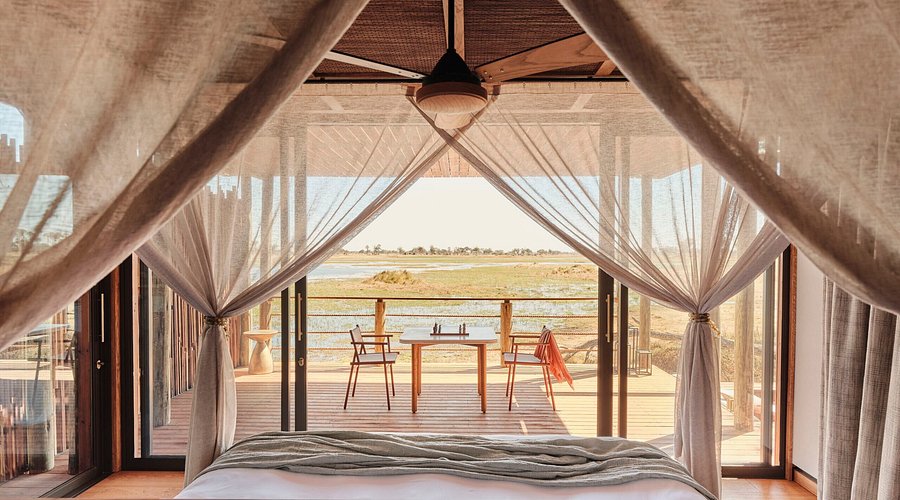
Located in the Khwai Concession, Machaba Camp offers excellent value in a refined yet unfussy style. It is luxurious without unnecessary excess, with outstanding guides and staff, and a strong commitment to eco-friendly practices. Keep an eye out for Little Machaba, which was expected to open around 2015.

The Ultimate Guide to Botswana’s Okavango Delta

Xakanaxa Camp
One of my top bush camps, set in a truly spectacular location within the Moremi Game Reserve. It sits right on the water, offering game drives that pass through an extraordinary variety of landscapes, from lagoons and pools to forests and open plains, all rich with wildlife. The service is warm, the guiding is excellent, and it remains very good value.

The Ultimate Guide to Botswana’s Okavango Delta

Tubu Tree Camp
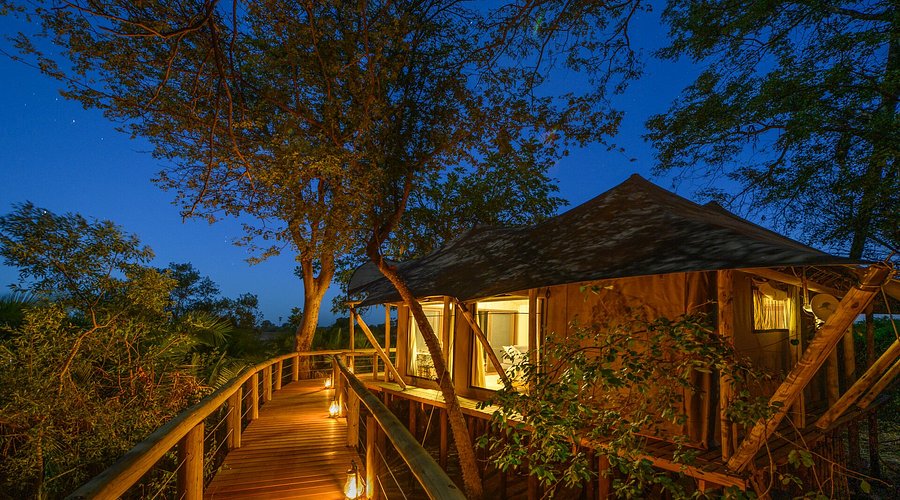
Set on Hunda Island, Tubu Tree and its sister camp Little Tubu deliver outstanding wildlife viewing in a private concession. The camps are beautifully designed, comfortable, and well run, with warm hospitality and some of the best guiding I have experienced. The sleep-out experience here is highly recommended.

The Ultimate Guide to Botswana’s Okavango Delta

Kwestani Camp
A wonderful camp in the Jao Concession, which underwent a refurbishment in 2015 to elevate the experience even further. The management team makes the stay especially memorable, and photography guidance is often available. Guests can enjoy both water activities and game drives across Hunda Island and the wider concession.

Jao Camp
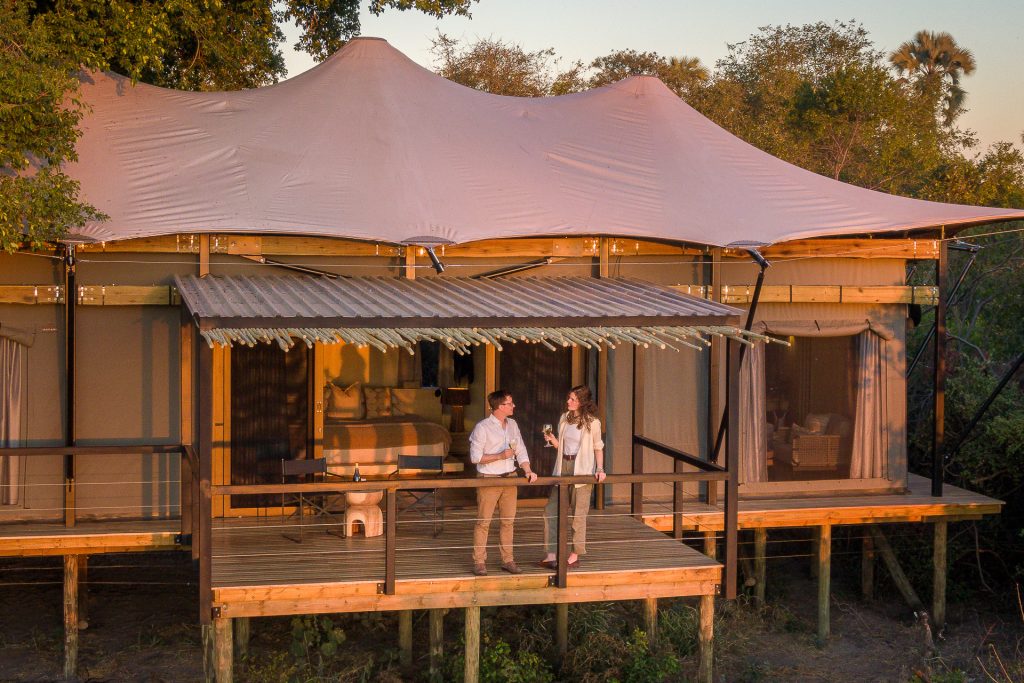
An exceptional luxury camp that many prefer to enjoy at the end of a Botswana journey. It is so beautifully designed that it is easy to forget about game drives altogether, especially with the spa and serene surroundings. The sleep-out experience is excellent, and the food, wine, rooms, and common areas are all outstanding.

The Ultimate Guide to Botswana’s Okavango Delta

Sanctuary Baines
A small and intimate camp known for its unique Elephant Experience. The game viewing is excellent within this private concession, and guests can even sleep under the stars or unwind in a bathtub on a private deck overlooking the wilderness.

The Ultimate Guide to Botswana’s Okavango Delta

Jacana Camp
A charming and intimate water-based camp that has also been beautifully refurbished. Activities focus on mokoro and boat excursions, offering a peaceful way to experience the Delta from the water. Game drives are typically available during the green season from November to March.

The Ultimate Guide to Botswana’s Okavango Delta


Unique Experiences in the Okavango Delta

  • Aerial views of the Delta during light aircraft transfers between camps, offering unforgettable photography moments
  • Elephant experiences at select camps such as Abu and Baines
  • Horseback safaris through the wilderness
  • Visits to heronries, with some camps such as Kanana offering exceptional access
  • Sleep-out experiences under the stars, available at many camps and highly recommended
  • Mokoro and boat safaris through the waterways
  • Catch-and-release fishing for species such as tilapia, catfish, and pike in designated water safar

Frequently Asked Questions

What makes the Okavango Delta so special?

The Okavango Delta is one of the world’s largest inland deltas. Instead of flowing into the sea, the river spreads across the desert. This creates wetlands full of wildlife and beautiful landscapes. You can see rivers, islands, and grasslands in one place. It is a unique safari destination that feels peaceful and wild.

When is the best time to visit the Okavango Delta?

The best time to visit is during the dry season from May to October. Water levels are high, making boat safaris more enjoyable. Animals also gather near the water, making wildlife easier to spot. The weather is cooler and comfortable for outdoor activities. Early booking is recommended because this is the busiest season.

What animals can you see in the Okavango Delta?

The delta is home to elephants, lions, leopards, buffalo, and hippos. You may also see crocodiles, giraffes, zebras, and many antelope species. Bird lovers can enjoy seeing hundreds of colorful bird species. Every safari drive or boat trip offers something different. The variety of wildlife makes every visit exciting.

What activities can visitors enjoy in the Okavango Delta?

Visitors can enjoy game drives, walking safaris, and traditional mokoro canoe trips. Boat safaris offer a quiet way to explore the waterways. Many lodges also provide birdwatching and photography tours. Some camps even offer scenic flights over the delta. These activities help visitors experience nature from different perspectives.

How many days should you spend in the Okavango Delta?

A stay of three to five days is ideal for most travelers. This gives you enough time to enjoy different safari activities. You can explore both the waterways and the dry land. A longer stay also increases your chances of seeing more wildlife. Taking your time allows you to fully enjoy the beauty of the Okavango Delta.

Still have questions?

Our local safari experts are happy to help you plan the perfect African safari.

WhatsApp Us

error:
Scroll to Top


