
Table of Contents
I recently had the unforgettable opportunity to spend a morning with three orphaned elephants and their dedicated caretakers, Doug and Sandi Groves. For more than 25 years, Doug and Sandi have cared for Jabu, Thembi, and Morula, forming an extraordinary bond with these gentle giants.
The elephants live in the heart of Botswana’s breathtaking Okavango Delta, near two renowned safari camps—Sanctuary Baines’ Camp and Sanctuary Stanley’s Camp.
The unique Walking with Elephants experience is exclusively available to guests staying at one of these camps. While it is offered at an additional cost, it is widely considered one of the most memorable wildlife experiences in Botswana. Because spaces are limited, it is highly recommended to reserve your place in advance through your travel advisor or tour operator.
Meeting the Elephants
Your experience begins in a beautiful location in the northern Okavango Delta, where you meet the elephants alongside their dedicated caretakers, Doug and Sandi Groves. An armed safari guide accompanies the group throughout the walk, ensuring everyone’s safety while exploring an area where wildlife may be encountered.
Doug and Sandi introduce each elephant and share their remarkable stories. Jabu, Thembi, and Morula were all orphaned after culling operations in Zimbabwe and South Africa and were rescued as young calves. Over the years, they have developed an extraordinary relationship with their caretakers and have become ambassadors for elephant conservation.
There is plenty of time to take photographs, observe the elephants up close, and ask questions about their lives, personalities, and the incredible bond they share with the people who have cared for them for more than two decades.
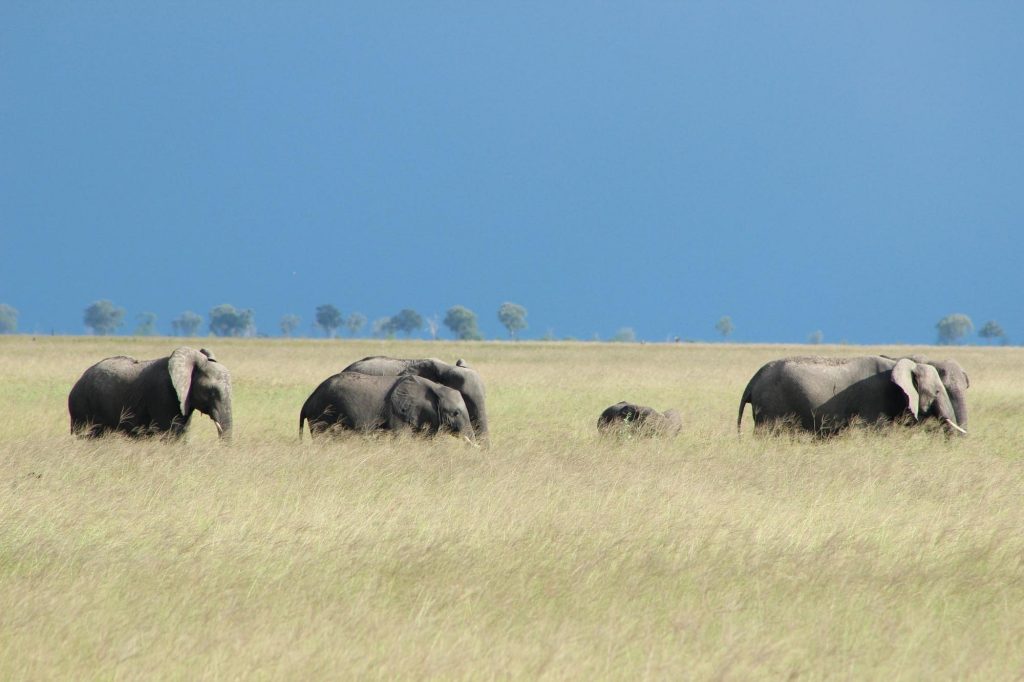
Walking with the Elephants
After the introductions and learning about each elephant, you set off on a walk with them as they forage for food and enjoy a refreshing mud or dust bath. The walk usually lasts around 40 minutes and offers a wonderful introduction to what a walking safari feels like. Experiencing the African bush from an elephant’s perspective is truly unforgettable.
Along the way, Doug and Sandi demonstrate how elephants sleep, use their incredible sense of smell, and skillfully use their trunks to select the tastiest bark and vegetation.
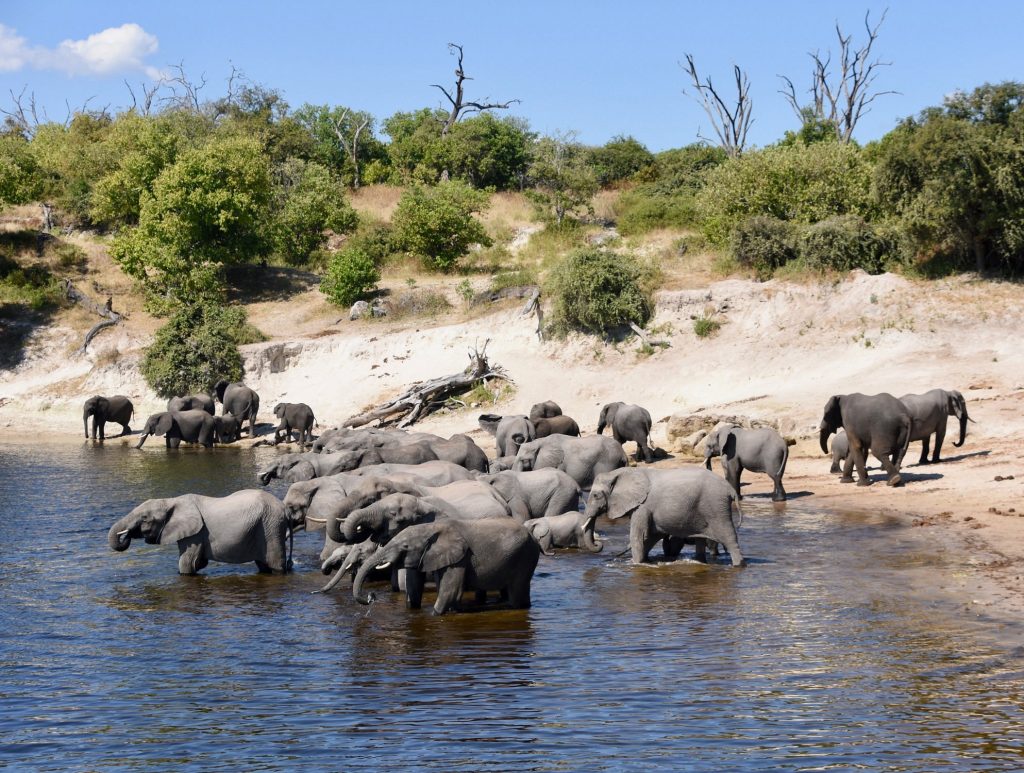
Ourwalk was unexpectedly cut short when a young wild bull elephant came to investigate the orphaned elephants, and Morula decided to follow him deeper into the bush. We remained at a safe distance while Doug calmly ensured that Morula returned safely.
Doug and Sandi regularly encounter curious wild elephants, buffalo, and even lions during the elephants’ daily outings, making every walk a unique and authentic experience in Botswana’s Okavango Delta.
Learning About Elephants
Elephants rarely lie down to sleep. They spend much of their day feeding, moving, and interacting with their surroundings, which makes it a truly special experience to see how they rest. Doug and Sandi have trained their orphaned elephants to lie down on command, offering visitors a rare opportunity to observe this fascinating behavior up close.
This is just one of the many things you learn about elephant behavior during this half-day experience. We had the chance to look inside an elephant’s mouth, see its tongue and large back teeth at close range, and discover how these gentle giants communicate through different sounds, from soft whistles to deep rumbles.
It was also incredible to watch the elephants feeding on their favorite seasonal foods in the surrounding bush and observe the intricate details of their powerful feet, including the rough, textured soles that support their enormous bodies.
Hearing an elephant trumpet from such a close distance was an unforgettable moment—the first time I had ever experienced it without feeling completely overwhelmed. This intimate encounter provides a deeper understanding of these remarkable animals and the unique ways they live, communicate, and interact with the world around them.
Getting Close to Elephants
You haven’t truly experienced the magic of elephants until you have felt the gentle breath of an elephant as it exhales over you. I never imagined I would experience the feeling of three large, powerful, and slightly slobbery trunks wrapping around my head and shoulders.
This is a completely different experience from riding elephants, which I had done several times before. Here, the connection is much more personal and meaningful. You have the opportunity to stand beside these magnificent animals, give them a gentle hug, touch their tails, feel their tusks, and even wipe away a little elephant slobber from your shoulder.
Being so close to these enormous yet gentle creatures is a deeply moving and unforgettable experience. It creates a unique connection between humans and elephants that feels truly special. Needless to say, my son, pictured here, loved every moment of this incredible encounter.
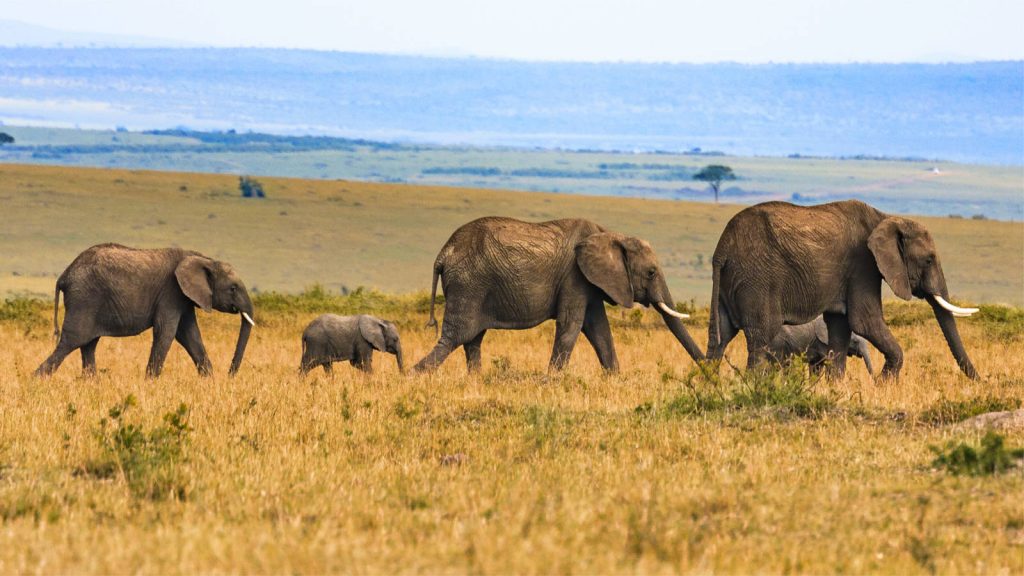
Lunch with Elephants
The experience concludes with a wonderful bush brunch, complete with refreshing mimosas, surrounded by the beauty of the Okavango wilderness. Sandi and Doug join you for the meal, providing the perfect opportunity to ask more questions and learn even more about the elephants and their incredible stories.
As you enjoy your meal, Jabu, Thembi, and Morula remain nearby, peacefully feeding on their own “brunch” of bark, bushes, and other favorite treats from the surrounding bush.
The final moments are especially memorable, as Jabu joins the group for one last photo opportunity. We had the chance to gently hold and hug his trunk while capturing a truly unforgettable memory with these remarkable elephants.
Frequently Asked Questions
Is walking with elephants in the Okavango Delta safe?
Yes, it can be safe when you are with experienced guides. The guides know how to read the elephants’ behavior. They keep a safe distance at all times. You should always follow their instructions. Respecting the animals is the most important rule.
How close can you get to the elephants?
You may get surprisingly close, but never too close. The distance depends on the elephants and the situation. Your guide decides what is safe. The goal is not to touch the elephants. It is to watch them behaving naturally in the wild.
What does it feel like to walk with wild elephants?
It is a peaceful and unforgettable experience. You hear birds, the wind, and the elephants moving through the bush. Watching such large animals on foot feels exciting. Many people say it creates a strong connection with nature. It is a memory that stays with you for years.
What should you wear for an elephant walking safari?
Wear light, comfortable clothes in natural colors like khaki or green. Good walking shoes are very important. Bring a hat, sunscreen, and a water bottle. A small backpack is also useful. Avoid bright colors because they can attract attention.
When is the best time to walk with elephants in the Okavango Delta?
The dry season, from about May to October, is often the best time. The weather is cooler and easier for walking. Animals also gather near water, making them easier to find. Morning walks are especially enjoyable because it is cool outside. Every season is beautiful, but the dry months usually offer the best wildlife viewing.
Still have questions?
Our local safari experts are happy to help you plan the perfect African safari.





