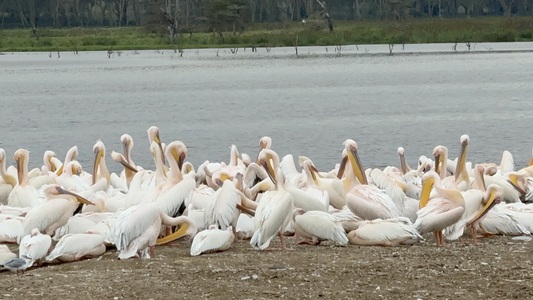
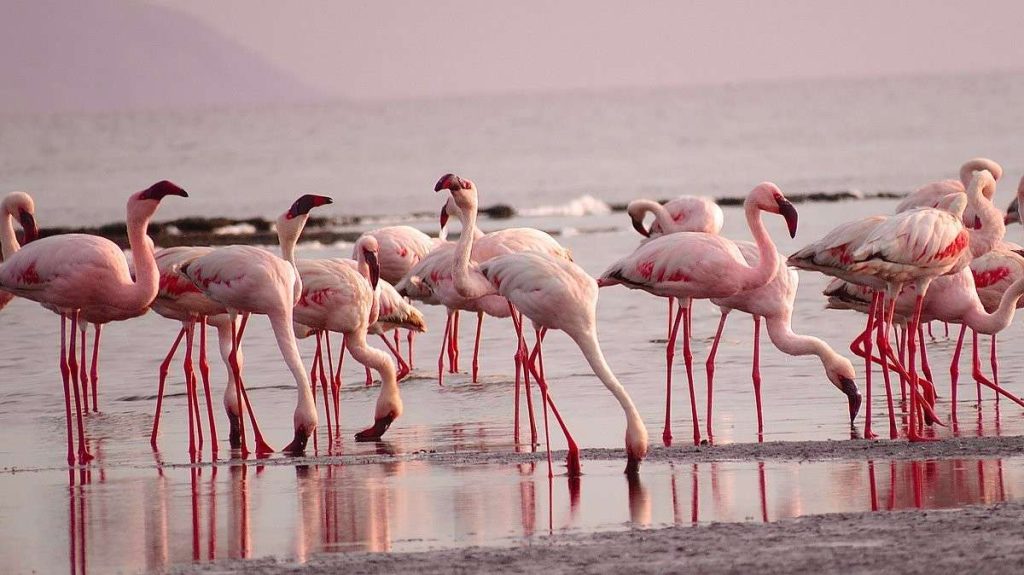
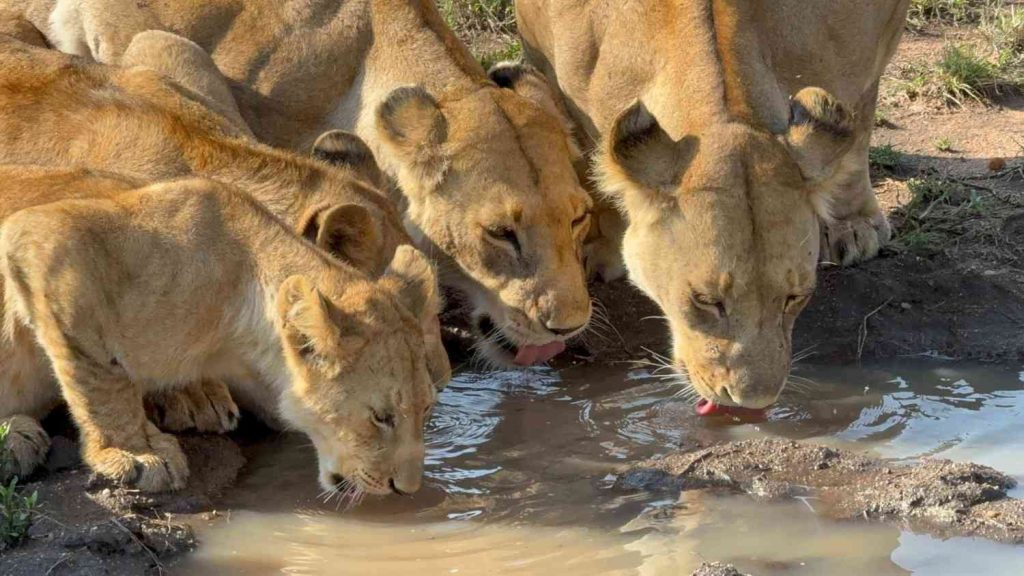
Camping on a Safari Lake Manyara / Ngorongoro / Serengeti will take you to three different National Parks, each with its own unique ambiance and animals. Only canvas separates you from the African night, and you can hear and smell what is happening on outside in the Tanzanian night when you are in bed.
Day 1: Arusha – Lake Manyara
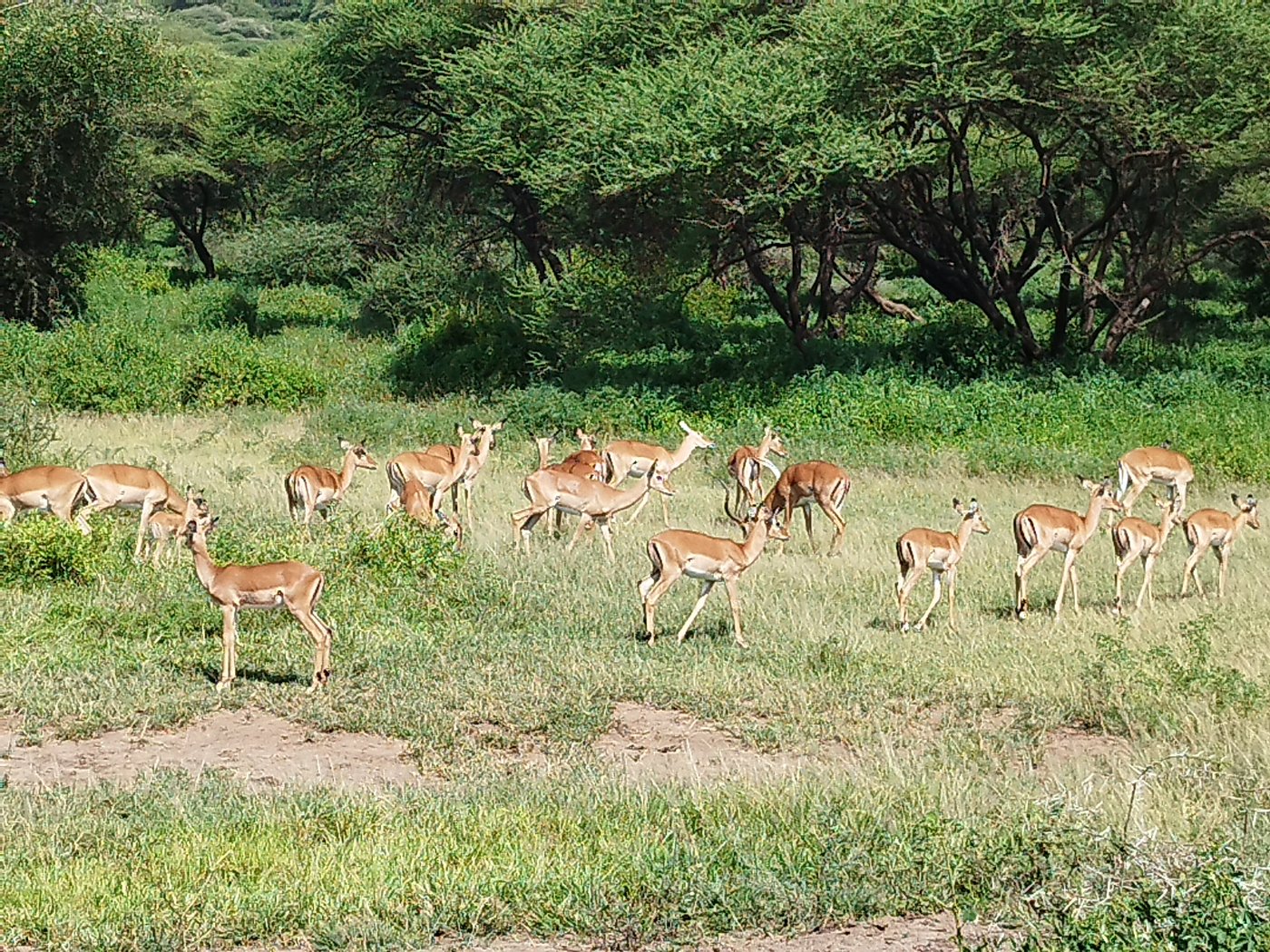
Your safari camping adventure begins with a journey to Lake Manyara. The park, which is located at the base of the Great Rift Valley escarpment, is known for its breathtaking splendor. There are numerous game wildlife to witness, including buffalo, elephant, giraffe, impala, hippo, and more. Overnight at Lake Manyara’s public camping. Lunch and supper are provided.
Day 2: Lake Manyara – Serengeti
After breakfast, you go for the Serengeti National Park. There will be a picnic lunch provided. You will stop along the journey to the Olduvai Gorge, where anthropologists Louis and Mary Leakey produced several important finds that contributed to the notion that human existence started in Africa. After pausing for a picnic lunch upwards on a kopje (rock protrusion) in Serengeti, you will continue on a wildlife drive within the park. Overnight in Seronera Public Campsite in the Serengeti’s Central Serengeti. All meals are provided.
Day 3: Serengeti
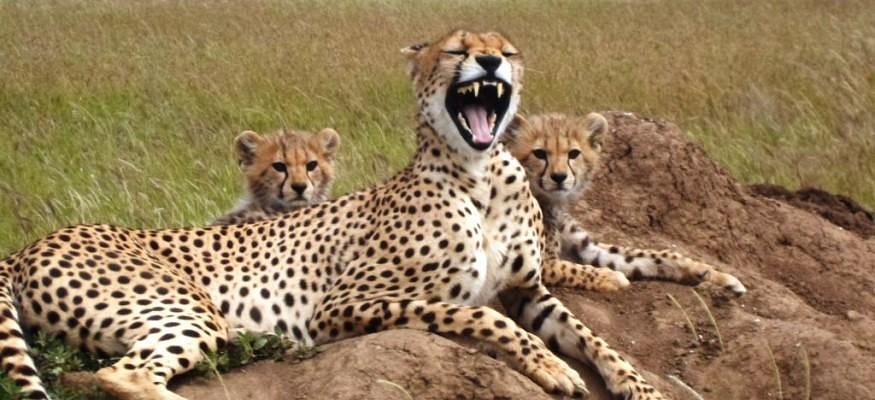
A game drive in the early morning hours of the day to witness nocturnal predators emerging from their hunts and animals waking up is followed by a full day of safaris around the Serengeti. You may expect to witness wildebeest, lions, elephants, giraffes, zebras, monkeys, baboons, hippos, rhinos, antelopes, and many birds and other animals depending on the time of year and the migration of the herds. Overnight in Seronera Public Campsite in the Serengeti’s Central Serengeti. All meals are provided.
Day 4: Serengeti – Ngorongoro
After breakfast, we will drive to the Ngorongoro Conservation Area and descend into the crater for a fantastic wildlife drive (with a picnic lunch) inside the Ngorongoro Crater, which has been designated as a UNESCO World Heritage Site. Because few animals wander in and out of the crater’s 2000-foot-high walls, the Ngorongoro Crater boasts the greatest wild animal population in the world. Lions, elephants, giraffes, zebras, hippos, flamingos, jackals, rhinos, antelopes, and numerous birds are among the species. The ‘Big Five’ may be expected to be seen in a single day. Overnight in Ngorongoro Simba Public Campsite. All meals are provided.
Day 5: Ngorongoro – Arusha
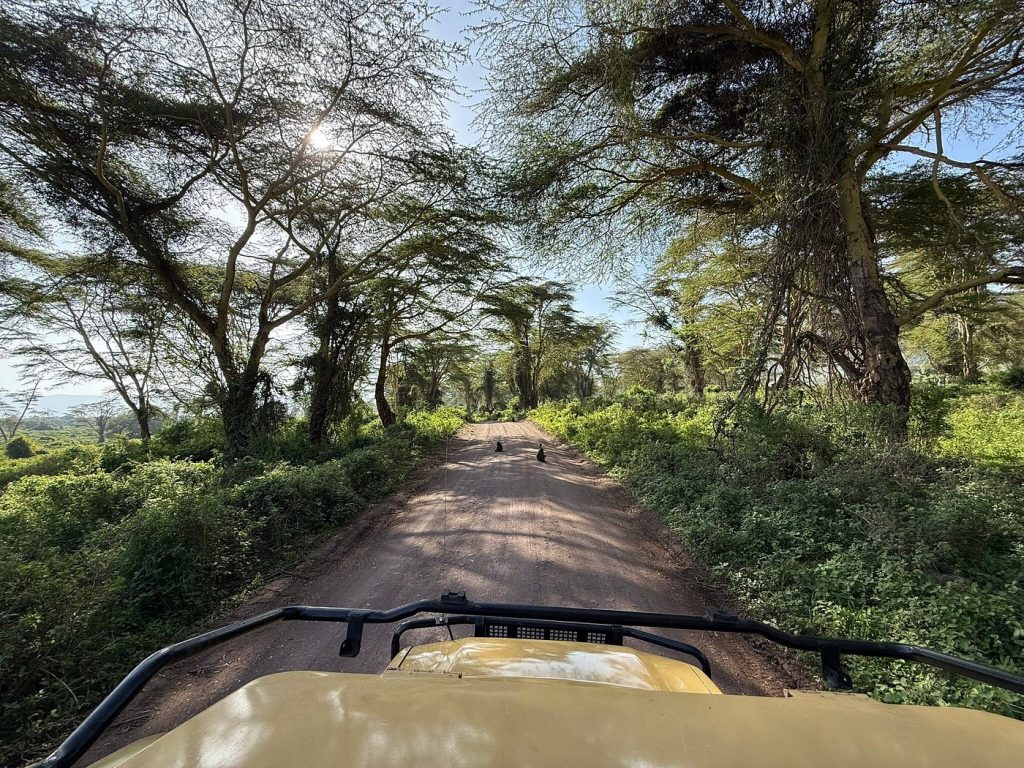
After the morning mist has dissipated (depending on the weather), you proceed on a Nature Walk along the Northern Crater Rim of Ngorongoro Crater, which is home to buffaloes, elephants, baboons, monkeys, and many bird species. You follow animal routes through deep bush while escorted by a ranger or Maasai guide. Following that, you will travel to Arusha, arriving in the early afternoon. Breakfast and a lunch box are supplied.
~ End of Tour ~
From: USD $ 1965
per person sharing

INCLUDED
- 05 days private safari
- Transport and wildlife drives in modified 4WD Land Cruiser or Land Rover with photographic roof hatch
- Services of a professional English speaking safari guide
- All wildlife reserve entry fees
- All game drives as mentioned
- Nature Walk at Ngorongoro
- Camping equipment (tents, mattresses, chairs, tables – pls bring your own sleeping bag)
- 04 overnights at public campsites
- 03 meals per day prepared by an experienced safari chef
- Coffee/tea with picnic lunches
- Flying doctor insurance (first aid on the spot and rescue flights )
- New Tourist Development Levy
- New Wildlife Management Area Fees
EXCLUDED
- All items of a personal nature
- Gratuities for safari guide
- Travel insurance
- Visa fee (50 US$ / 100 US$ for American & Irish Passport holders- to be paid upon arrival)
- Sleeping bag (20 US$ – rental fee)
- Overnights at Arusha before/after the safari
- Laundry
- Drinks & beverages
- Hot Air Balloon Safari (549 USD
Frequently Asked Questions
What does a 5, day Tanzania budget safari usually include?
A 5, day Tanzania budget safari typically covers some of the country’s most famous parks while keeping costs manageable. Most itineraries include visits to Tarangire National Park, Serengeti National Park, and the Ngorongoro Conservation Area. Accommodation is usually in basic campsites or simple lodges, but still comfortable and close to nature. You’ll travel in a shared safari vehicle with a guide and cook in some cases. It’s a great way to experience Tanzania’s wildlife without spending too much.
Is a budget safari still a good wildlife experience?
Yes, a budget safari can still offer an incredible wildlife experience. The parks you visit are the same as those on luxury safaris, so the animals and landscapes are just as impressive. You may not have high, end amenities, but the adventure often feels more authentic and immersive. Many travelers find camping under the stars adds to the excitement. In the end, it’s about the wildlife and the memories you create.
What kind of accommodation should I expect?
On a budget safari, accommodation is usually in public or private campsites. You might stay in tents, sometimes with shared bathroom facilities, depending on the setup. Some itineraries also include budget lodges for a bit more comfort. Meals are often prepared by a safari cook or provided at the campsite. It’s simple, but it gives you a closer connection to the environment.
What should I pack for a 5, day budget safari?
Packing smart is important to stay comfortable during your trip. Bring lightweight clothes in neutral colors, along with a warm jacket for early mornings and evenings. Essentials like sunscreen, insect repellent, and a hat will help protect you from the sun. A flashlight or headlamp is useful if you’re staying at campsites. Don’t forget your camera and binoculars to make the most of the wildlife viewing.
When is the best time to go on a budget safari in Tanzania?
The best time depends on your priorities, but the dry season from June to October is very popular. Wildlife is easier to spot during this time, especially in places like Serengeti National Park. However, the green season from November to May can offer lower prices and fewer crowds. You’ll also enjoy lush scenery and great birdwatching opportunities. Both seasons can provide a memorable safari experience, even on a budget.
Still have questions?
Our local safari experts are happy to help you plan the perfect African safari.