Tarangire National Park is close to Arusha, south of Manyara. The Arusha-Tarangire journey (or vice versa) can be done in 2 to 3 hours without speeding (which is most often impossible anyway, safari 4x4s most often having a limiter at 80 km/h on the engine).
Measuring 120 km in its north-south axis, Tarangire NP is bordered by two reserves, the Lolkisale Conservation Area to the northeast and the Mkungunero Reserve to the south. It is crossed by the Tarangire River which gave it its name and which concentrates on its banks and in its bed a large part of the abimal life of the park, even outside the dry season. Tarangire is a relatively uncrowded park in January and February . It is mainly visited in summer, when the drought attracts large herds of elephants and large populations of wildebeest and zebras to its less water-deprived 2,850 km². It is also a good time for predators of all kinds who are then more easily observed. However, you will never been disappointed by it in January or February, during the short dry season.
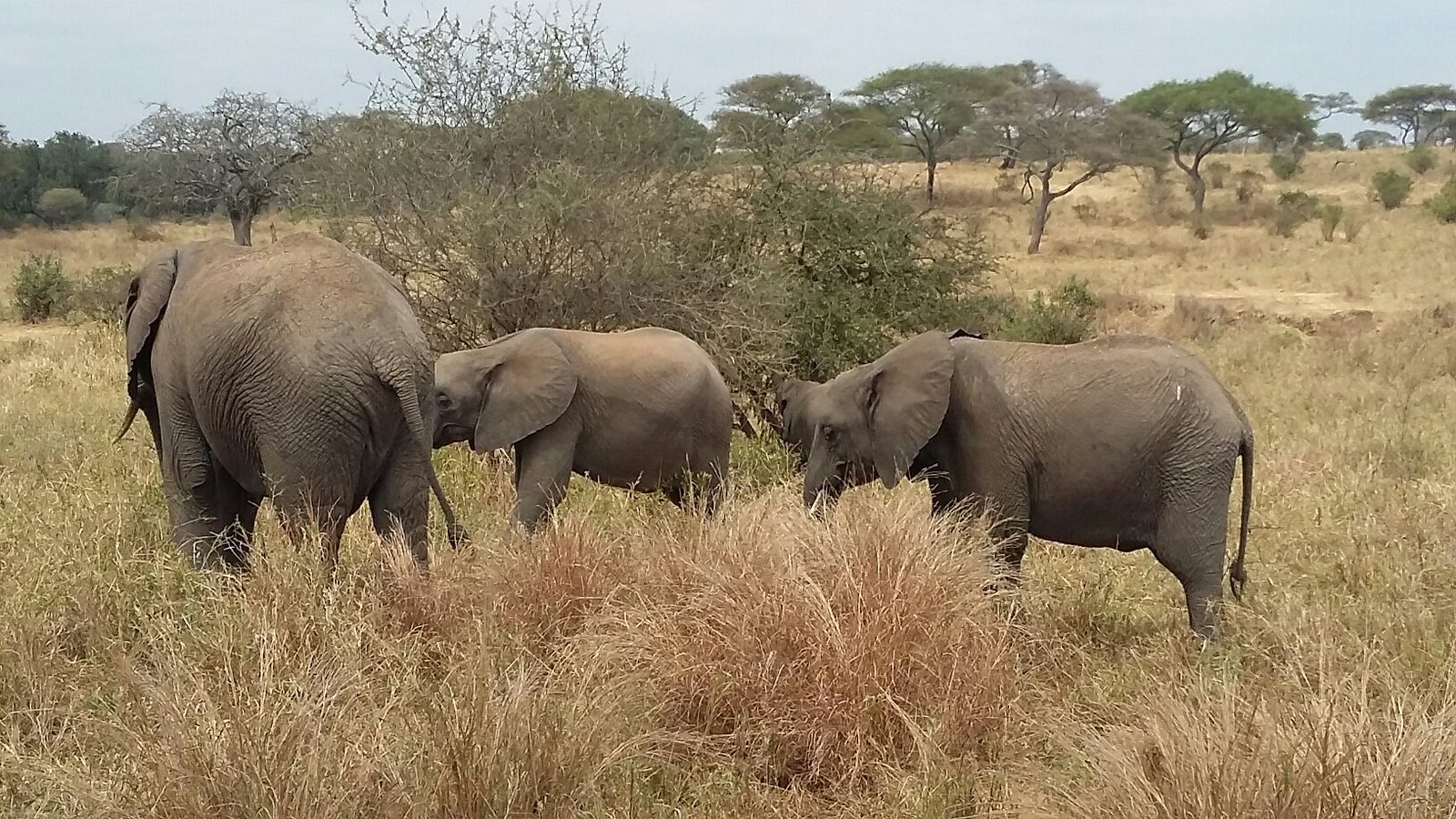
Its richness in fauna places it in second place for density just after the Serengeti (the Ngorongoro crater is “out of competition”). In addition, the animals are easily observed in the dry season when they are even more concentrated in the river bed. It is also richly stocked with red elephants (due to the dust) and baobabs with trunks more or less damaged by the aforementioned pachyderms (who not only “carefully” peel them off and sometimes manage to pierce the enormous trunk).
With an average altitude of 1100 m, the park offers splendid, very varied and hilly landscapes with two large hills to the northwest, Tarangire hill and Kitibong hill, a marshy area to the south, with the Silale marsh. The Tarangire River which crosses the entire park in its north-south axis and which the track crosses and recrosses offers encounters at each arm or bridge: reed bob, jabirus, goliath heron , lions, kingfishers , hyraxes , squirrels , monitor lizard, eagles , pythons , serval, tsetse, oreotragues, dik-diks, ourebs, etc. It is frequented by cob birds (of the crescent variety), elands, oryx and it is the northern park where you can see kudu and sometimes gerenouks. You will see leopards, otocyons hunting termites, lionesses, open beaks and a serval on the edge of Silale. More than 400 species of birds have been recorded there.
Frequently Asked Questions
What is Tarangire National Park known for?
Tarangire National Park is best known for its large elephant herds and iconic baobab trees that dot the landscape. The park has a quiet, less crowded feel compared to some of Tanzania’s more famous parks. During the dry season, animals gather along the Tarangire River, creating excellent wildlife viewing opportunities. The scenery is a mix of open savannah, woodlands, and wetlands. It’s a great place to experience a more peaceful and authentic safari.
What animals can you see in Tarangire National Park?
Tarangire offers a rich variety of wildlife, making every game drive exciting. Elephants are the highlight, often seen in large groups moving through the park. You can also spot lions, leopards, giraffes, zebras, and wildebeest. The park is home to some rare species like fringe, eared oryx and greater kudu. Birdlife is also abundant, with hundreds of species recorded throughout the area.
When is the best time to visit Tarangire National Park?
The best time to visit Tarangire is during the dry season from June to October. At this time, the Tarangire River becomes the main water source, attracting large numbers of animals. This makes wildlife easier to spot and increases the chances of seeing predator activity. The wet season, from November to May, brings lush greenery and fewer tourists. It’s also a great time for birdwatching and enjoying the park’s peaceful atmosphere.
What activities can you do in Tarangire National Park?
Game drives are the main activity in Tarangire, usually done in the early morning and late afternoon. Some areas also allow guided walking safaris, giving you a closer connection to nature. Birdwatching is especially rewarding due to the park’s rich birdlife. You can also enjoy photography, as the landscapes and wildlife provide stunning scenes. The relaxed pace of the park makes it perfect for a more laid, back safari experience.
How do you get to Tarangire National Park?
Tarangire National Park is easily accessible from Arusha, which is the main gateway for northern Tanzania safaris. The drive takes about two to three hours, making it a convenient first or last stop on a safari itinerary. Many travelers combine Tarangire with nearby parks like Lake Manyara and Ngorongoro. You can travel by road in a safari vehicle or arrange a guided tour. The journey offers beautiful views of the countryside along the way.
Still have questions?
Our local safari experts are happy to help you plan the perfect African safari.