
Table of Contents
There’s a lot of competition among safari companies in Tanzania, and prices for similar tours are often very close. The trouble is that there are now so many safaris to choose from, offering similar itineraries and options, that it is not always easy to compare prices. It really depends on what you are looking for. However, it is generally true that the longer your safari, the lower the cost per day tends to be.
Camping Safari Prices
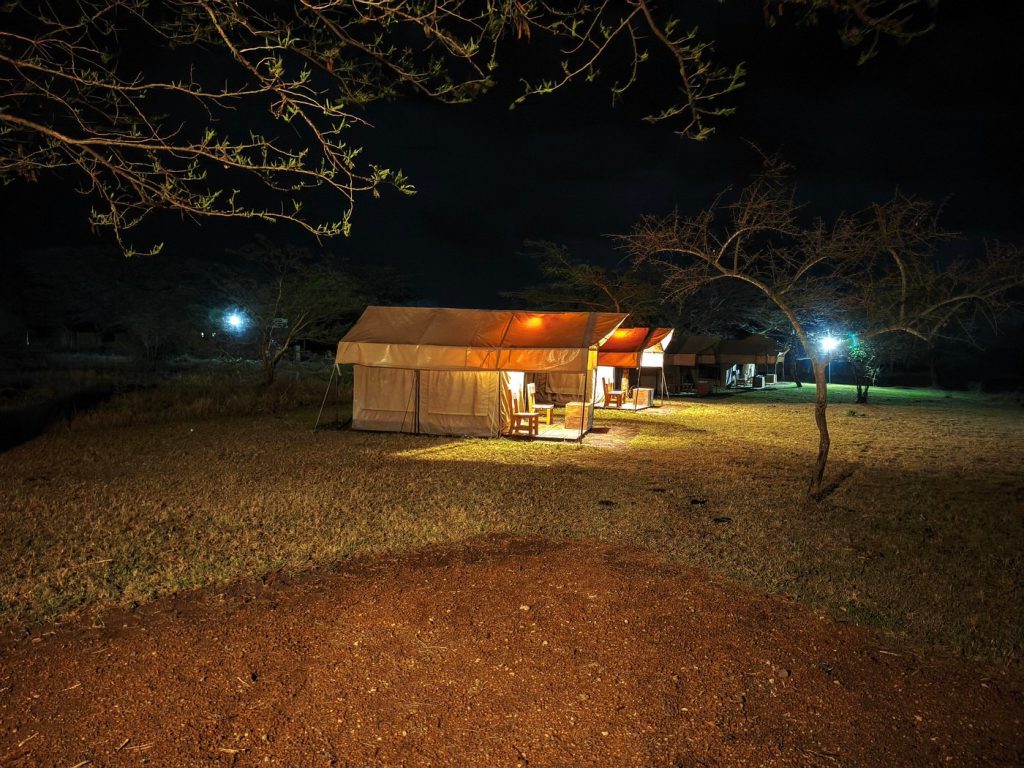
For budget camping safaris, you can expect an all-inclusive price of approximately US$250–US$350 per person per day, depending on the season, itinerary, group size, and parks visited. Longer safaris generally offer a lower daily rate.
The price typically includes transportation in a 4×4 safari vehicle, park entrance fees, camping fees, tents and sleeping equipment, three meals per day, drinking water, and the services of professional guides and cooks. In other words, almost everything is included except personal expenses such as alcoholic beverages, travel insurance, visas, laundry, and tips.
For safaris lasting more than nine days, the daily cost may increase slightly. This is because longer itineraries often visit more remote areas where services are limited, requiring additional logistics, supplies, fuel, and support to be transported over greater distances.
How Much Does it Cost?
The prices for safaris that include stays in lodges or tented camps are considerably higher than camping safaris. As a general guide, you can expect to pay approximately US$450 to US$700 per person per day for mid-range lodge safaris, while luxury tented camps and high-end lodges can range from US$800 to over US$1,500 per person per day, depending on the season, location, and level of exclusivity.
These prices are based on two people sharing a room, tent, or suite. If you prefer private accommodation, you will usually need to pay a single supplement, typically between 20% and 40%, depending on the property.
However, safari pricing is not always straightforward. While these figures can serve as a benchmark, costs vary widely depending on the itinerary, accommodation standards, season, and group size.
For example, a three-day lodge safari to destinations such as Tarangire National Park, Lake Manyara National Park, or Arusha National Park may cost between US$450 and US$700 per person per day. A five-day safari that includes the Ngorongoro Crater and Serengeti National Park may range from US$400 to US$650 per person per day, while longer seven-day safaris often offer better value, with prices generally ranging from US$350 to US$600 per person per day, depending on the level of accommodation selected.
It is always worth comparing different safari operators, reviewing what is included in the price, and selecting an itinerary that best matches your interests and budget. Generally, the more comfort, exclusivity, and services included, the higher the cost.
Accommodation outside the national parks is often reasonably priced. Budget hotels and guesthouses usually provide clean rooms with private facilities, bed linen, and sometimes toiletries. Prices typically start from around US$50–US$100 per night for a single room and US$80–US$150 per night for a double room, although rates vary by location and season. Accommodation can sometimes be less expensive along the coast and in Zanzibar, while Arusha and Dar es Salaam generally have higher rates.
For travelers seeking additional comfort, suite rooms and premium accommodations are also available at higher rates, offering more space, upgraded amenities, and enhanced services.
Restaurant and Drinks Prices
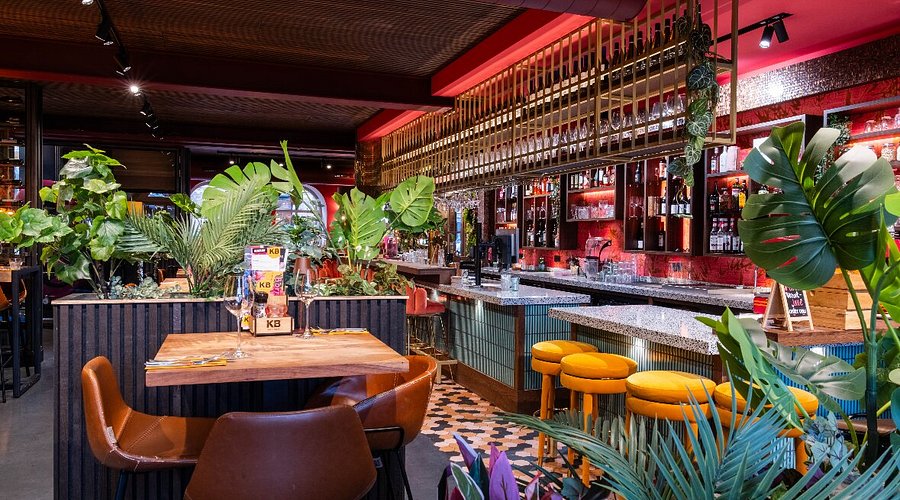
There are plenty of small cafés in every town, usually clustered in specific areas. These cafés mainly serve local food, and you can get a traditional meal for around US$10 to US$20. While the quality can vary, ranging from basic to excellent, they offer an affordable way to experience local cuisine.
For just a little more, Indian restaurants provide great value. Some even offer all-you-can-eat lunch buffets for around US$20, offering generous portions and a variety of dishes that often leave guests satisfied for the rest of the day.
A meal at a higher-end restaurant typically costs between US$50 and US$70, depending on the location and level of service.
The price of beer and soft drinks varies depending on where you purchase them. Supermarkets are the cheapest option, with a beer costing around US$1 (based on an approximate exchange rate of US$1 = TSh 2,700). Using this as a reference, prices are usually about 60% higher in basic bars, slightly more than double in mid-range restaurants or bars, and can be up to eight times higher in luxury five-star hotels.
Public Transport
Public transport in Tanzania is very affordable, and the introduction of modern electric trains is expected to offer even better value and improved comfort in the future.
Travelling across the country, for example, from Arusha to Dar es Salaam, on a semi-luxury bus typically costs around US$20, making it one of the most economical long-distance travel options.
For coastal travel, a fast ferry from Dar es Salaam to Zanzibar costs approximately US$40 per person and takes around 1 hour and 45 minutes, offering a quick and convenient way to reach the island.
Car Hire
Car hire in Tanzania is relatively expensive and is often outside the budget of most budget travelers, especially for self-drive safari options. A 4WD safari vehicle, such as a Toyota Land Cruiser, typically costs around US$200 to US$300 per day, depending on the season, rental company, and whether it includes a driver or not. Fuel is usually charged separately.
If you prefer a smaller vehicle and are not planning off-road safari driving, a Toyota RAV4 or similar SUV generally costs around US$50 to US$100 per day, again depending on availability, rental duration, and season. Overall, 4WD safari vehicles remain the most suitable and commonly used option for national park travel in Tanzania due to road conditions and wildlife access requirements.
Tipping
With a strong and active tourism industry, tipping in Tanzania is generally expected, especially in the safari sector. However, there is no obligation to tip in basic local eateries, budget hotels, public minibuses, or other forms of public transport. In mid-range and higher-end restaurants, a tip of around 5% to 10% of the total bill is customary, depending on the level of service.
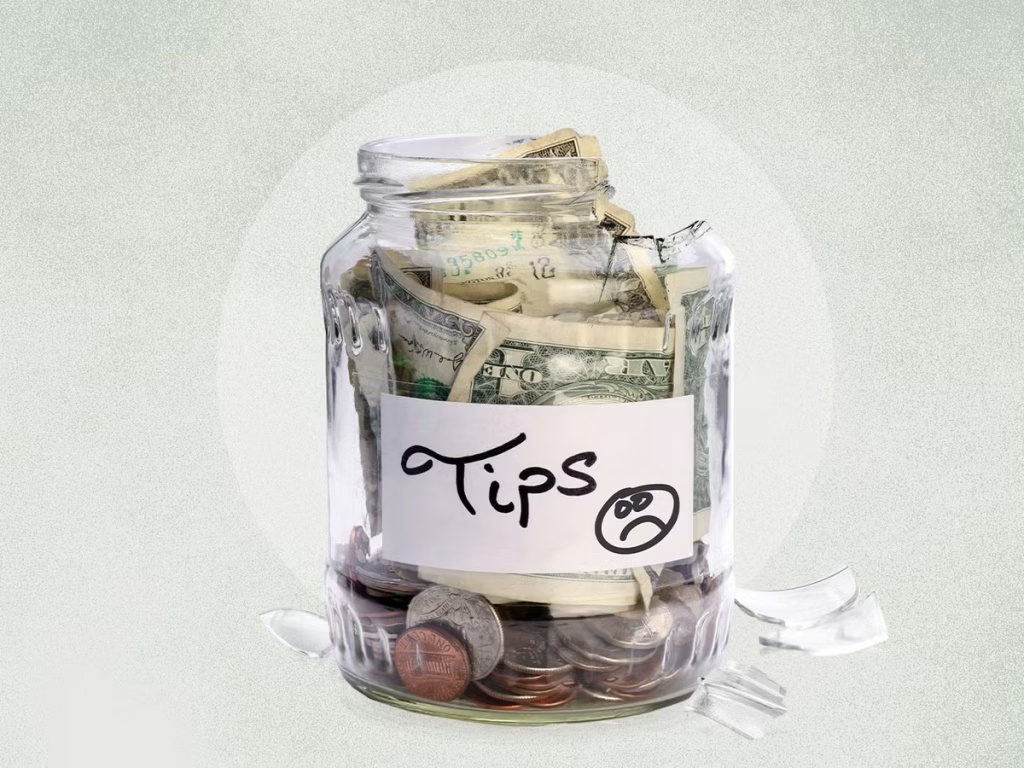
On safari, tipping is an important part of the industry and is widely appreciated. It is common to tip your driver-guide and cook, as most staff in this sector earn modest wages. A general guideline is approximately US$20–US$25 per day per group for a driver-guide, and around US$10–US$15 per day per group for a cook, depending on the quality of service and your level of satisfaction.
All prices on our website are quoted in US dollars, based on an approximate exchange rate of US$1 = TSh 2,700. However, exchange rates may vary, and using foreign currency can sometimes make overall costs more favorable depending on the current market rate. If you are having difficulty planning your safari or Kilimanjaro holiday in Tanzania, please feel free to contact us. Our expert team will be happy to assist you.
Frequently Asked Questions
How much does a budget safari in Tanzania cost?
A budget safari in Tanzania usually costs between $150 and $300 per person per day. This often includes basic accommodation, transport, and park fees. Many travelers choose camping safaris to save money. These trips still offer great wildlife viewing. Budget safaris are ideal for travelers looking for an affordable adventure.
How much should I expect to pay for a mid, range safari?
A mid, range safari normally costs between $300 and $600 per person per day. You can expect comfortable lodges, good meals, and experienced guides. Many popular safari packages fall into this category. It offers a good balance between comfort and cost. This option is popular with couples and families.
Why are luxury safaris more expensive?
Luxury safaris can cost $700 to over $1,500 per person per day. These trips include high, end lodges, private guides, and premium services. Guests enjoy spacious rooms and excellent dining. Some luxury camps are located in exclusive wildlife areas. The extra comfort and personalized experience increase the price.
What factors affect the cost of a Tanzania safari?
Several factors influence safari prices. The time of year, number of travel days, and type of accommodation all matter. Visiting during peak season is usually more expensive. Private safaris often cost more than group tours. National park fees can also affect the overall budget.
Are there extra costs besides the safari package?
Yes, there can be additional expenses during your trip. International flights, visas, travel insurance, and tips are often not included. Some activities may require extra payment. Souvenirs and personal purchases can also add to your budget. It is a good idea to ask your tour operator what is included before booking.
Still have questions?
Our local safari experts are happy to help you plan the perfect African safari.





