
Table of Contents
There are generally two main types of organized safaris in Tanzania: camping safaris and lodge safaris. On a camping safari, you spend the night in tents at designated campsites, while lodge safaris offer accommodation in game lodges or luxury tented camps, providing more comfort and amenities.
Most safaris begin and end in Arusha, although there are some exceptions depending on your itinerary. In addition to transfers to and from Arusha and travel between national parks, your safari will typically include several game drives once inside the parks.
These game drives usually take place two to three times per day, with each lasting around two to two and a half hours. The best times for wildlife viewing are early in the morning and late in the afternoon, when animals are most active and easier to spot in their natural habitat.
The vehicles used for game drives are typically six- to seven-seater 4WD safari jeeps equipped with roof hatches for optimal wildlife viewing, along with Land Rovers or open-sided safari vehicles designed for better visibility and comfort.
As a general rule, there is usually a break in activities between late morning and around 3:00 pm, aside from lunch. During this time, you are free to relax at your lodge or camp.
On camping safaris, however, you are often accompanied by a dedicated driver and safari cook who takes care of all meals throughout your trip, typically preparing breakfast, lunch, and dinner each day of the safari.
Tanzania Camping Safaris
Tanzania camping safaris are designed mainly for budget travellers, adventurous young people (and those young at heart), and anyone willing to embrace a more basic, hands-on safari experience.
These are no-frills journeys, where you trade luxury for authenticity. You won’t typically find conveniences such as flush toilets, running water, or iced drinks. Depending on the route and conditions, the experience can be quite demanding, and guests are often expected to take part and lend a helping hand in camp activities. It’s a raw and rewarding way to experience the wild. You may end your day dusty, sweaty, and close to nature. Showers may be available at some camps, though they are often cold, adding to the true bush experience that camping safaris are known for.
On the other hand, camping safaris offer a truly authentic African bush experience, where at night there is nothing between you and the wild animals except a canvas tent and the fading embers of a campfire. It is not uncommon to hear elephants or hippos moving through or near the camp after dark, and in some areas, even the occasional lion may pass through. While this sounds dramatic, safaris are carefully managed, and guest safety remains a top priority.
Another great advantage of these safaris is the social experience. You are likely to travel alongside people from all over the world, creating a shared adventure with fellow travellers from different cultures. In some truck safaris, you may find a group of up to six or more people, each from different nationalities, all experiencing the journey together.
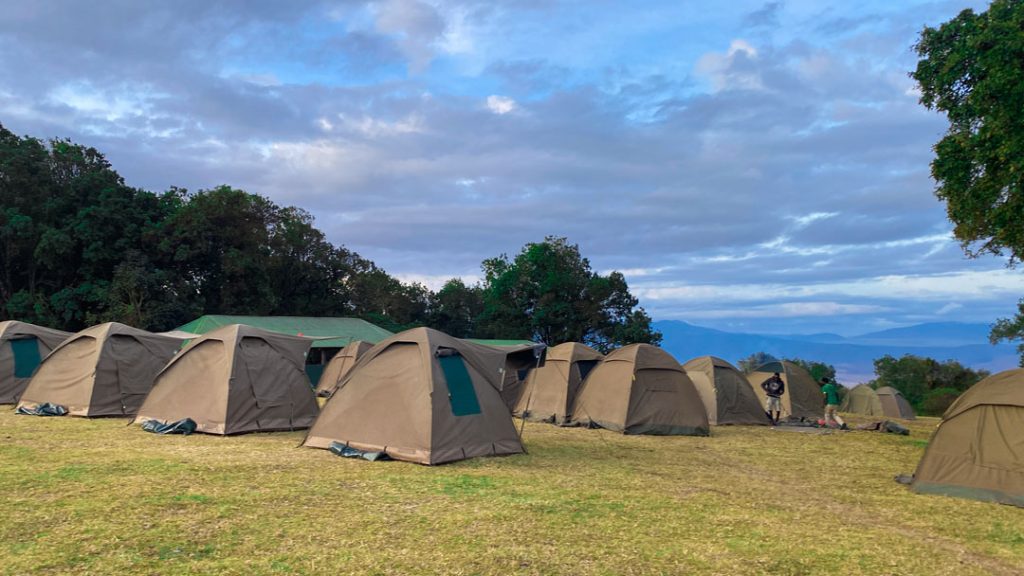
The cost of your safari typically includes three meals a day, prepared by the camp cook(s). On some itineraries, guests may be expected to assist with simple tasks such as meal preparation or cleaning up afterward, adding to the shared, hands-on safari experience.
The food is generally simple but plentiful, offering enough to keep you well-fed throughout your adventure. Most camping safaris also provide essential camping equipment, with the exception of a sleeping bag, which you are required to bring yourself or rent locally before the trip.
The tents provided are typically designed for two people. At Safari Asap, the camp is usually set up in advance by the staff, with tents already pitched and ready upon your arrival.
As a general rule, tents are shared. If you are a solo traveler, you may be paired with another guest of the same safari group. However, if you prefer privacy, you can opt for a single tent by paying a single supplement, usually ranging between 20% and 25% of the safari price.
Mosquito nets are not always provided in camping setups, so it is advisable to bring your own insect protection. This may include mosquito repellent creams, sprays, or coils to help ensure a more comfortable night in the bush.
You’ll need to pack clothing and footwear suitable for both hot days and cooler nights, as temperatures can vary significantly during safari trips. However, baggage allowance is usually limited, so it’s important to pack light and only bring what you truly need. Any excess luggage can often be safely stored at the safari company’s office.
Don’t forget practical essentials such as a torch (flashlight) and a small pocket knife, which can be very useful during camping safaris.
There are also slightly more comfortable, higher-end camping safaris available. These typically use permanent campsites with pre-erected tents equipped with beds, sheets, and mosquito nets. Some even include basic shower facilities, although water availability may sometimes be limited, meaning showers are not always guaranteed for every guest.
At the end of your safari, it is customary to tip your driver-guide and camp cooks. This is an important part of the safari culture, as wages in the industry are often modest and the team will have put significant effort into making your experience memorable.
Being generous and fair with tipping is highly appreciated and goes a long way in supporting those who make your journey possible. It also helps maintain high standards of service for future travelers, ensuring that guides remain motivated and attentive. A positive and respectful gesture at the end of your trip benefits everyone involved, including the travelers who will follow after you.
Tanzania Lodge Safaris
Tanzania lodge safaris are designed for travelers who prefer comfort and luxury between game drives. Accommodation is typically in well-appointed game lodges or luxury tented camps set within or near the national parks.
Across the main safari destinations, you’ll find beautifully designed lodges in stunning locations, offering fully self-contained rooms or private cottages. Guests can expect high-quality international cuisine, a terrace bar serving chilled drinks, swimming pools, and comfortable lounge areas with entertainment facilities.
With attentive staff on hand to cater to your needs, lodge safaris provide a relaxed and refined way to experience Tanzania’s wildlife while still enjoying the adventure of daily game drives.
Many of these lodges are thoughtfully positioned overlooking natural watering holes or salt licks, allowing guests to relax on viewing terraces while watching wildlife come and go throughout the day.
In some cases, these areas are floodlit at night, creating a unique opportunity to observe nocturnal animal activity after dark. Certain lodges may also use bait or salt to attract wildlife to these viewing points. While this practice can feel somewhat artificial, it often provides reliable sightings of animals that would otherwise be difficult to see.
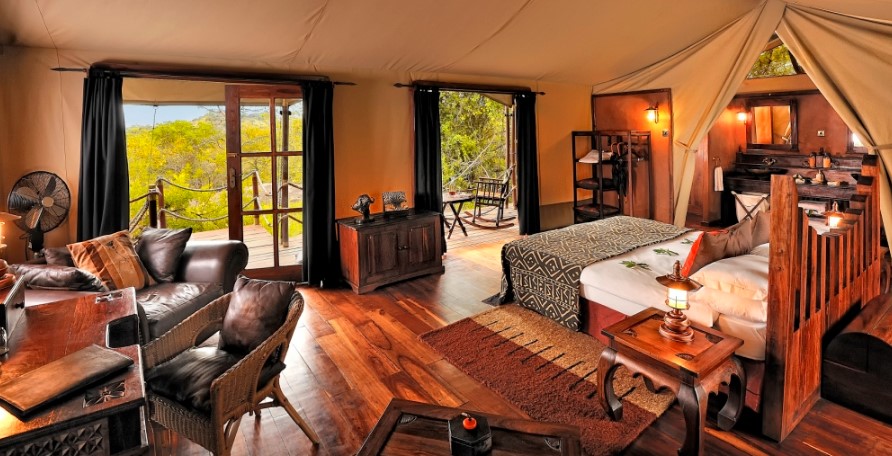
There is, of course, a significant difference in cost between lodge safaris and camping safaris. Most travelers who choose lodge safaris tend to be package tourists with expectations and mindsets that differ from those who opt for more adventurous camping experiences.
For them, it is primarily a holiday focused on comfort and relaxation rather than deep, hands-on immersion in Africa’s people, landscapes, and wildlife. In many ways, it is experiencing the African bush from a distance, in comfort.
That said, if your budget allows, staying at a lodge for part of your safari can be a rewarding contrast, offering a blend of comfort and wilderness experience that enhances the overall journey.
Lodge safaris are significantly more expensive than camping safaris—often costing at least four times as much, and in some cases even more. Luxury tented camps are generally in the same price range as lodges, with the most exclusive options reaching up to four times the cost of standard lodge accommodation.
These experiences are designed for travelers for whom comfort and exclusivity are a top priority, offering a sense of the classic “big-game” safari era—though today the focus is on photography rather than hunting.
If you are unsure which type of accommodation best suits your needs and budget, feel free to contact us for more details and personalized guidance.
Frequently Asked Questions
What is the main difference between a camping safari and a lodge safari?
A camping safari lets you stay in tents close to nature. You can hear wildlife sounds at night and enjoy a more adventurous experience. A lodge safari offers comfortable rooms and more facilities. Many lodges have private bathrooms and dining areas. The choice depends on whether you prefer adventure or comfort.
Is a camping safari safe for first time travelers?
Yes, camping safaris are generally safe when organized by experienced guides. Camps are set up in secure locations. Guides provide safety instructions throughout the trip. Many first time visitors enjoy the experience without any problems. It is a great way to feel connected to the African wilderness.
Why do some travelers choose a lodge safari?
Many travelers choose lodge safaris because they offer extra comfort. After a game drive, you can relax in a cozy room. Some lodges even have pools and beautiful views. They are ideal for families, couples, and travelers who enjoy convenience. A lodge safari can make your trip feel more luxurious.
Which safari option is more affordable?
Camping safaris are usually less expensive than lodge safaris. Accommodation costs are often lower because the facilities are simpler. This allows travelers to enjoy a safari on a smaller budget. Lodge safaris tend to cost more due to added comfort and services. Prices can vary depending on the destination and season.
How do I decide which safari is right for me?
Think about your travel style and expectations. If you love adventure and being close to nature, a camping safari may be the best choice. If comfort and relaxation are important to you, a lodge safari may be a better fit. Consider your budget, travel companions, and personal preferences. Both options offer amazing wildlife experiences and unforgettable memories.
Still have questions?
Our local safari experts are happy to help you plan the perfect African safari.





