
The biggest question for photographers when going on Tanzania photo safaris is what to bring in the way of photographic equipment. It does not matter whether you are a professional wildlife photographer with all the most recent gear or a complete novice yearning to capture the best moments on camera.
A wildlife safari in Tanzania could be an excellent opportunity for you. Photo Safaris to Tanzania are generally excellent holidays to capture the world around you on your film – the country’s impressive scenery as well as the amazing wildlife, which should be your major focus to capture several amazing memories. One thing you have to understand in advance is that Tanzania does not allow off-road driving in its national parks and nature reserves. This means that at times, you may not get as close to animals as you would like.
You can get awesome shots without necessarily having plenty of expensive gear. However, if you currently have a good digital SLR and you want to take absolutely good shots, then a zoom lens is a must to facilitate closer wildlife shots, plus a wide-angle lens to capture the broad and vast African savannah. With luck, at times, the wildlife moves a great deal closer than expected, giving you a rare opportunity to have the type of up-close Safari photos that professionals simply dream about!
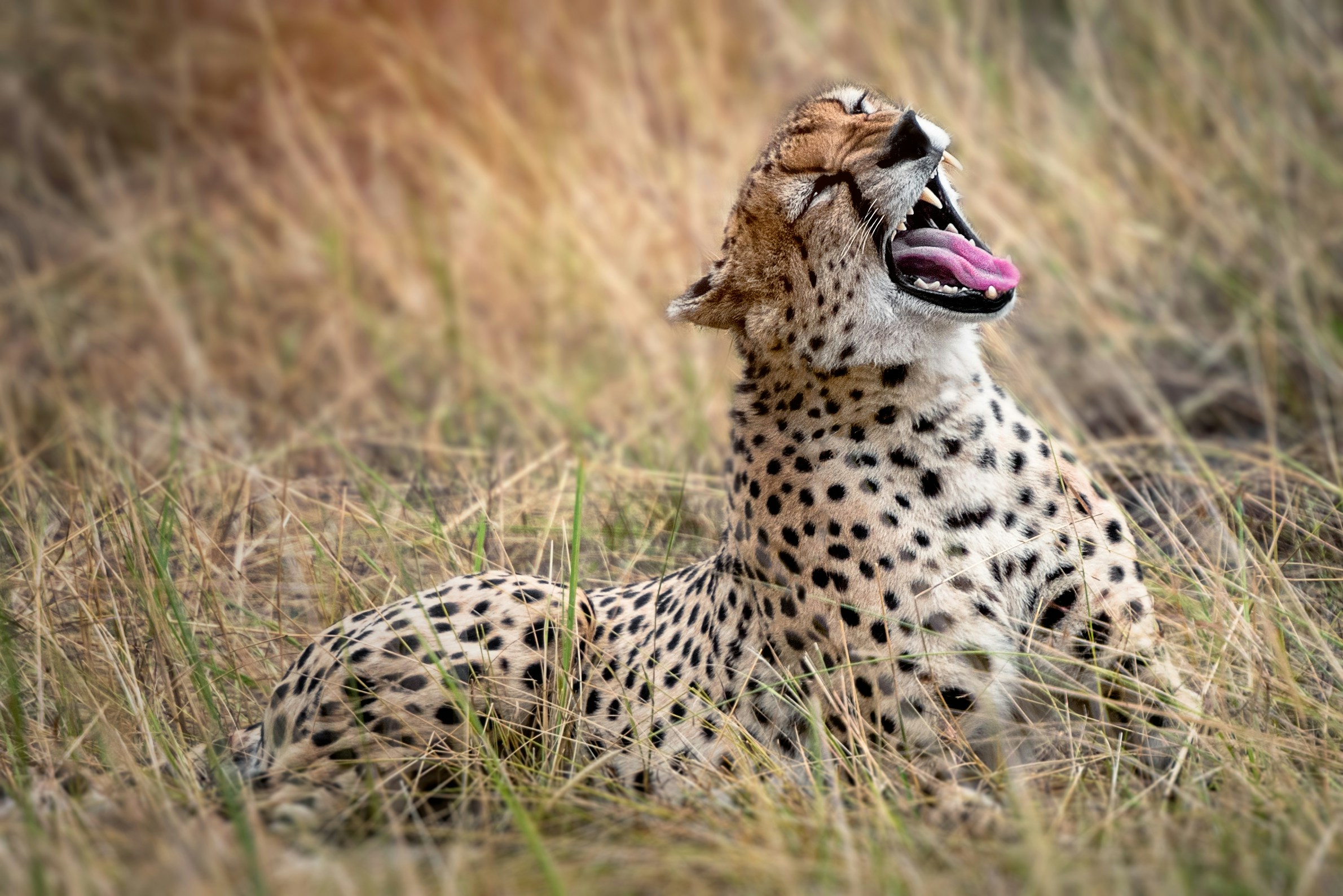
Smart African Travel & Safaris’ guides will be on hand to assist you in taking awesome photographs and will be more than happy to show you several excellent angles plus viewpoints. They will also attempt to get as near as they can without breaking Tanzania National Parks’ rules and regulations.
Their knowledge of all the finest views of the beautiful local surroundings is a bonus. They are very patient and will always stop if you want them to and stay in the same location as long as is required so that you can take your photos at photos at leisure. For wildlife viewing and photography, our custom-made 4×4 safari vehicles are modified Land Cruisers that have pop-top roofs that allow you to stand up rather than just peering through the narrow angle view of a side window.
Will provide beanbags which are ideal for use on a Safari vehicle because they are large enough to support a big and long lens on the rough metal edges of the vehicle’s roof. The beanbags are a must for steadying the long lenses in case you have one, preventing scratches on them.
To make sure that you have photography magic hours, you will take game drives at sunrise and sunset since this is when wild animals are most active. These are also the finest times of the day for several genuinely atmospheric shots. If there’s one thing that can make or break a photograph more than any other, it’s lighting.
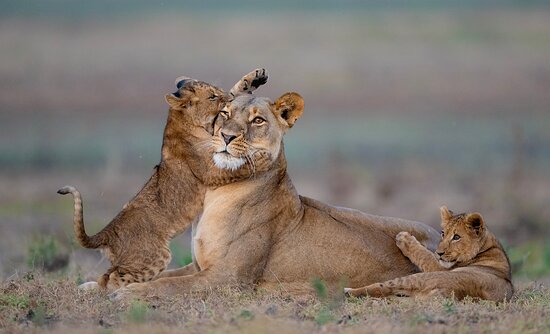
The lighting you will get at daybreak and sunset will enhance your photos into beautiful pieces of art. The first golden hour of the day will begin just before sunrise and continue for about an hour. The second golden hour will begin around an hour before sunset and finish just after. The long shadows, as well as the amazing pinky-orange shine you will get, will make everything appear even more impressive. The light is among Africa’s finest assets – an obvious, clean light which works miracles on photos.
Exceptional extra photographic opportunities on Tanzania photography tours and safaris can consist of hot-air balloon trips in Serengeti and Tarangire National Parks. With a balloon ride, you can voyage across the large African savannah at a splendidly slow pace, normally at daybreak, while conducting game viewing from above.
The Serengeti wildebeest and Zebra migration presents another exceptional photo opportunity with an incredible number of wildebeests all moving at the same time. The wildebeests and Zebras, as they migrate, are followed by the remarkably photogenic predators such as the lions, leopards, and cheetahs. When crossing the Mara River to either enter the Maasai Mara Game Reserve in Kenya or Serengeti National Park in Tanzania, huge crocodiles of the Mara River lie in wait for the wildebeests and Zebras.
Frequently Asked Questions
What are Tanzania photography tours and safaris?
Tanzania photography tours and safaris are specially designed trips for travelers who want to capture stunning wildlife and landscapes through photography. These safaris focus on giving photographers enough time and the best positioning to take great pictures of animals and scenery. Professional guides usually understand lighting, animal behavior, and the best locations for photography. Instead of rushing between places, photography safaris move at a slower pace so guests can wait for the perfect moment. This makes them ideal for both professional photographers and beginners who want to improve their skills.
Why is Tanzania a great destination for photography safaris?
Tanzania is one of the best photography destinations in Africa because of its incredible wildlife and diverse landscapes. Places like the Serengeti, Ngorongoro Crater, and Tarangire offer amazing opportunities to photograph animals in their natural environment. The famous Great Migration provides dramatic scenes of thousands of wildebeests and zebras crossing rivers and plains. Tanzania also has beautiful lighting conditions, especially during sunrise and sunset, which photographers love. These natural advantages make it a dream destination for wildlife photography.
What kind of animals can photographers capture on a Tanzania safari?
Photographers visiting Tanzania can capture an incredible variety of wildlife. The country is home to the Big Five animals: lions, elephants, leopards, buffalo, and rhinos. Large herds of zebras, giraffes, wildebeests, and antelopes also provide great photographic opportunities. In places like the Serengeti, photographers may even witness dramatic predator hunts or river crossings. With so many animals living in open landscapes, it becomes easier to capture powerful and memorable images.
What equipment should you bring for a photography safari in Tanzania?
For a Tanzania photography safari, it is helpful to bring a good camera and a telephoto lens to capture wildlife from a safe distance. Lenses with a focal length of around 200, 400mm are commonly used for animal photography. A wide, angle lens can also be useful for landscapes and dramatic scenery. Extra memory cards, spare batteries, and a protective camera bag are also important for long safari days. Being well prepared with the right equipment helps photographers make the most of every wildlife encounter.
When is the best time for a photography safari in Tanzania?
The best time for a photography safari in Tanzania depends on the type of images travelers want to capture. The dry season from June to October is popular because wildlife gathers around water sources, making animals easier to photograph. This period also offers clear skies and beautiful golden light during sunrise and sunset. If photographers want to capture the Great Migration, timing their visit between different months in the Serengeti is important. Each season provides unique photographic opportunities, making Tanzania an exciting destination year-round.
Still have questions?
Our local safari experts are happy to help you plan the perfect African safari.





