
Lake Natron is an endorheic salt lake located in the Rift Valley, more specifically in the Arusha region, very close to the border with Kenya. A truly curious natural place from which chlorine, sodium and magnesium salts are extracted. Its waters are dyed red due to the proliferation of algae and only the fish Alcolapia alcalica can live there, which have managed to adapt to its harsh conditions, and some flamingos, which feed on the algae.
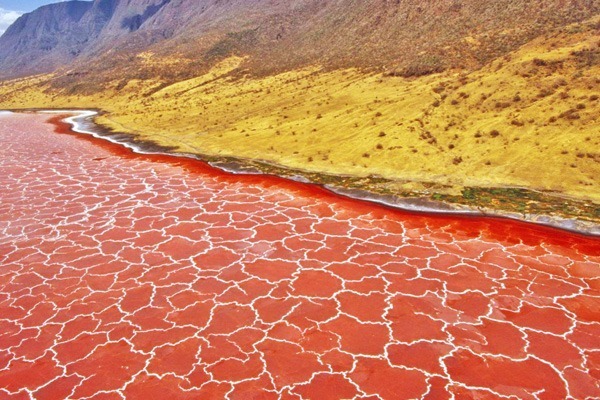
56 kilometers long and 22 wide, Natrón is 610 meters above sea level. It is so alkaline that its PH value can even exceed 12, a figure that causes burns to the skin and eyes of the animals that approach it, since its waters are at a temperature of 60 degrees Celsius. Despite its serenity, the main cause of the presence of these chemical elements is the proximity to the stratovolcano Ol Doinyo Lengai (The Mountain of God).
In view of all this, it can be assured with complete certainty that we are facing an inhospitable place far from anywhere. Without going any further, only the Masai tribe has been able to extract benefits from it. It might not be a pleasant destination for tourists, however its beauty is impressive.
Precisely, Lake Natron is a compound of salts and minerals that mainly contains sodium bicarbonate and sodium carbonate. This element, which comes from volcanic ash, is responsible for raising the alkalinity of the lake to its maximum. In such a way that it is considered one of the deadliest lakes in the world. Most animals that come close die from poisoning or suffer severe consequences if they do not adapt.
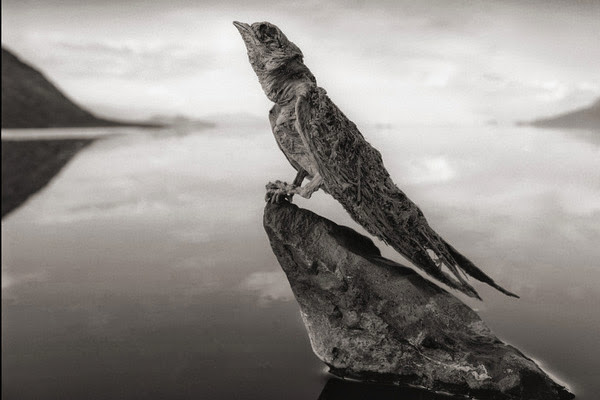
There are researchers who claim that it is the strange reflection produced by the surface of the lake that confuses these animals, especially the birds, who fly in and crash into the waters at more than 60 degrees Celsius, causing their death. Although the truth is that no one knows with certainty the main cause why so many dead animals appear around.
Last year, Lake Natron was widely known through social networks thanks to photographers of petrified animals in its waters. In them you could see birds, fish and swans that seemed to have turned into stone in contact with the water, but the truth is that they are dead animals that lie scattered around the surroundings after having been in contact with the lake for a long time.
It is precisely the extreme content of sodium bicarbonate that is responsible for perfectly preserving the bodies of the dead animals around the lake, giving them that petrified appearance that was so surprising in photos. According to the photographer himself, it was one of the most disturbing spectacles of his life. To tell the truth, the landscape must be desolate and fascinating at the same time.
Frequently Asked Questions
Why is Lake Natron called the “Gate to Hell”?
Lake Natron earned this dramatic nickname because of its extreme and otherworldly environment. The water is highly alkaline, sometimes reaching a pH similar to ammonia, which can be dangerous to most animals. High temperatures and mineral, rich waters give the lake a harsh, almost alien appearance. At times, the lake turns shades of red and orange due to microorganisms that thrive in these conditions. Despite its intimidating name, it is also one of the most fascinating natural places in Tanzania.
Is Lake Natron dangerous to visit?
Lake Natron can be dangerous if you don’t follow proper guidance, but it is safe to visit with an experienced guide. The water can cause irritation or burns if you step in it without protection. The surrounding area is extremely hot and dry, so hydration and sun protection are essential. Visitors are usually guided to safe viewpoints and walking paths. With the right precautions, it becomes a unique and rewarding destination.
What wildlife can be found at Lake Natron?
Despite its harsh conditions, Lake Natron is an important breeding ground for flamingos. Thousands of lesser flamingos gather here because predators struggle to survive in the alkaline waters. The lake provides a safe environment for nesting and raising their young. You may also see other birds and some adapted wildlife in the surrounding areas. It’s a surprising reminder that life can thrive even in extreme environments.
What can you do when visiting Lake Natron?
There are several activities that make a visit to Lake Natron unforgettable. You can take guided walks along the lake’s edge to admire its unusual colors and landscapes. Hiking to nearby waterfalls, such as those in the surrounding escarpments, is also popular. The views of Ol Doinyo Lengai, an active volcano, add to the dramatic scenery. Photography is a major highlight due to the lake’s unique textures and colors.
When is the best time to visit Lake Natron?
The best time to visit Lake Natron is during the dry season, from June to October, when access roads are easier to navigate. This is also a good time to see large flocks of flamingos. The wet season can make travel more challenging due to muddy roads. However, the lake’s colors can be especially vivid after rains. Planning your visit carefully ensures a more comfortable and enjoyable experience.
Still have questions?
Our local safari experts are happy to help you plan the perfect African safari.





