
Table of Contents
Tips for Money Safety while travel in Tanzania
There is no ‘safe’ way to keep your money while you’re travelling in Tanzania, but the best place is in contact with your skin where, hopefully, you’ll be aware of a bad guy hand before your money disappears. One method is to wear a leather pouch hung around your neck and kept under a shirt or dress. If you do this, incorporate a length of old guitar string into the thong which goes around your neck (the D string should be thick enough). Another method is to sew an invisible pocket inside the front of your trousers.Many travellers prefer a money belt, though I’ve never been able to understand the rationale for this. First and foremost, it’s obvious where your money is. Secondly, it labels you as a tourist and, therefore, someone who doesn’t know too much about the place. This is the balm to the eyes of a thief or a mugger. So why make it easy? Not only that but in order to pay for something, you have to open it up and display the bulk of your wealth. You can be sure someone will be watching. A sillier invention you will come across.
All to say is that if you do wear one, keep some small change distributed around various other pockets to pay for things like buses, newspapers, beers, souvenirs etc. Ideally, your passport should be in the same place that you keep your money, but this isn’t always possible, as some are either too thick or too stiff, Wherever you decide to put your money, it’s a good idea to enclose it in a plastic bag.
Under a hot sun, that pouch or pocket will get soaked with sweat — repeatedly — and your cash or cheques will end up looking like they’ve been through the laundry. And one last thought: do you know where Tanzania taxi drivers keep their money? All over their body! Shoes, pockets, underpants — you name it so there you go.
Tips for Bargaining in Tanzania
Many purchases involve some degree of bargaining. This is always the case with things bought from a market, street stall or craft shop. Bargaining may also be necessary for hotels and transport in some places, though these are often fairly standard and you won’t be paying any more than the local people. Food and drink bought at restaurants don’t usually involve any bargaining the prices will be written on the menu.
Where bargaining is the name of the game, commodities are looked on as being worth what their owners can get for them. The concept of a fixed price is also there. If you cop out and pay the first price asked, you’ll not only be considered a rich person but you’ll be doing your fellow travellers a disservice since this will create the impression that all travellers are rich and are willing to pay outrageous prices. You are expected to bargain – it’s part of the fun of going to Africa. All the same, no matter how good you are at it, you’ll never get things as cheaply as local people do. To traders and hotel and café owners, you represent wealth – whatever your appearance.
In most cases, bargaining is conducted in a friendly, sometimes exaggeratedly extroverted manner, though there are occasions when it degenerates into a bleak exchange of numbers and leaden handshakes. Decide what you want to pay or what others have told you they’ve paid, and start off at a price at least 50% lower than this. The seller will inevitably start off at a higher price, sometimes up to 100% higher, than they are prepared to accept. This way you can both end up appearing to be generous.
There will be times when you simply cannot get a shopkeeper to lower the prices to anywhere near what you know the product should be selling for. This probably means that a lot of tourists are passing through and if you don’t pay those outrageous prices, some mug will. Don’t lose your temper bargaining. There’s no need to. You can always walk away and come back another day or go to a different shop. It’s just theatre.
Frequently Asked Questions
What currency is used in Tanzania?
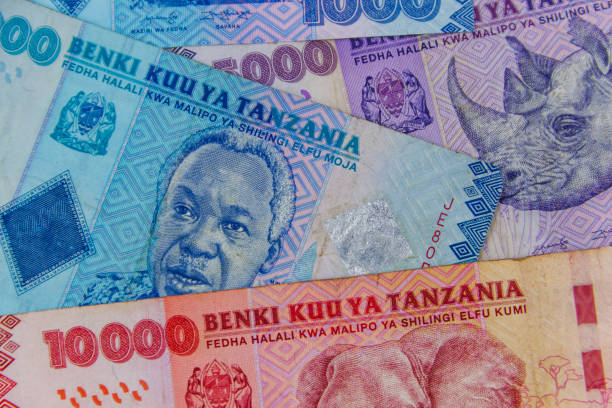
The official currency used in Tanzania is the Tanzanian Shilling. Most local markets, small shops, and taxis prefer payments in shillings rather than foreign currencies. However, U.S. dollars are widely accepted in hotels, safari lodges, and tour companies. It is always a good idea to carry some local cash for everyday purchases. Many travelers exchange money at banks, airports, or reputable exchange bureaus.
Is bargaining common in Tanzania?
Yes, bargaining is a normal part of shopping in many local markets and street stalls. Vendors often expect a friendly negotiation, especially when selling souvenirs or handmade crafts. The key is to keep the conversation polite and respectful while discussing the price. Bargaining is usually done with a smile and a relaxed attitude. In larger stores or supermarkets, however, prices are usually fixed.
Where can travelers exchange money in Tanzania?
Travelers can exchange money at banks, airports, and official foreign exchange bureaus in cities like Dar es Salaam and Arusha. Exchange bureaus often offer better rates than hotels or airports. It is always best to avoid exchanging money with street dealers for safety reasons. Many towns also have ATMs where visitors can withdraw local currency. Using trusted places ensures a safe and fair exchange.
Can visitors use credit cards in Tanzania?
Credit cards are accepted in many large hotels, restaurants, and safari lodges. However, smaller businesses, local markets, and taxis often accept only cash. Some places may also charge a small fee for card payments. Because of this, it is wise to carry both cash and a card while traveling. Having local currency makes daily transactions much easier.
What are some tips for bargaining respectfully?
When bargaining in Tanzania, it is important to stay friendly and patient. Start by asking the price and then offer a lower amount while keeping the conversation polite. Vendors usually appreciate a respectful and cheerful approach. If the price feels fair to you, it is perfectly okay to accept it. Remember that buying local products also helps support communities and artisans across Tanzania.
Still have questions?
Our local safari experts are happy to help you plan the perfect African safari.





