
It’s probably true to say that most Tanzanians outside the coastal and eastern provinces are Christians of one sort or another whilst most of those on the coast and in the eastern part of the country are Muslim. Muslims make up some 30% of the population. In the more remote tribal areas, you’ll find a mixture of Muslims, Christians who make 35% and those who follow their ancestral tribal beliefs who prefer to worship the ancient spirit of their choice and they make 35% of the population. Principal amongst them are the Maasai, who place their faith in the god Engai and his Messiah, Kindong’oi, from whom their priests are descended. Worship is conducted under special fig trees or at Ol Doinyo Lengai, the mountain of God.
As a result of intense missionary activity from colonial times to the present, just about every Christian sect is represented in Tanzania, from Lutherans to Catholics to Seventh Day Adventists and Orthodox and Anglican. The success which all these sects have enjoyed would be quite mind-boggling if it were not for the fact that they have always judiciously combined Jesus with education and medicine — two commodities in short supply until recently in Tanzania. Indeed, there are still many remote areas of Tanzania where the only place you can get an education or medical help is at a mission station and there’s no doubt that those who volunteer to staff them are dedicated people.
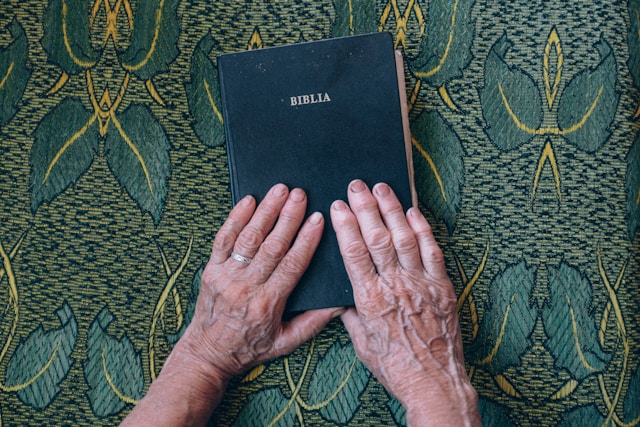
On the other hand, the situation is often not as simple as it might at first appear. As with Catholicism in Central and South America which found it necessary to incorporate native deities and saints into the Roman Catholic pantheon in order to placate local sensibilities, African Christianity is frequently syncretic. This is especially so where a tribe has strong ancestral beliefs. There are also many pure home-grown African Christian sects which owe no allegiance to any of the major Western cults. The only thing they have in common is the Bible though their interpretation of it is often radically different. It’s worth checking out a few churches whilst you’re in Tanzania if only to get an understanding of where the religion is headed and even if you can’t understand the language which is being used, you’ll certainly be captivated by what only Africans can do with such beauty and precision — unaccompanied choral singing.
The upsurge of home-grown Christian sects has much to do with the cultural resurgence, the continuing struggle against neocolonialism, and the alienation brought about by migration to urban centres far from tribal homelands in search of work. Some of these sects are distinctly radical and viewed with alarm by the government.
It isn’t just the radical sects which worry the government, however. During the agitation for the introduction of a multiparty political system, even mainstream church leaders took to criticising the government from the relative safety of their pulpits. Many were denounced and some came so close to the bone that they were accused of treason and there were calls for their arrest, although none were actually arrested.
As far as Islam is concerned, most Muslims belong to the Sunni branch of the faith and, as a result, the Sunni communities have been able to attract substantial Saudi Arabian funding for schools and hospitals along the coast and elsewhere.
Only a small minority belong to the Shia branch of Islam and most are to be found among the Asian community. On the other hand, Shiites have been coming to East Africa from all over the eastern Islamic world for centuries, partially to escape persecution but mainly for trading purposes. They didn’t come here to convert souls, and there was a high degree of cooperation between the schismatic sects and the Sunnis which is why there’s a total absence of Shiite customs in Swahili culture today.
Among the Asian community, there are representatives of virtually all Shiite sects but the most influential are the Ismailis — followers of the Aga Khan. As with all Ismailis, they represent a very liberal version of Islam and are perhaps the only branch of the faith which is strongly committed to the education of women at all levels and their participation in commerce and business. It’s obvious that the sect has prospered well in Tanzania, going by all the schools and hospitals dedicated to the Aga Khan which you will come across in most urban centres.
Hinduism, as is the case in India, remains a self-contained religion which concerns only those born into it. You’ll come across a considerable number of temples in the larger urban areas where most of those of Indian origin live. There are literally scores of different sects of Hinduism to be found in Tanzania which are too numerous to mention here but many are economically quite influential.
In Tanzania, as in many African countries, religion plays an important part in the availability of educational and medical facilities, as is obvious from the number of schools, clinics and hospitals attached to mosques and churches. However there is no religious bias exists in the country’s political and civil administration.
Frequently Asked Questions
What are the main religions practiced in Tanzania?
Tanzania is a diverse country where several religions are practiced peacefully. The two largest religions are Christianity and Islam, and both have strong communities across the country. In coastal areas and islands like Zanzibar, Islam is more widely practiced, while Christianity is common in many mainland regions. There are also smaller groups that follow traditional African beliefs and other faiths. This mix of religions has helped shape the country’s unique cultural identity.
How does religion influence daily life in Tanzania?
Religion plays an important role in everyday life for many people in Tanzania. Religious values often influence family life, community gatherings, and important celebrations. Churches and mosques are central places where people come together not only for worship but also for social connection. Many public holidays and festivals are also connected to religious traditions. Because faith is so important, respect for different beliefs is a key part of Tanzanian society.
What cultural traditions are important in Tanzania?
Tanzania has a rich cultural heritage shaped by more than 120 ethnic groups. Each group has its own traditions, music, dances, clothing styles, and ways of celebrating important life events. Communities like the Maasai are well known for their distinctive dress and strong cultural identity. Storytelling, traditional ceremonies, and respect for elders are also important cultural values. These traditions help keep Tanzania’s cultural history alive for future generations.
How do religion and culture influence festivals in Tanzania?
Many festivals and celebrations in Tanzania are closely connected to religion and cultural traditions. Islamic holidays such as Eid al, Fitr and Christian celebrations like Christmas are widely observed across the country. During these times, families gather, share meals, and celebrate with music and community events. Cultural festivals also showcase traditional dance, food, and local crafts. These celebrations reflect the country’s diversity and strong sense of community.
Why is cultural respect important when visiting Tanzania?
When visiting Tanzania, showing respect for local religion and culture helps create positive interactions with local communities. Simple gestures like dressing modestly in religious areas or greeting people politely are highly appreciated. In places such as Zanzibar, cultural sensitivity is especially important because of strong Islamic traditions. Learning a few local customs can make your travel experience more meaningful. Respecting local culture also helps travelers better understand the country and its people
Still have questions?
Our local safari experts are happy to help you plan the perfect African safari.





