
The average Tanzania weather day temperature is 30C with a possible maximum of 32C, except in the highlands, where the day range is 14C to 10C. There are four discernible seasons: the long rains from mid-March to mid-May, the long dry from mid-May to mid-October, the short rains from mid-October to mid-December and the short dry from mid-December to mid-March. During the wet seasons, the average rainfall is 175 mm per month. Humidity is generally low outside the wet seasons.
It rains more frequently and heavily in the southern, where is covered by rainforest, the bulk of the country enjoys the same tropical climate, with temperatures averaging about 26C during the day and 16C at night. The hottest months are from December to February, when the daytime range is 21C to 31C. The summit of Kilimanjaro (5895 metres) and Mt Meru (4565 metres), the highest of these mountains is often covered with sleet or snow.
The coastal strip along the Indian Ocean and the offshore islands of Pemba, Zanzibar and Mafia have a hot, humid, tropical climate, tempered by sea breezes. The high mountains are in the north-east, Arusha and Kilimanjaro regions, along the Kenyan border, and this area enjoys an almost temperate climate for most of the year. The long rainy season is from April to May when it rains virtually every day. The short rains fall during November and December, though it frequently rains in January, too
The undulating plateau of central Tanzania is generally hot and fairly humid with rainfall spread throughout the year though most of it falls in the evenings. The highest falls are usually during April when a maximum of 200 mm may be recorded, whilst the lowest falls are in January with an average of 40 mm. Temperatures range from a minimum of 14 or 18 C in the part of the southern highlands of the country to a maximum of 30 to 34C on the coast of Tanzania.
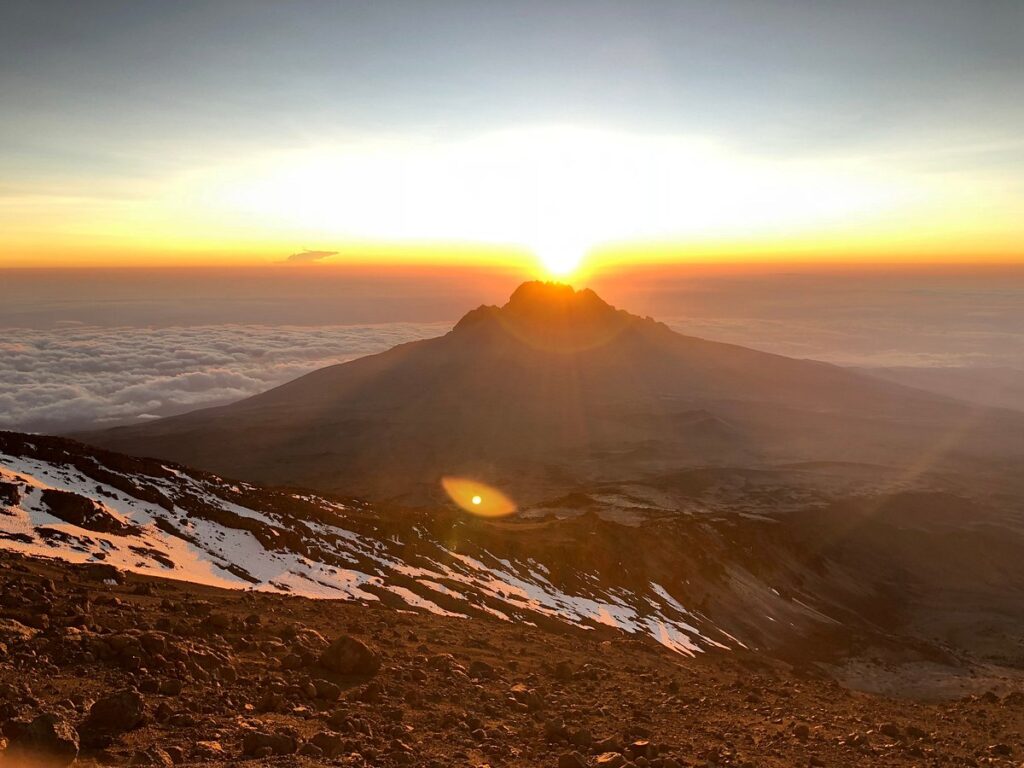
The central highlands and northern part enjoy perhaps the most agreeable climate in the country though there’s quite a variation between the hot and relatively dry floor of the central and north and the snow-covered peaks of Mt Kilimanjaro. Rainfall varies from a minimum of 20 mm in November to 200 mm in April and falls essentially in two seasons – March to May (the ‘long rains’) and October to December (the ‘short rains’).
The Kilimanjaro Mountain and Udzungwa Mountain are the country’s main water-catchment areas and falls of up to 3000 mm per year are often recorded. Average temperatures vary from a minimum of 10 or 14C to a maximum of 22 to 26 C.
The vast semiarid bushlands of western Tanzania are where the most extreme variations of temperature are to be found, ranging from up to 40C during the day in the deserts down to 20C or less at night. Rainfall in this area is sparse and when it does fall it often comes in the form of violent storms. July is generally the driest month and November the wettest. The average annual fall varies between 250 and 500 mm.
The other climatic zone is the coastal belt which is hot and humid all year round though tempered by coastal sea breezes. Rainfall ranges from a minimum of 20 mm in February to a maximum of 300 mm in May. The average annual fall is between 1000 mm and 1250 mm. Average temperatures vary little throughout the year ranging from a minimum of 220C to a maximum of 300C.
Tanzania’s widely varying geography accounts for its variety of climate conditions. Much of the country is a high plateau, where the altitude considerably tempers what would otherwise be a tropical climate. In many places, it can be quite cool at night.
Frequently Asked Questions
What type of climate does Tanzania have?
Tanzania generally has a tropical climate, meaning it is warm throughout most of the year. Temperatures are usually comfortable, especially in coastal areas and islands like Zanzibar. The country experiences sunny days, warm evenings, and occasional rain depending on the season. Weather conditions can also change depending on altitude and location. Overall, the climate makes Tanzania a great destination for travel and safaris year, round.
Does Tanzania have rainy seasons?
Yes, Tanzania has two main rainy seasons during the year. The long rains usually occur from March to May, while the short rains happen around October and November. During these months, rain showers are common but they often do not last the entire day. The landscape becomes very green and beautiful during this time. Many animals are still active, making it an interesting time for nature lovers.
What are the hottest months in Tanzania?
The hottest months are usually between December and March. During this time, temperatures can be quite warm, especially in cities like Dar es Salaam along the coast. Inland areas and wildlife parks can also feel warm during midday. However, mornings and evenings are usually more comfortable. Travelers often plan activities early in the day to avoid the strongest heat.
Is the weather different in the mountains and safari parks?
Yes, weather can vary depending on elevation and location. Mountain areas like Mount Kilimanjaro are much cooler than the lowlands. Safari destinations such as Serengeti National Park usually have warm days and cooler nights. Higher areas like Arusha often feel fresh and mild. Because of these differences, travelers usually pack layers for comfort.
When is the best time to visit Tanzania for good weather?
Many travelers prefer visiting during the dry season from June to October. During these months, the skies are mostly clear and rainfall is minimal. Wildlife viewing is also excellent because animals gather around water sources. The weather is pleasant for safaris, hiking, and beach holidays. For many visitors, this period offers the best overall travel conditions in Tanzania.
Still have questions?
Our local safari experts are happy to help you plan the perfect African safari.





