
Table of Contents
Are you looking for a magical walking safari experience, completely off the beaten track? Walk barefoot along the sandy shores of Lake Tanganyika and seek out wild chimpanzees in the jungle-covered mountains. Mahale National Park is remote, beautiful and a truly fascinating adventure.
A Magical, Barefoot Wilderness
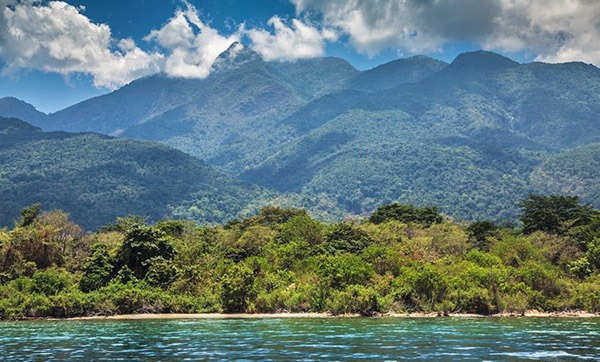
Begin your walking safari at the foot of the 2km tall Mahale Mountains on the soft, white, sandy shores of Lake Tanganyika, the world’s longest and least-polluted freshwater lake. There are over 250 endemic species of fish in Lake Tanganyika, many easily spotted as the sun illuminates them in the crystal-clear waters. Stroll the beach for a while and marvel at the atmospheric wilderness, whilst watching local fishermen patiently catching their lunch. You might see a hippo pod bobbing in the waters and keep an eye out for the crocodiles. Trek up the Mahale Mountains, home to shy leopards, many smaller primates, birdlife and around 1000 wild chimpanzees. When you encounter these incredible apes close-up, it’s an experience unlike any other…
Have you been to Mahale National Park?
Write A Comment Below
The Chimpanzees, Wildlife and Other Highlights
1000 Wild Chimpanzees
Mahale National Park is one of two places left in Africa where you can track wild chimpanzees (the other is Gombe National Park). The chimps are thriving here in the mountainous forests of Mahale. The star attraction is a group of 60 chimps called the “M” Group, being studied as part of a long term Japanese research project. The M Group is habituated to human visitors and these are the chimps that everyone wants to encounter, since they may brush against you whilst they play, bicker and groom each other. The chimpanzees might showcase their remarkable skills, such as using tools or eating medicinal plants.
You might discover a chimpanzee troop within just an hour, but it’s best to allow 2 days, so be prepared for some strenuous, steep mountain walking through some dense vegetation. Large troops of chimps move down the mountains in search of food during the late dry season from August to October, so you probably won’t have to climb quite so far if you visit during these months. There is a rule in Mahale, though, that you are only allowed to spend an hour with the chimps once you find them, and what a special 60 minutes that is – some call it the best animal interaction in Africa.
Mammals, Birds and Fish
You’ll come across an unusual mix of animals as you explore the eco-systems in Mahale National Park. There are many rainforest animals, the stars of course being the chimpanzees, as well as 8 other primate species including colobus monkeys and yellow baboons, and small mammals like red-legged sun squirrels, a brush-tailed porcupine and at least 3 types of mongoose. Antelopes, warthogs and bushbuck live in the Miombo woodland that covers three quarters of the park – you might see them roaming the beaches too – and it is possible that you could encounter a leopard. You’re unlikely to spot larger mammals, as there are not many left in Mahale.
It’s best to birdwatch at the lake or in the open woodlands in the Kabezi area, since any denser forest makes it difficult to recognise them. There is an abundance of fish-eating birds, including kingfishers, fish eagles and palm-nut vultures. It is such a treat to find a Pel’s fishing owl, since these owls are incredibly elusive. There are 250 endemic fish species in Lake Tanganyika and a real privilege to see them, because you won’t find them anywhere else on the planet.
Activities
Chimpanzee tracking is the reason most people visit Mahale, which involves up to 2 days trekking through quite rugged, but absolutely beautiful lowland forest. Kayak or snorkel in the shallows of Lake Tanganyika to marvel at the endemic fish. Sport fishing is a wonderful experience out on the lake in an ancient dhow, giving you a different perspective on the awesome wilderness that circles you. For an exhilarating challenge, spend 2 or 3 days climbing to the summit of Mt Nkungwe, Mahale’s highest peak (May to October is best). Take a cultural tour of nearby Kigoma town and historical Ujiji, or simply relax and unwind on the lake’s pristine white, sandy beaches.
Accommodation
There are three lovely tented camps in Mahale National Park. One of them is world famous – an indulgent, tropical island hideaway on the most enchanting beach in Lake Tanganyika. Mahale also has five simple but affordable, self-contained bandas. Wherever you choose to stay in Mahale National Park, you’ll feel at one with this extraordinary wilderness as you watch spectacular sunsets and shooting stars over the distant Congo, with the sounds of the chimpanzees shrieking in the forest around you.

Best Time to Visit
July to late October is the dry season, when the chimpanzees venture further down the mountains to drink from the lake. Trekking is also easier, since the forest paths are less slippery. Any time of year is good though, it just means you might have to walk further to find the chimps. Some camps are closed from March to May.
How to Get There
Mahale National Park is in the extreme west of Tanzania and not easy to reach, so only a few hundred visitors make the journey each year. From Dar es Salaam or Arusha, it’s a 4 hour flight to Kigoma Town. Then most people go by speedboat to Mahale, which takes another 3 or 4 hours along Lake Tanganyika, depending on which camp you are staying at. The journey is long and expensive, but worth every penny.
Frequently Asked Questions
Why is Mahale Mountains National Park famous for chimpanzees?
Mahale Mountains National Park is one of the best places in the world to see wild chimpanzees. The park is home to a large population of chimpanzees that have been studied and protected for many years. Visitors can trek through the forest with experienced guides to observe them in their natural habitat. Watching chimpanzees interact, groom each other, and move through the trees is an unforgettable experience. This is why the park is often called a true chimpanzee paradise.
What makes Mahale Mountains National Park unique compared to other parks?
The park is unique because it combines mountains, tropical forest, and the clear waters of Lake Tanganyika. Few places in Africa offer such a beautiful mix of landscapes and wildlife. Visitors can hike in the forest during the day and relax on sandy beaches by the lake in the evening. The park is also very remote, which makes the experience peaceful and exclusive. This sense of untouched nature is what makes Mahale so special.
How do visitors see chimpanzees in Mahale Mountains National Park?
Chimpanzee tracking is the main activity in the park. Visitors walk through the forest with trained guides who follow the sounds and signs of chimpanzee groups. The trek can take some time, but the reward of seeing the chimps up close is worth it. Once the chimpanzees are found, visitors spend time quietly observing their behavior. It feels like stepping into their world for a short moment.
When is the best time to visit Mahale Mountains National Park?
The best time to visit is usually during the dry season when the forest trails are easier to walk. During this period, chimpanzees tend to stay on lower slopes, which makes them easier to find. Clear skies and sunny weather also make the views of the mountains and lake more beautiful. However, the park is stunning throughout the year. Each season offers a different but equally memorable experience.
Why is Mahale considered a remote safari destination?
Mahale Mountains National Park is located in western Tanzania and is not easily reached by road. Most travelers arrive by small aircraft or boat across Lake Tanganyika. Because of this, the park receives far fewer visitors than famous places like Serengeti National Park. This limited access helps keep the environment wild and undisturbed. For many travelers, the remote setting is part of the adventure and charm.
Still have questions?
Our local safari experts are happy to help you plan the perfect African safari.





