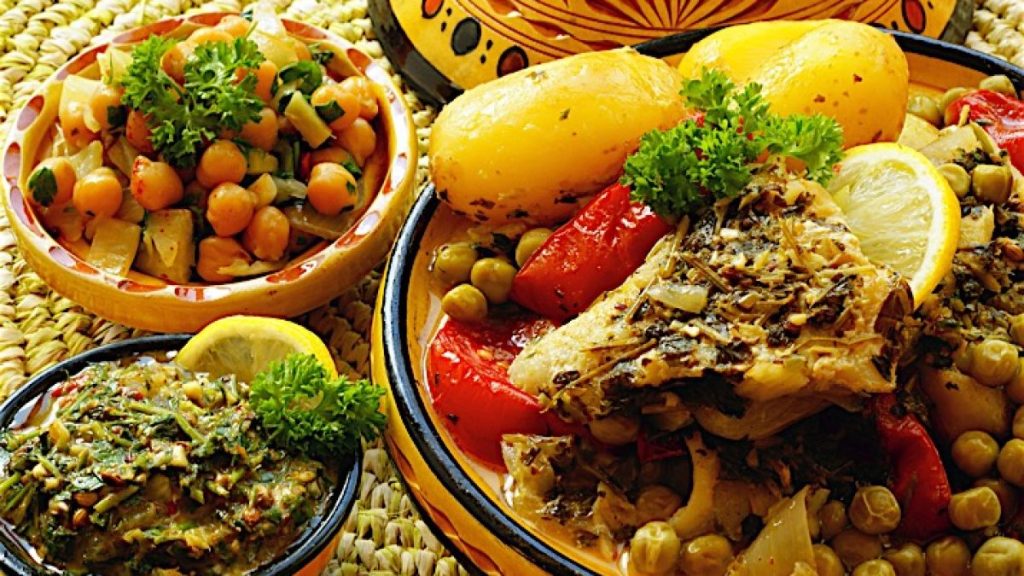
Africa stands for wilderness, safaris, jungles, the Sahara Desert, and adventure. But this mysterious continent is also home to an incredible diversity of cultures, each proud of its traditional cuisine. African cuisine is quite diverse and represents a mix of native ingredients, Asian spices, and European cooking methods. Each African region has its defining tastes and spices, which blend together to form a truly exceptional and complex cuisine. It’s a cuisine that can satisfy both the die-hard meat lover and the raw vegetarian, and whose subtleties and secrets are yet to be discovered. In my introduction to African cuisine, I will try to highlight some of the spices and techniques specific to each African region:
South African Cuisine
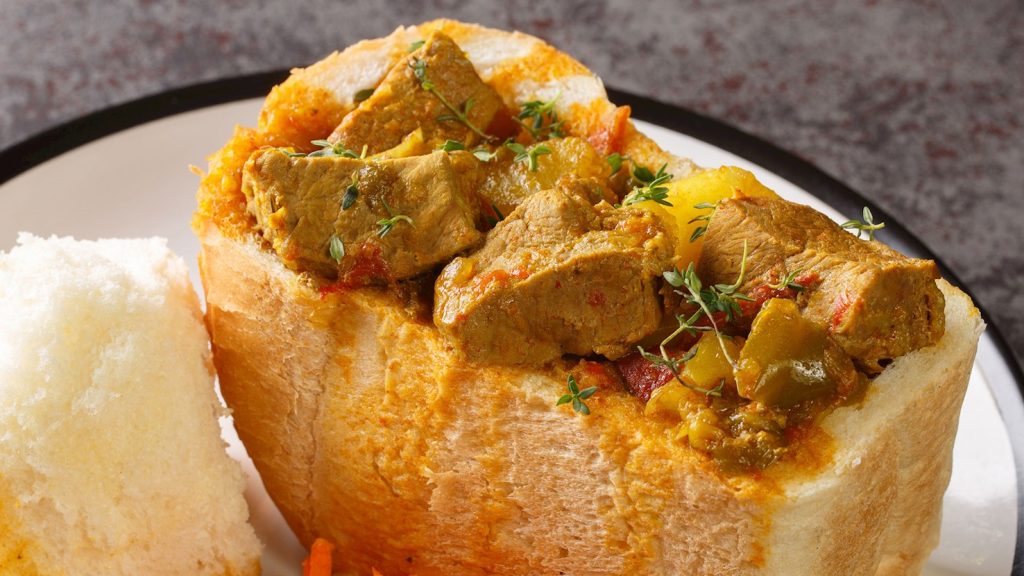
South Africa is the meeting place of many savory dishes, inspired by an extraordinary variety of cultures and cooking techniques. Meat and vegetable stews are typical of Black African cuisine, but so are dairy products, fermented grains, pickled fish, and rice dishes. There’s an obvious Asian influence, reflected in the use of curry and rice, as well as a colonial influence, whose best ambassadors are the fine-quality South African wines.
East African Cuisine
Meat, especially beef and mutton, represents the centrepiece of East African cuisine. It is often accompanied by vegetables and generously spiced with curry, cinnamon, saffron, and other aromatic powders brought by the Arabs. Tea, coffee, and cocoa are cultivated in the region, and so are different varieties of bananas, which play a special role in cooking. In many tourist hotspots, like Nairobi or Mombasa, you’ll find restaurants specializing in game.
Central African Cuisine

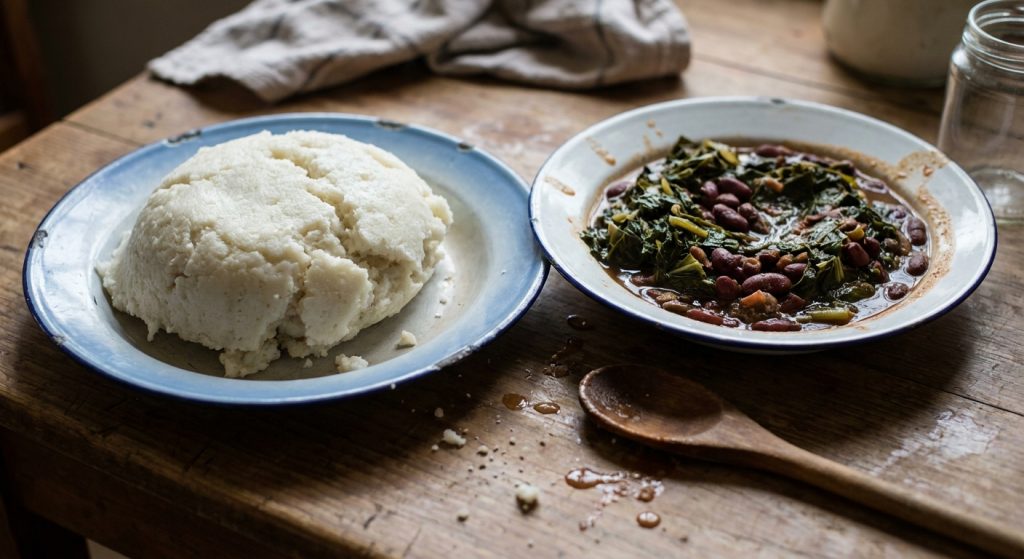
Central African cuisine is just as exotic and spicy as its jungles. Tapioca flour, okra, and ginger are the highlights of this region’s cuisine. Peanuts and peanut butter give Central African dishes a distinctive taste – if you happen to be an avid peanut butter eater, this is where you can experience some of its most innovative uses.
West African Cuisine
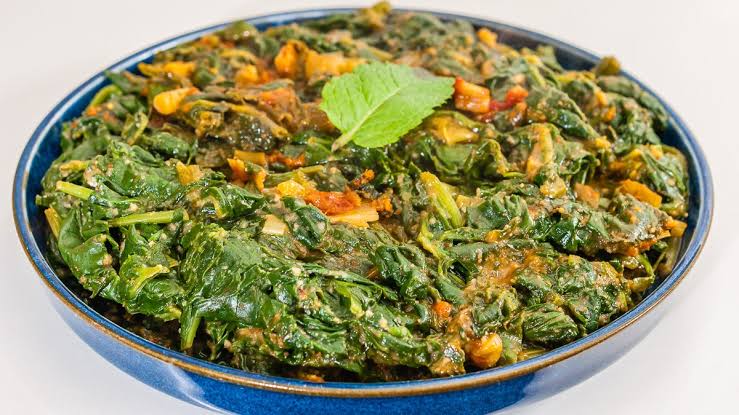
Fish cooked in all possible ways is typical of coastal West Africa; cooking methods include drying, flaking, fermenting, frying, and boiling. Plants and roots rich in carbohydrates are often used in cooking, as well as Asian spices. The Guinea grains, or the ‘grains of paradise’, are found only in West Africa and represent one of the region’s most appreciated culinary delicacies.
North African Cuisine
North African cuisine is probably the spiciest and most complex of all African cuisines. The traditional cuisines of Morocco, Algeria, and Egypt represent an irresistible blend of Mediterranean oils, herbs, and vegetables with Oriental spices and classic dishes such as kebabs, couscous, or pilaf. The absolute must of North African cuisine is the sweets – some of them might be drop-dead sugary, but they are worth the extra calories.