
Table of Contents
Men’s & Women’s Safari Boots & Shoes
As I mentioned earlier, it is not always necessary to buy specific footwear for your safari if you already have shoes that will perform the task. However, if you feel that you do not have adequate shoes for your safari or need further information to determine whether your current footwear is suitable, look no further.
Before buying footwear for your African safari, there are a few important things you should consider to ensure you choose the right shoes for your holiday.
Your footwear you choose should be comfortable in hot and cold conditions
Depending on where you’re going on safari, it’s not unusual for the weather to be quite cold in the early mornings and very hot by midday. Make sure the shoes you have, or plan to buy, can accommodate any swelling of your feet caused by the heat. When trying on your shoes, ensure you have enough room to comfortably move your toes.
I also recommend wearing a good pair of hiking socks that can absorb excess moisture, reduce friction, and help keep your feet cool and comfortable throughout the day.
Your footwear needs to protect your feet adequately
On most safaris, it is not unusual for your guide to stop halfway through the drive to offer refreshments, give you a chance to stretch your legs, and for some, provide a welcome bathroom break. Once you step out of the game-viewing vehicle, it is important to remember that you are in the natural environment of some truly amazing animals and insects.
During these stops, the larger animals are not usually what you need to worry about, as your guide will have already checked and ensured that the area is safe. Instead, it is the smaller creatures, such as ants, spiders, scorpions, and snakes, that you should be more aware of.
With this in mind, I always feel more comfortable wearing closed shoes or boots while on safari. It is important to understand that these little creatures are not out to get you and would much rather avoid coming into contact with your foot. However, if they do feel threatened, they will naturally defend themselves.
Wearing footwear that fully covers your feet, and ideally your ankles, is a simple way to provide extra protection and reduce the already very small chance of being bitten or stung.
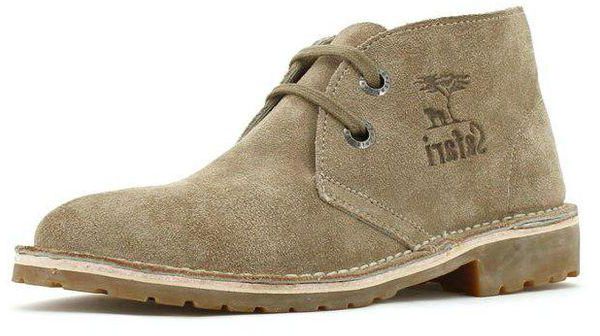
Critters are not the only thing you need to be aware of when you are on safari. Sometimes, vegetation that you may accidentally brush against can cause discomfort due to the tiny hairs found on some leaves. Stepping on thorns or sharp twigs can also be painful and may put a bit of a damper on your holiday.
If you are planning to go on a walking safari, I would recommend using ankle gaiters. They are a great way to provide additional protection and can also help reduce the risk of ticks.
Whatever you choose, make sure you protect your feet adequately so you can fully enjoy your safari experience in comfort and confidence.
Flexible and non slip
This may seem obvious to many people, but it is worth mentioning. Most safari lodges have concrete floors that are polished regularly, which can sometimes become quite slippery. For this reason, it is best to avoid footwear with hard plastic soles and choose shoes that provide good grip and traction.
Also, when getting into a game-viewing vehicle, you may need to climb up into the vehicle. Having shoes with flexible soles and plenty of grip will make this much easier, safer, and a lot less embarrassing.
Lightweight
The shoes or boots that you choose should be lightweight for a few important reasons. Firstly, you do not want to be travelling, especially by air to reach your safari destination, with a heavy pair of boots that takes up a large portion of your baggage allowance.
As mentioned earlier, there will be some climbing in and out of safari vehicles, as well as possible walking activities and game walks. The last thing you want is to have your feet weighed down more than necessary. Choosing lightweight footwear will help keep you comfortable and make your safari experience much more enjoyable.
Waterproofing
Your footwear also needs to be waterproof. As mentioned earlier, your guide will often stop during the safari to allow you to take a short break, and if it has rained the night before, the ground can become quite muddy.
It is not uncommon for a guest to step out of the vehicle and land straight in a small puddle, or accidentally step into one while distracted by an amazing bird or wildlife sighting through their binoculars. Having waterproof footwear will help keep your feet dry, comfortable, and ready for the rest of your safari adventure.

Going on a walking safari early in the morning is an exhilarating experience. However, you may also encounter a lot of dew at the beginning of your walk, which can quickly soak through your shoes and socks, making the rest of the walk quite uncomfortable.
These days, there are many advanced man-made materials used in footwear that are designed to repel water, giving you plenty of options to choose from. However, if modern materials are not your preference, good old-fashioned leather never lets you down.
With proper care and regular maintenance, a good pair of leather shoes or boots will mould to the shape of your feet like a glove and can become a trusted companion that you will truly miss when, many years later, they finally wear out.
Top Tip
For all safari travellers coming from overseas, I recommend wearing your safari shoes or boots on the flight. This will help reduce the weight and bulk of your luggage, giving you more space for other important items.
It also means you will have extra room to bring home souvenirs, mementos, and unique curios from your holiday experience.
Frequently Asked Questions
What type of shoes are best for an African safari?
The best shoes for an African safari are comfortable, durable, and suitable for outdoor conditions. Many travelers prefer lightweight hiking shoes or sturdy walking shoes because they provide good support during walks and game drives. Since safari days can be long, shoes that cushion your feet and prevent blisters are very important. Breathable materials also help keep your feet cool in the warm African climate. Choosing the right pair of shoes can make your safari experience far more enjoyable.
Do I need hiking boots for a safari?
You don’t always need heavy hiking boots for a safari, especially if most of your time will be spent in a vehicle during game drives. However, if your safari includes walking safaris or nature hikes, lightweight hiking boots can be very helpful. They provide extra ankle support and protection on uneven terrain. Many travelers choose comfortable trail shoes instead because they are lighter and easier to pack. The key is selecting shoes that are supportive and comfortable for outdoor activities.
Are open shoes or sandals okay to wear on safari?
Sandals can be comfortable to wear around your lodge or camp, but they are usually not ideal for game drives or bush walks. Closed shoes offer better protection from dust, insects, and small thorns that you may encounter in the bush. During walking activities, sturdy shoes also help prevent slips on rocky or uneven ground. Some travelers pack both walking shoes and a pair of sandals for relaxing after the day’s activities. This combination provides comfort while still keeping you prepared for outdoor adventures.
What colors of shoes are best for a safari?
Neutral colors such as brown, khaki, or olive are usually the best choices for safari shoes. These colors blend well with the natural environment and do not attract too much attention from wildlife. Bright colors are generally avoided because they can stand out in the bush and may attract insects. Neutral tones also hide dust and dirt better, which is useful on safari roads. Choosing simple, natural colors helps keep your gear practical and safari, friendly.
What features should I look for in safari shoes?
When choosing safari shoes, comfort and durability should be your top priorities. Look for shoes with strong grip soles because safari terrain can sometimes be dusty or uneven. Breathable materials are also helpful to keep your feet cool during warm days. Good cushioning and proper fit will help prevent discomfort during long hours of travel and exploration. With the right shoes, you’ll be ready to enjoy every moment of your African safari adventure.
Still have questions?
Our local safari experts are happy to help you plan the perfect African safari.





