Table of Contents
A stunning landscape of wide flat plains, huge African skies, and shimmering white salt flats stretches out as far as the eye can see. Here and there, the landscape is punctuated by small oases of flat-top Acacias and Mopani against the arid backdrop; the silence is so profound that you can hear your heartbeat. And then you hear it – the distant roar of a Kalahari Lion.
Solitude and Silence at Nxai Pan
If you hate the idea of dozens of safari vehicles crowding around a good wildlife sighting, then Nxai Pan National Park is the place for you. The remoteness of this gem of a park in the north-western corner of Botswana means that it receives far fewer visitors than some of the other parks and you will often feel as though you are totally alone in the wilderness. The area once formed part of the great Makgadikgadi Lake, which was an inland sea covering most of central Botswana, which dried up thousands of years ago. Nxai Pan itself is an ancient fossil lake bed about 40km sq in extent and is dry for most of the year. When the summer rains arrive this pan becomes filled with sweet short grass and the animals come in their thousands to enjoy it, followed by the predators.
The Green Season, Cheetah, Lion, Zebra and other Highlights
The Green Season
Most African Game parks are at their best during the dry winter months (June to Sept) when short grass makes game viewing easier. At Nxai Park it is quite the opposite; when the first summer rains start to fall in Nov/December, this part is transformed from an arid wasteland to a veritable Garden of Eden. The usually dry salt flats become covered with grass and scrub, and the animals arrive in their thousands.
Cheetah
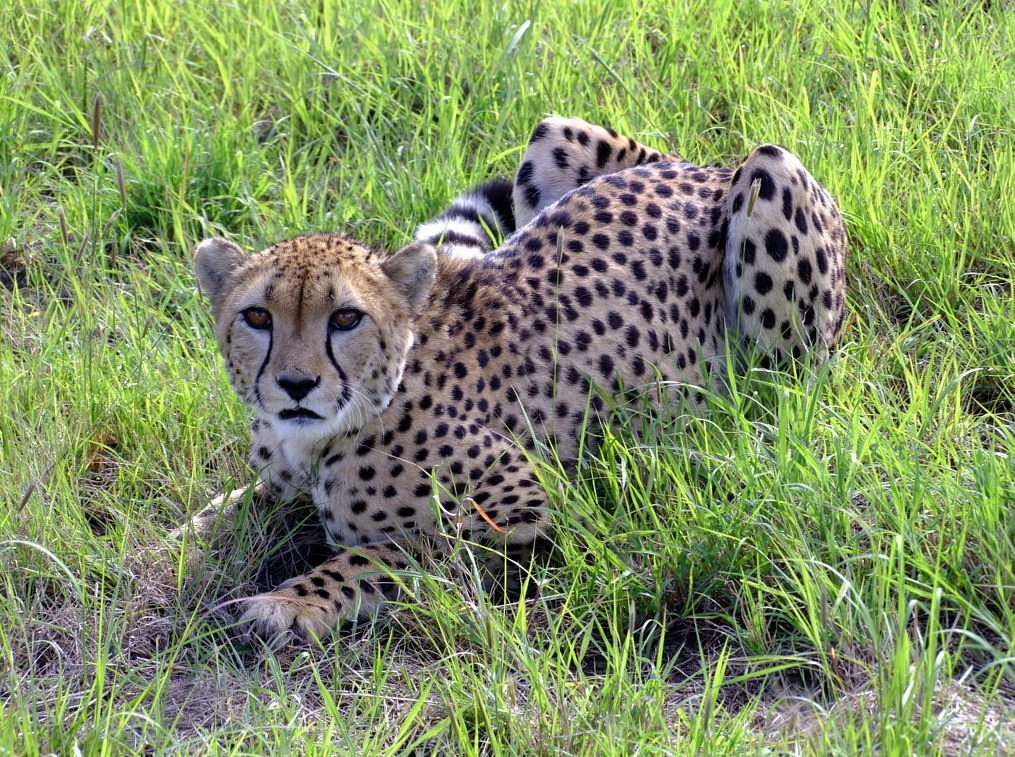
Nxai Pan is one of the best places in Botswana for excellent Cheetah sightings; the flat, expansive landscape is perfectly suited to these swift animals, which can outrun any prey in these conditions. There are regular good sightings all year round, but Cheetah activity also reaches a peak during the Green Season.
Lion
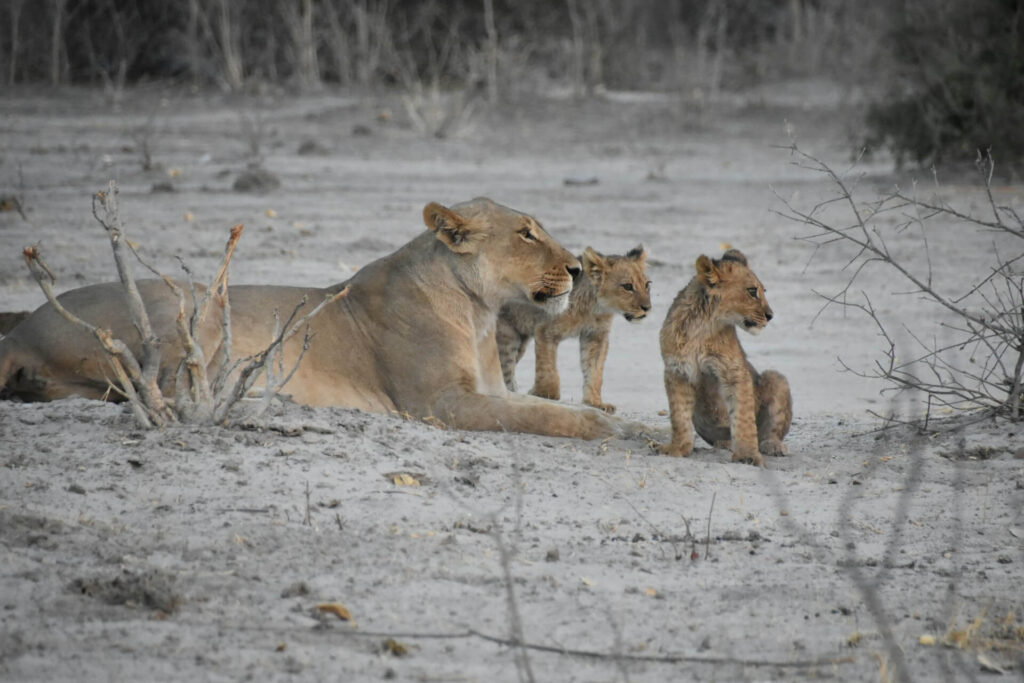
During the dry winter months most of the game activity at Nxai Pan is centred around the permanent waterhole, and Lion are regular visitors. There are several prides of Lion in the Park and they are regularly spotted out in the open, due to the stark landscape which does not offer too many hiding places! There are also good regular sightings of Leopard.
Zebra
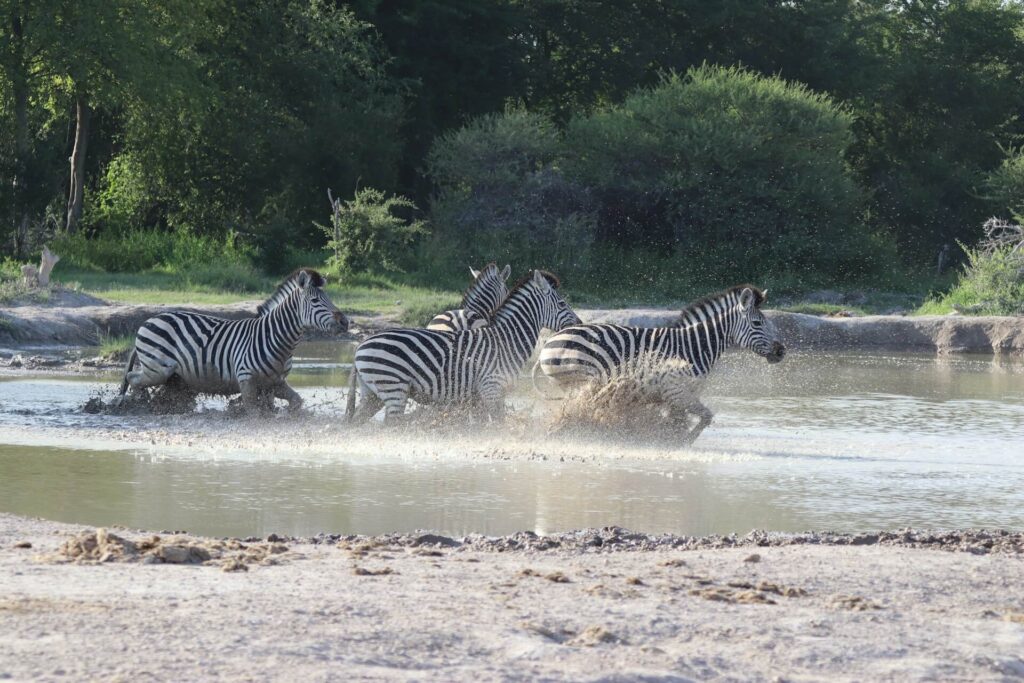
The world’s second largest Zebra migration takes place here every year when about 25,000 zebras migrate south from the Okavango Delta to Makgadikgadi and Nxai Pan and back, a distance of nearly 600km. They reach Nxai Pan around the same time as the summer rains (Nov/Dec), and this is where the latest batch of baby zebras is born. This huge maternity event coincides with that of the thousands of Nxai Pan Springbok, and the plains are filled with baby Zebra and Springbok for several months – a feasting time for predators.
Baines’ Baobabs
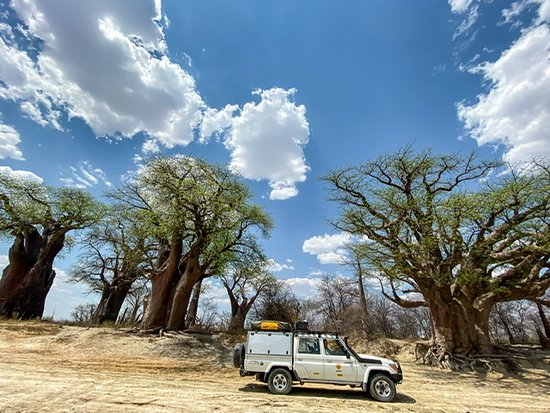
British artist Thomas Baines visited this area in 1861 and painted a now-famous art work of a group of 5 Baobab trees which have now been named Baines’ Baobabs. They are thousands of years old, and form a dramatic and unusual sight in the middle of the dry saltpan; they are at their best in the Green Season, when they form a small island of vegetation in the middle of the water-filled pan – an absolute must for photographers.
Safaris in Nxai Pan National Park
The best way to experience this remote Park is by organised Safari; the terrain is only suitable for high-clearance 4X4 vehicles and you really need an experienced guide to make sure you get the best out of your visit. Contact us for more information.
Other Activities in and around Nxai Pan
Birding
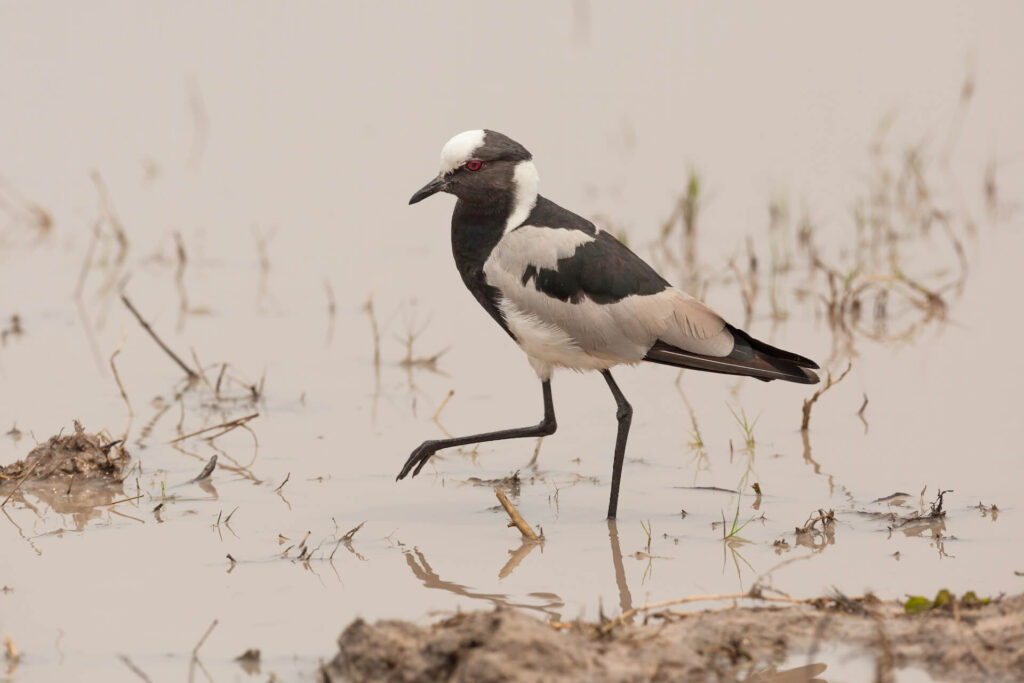
Nxai Pan also has great bird-watching opportunities, especially in the wet months. There are many raptors in the area and Kori Bustards, Korhaans, and Red-Necked Falcons can all be spotted. Once the pans fill up after the rain, there is a huge influx of flamingos.
Bushman Interaction
Here you go on a walking trail with one of the local San Bushmen who will give you an insight into the harsh life in this arid land – plant gathering, fire making, hunting and trap setting and other survival essentials are all on the agenda.
Quad Biking
Quad biking safaris across the endless dry salt flats, which can range from a few hours to a few days, are available in Makgadikgadi Park; these only operate during the dry months from June to October.
Jack’s Camp
Do you love Meerkats? One of the best places on the planet to interact with these cute little creatures is at Jack’s Camp in Makgadikgadi, where there are four clans of Meerkat that have been habituated to humans, and will allow you to get really up close and personal.
Accommodation at Nxai Pan
There are a few Lodges inside the Nxai Pan National Park, but there are several on the borders of the Park or in the Makgadikgadi Park with easy access to Nxai Pan. Whichever option you choose, you can be assured of a very special wilderness experience. All the lodges offer morning and evening game drives with highly experienced guides who will be only too happy to impart their knowledge of the flora and fauna to you and take you to the best places for wildlife sightings. Ask us about an overnight camping experience at Baines’ Baobabs campsite – an incredible experience.
How to Get There
By now, you will realize that Nxai Pan is somewhat remotely situated! Most of the lodges are accessed by air in about 25mins from Maun Airport, followed by a short (15min) drive to the camp, which doubles as a game drive!
Best Time to Visit
Nxai Pan is really a year-round destination; dry, quiet and interesting in winter (June-October), green, stunning and full of life during the rainy season (December to April). It can get really cold in winter so be sure to bring layers of warm clothes for the cold nights and early mornings.
Frequently Asked Questions
Where is Nxai Pan National Park located and what makes it unique?
Nxai Pan National Park is located in northern Botswana, not far from the famous Makgadikgadi salt pans. The park is known for its wide open landscapes, flat grasslands, and large salt pans that stretch as far as the eye can see. These unique features create a dramatic and peaceful environment that feels very different from other safari destinations. During the rainy season, the dry pans transform into green plains that attract large numbers of animals. This seasonal change makes Nxai Pan a fascinating place to experience Botswana’s natural beauty.
What wildlife can visitors see in Nxai Pan National Park?
Nxai Pan National Park is home to a variety of wildlife that thrives in the open plains and grasslands. Visitors often see animals such as giraffes, zebras, springboks, and wildebeests moving across the landscape. The park is also known for its predators, including lions and hyenas that follow the migrating herds. During certain times of the year, large groups of zebras pass through the area as part of a seasonal migration. These wildlife movements make the park an exciting destination for safari enthusiasts.
What is the famous Baines’ Baobabs in Nxai Pan?
One of the most famous landmarks in Nxai Pan National Park is Baines’ Baobabs, a group of massive and ancient baobab trees. These trees were made famous by the explorer and artist Thomas Baines, who painted them during his travels in the 19th century. The baobabs stand proudly on the edge of the salt pans and are believed to be over a thousand years old. Their unusual shapes and historical significance make them an iconic sight in Botswana. Many visitors come specifically to photograph these remarkable trees, especially at sunrise or sunset.
What safari activities can visitors enjoy in Nxai Pan National Park?
Visitors to Nxai Pan National Park mainly enjoy game drives, which are the best way to explore the wide open landscapes and observe wildlife. Experienced guides help travelers spot animals while explaining the unique ecosystem of the area. The park’s open terrain makes it easier to see animals moving across the plains. Photography is also a popular activity because the scenery is dramatic and the sunsets are beautiful. These safari experiences offer a peaceful and authentic way to connect with Botswana’s wilderness.
When is the best time to visit Nxai Pan National Park?
The best time to visit Nxai Pan National Park depends on what kind of experience travelers are looking for. During the rainy season from December to March, the dry pans turn green and attract large herds of zebras and other grazing animals. This period is excellent for wildlife viewing and birdwatching. The dry season from May to October offers clear skies and beautiful desert, like landscapes. Each season has its own charm, making Nxai Pan a rewarding destination throughout the year.
Still have questions?
Our local safari experts are happy to help you plan the perfect African safari.