Table of Contents
Come to see the magnificent Victoria Falls, but don’t leave without enjoying all the other wonders of Zambia. Here you will find incredible wildlife, thrilling adventure sports, fabulous Lodges and friendly people waiting to welcome you.
People & Culture
Zambia is a large and relatively sparsely populated country with a total population of around 21 million. The original inhabitants of Zambia were the nomadic Khoisan hunter-gatherers, and agriculture and mining only made their appearance around the 4th century when Bantu settlers started to arrive in the country. In 1855 Dr David Livingstone became the first British explorer to visit Zambia as part of his exploration of the Zambezi River. Of course, Dr Livingstone was also the first European to famously catch a glimpse of the marvellous Victoria Falls, which he promptly named after his monarch, Queen Victoria. The town of Livingstone, now a favourite base for exploring the Victoria Falls and the mighty Zambezi River, was later named after him.
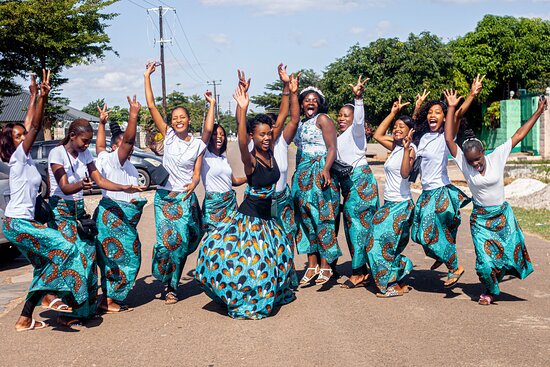
Culture, Tradition and Folklore still play a very important part in the lives of Zambians, particularly the many who still live a life of rural subsistence farming. Tribal customs and rituals still surround ceremonies to mark rites of passage like coming-of-age and marriage. Then there are several colourful annual festivals held to commemorate revered ancestors and to celebrate and give thanks for harvests and changing seasons. Most of these festivals and rituals include traditional music, dancing and drumming.
The pace is slow in Zambia, as is the case in most African countries, and there is always time for a “proper” greeting, before a conversation gets off the ground! At the very least, it is expected to greet someone with a “Good Morning/Afternoon – how are you” before requesting any service or assistance. Shaking hands is the usual way of greeting. In rural areas visitors are still something of a rarity and are often regarded with a degree of curiosity by the locals. You may be offered a gift as a sign of friendship or honour and it would be extremely rude to refuse such a gift – rather, accept it with both hands, as is the custom.
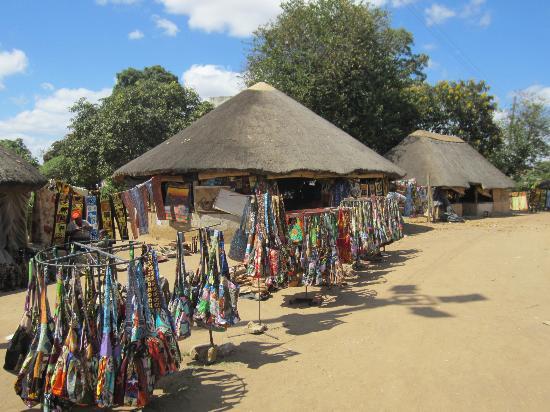
There are at least 8 official languages, including English, and as many as 70 distinct local variations or dialects. Traditional arts and crafts such as wood carving, basketry and pottery continue to be produced using locally sourced materials such as vines, roots, reeds, bamboo and natural dyes and seeds for decoration.
How to Get There
Several international airlines offer scheduled flights to Lusaka, the capital of Zambia. From South Africa you can fly in with South African Airways, Precision Air(Tanzania), Emirates or KLM. From Europe, British Airways has direct flights from London Heathrow 3 times a week, KLM links Amsterdam with Lusaka 3 times a week and with Emirates you can fly into the country 5 times a week via Dubai.
There are also flights into Lusaka from several other African countries such as Botswana, Kenya, Ethiopia, Tanzania and Malawi.
Visa
Everyone visiting Zambia needs to have a Passport that is valid for 6 months after the date of their visit. Nationals from most countries will need a Visa to visit Zambia; in most cases these Visa’s can be issued at the entry point into the country, right at the airport.
If you would like to get your Visa well in advance to save time at your point of entry you can visit your nearest Zambian Mission offices abroad. Since rules and regulations change from time to time it would be wise to visit the Zambia Immigration website to check current requirements.
Day-trip Visas are available at the border for visitors from Zimbabwe who want to cross into Zambia for the day to see the Victoria Falls from the Zambian side.
Accommodation
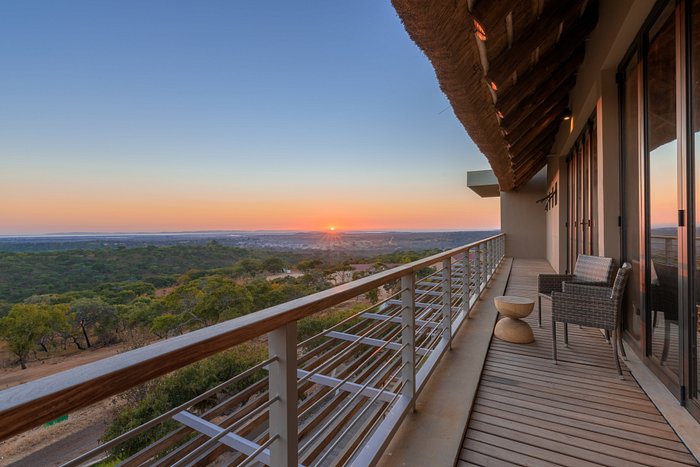
Zambia has something to offer for everyone when it comes to accommodation. Some of the most luxurious lodgings can be found in the most idyllic positions near Victoria Falls and along the banks of the Zambezi River. Here you will find your own little piece of African heaven in a secluded setting surrounded by wildlife and some of Zambia’s over 700 species of birds. You will find everything from eco-camps featuring biological chemical-free swimming pools to rustic self-catering cottages to remarkably inexpensive back-packer hostels with great facilities.
Getting Around
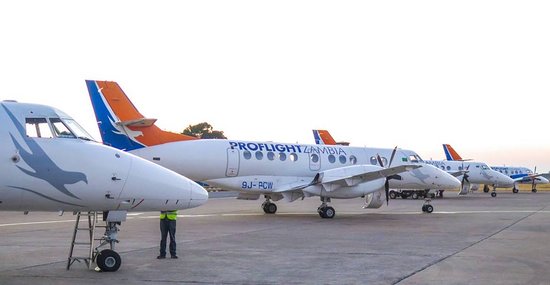
Zambia is an extensive country and distances can be really large. If you are visiting for a brief period the only real choice for getting from place to place is to fly. Proflight and various air charter companies offer flights to any of the many airstrips around the country and nearly all the National Parks and other Places of Interest are accessible by air.
Travel Insurance
Before leaving home check that your Health Insurance covers international travel and buy insurance if necessary. It is also advisable to purchase travel insurance that covers emergency evacuation, in the unlikely event of an accident or a serious medical emergency.
Climate
Zambia basically has a tropical climate which is tempered by altitude in many regions, making conditions very pleasant. The wettest months in Zambia are December to March – a period called the “Emerald Season”. Many camps close during these months as un-surfaced roads can become impassable. June, July and August are the driest and coolest months, but the days are clear and warm. With weather patterns all over the world changing, the shoulder seasons of April/May and September/October can be unpredictable, but are usually superb – neither too hot nor too cold!
Health
Anyone travelling to Zambia should check that they are up-to-date with all regular vaccinations: MMR (Measles-mumps-rubella), diphtheria-tetanus-pertussis, varicella (chickenpox), polio and your annual flu vaccine. Additionally it would be wise to consider being vaccinated against hepatitis A and B, typhoid, meningitis and rabies.
Yellow Fever is not considered a risk in Zambia, but you will require proof of Yellow Fever vaccination if you are entering Zambia from a country which has a Yellow Fever risk.
Malaria prevention is important – consult your doctor to help you decide which medicine is ideal for you. If applicable, protection against STIs, including HIV-AIDS is important.
You should carry all your own medication with you, as it may not be available in Zambia. If you have a significant allergy or medical problem you need to wear a MedicAlert bracelet.
Money
The Zambian unit of currency is the Zambian Kwacha (Kw), which is subdivided into 100 ngwee. Prices are generally quoted in Kwacha, especially in rural areas, and National Park Fees always have to be paid in cash in the local currency. Dollars, Euros and Pound Sterling can be changed at banks or bureau de change in larger towns, some of which have ATMs that accept Visa cards.
You will definitely need Kwacha if you want to purchase local crafts in rural areas, although some vendors will be happy to accept low-denomination dollar notes.
There is no restriction on the amount of currency brought into the country provided you declare it on arrival.
Frequently Asked Questions
Where is Zambia located and what makes its geography unique?
Zambia is a landlocked country located in Southern Africa bordered by eight countries including Tanzania Malawi Mozambique Zimbabwe Botswana, Namibia, Angola and the Democratic Republic of Congo. Despite having no coastline Zambia is blessed with an abundance of rivers lakes, and waterfalls. The mighty Zambezi River flows through the country and creates one of the world’s most famous natural wonders, Victoria Falls. Much of Zambia is made up of wide savannahs woodlands, and national parks rich in wildlife. This natural beauty makes Zambia a fantastic destination for travelers looking for authentic African landscapes and adventure.
What is the capital city of Zambia and what languages are spoken?
The capital city of Zambia is Lusaka, which is also the country’s largest city and main economic hub. Lusaka is a lively city where visitors can experience modern African culture alongside traditional lifestyles. The official language of Zambia is English, which is widely used in schools, government and tourism. However the country has more than 70 local languages including Bemba Nyanja Tonga and Lozi. This rich mix of languages reflects the diverse cultures and ethnic groups that make up Zambia’s population.
What is Zambia famous for around the world?
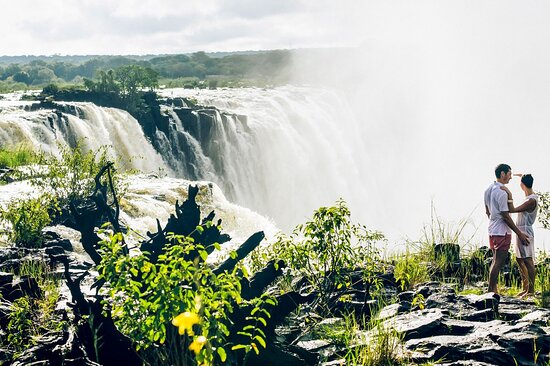
Zambia is most famous for Victoria Falls one of the largest and most spectacular waterfalls in the world. Known locally as “Mosi, oa, Tunya,” meaning “The Smoke That Thunders,” the falls create a massive curtain of water and mist that can be seen from miles away. Visitors can enjoy many exciting activities around the falls, including boat cruises helicopter flights and even swimming in the famous Devil’s Pool during certain seasons. The nearby town of Livingstone serves as the main gateway for travelers visiting the falls. Because of this incredible natural wonder, Zambia is a popular destination for adventure and nature tourism.
What wildlife can you see in Zambia’s national parks?
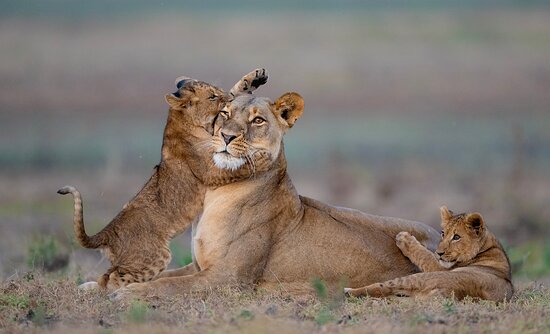
Zambia is known for offering some of the best safari experiences in Africa, especially for travelers looking for less crowded parks. National parks such as South Luangwa, Lower Zambezi, and Kafue are famous for their rich wildlife and beautiful wilderness. Visitors can see animals like lions elephants, leopards buffalo giraffes and large herds of antelope. Zambia is also the birthplace of the walking safari where guests explore the bush on foot with experienced guides. This close connection with nature makes safaris in Zambia feel adventurous and truly authentic.
What culture and traditions make Zambia unique?
Zambia has a vibrant cultural heritage shaped by many ethnic groups and long, standing traditions. Traditional ceremonies are an important part of life and are celebrated throughout the year in different regions. One of the most famous events is the Kuomboka Ceremony of the Lozi people, which marks the movement of the king from the floodplains to higher ground. Music dance storytelling and colorful clothing play a big role in these celebrations. Experiencing local culture gives visitors a deeper understanding of Zambia beyond its wildlife and landscapes.
Still have questions?
Our local safari experts are happy to help you plan the perfect African safari.