
Table of Contents
The SafariASAP Master Checklist: Essential Gear for the African Wilderness
When you think of an African safari, the first question that usually comes to mind is: “What on earth do I pack?” For many, this is the most stressful part of the journey. Forgetting a key accessory can do more than just cause an inconvenience it can actually impact the success of your wildlife sightings.
To truly enjoy the magic of the bush, your packing strategy must be two things: purposeful and lightweight. Here is the ultimate Safari ASAP guide to the vital accessories you need for a true wilderness experience.
Safari Luggage: Pack Light, Pack Soft
The most important thing to remember is to travel light. Safari vehicles have limited storage space, and most bush planes have strict weight limits. Typically, only one piece of luggage is allowed per person to ensure everyone is comfortable.
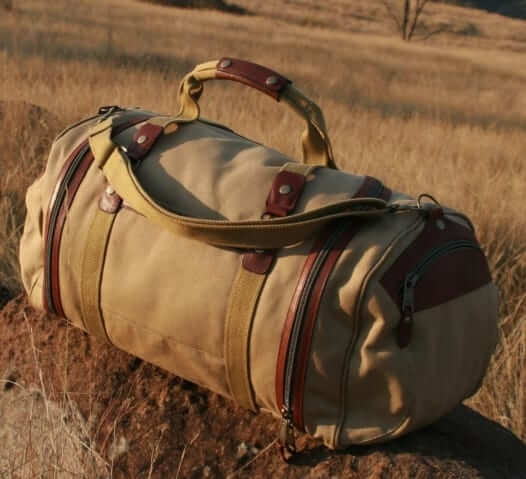
- The Soft-Sided Advantage: Ditch the hard-shell suitcases. They are prone to damage on bumpy roads and are difficult to stack in safari vehicles. A high-quality, soft-sided duffel bag is the professional’s choice—it’s durable, flexible, and easy to transport between lodges.
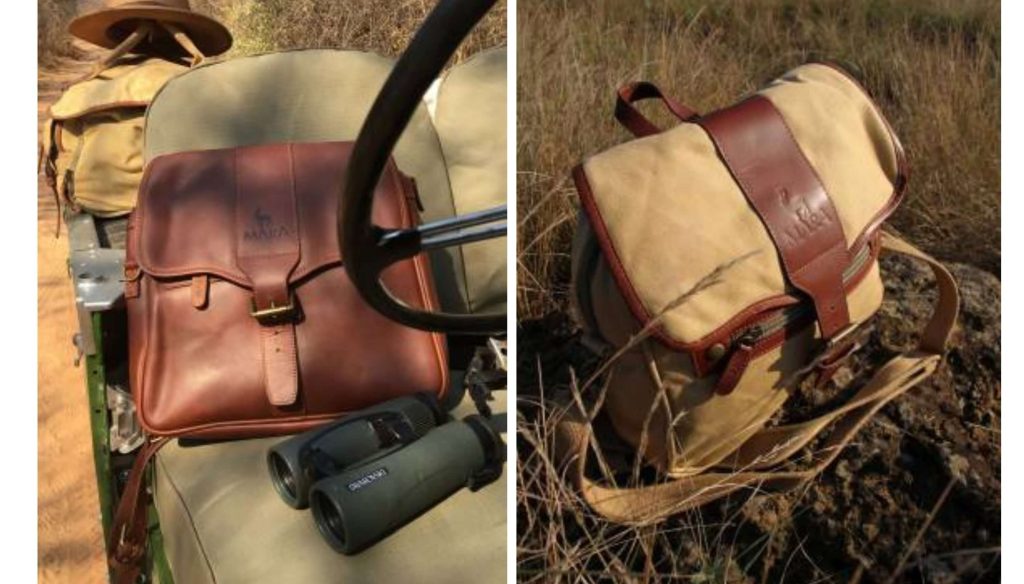
- The Daypack Essential: Always carry a small daypack. This is your “mission control” for items you need at a moment’s notice: your camera, binoculars, sunscreen, and notebooks.
Safari Clothing: Protection is Style
In the African bush, comfort is key, but protection is a close second. The weather can be unpredictable, swinging from chilly dawn mornings to scorching midday sun, so a layering strategy is essential. Pack lightweight, long-sleeved shirts and trousers that not only protect you from the sun but also serve as your first line of defense against mosquitoes and tsetse flies. Carry a warm jacket or fleece for early morning game drives when the air is surprisingly crisp.
Something essential to note is color: not any color palette can work for a safari, so you must avoid bright colors, as these tend to draw wildlife away. Thus, you are required to bring natural colors like tan, khaki, and brown to blend into the environment and get closer to the animals, giving you a chance to see many wildlife in their natural setting. Colors such as white will not enable you to view animals at a closer range, and if not, may cause danger and bring a bad experience on your safari.

Health & Wellness: The Bush First-Aid Kit
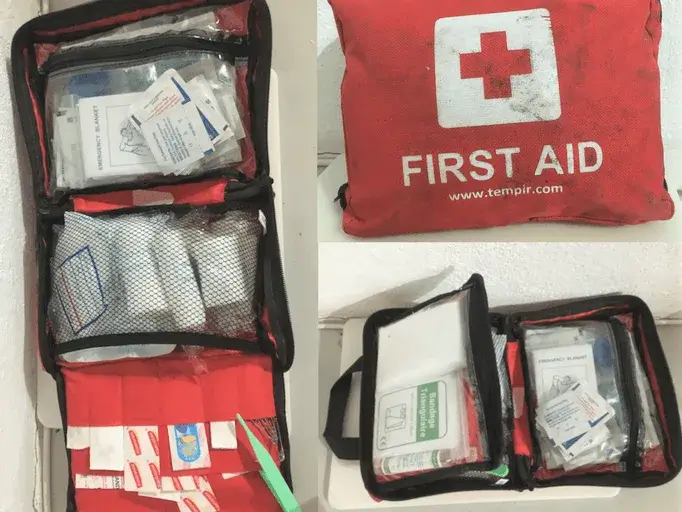
As you get ready to hit your dream destination, keep in mind that a First Aid kit is something that must be considered. While most professional safari companies provide a basic medical kit, being self-sufficient is a smart move to protect yourself from any harm, especially when traveling to remote areas where specific medications may not be available.
So to greatly enjoy your safari in Africa, your personal kit should include:
- High-strength insect repellent and citronella.
- Antiseptic creams, band-aids, and basic antibiotic ointment.
- Rehydration salts, wet wipes, and a small travel towel.
- Any personal prescription medications to ensure your health remains a top priority during the adventure.
The Game Changer: Don’t Forget Your Binoculars
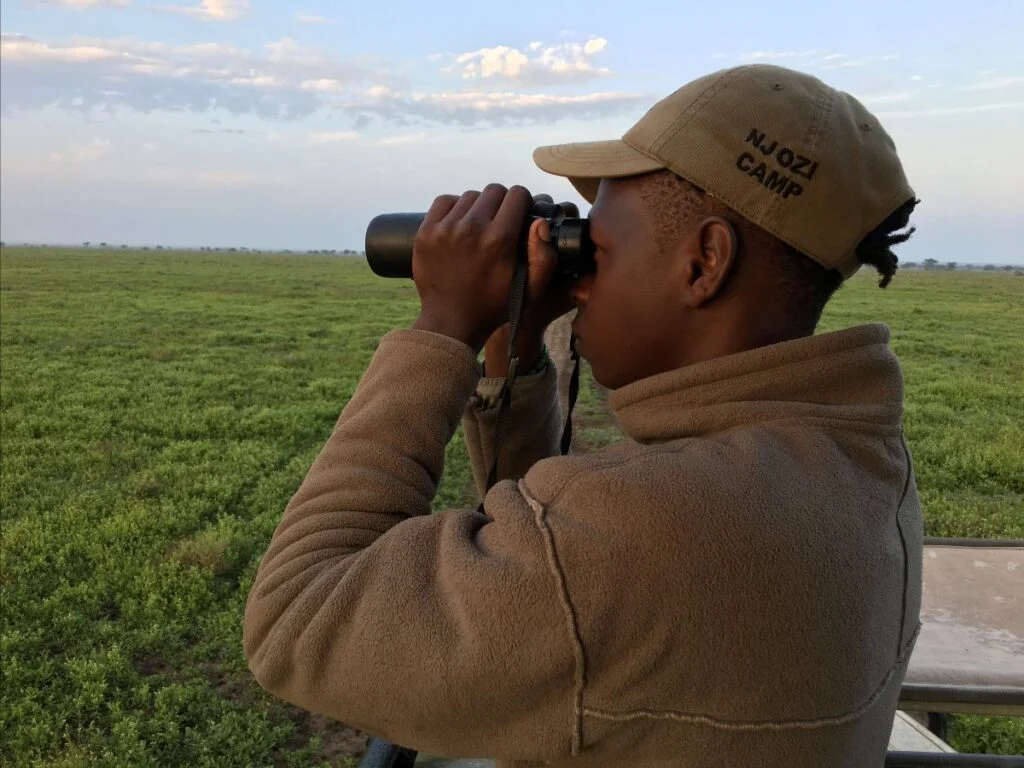
If there is one piece of gear that defines a safari, it’s a good pair of binoculars. While some guides may have a pair to share, having your own means you never miss a split-second leopard sighting or a rare bird in the canopy. Without them, you’re only seeing half the story.
Other essential tech includes a reliable torch (flashlight) for navigating the lodge at night, a high-quality camera to capture the memories, and a travel pillow for those long stretches of African road.
Travel Accessories: The “Ready-to-Go” Pouch
As you get ready with your safari luggage, you must have a small bag where you can keep the important documents, such as a visa that will be asked for right away on your departure, so never bury your travel documents in your main luggage. Keep a small, secure bag or pouch on your person for passports and visas, as requirements vary by country, so consult your Safari ASAP expert in charge of your safari. Vaccination certificates (such as Yellow Fever, if applicable), Emergency contact addresses, and your detailed itinerary. Have this ready with you as you prepare for your safari.
Africa Safari Luggage Facts
Something important to take note of in Africa is that if your journey involves international flights or light aircraft transfers, be mindful of weight. Over-packing can lead to expensive “excess baggage” fees or, worse, your bag being left behind on a small bush plane. A well-organized, lightweight bag doesn’t just save money, it ensures a seamless transition from the airport to the heart of the wilderness.. In case you are traveling to Europe, you may be overcharged if you have more kilos than what is expected. It’s always good to prepare in advance to avoid such problems that may frustrate you as you take on your flight. The right safari luggage will make you enjoy your stay in Africa.





