Nyerere National Park is larger in area than Switzerland and four times larger than the Serengeti, making it the largest protected wildlife area in Africa.
There are still places where it can be expected that people have never been there. Only part of the park is accessible. The reserve is named after the British explorer, conservationist and hunter Frederick Courteney Selous.
Nyerere National Park is an unspoilt, magical reserve with a very diverse landscape. Lakes, the Rufiji and Ruaha rivers, rock formations, savannahs, forests and hot water springs (Maji Moto) are part of it. The northern sector and most touristy part of Selous was declared Nyerere National Park in 2019. The name Nyerere National Park honors former president Julius Nyerere, the first president of Tanzania.
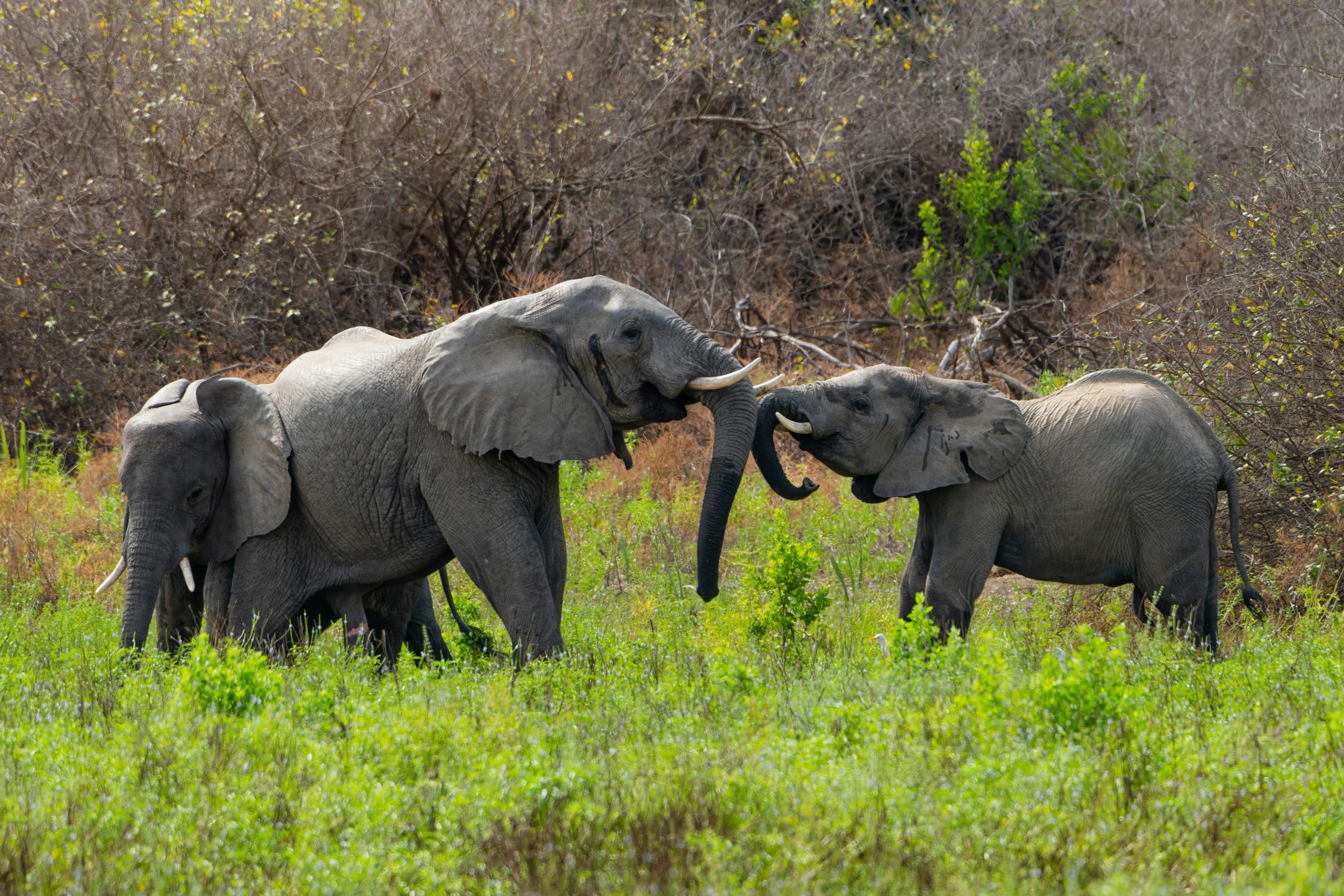
Lions, wild dogs, cheetahs, elephants, rhinos, antelopes, various monkey species and more than 440 different species of birds live in the park. Hippos and crocodiles live in the rivers and lakes. You can go on various types of safaris in Nyerere National Park. Whether it is a walking safari, boat safari or a regular game drive. The expedition across the river is highly recommended.
In Nyerere you can go for a camping safari, lodge safari and fly-in safaris. Fly camping is also an option where you go out with a guide for a few days and spend the night under the beautiful starry sky and in small tents. A true adventure and a feeling of participating in an expedition. Back at your lodge or tented camp by the river, you can enjoy the peace and quiet on the veranda and the sunset and reminisce about all your experiences.
Distances
The parks in southern Tanzania are more difficult to reach by road than in northern Tanzania. Travel distances are longer and more tiring. Therefore, in most cases it is worth considering covering the distances by transfer flight. This saves a lot of time and, depending on the time of the flight, there is still enough time left at the place of departure and arrival to participate in an activity that day. For road transfers it is not possible to drive directly between Ruaha and Selous. The route must then go via Mikumi.
Duration of transfer by road
Selous – Mikumi: 9 hours or more depending on circumstances (but on an adventurous route with a lot to see.)
Dar es Salaam – Selous: 5 hours or more depending on circumstances
Duration of transfer by flight
Dar es salaam – Selous: 45 minutes
Mikumi – Selous: 30 minutes
Ruaha – Selous: 80 minutes
Visit Selous Game Reserve with Safari ASAP.
Frequently Asked Questions
Where is Nyerere National Park and why is it special?
Nyerere National Park is located in southern Tanzania and is part of the larger Selous ecosystem, one of the biggest protected wilderness areas in Africa. What makes it truly special is its vast, untouched landscape, where wildlife roams freely with very few crowds compared to the northern parks. The Rufiji River, which flows through the park, creates a lifeline for animals and offers beautiful scenery. Because of its size and remoteness, it feels much more wild and authentic. It’s perfect for travelers looking for a quieter, off, the, beaten, path safari experience.
What animals can I expect to see in Nyerere National Park?
Nyerere is rich in wildlife, so you can expect to see a wide variety of animals during your visit. Lions, elephants, buffalo, giraffes, and zebras are commonly spotted, along with large populations of hippos and crocodiles along the Rufiji River. The park is also known for its endangered African wild dogs, which are not easy to find elsewhere. Bird lovers will be thrilled too, as there are hundreds of bird species throughout the park. Every game drive or boat safari offers something new and exciting to discover.
What types of safari activities are available in the park?
One of the best things about Nyerere National Park is the variety of safari activities you can enjoy. In addition to traditional game drives, you can go on boat safaris along the Rufiji River, which give you a unique perspective of wildlife from the water. Walking safaris are also popular here, allowing you to explore the bush on foot with a trained guide. These experiences bring you closer to nature and make your safari feel more immersive. It’s a great destination for travelers who want more than just a standard safari.
When is the best time to visit Nyerere National Park?
The best time to visit Nyerere National Park is during the dry season, which runs from June to October. During this time, animals gather around water sources, making them easier to spot. The weather is also more comfortable, with less humidity and fewer mosquitoes. However, the green season from November to May has its own charm, with lush landscapes and fewer tourists. Birdwatching is especially good during this period, as migratory birds arrive. Each season offers a slightly different experience, so it depends on what you’re looking for.
How do I get to Nyerere National Park?
Getting to Nyerere National Park is easier than many people think, even though it feels remote. You can fly from Dar es Salaam to one of the park’s airstrips on a short domestic flight, which is the most convenient option. Alternatively, you can travel by road, though it takes several hours and can be a bit rough. Many travelers prefer flying because it saves time and offers stunning aerial views of the landscape. Once you arrive, most lodges arrange transfers and safari activities. The journey itself becomes part of the adventure.
Still have questions?
Our local safari experts are happy to help you plan the perfect African safari.