
Table of Contents
We love going on safari during the “low season” because it coincides with the rains, turning the bush lush and green. Predators are easy to spot against the green foliage, and the light is wonderful, making it ideal for serious photographers. None is more serious a photographer than a birder, and this is also peak birding season. If you love watching baby animals, the “low season” is the best time to see baby warthog, impala, zebra, and more. Better yet, prices are low, so you can go for longer! Here are five excellent reasons to book your safari during the “rainy season”.
1: Game drives are more exciting because they are less predictable
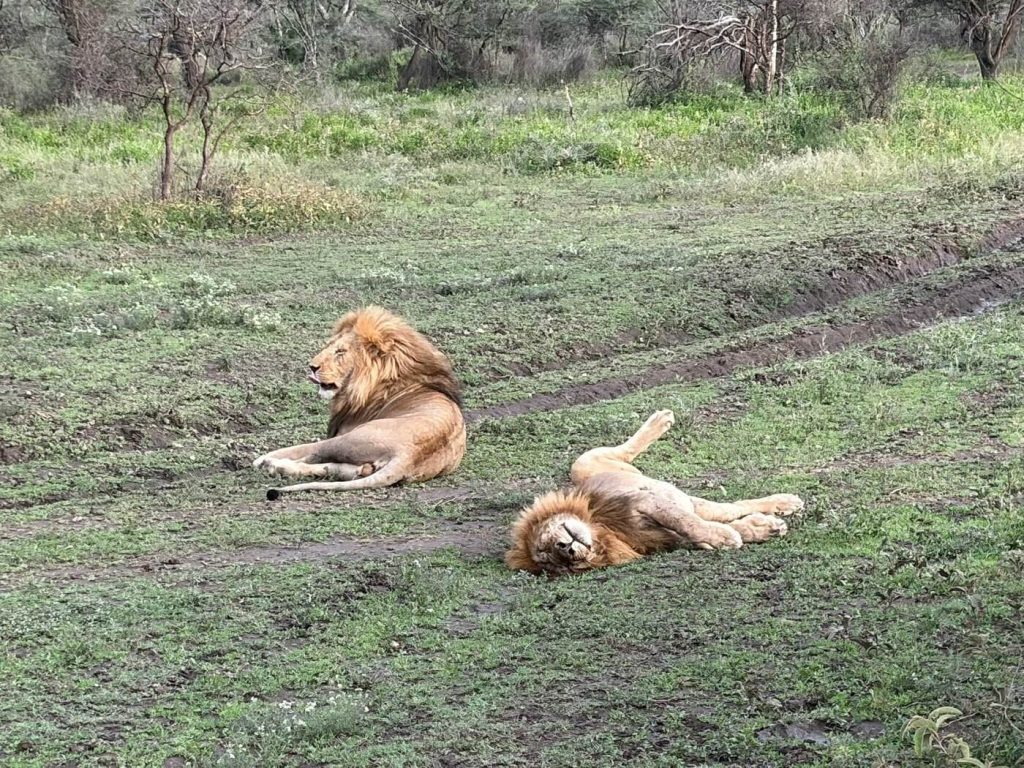
Safari veterans often prefer the “green season” because spotting animals in dense foliage, with plenty of water to go around, is more challenging and so the rewards seem greater. The dry season is traditionally the “high season” for safaris because, among other factors, animals congregate around waterholes and are easier to spot (more about the “best time to go on safari”). During the green season, the animals are more spread out, the grass is tall, and the bushes are bushy. A safari is therefore more of an adventure; you never know what you’ll get to see, so it can be more exciting. The green season is therefore good for repeat safari clients who are not necessarily ticking off lists of animals they want to see for the first time.
2: It’s Cheaper to Go on Safari during the Rainy Season
The best deals on safari lodging are always during the “rainy season”. Some camps use this time to close down entirely and refurbish. Other camps may not be open due to poor road conditions during the rain. But the camps that stay open cut their rates, and you can benefit greatly from reduced prices. South Africa is probably the only major safari destination that does not slash its prices during the “wet season”.
3: Wildlife Parks and Reserves are Less Crowded
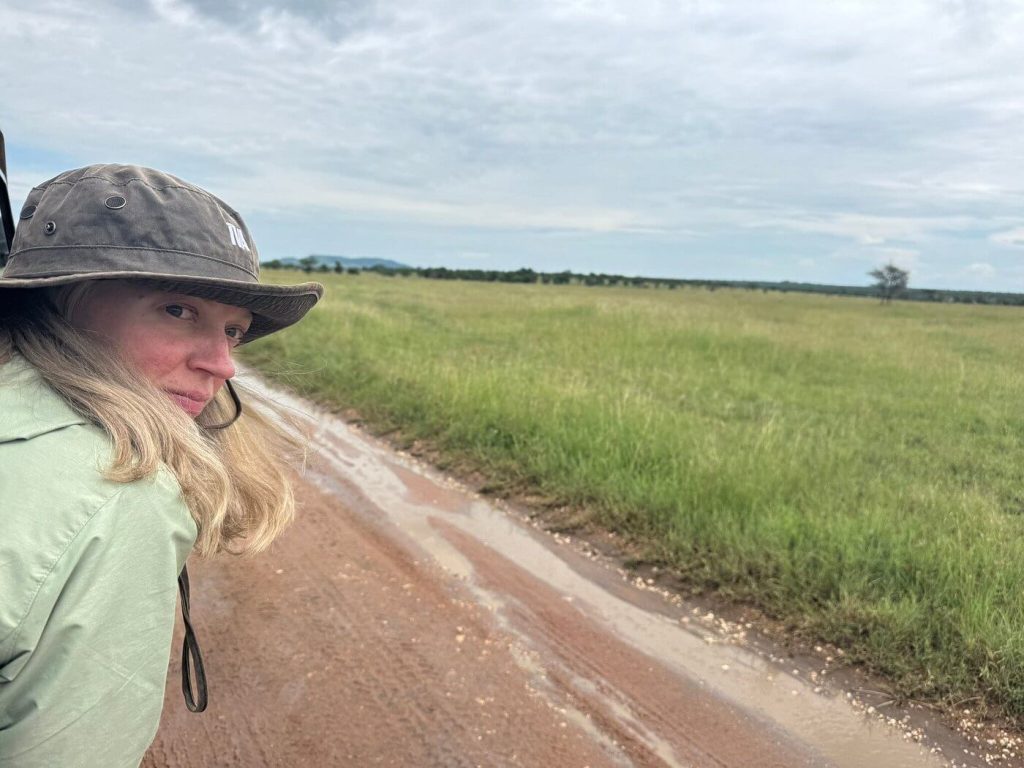
As with any off-season, the crowds are fewer, and this is really a wonderful benefit to a safari at this time. No queues of Land Cruisers around a lion kill, or a race with other vehicles to spot a leopard. If you want to go gorilla tracking, it’s easier to get permits during the rainy season.
4: it’s baby boom time
It’s baby season in the bush since water and food are in much higher supply; many animals give birth at the beginning of the rainy season. Baby animals attract predators, so there’s lots of opportunity to witness nature at its most exciting.
5: It’s a Twitchers Paradise
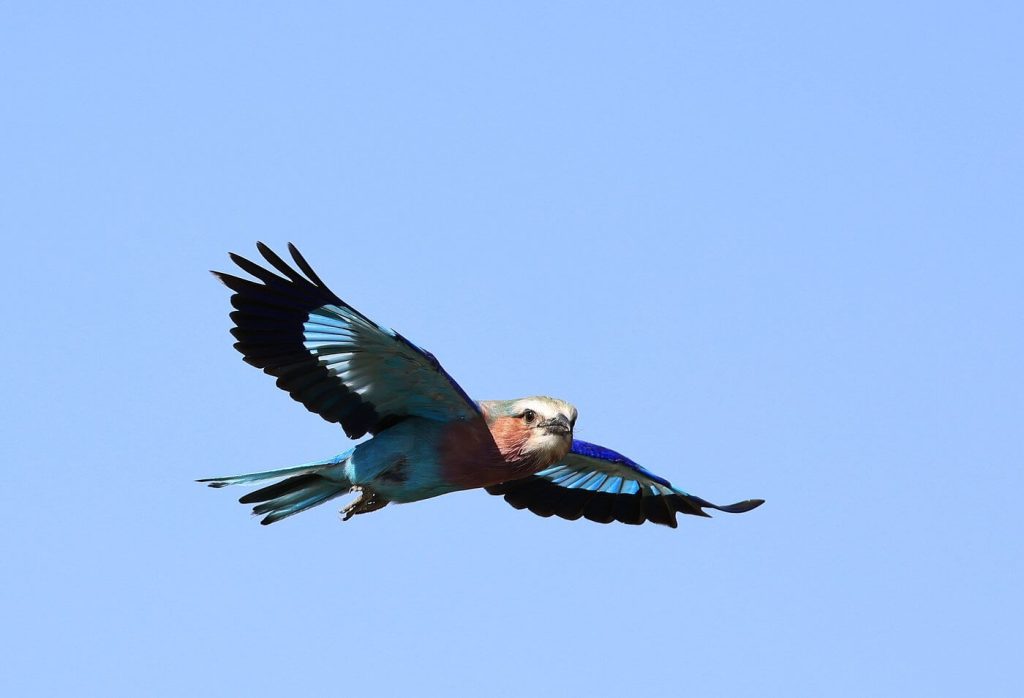
The best time for bird watching in both east and southern Africa is during the wet season, as flowers bloom and insects abound. You may not think you’ll be excited watching birds on safari, but you will be — it’s a guarantee. Insects are also abundant, watch the dung-rollers at work and enjoy the huge rain spiders that come out!
Day 6: Things to Keep in Mind During Low Season
Because the foliage is thicker, and animals are more widely dispersed, it’s even more essential to have a good guide on your safari. In general, the more luxurious safaris also hire better-qualified guides, and their vehicles are also better equipped with tiered seats and open sides to make spotting animals easier. Many tented camps and mobile camps shut down during the heavy rains between March and May. This is the case in Kenya, Tanzania, and Zambia in particular. Walking safaris are also suspended during this time. Check with Safari ASAP to make sure the camps you have in mind are open.
Frequently Asked Questions
Why is wildlife viewing still rewarding in the rainy season?
Even during the rainy season in Tanzania, wildlife viewing can be excellent. Animals may be more dispersed, but their behaviors, like mating, calving, and feeding, are fascinating to observe. Birds are particularly active, with migratory species arriving and locals nesting. Guides know the best spots to find wildlife, so sightings are still very rewarding. The experience is quieter and more intimate than the busy dry season.
How does the landscape change during the rainy season?
The rainy season transforms the landscape into a lush, green paradise. Rivers and waterfalls are full, and plains are dotted with wildflowers. The scenery offers stunning photographic opportunities that are different from the dry, dusty season. It feels fresh and alive, creating a magical backdrop for every safari activity. This natural beauty is one of the biggest draws of visiting during the rains.
Are there fewer tourists during the rainy season?
Yes, the rainy season is considered the off-peak period, so parks and lodges are less crowded. This means more peaceful game drives and less competition for prime viewing spots. You can enjoy wildlife and landscapes without large crowds, making the experience feel more personal. It also allows for more flexible itineraries since guides can adjust to your preferences. Travelers often find this intimacy with nature unforgettable.
Do safari prices change during the rainy season?
Safari prices are often lower during the rainy season, making it a more budget, friendly option. Many lodges and operators offer discounts or special deals to attract travelers. Flights and accommodations may also be easier to book at short notice. This allows you to experience the same parks and wildlife without paying peak-season rates. For many, it’s a smart way to enjoy a high, quality safari at a better value.
What unique experiences are available during the rainy season?
The rainy season offers experiences you might miss in the dry months. You can witness calving season, enjoy vibrant birdwatching, and see rivers and waterfalls at their fullest. The soft light and dramatic clouds make photography especially rewarding. Walking safaris and cultural visits are often more enjoyable with fewer tourists around. Overall, the rainy season provides a richer, more intimate connection with Africa’s nature and wildlife.
Still have questions?
Our local safari experts are happy to help you plan the perfect African safari.





