
Table of Contents
The best time for an African safari is when the animals are easy to find and in large numbers. Deciding when to go on safari depends on which country you would like to visit and when you are able to plan your trip. Seasons differ in East and Southern Africa, so you can really plan a great safari for almost every month of the year, if you are flexible about where you want to go.
Below you’ll find a country-specific guide for the absolute best time to plan a safari. On this page, you’ll find a month-by-month guide for the best country to visit for a safari.
If you still have questions about planning your safari, you can always e-mail me.
Best time to go to Kenya for a Safari
The best time to go on safari in Kenya and experience a huge density and diversity of wildlife is when the annual migration of millions of wildebeest, zebra, and gnus descends on the Mara plains with predators close behind. The best time to see this wildlife spectacle is from July to October. Other parks in Kenya are also excellent, and the best time to visit these would be during the dry seasons — January through March and July through October.
With the scarcity of water during the dry seasons, the animals tend to gather in more concentrated numbers around permanent water holes, rivers, and lakes, so they are easier to find. The vegetation is also less lush, which simply means that viewing animals from a distance is easier.
Best time to go to Tanzania for a Safari
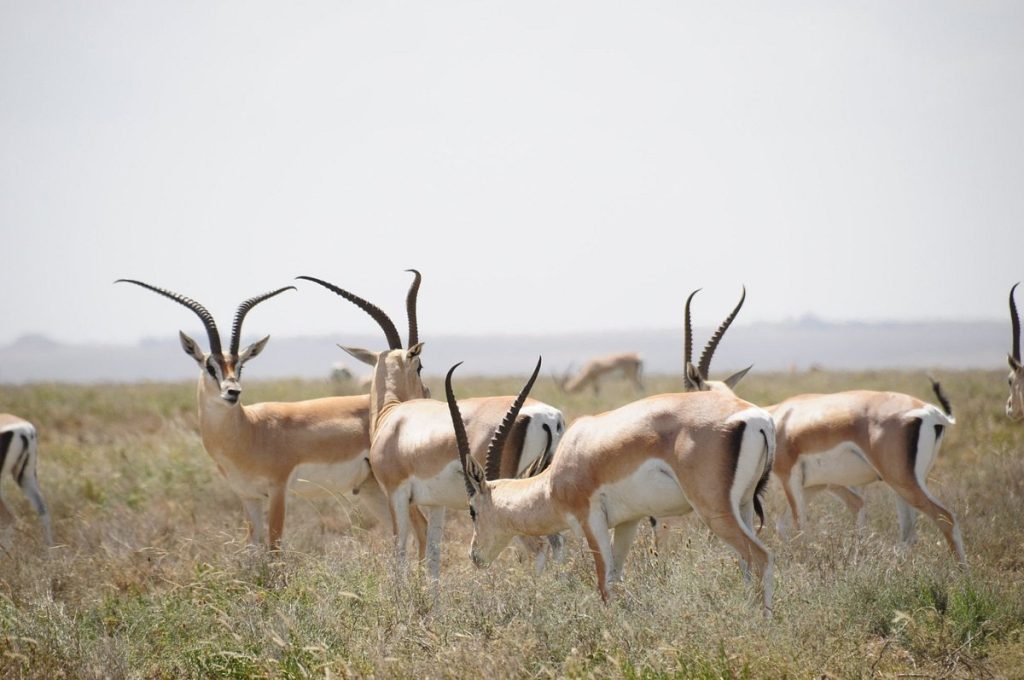
If you want to see the Great Migration unfold, head to Tanzania’s northern parks: the Serengeti and Ngorongoro. The best time to witness the migration is probably February – March when the wildebeest and zebra have their young.
Not only can you enjoy seeing baby animals, but the predators are at their highest numbers, too. Because the herds also concentrate in the south of the Serengeti, it’s easy to plan your wildlife viewing with Safari ASAP.
June to November is Tanzania’s dry season and is the best time to visit all the parks (and you can always hop over to Kenya’s Masai Mara to witness the Great Migration during this time). Tanzania’s Southern Parks are perfect to visit during this time since the animals tend to congregate around permanent water, and it isn’t so hot and humid.
All of Tanzania’s parks suffer from the rains, which generally fall from March to May in the North, and from November to May in the South and West. Roads get washed out, and given the sheer size of Tanzania’s parks, the animals tend to spread out, and this makes wildlife viewing less satisfying (if you’re looking for sheer numbers of animals).
December through March can get quite hot and humid, especially in Western and Southern Tanzania, which makes it a little uncomfortable to spend a lot of time in the bush. If you want to add a hike up Mount Kilimanjaro to your safari, the best time to hike is January – March and September – October.
Best time to go to Uganda for a safari
Uganda has some very good National Parks, which are best visited from December to March or June to September, when it is predominantly dry. Most people who choose Uganda as a safari destination go to see the Mountain Gorillas. Although rain is likely all year round, the rainy seasons make the trek up to the gorillas particularly difficult, so avoid the months of March-April and October-November.
Best time to go to Zambia for a safari
The best time to enjoy Zambia’s wildlife is from September through mid-November, which is the end of the dry season. Elephants abound, and large herds of buffalo, impala, zebra, and others congregate in the Lower Zambezi Valley. April to September is also a good time to go, but beyond these months, many parks in Zambia all but shut down due to impassable roads. In November, there’s a smaller version of the Great Migration where 30,000 wildebeest gather in Zambia’s Liuwa Plain National Park, which is not witnessed by many, but is worth trying to plan a trip around.
The Victoria Falls are at their most impressive in March and April after the rainy season. You will get totally soaked to the bone with the thunderous spray coming off the falls at this time of year.
Best time to go to Zimbabwe for a safari
July to October is the best time to go to Zimbabwe’s excellent wildlife parks, especially Hwange, the largest game reserve in the country.
White water rafting on the Zambezi is best from August to December when the water is low and the rapids are fast.
The Victoria Falls are at their most impressive in March and April after the rainy season. You may have difficulty seeing all of the falls due to massive amounts of spray; it can be quite torrential.
Best time to go to Botswana for a safari
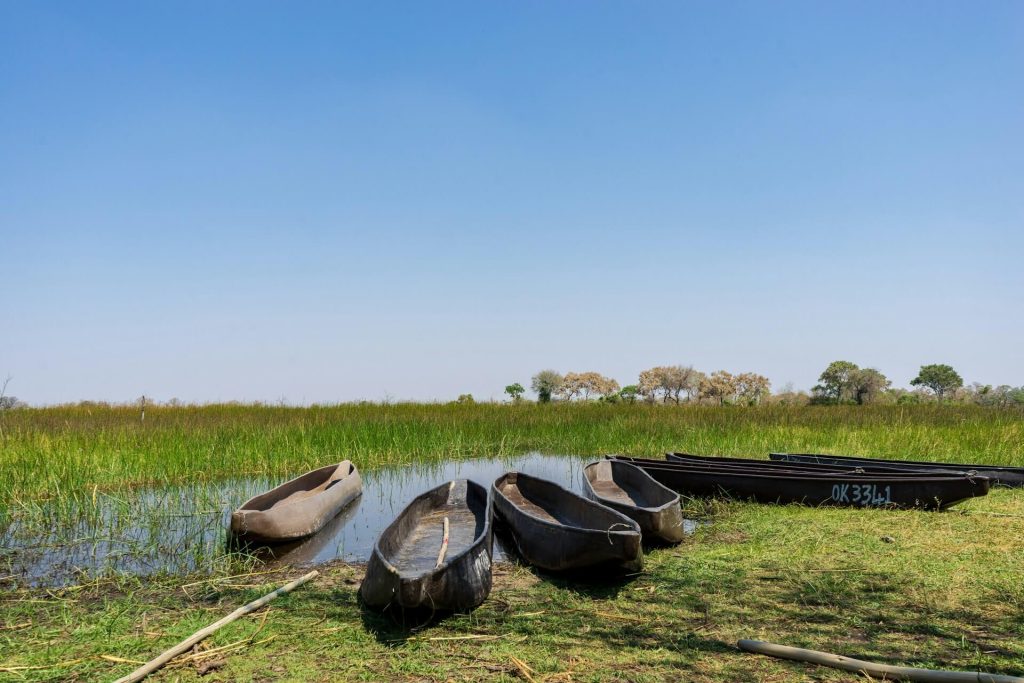
June through September is the best time to go on safari in Botswana. There is little chance of rain, and the weather is still nice and warm during the day. Huge herds congregate around the Okavango Delta during this time, making a trip in a mokoro (traditional canoe) extremely rewarding.
Botswana is one of Africa’s most expensive safari destinations because many of the parks are inaccessible by road and you have to charter a small plane to get there. If you have your heart set on Botswana’s excellent parks, but can’t quite afford them, check out some of the shoulder season deals in April, May, and October.
Best time to go to Namibia for a safari
Etosha National Park is Namibia’s prime safari destination, and the best time to visit is from May to September. This is Namibia’s dry season (despite being mostly desert, there are still seasons in Namibia!), and animals congregate around the water holes, making viewing easier.
Many birders come to Namibia, and the best time to visit is during the summer months from December to March, but be prepared for some very hot and humid weather.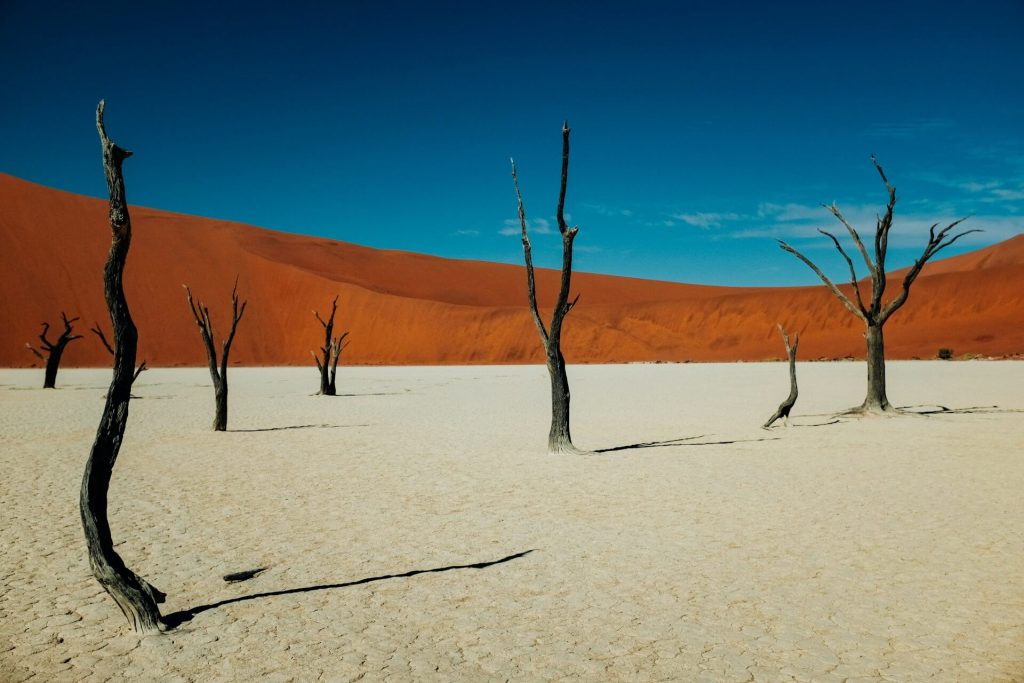
Best time to go to South Africa for a safari
The prime safari areas in South Africa around Kruger National Park are best visited from June through September when the weather is cooler and dry. But South Africa’s wildlife parks have better infrastructure than most parks in Africa, so rain doesn’t necessarily mean the roads will be washed out. There are also many excellent game parks in South Africa’s Eastern Cape region which experiences less rain during the winter months than in the north of the country.
Frequently Asked Questions
When is the best overall time to go on a safari?
The best time for a safari in Tanzania is usually during the dry season, which runs from June to October. During this period, animals gather around water sources, making them easier to spot. The vegetation is also thinner, so visibility is much better. The weather is generally sunny and pleasant, with less chance of rain. This makes it the most popular time for wildlife viewing.
Is the rainy season a bad time for a safari?
The rainy season is not necessarily a bad time, but it offers a different kind of experience. From March to May, heavy rains can make some roads difficult to access. However, the landscape becomes lush and green, which is beautiful for photography. There are also fewer tourists, making it feel more peaceful and less crowded. Birdwatching is especially rewarding during this time as migratory species arrive.
When is the best time to see the Great Migration?
The timing of the Great Migration depends on where you are in Tanzania and the movement of the herds. In the Serengeti, the dramatic river crossings usually happen between July and September. Earlier in the year, around January to March, you can witness the calving season in the southern plains. Each phase of the migration offers something unique and exciting. It’s best to plan your trip based on what part of the migration you want to see.
How does the time of year affect wildlife viewing?
Wildlife viewing changes throughout the year depending on water availability and weather conditions. In the dry season, animals are easier to find because they gather in predictable areas. During the wet season, animals spread out more as water is widely available. This can make sightings a bit more challenging but also more adventurous. Each season brings its own rhythm and surprises in the wild.
What should I consider when choosing my safari timing?
When choosing the best time, think about your priorities like wildlife, weather, budget, and crowd levels. Peak season offers amazing sightings but can be busier and more expensive. Off, peak months may be quieter and more affordable, with unique scenery and experiences. You should also consider school holidays and personal schedules. In the end, the best time is the one that matches what you want most from your safari.
Still have questions?
Our local safari experts are happy to help you plan the perfect African safari.





