Table of Contents
From the air, the great salt pan that characterizes the Etosha National Park will have you questioning your eyes … is that snow in the middle of this desert-like area? The Etosha salt pan is so large that it can be seen from space, and yet all around this snow white expanse, which is completely dry in winter, is an unbelievably abundant population of thriving wildlife. In winter, the animals regularly congregate around the 15 permanent water holes, making game-viewing incredibly easy and rewarding. You have to see it to believe it!
Four of the Big Five, Unique Landscape, and other Highlights
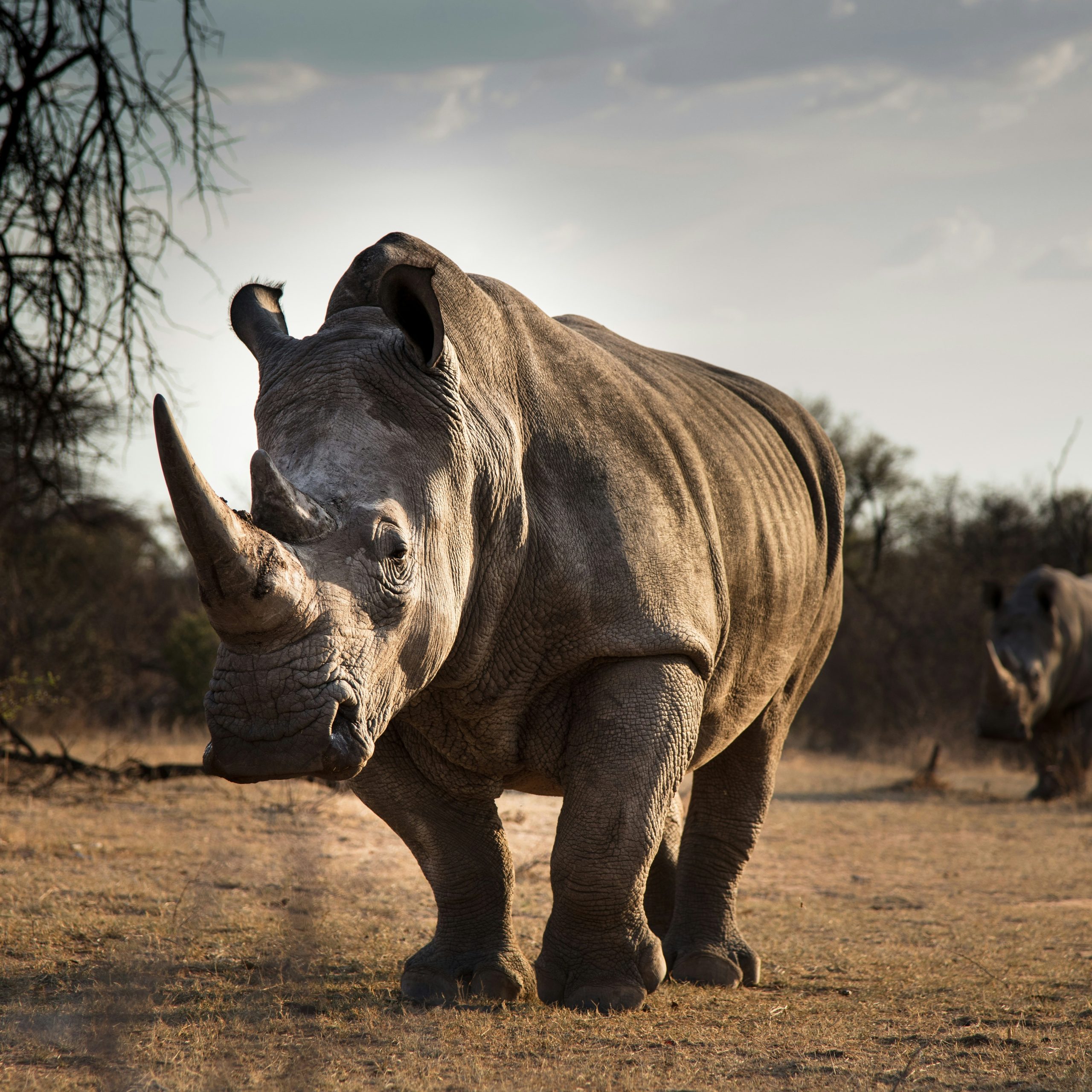
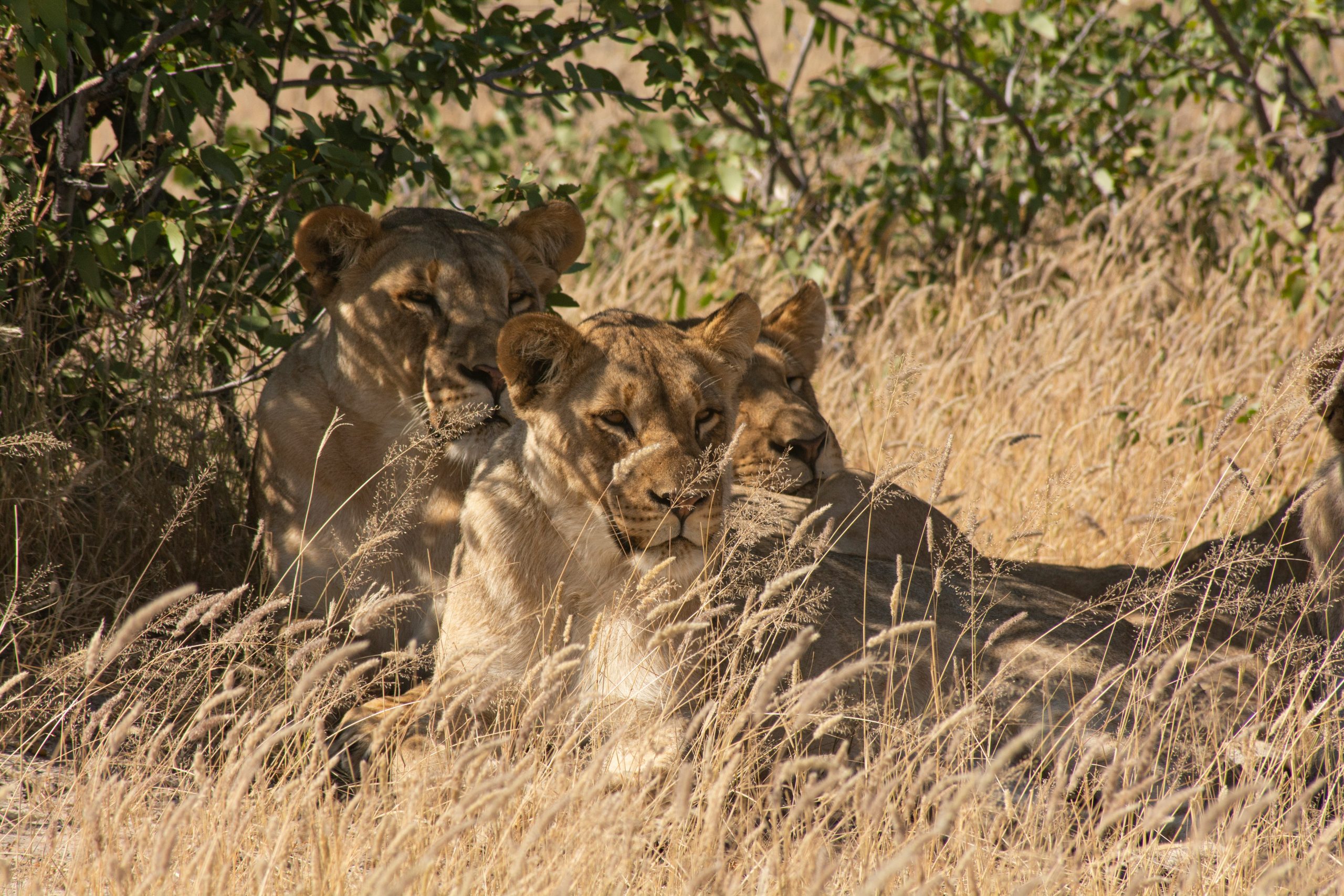
There are no African Buffalo at Etosha, but there are large populations of Lion and Elephant, which are commonly seen in the Park. The elephants are among the largest African Elephants to be found on the continent due to the particular minerals that are found in the soil of the Etosha Park, and you are guaranteed good sightings, particularly in winter, when they can often be seen wallowing in the water holes. The lions are also more easily spotted here due to the sparse vegetation. As is usually the case with Leopard, they tend to be the most elusive of the Big Cats, however, they also need to drink and are frequent night visitors to the waterhole at Halali camp. You should have no problem viewing the critically endangered Black Rhino, especially at the water holes.
Unique Landscape
The enormous Etosha pan is one of the park’s best draw cards. The name “Etosha” means “great white place” in the language of the Ovambo tribe, and it is truly a sight to behold! In winter, the entire pan becomes a bone-dry expanse of white powder, while in summer, when the rains arrive, it is transformed into a shimmering green and white lake, albeit only about 10cm deep. Salt springs in the pan have formed little hillocks here and there that the animals use as salt licks during the dry season, adding to the unusual appearance.
The Water Holes
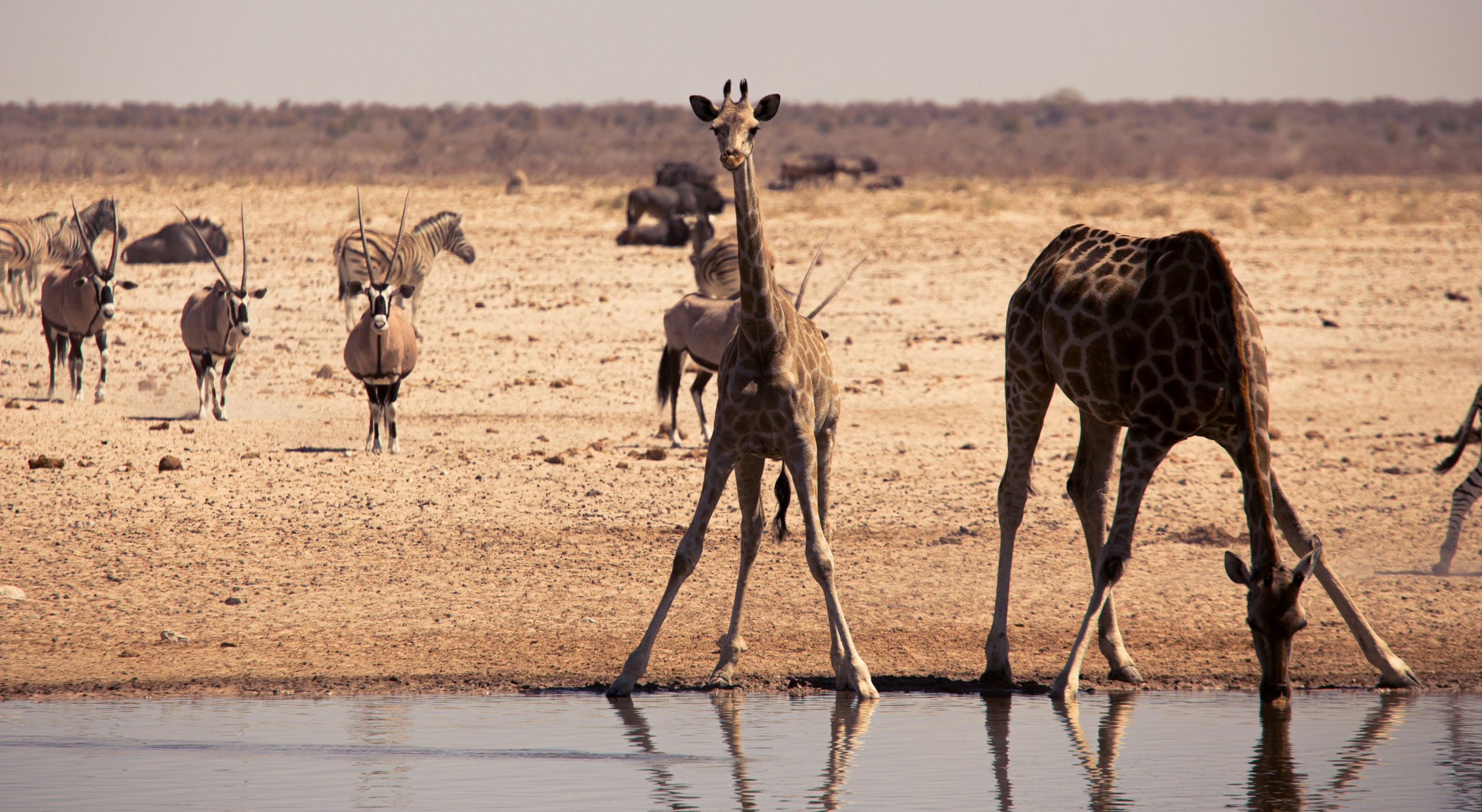
In Etosha, all the action happens around the permanent water holes! You just have to find a quiet spot to park and wait for the animals to come to you. The three main rest camps are all situated on or near one of the water holes, and two of these are flood-lit at night, allowing you to see some of the shyer species as they come to slake their thirst. It is not at all unusual for a kill to happen near one of these spots… the Lion just has to be patient and sit and wait! Leopards are regular nocturnal visitors at the Halali water hole, while rhinos and elephants often frequent the Okaukuejo water hole.
Bird Watching and Photography
The unique topography and varied habitats in the Etosha Park offer premier opportunities for wildlife photography and Birders will enjoy all the European migratory birds that come to Etosha to over-winter, the colourful European Bee-eater is a prime example. One of the most remarkable sights is the arrival of huge flocks of thousands of migrating Flamingos, which descend on the Pan some years after heavy rains.
Safaris in the Etosha National Park
Embarking on an Etosha Safari is a real adventure, and you will get the opportunity to see large numbers of grazers, including Giraffe, Zebra, Springbok, and other antelope, while Cheetah, Black-backed Jackal, and other smaller mammals are also very commonly seen. The best safari option is to plan to spend a night or two in a couple of the rest camps so that you can see different habitats. Each of the rest camps will have morning and afternoon game drives, and recently night drives have been arranged for the first time in the 100-year history of the Park. (Private vehicles are strictly not allowed to drive at night, and gate-closing hours are strictly enforced.
Other Activities in and around Etosha
Star Gazing – Etosha is all about the wonderful landscape and the creatures that roam here as they have done for a century. However, when the sun sets after another perfect day in the African Bush, the stars come out to enchant you. Here in the heart of the Etosha National Park you have no city light pollution and you will get a whole new perspective on the Milky Way. What could be better than sitting in the quiet bush, under the starlit sky and sharing tales of wonderful sightings around the camp fire?
Pampering – If all the excitement of the safari has you exhausted you could visit one of the private Game Reserves which border the Park. These smaller Reserves offer other activities such as clay-pigeon shooting, walking trails and a few have wellness Spas for a little pampering.
Accommodation at Etosha National Park
There is a wide choice of accommodation options in and around the Etosha Park, with something to suit all tastes and budgets. The private reserves that are dotted all around the boundaries of the Park offer luxury accommodation in Lodges or tented camps and all of these offer game drives in their own reserves, and day trips inside Etosha Park. There are two fairly new luxury rest camps inside the Park, Onkoshi and Dolomite, while the remainder of the camps inside Etosha have both standard and more luxurious chalets. You owe it to yourself to spend at least one night at a camp with a floodlit waterhole to experience the nightly spectacle, either at Hahali or Okaukeujo.
How to Get There
Etosha National Park is 6 hours by road from Windhoek on good tarred roads. A quicker way is to fly to Ondongwa from Windhoek (90 min) – there are daily scheduled flights on Air Namibia to Ondangwa Airport or you can arrange a private charter. From Ondangwa to Etosha is about 90min by road.
Best Time to Visit
The dry winter months (July to September) are the best time to visit Etosha; the animals congregate around the water holes and it is also cooler. However, the Etosha Pan is an amazing sight after summer rain when the Flamingos arrive and this is also when there are lots of baby animals around – a tough choice!
Frequently Asked Questions
What makes Etosha National Park unique for a safari experience?
Etosha National Park is one of the most famous wildlife destinations in southern Africa. The park is known for the large salt pan called the Etosha Pan, which is so big it can even be seen from space. During the dry season, animals gather around the waterholes, creating incredible wildlife viewing opportunities. Visitors often see elephants, lions, giraffes, zebras, and many types of antelope in one area. Because of its open landscapes and rich wildlife, Etosha offers a truly unforgettable safari experience.
What animals can visitors see in Etosha National Park?
Etosha National Park is home to a wide variety of wildlife that thrives in its dry savannah environment. Visitors frequently see elephants, lions, leopards, and large herds of zebra and springbok. The park is also one of the best places in Africa to see endangered black rhinos. Many predators, including hyenas and cheetahs, roam the area in search of prey. With more than 300 bird species recorded, Etosha is also a fantastic destination for birdwatchers.
When is the best time to visit Etosha National Park?
The best time to visit Etosha National Park is during the dry season from May to October. During this period, wildlife gathers around the park’s waterholes because water becomes scarce in other areas. This makes it easier for visitors to see many animals in a short period of time. The weather is also cooler and more comfortable for game drives. Many photographers and safari enthusiasts consider this the perfect time to explore the park.
What activities can visitors enjoy in Etosha National Park?
Game drives are the main activity in Etosha National Park and offer the best way to explore its vast landscapes. Visitors can join guided safaris or drive themselves through the park while watching wildlife along the roads and waterholes. Many lodges and camps also have floodlit waterholes where guests can observe animals at night. Photography, birdwatching, and nature viewing are also very popular activities. Every day in Etosha brings new and exciting wildlife encounters.
Where is Etosha National Park located and how do visitors reach it?
Etosha National Park is located in northern Namibia and is one of the country’s most accessible safari destinations. Many travelers start their journey from the capital city, Windhoek, which is about a five to six hour drive away. The park has several main entrances, including the well known Anderson Gate near the town of Okaukuejo. Visitors can reach the park by road, guided safari tours, or small domestic flights. Its accessibility and incredible wildlife make Etosha a highlight of any Namibia trip.
Still have questions?
Our local safari experts are happy to help you plan the perfect African safari.