
Table of Contents
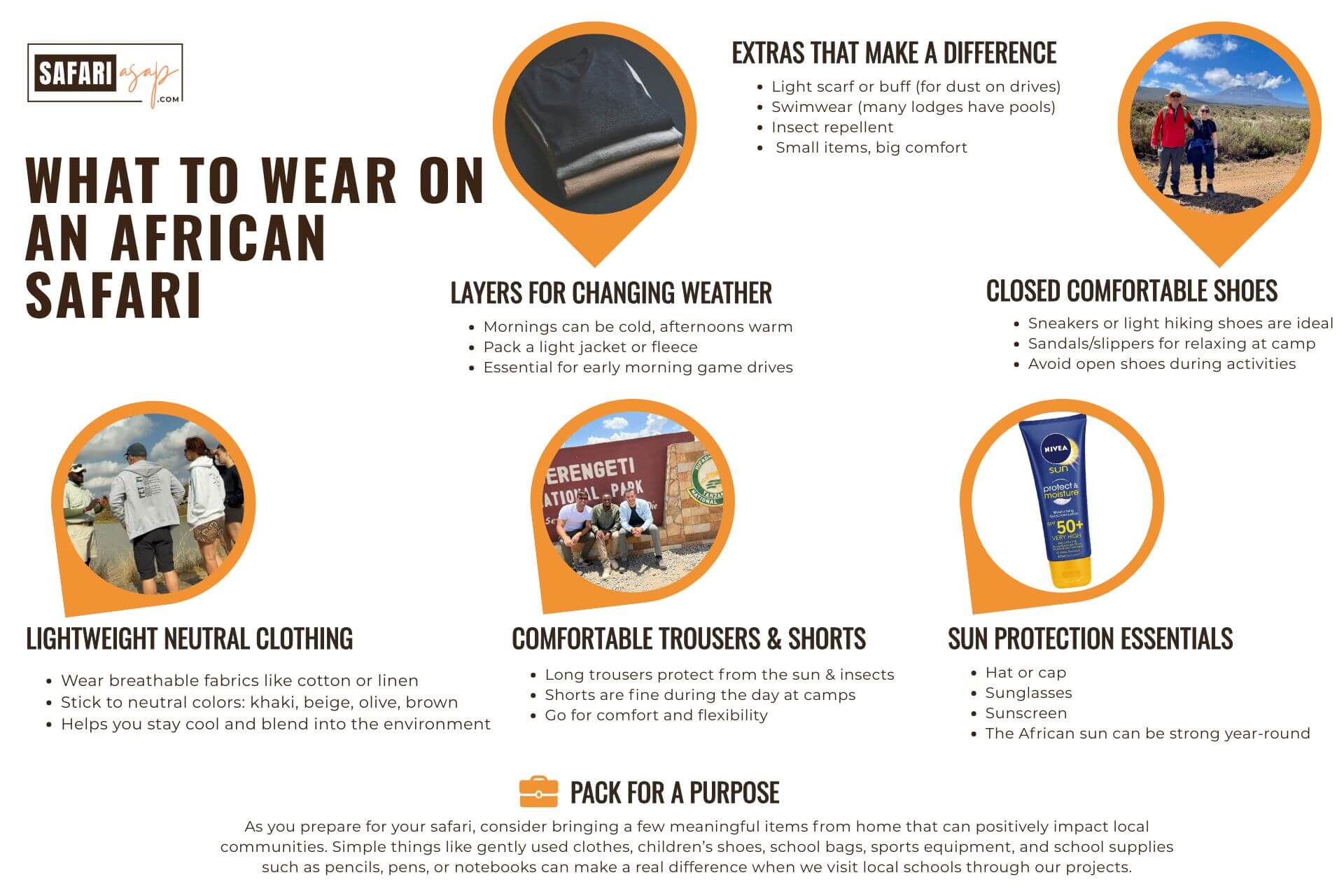
Packing for an African safari is somewhat different from most other trips you’ll take. You get a lot dirtier than you may expect because of the dusty roads. You may be surprised to know that you’ll be quite chilly on the early morning game drives, so layers are essential. You’ll need to pack lightly if you are flying between camps and parks; the baggage limit is just 10 – 15 kilos (20 – 33 lbs). If you own baggage with wheels, you may almost get to that limit without putting anything in your bag!
So packing a smallish duffel bag is, in fact, better. If you’re staying in a city before and after your safari, you may be able to leave your larger luggage behind in the hotel or company office while you’re in the bush.
Binoculars, hats, and sunglasses are as important as a good camera with extra batteries. To help you figure out what to take, and what to leave behind, here’s a list of suggestions that should cover most 7-10 day safari itineraries, and leave room for a few curios.
Not all camps and lodges offer laundry service, but many do, so check before you go. Luckily, the sun and breeze will easily dry your clothes in a few hours, so bring a little detergent.
Dressing for Your Safari
Safaris are generally casual affairs, even at the high-end camps, so no need to bring evening wear but you’ll want to be warm and comfortable. Make sure all your clothes are not too bright in color, which includes white. Bring clothes that are loose-fitting and comfortable, and you don’t mind getting dirty.
It will be chilly in the early morning when you start your game drive, so you’ll need to layer up and bring a fleece. At night, there will usually be a campfire to keep you warm, but you’ll want to wear long sleeves and trousers to cover yourself up and avoid those mosquitoes etc. The lists below should cover all the basics.
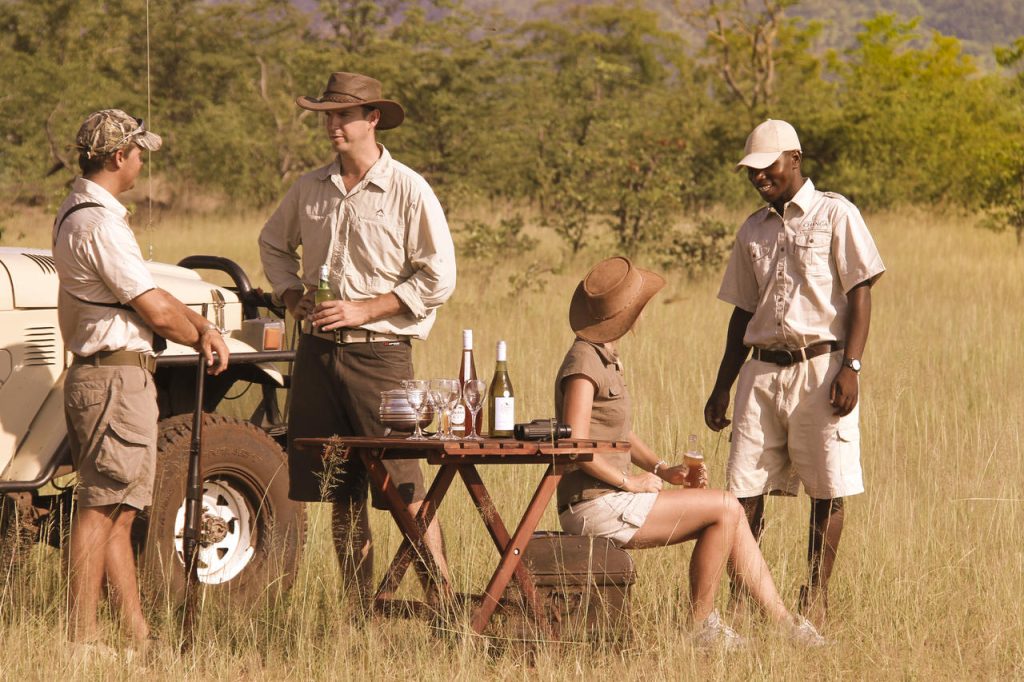
Safari Clothes for Women
- 4 t-shirts
- 2 long sleeve shirts
- 1 sweatshirt/fleece
- 1 pair of comfortable shorts
- 2 pairs of cotton trousers/pants
- 1 cotton wrap (great to wear during the afternoon siesta, buy locally if you can)
- 2 pairs of socks
- 4 pairs cotton underwear (you can wash and dry overnight)
- 3 sports bras (VERY bumpy roads)
- Very thin waterproof raincoat if traveling during the wet season
- Sunglasses (for the dust as well as bright sun)
- Flannel pajama pants for the chilly nights
- Hat with chin strap (to avoid it blowing off your head and into the bush)
- Swimsuit
- Lightweight, durable, waterproof shoes
- Flip flops or sandals for around camp, (or to wear in the shower)
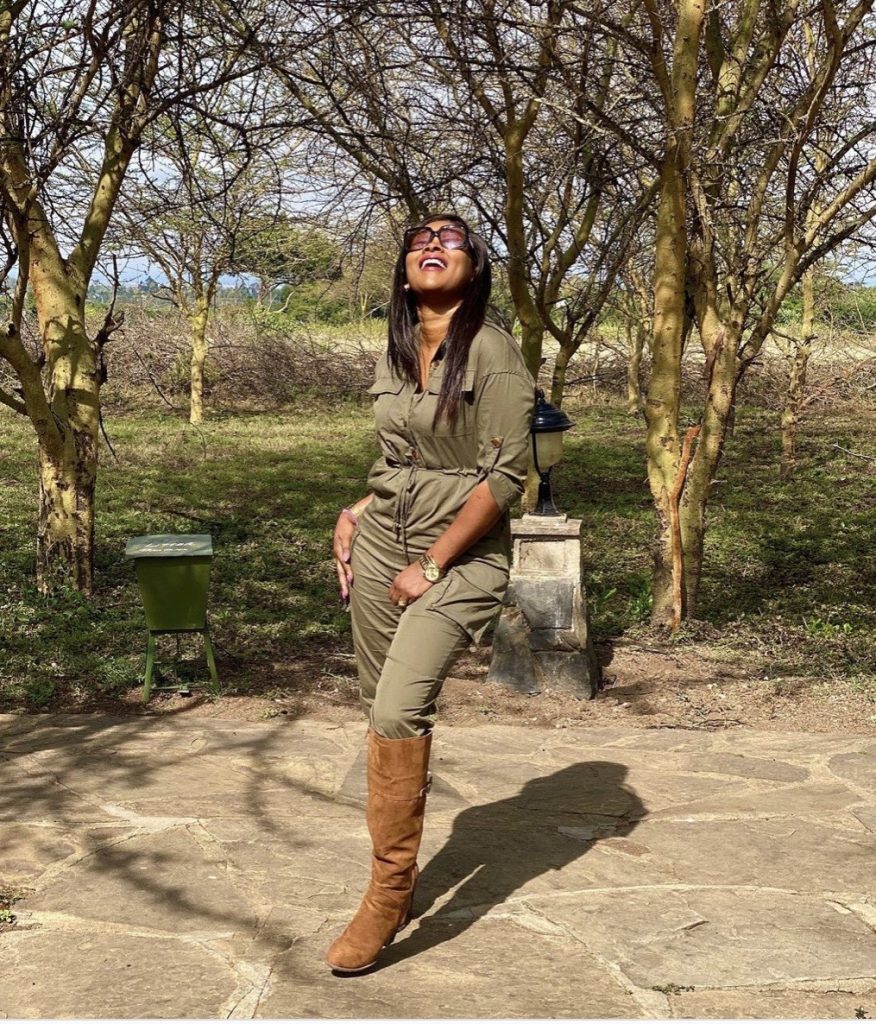
Safari Clothes for Men
- 4 t-shirts
- 2 long sleeve shirts
- 1 sweatshirt/fleece
- 1 pair of comfortable shorts
- 2 pairs of cotton trousers/pants
- 3 pairs of socks
- 4 Pairs Underwear (you can wash and dry overnight)
- Flannel pajama pants for the chilly nights
- Very thin waterproof raincoat if traveling during the wet season
- Sunglasses (for the dust as well as bright sun)
- Hat with chin strap (to avoid it blowing off your head and into the bush)
- Swimsuit
- Lightweight, durable, waterproof shoes
- Flip flops or sandals for around camp, (or to wear in the shower)
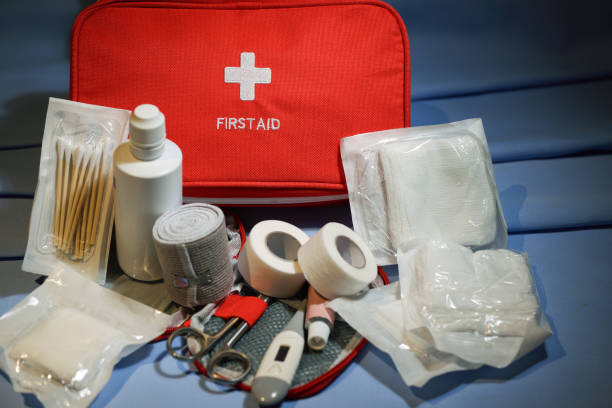
Toiletries/First Aid
Every camp or lodge will have a basic first aid kit on hand, and most safari vehicles will too (especially those operated by higher end camps). But it’s handy to bring your own small supply of hand gel, bandages, aspirin, etc.
- Malarial prophylactics
- Sunscreen (Factor 30 or above)
- Antihistamine (for bug bites/stings and allergic reactions)
- Aspirin/Motrin/Tylenol for pain/headaches
- Mosquito Repellant
- 3 one gallon ziplock bags (to keep things like your camera dry or free of dust and your dirty clothes separate)
- Tampons/Pads for women (panty-liners are a must since you’ll be drip drying after peeing in the bush on game drives!)
- Antiseptic gel (handy for washing your hands when there’s no water around)
- Anti-diarrheal medication
- Band aids with antiseptic cream
- Personal toiletries in small travel size, shampoo, soap, toothpaste, toothbrush, deodorant etc
- Prescription medications
- Spare glasses if you wear contacts (because it’s often too dusty to wear them comfortably)
Gadgets and Gizmos
- Converter plug to fit local sockets so you can recharge your phone, camera battery, i-Pad
- Small Flashlight (when walking to and from your room at night, and to use inside your tent)
- Camera (with zoom lenses and tripod if you’re serious, but remember the weight restrictions for flights)
- Extra memory card for your camera (you’ll take more video and photos than you ever thought possible)
- Binoculars (high end camps should have a spare pair in the safari vehicles for you to use)
- Spare batteries and/or battery charger (always check to see what the camp has, or safari vehicle)
- I-Pad or similar device for your books, to store your photos, alarm clock, and sound recording (fun if you have a lot of wildlife around your camp/lodge at night, it gets loud!)
- Cell phone with local plan (optional, but handy to connect with family/friends back home. Most camps will not have wi-fi, but will have a cell phone connection)
Pack For a Purpose
Many safari camps and lodges now support local community initiatives in and around the wildlife parks, reserves and concession areas. Please ask if you can bring any school supplies, medical supplies, clothing or other light objects that will help these projects. There’s a website you can check out as well – Pack For a Purpose. They have some good suggestions on how to pack these items, as well as lists of specific requests from lodges around Africa.
Frequently Asked Questions
What clothes should I pack for an African safari?
Light and comfortable clothes are best for safari trips. Neutral colors like khaki, brown, and green help you blend into nature. Mornings can feel cold, so bring a warm jacket or fleece. During the day, the weather usually becomes hot and sunny. Comfortable walking shoes and a hat will also make your safari more enjoyable.
Why is sunscreen and insect repellent important on safari?
The African sun can be very strong, especially during game drives. Sunscreen helps protect your skin from painful sunburns. Insect repellent is useful for keeping mosquitoes and other bugs away. It is smart to apply repellent in the evenings when insects are more active. Bringing these items can help you stay comfortable and healthy during your trip.
Should I bring a camera and binoculars on safari?
A camera is a great way to capture unforgettable safari moments. You may see lions, elephants, giraffes, and beautiful landscapes. Binoculars help you spot animals that are far away in the bush. Many travelers enjoy birdwatching, and binoculars make the experience even better. Do not forget extra batteries or a power bank for your devices.
What kind of bag is best for a safari trip?
A soft travel bag is usually better than a hard suitcase on safari. Safari vehicles and small planes often have limited luggage space. A lightweight bag is easier to carry and pack. It is also helpful to bring a small backpack for daily game drives. Keeping your important items organized will make traveling much easier.
Are there any personal items I should not forget on safari?
You should always pack your important medicines and basic toiletries. A reusable water bottle is useful for staying hydrated during long drives. Sunglasses and lip balm can help protect you from the dry weather. Some travelers also like bringing a flashlight or headlamp for the evenings. Having a few personal comfort items can make your safari feel more relaxing and enjoyable.
Still have questions?
Our local safari experts are happy to help you plan the perfect African safari.





