
Table of Contents
- Where is the Masai Mara National Reserve?
- Masai Mara’s Wildlife
- Things to Do in and around the Masai Mara Reserve
- How to get to the Masai Mara
- Park Entry Fees
- Where to Stay in the Masai Mara Reserve Area
- Lodges and tented camps inside the reserve include
- Budget Accommodation in the Masai Mara
- Frequently Asked Questions
The Masai Mara National Reserve is Kenya’s premier wildlife park. It was established in 1961 to protect wildlife from hunters. The Masai Mara is the reason many visitors come to Kenya and its beauty and abundant wildlife won’t disappoint. This guide to the Masai Mara will tell you what animals you can expect to see, the topography of the area, where to stay, how to get there, and what there is to do beyond the game drives.
Where is the Masai Mara National Reserve?
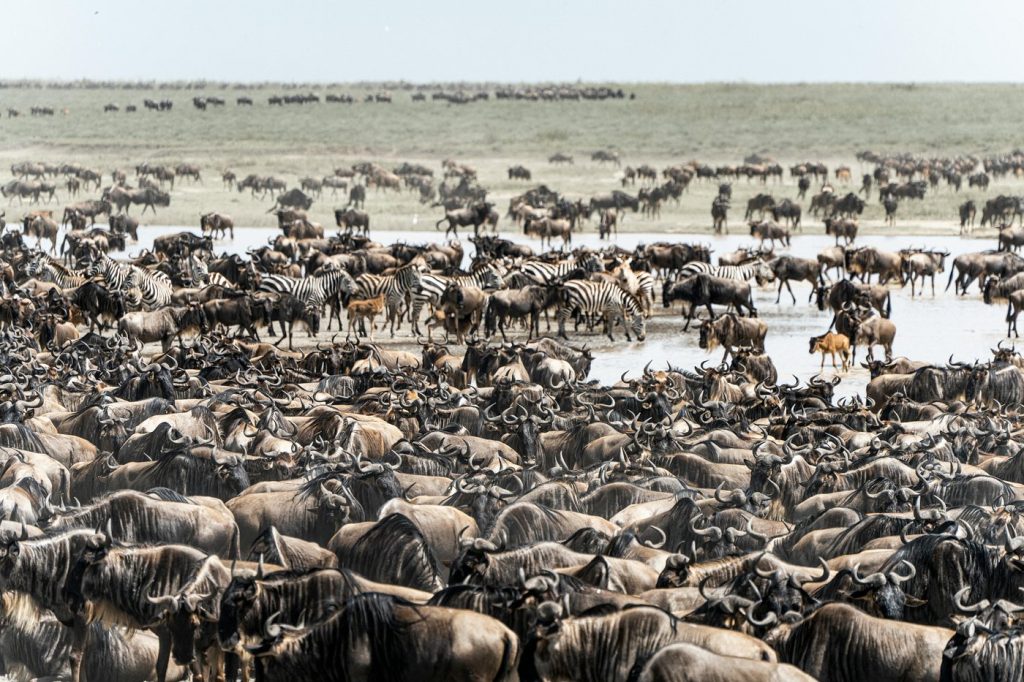
The Masai Mara is in southwestern Kenya on the border with Tanzania. The reserve is situated in the Rift Valley with Tanzania’s Serengeti Plains running along its southern end. The Mara River runs through the reserve (north to south), hosting plenty of hippos and crocodiles and making the annual migration of over a million wildebeest and hundreds of thousands of zebras an extremely dangerous undertaking.
Most of the Masai Mara is made up of hilly grassland, which is fed by plentiful rain, especially during the wet months between November and June.
The areas bordering the Mara river are forested and are home to over several hundred bird species.
Masai Mara’s Wildlife
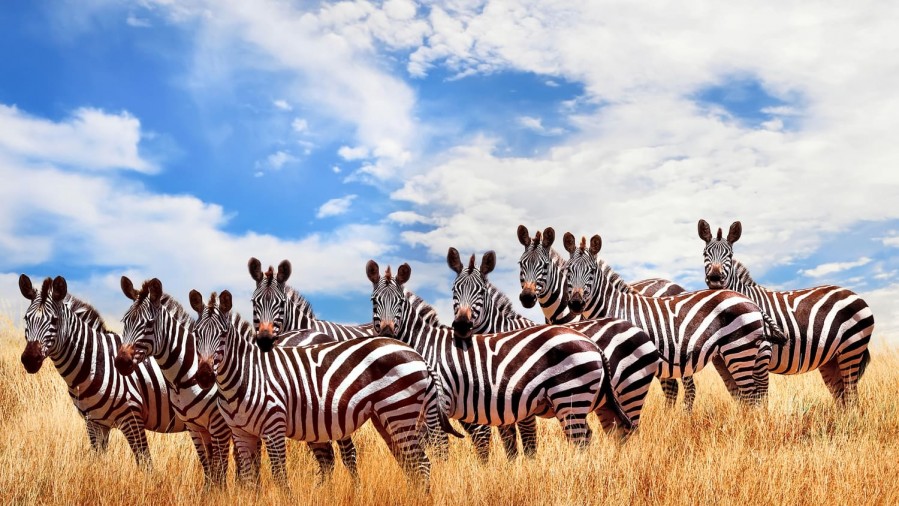
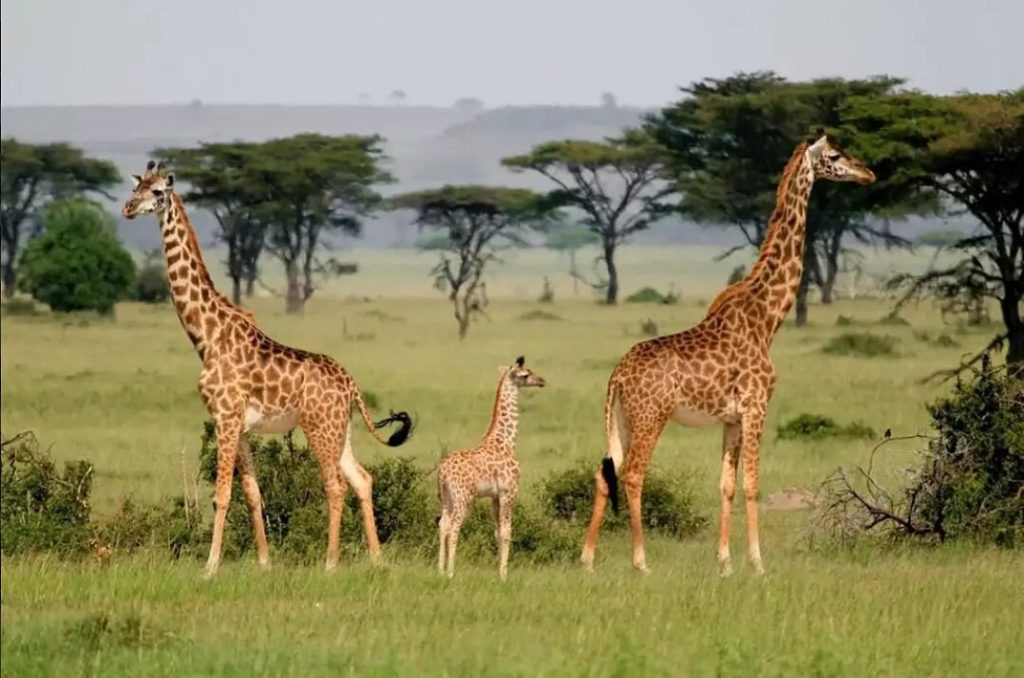
The Masai Mara reserve is Kenya’s most popular game park because it’s relatively small (a little smaller than Rhode Island), yet it hosts an amazing concentration of wildlife. You are almost guaranteed to see the Big 5. Lions abound throughout the park as do leopards, cheetahs, hyenas, giraffe, impala, wildebeest, topi, baboons, warthogs, buffalo, zebra, elephants, and of course, hippos and crocodiles in the Mara River.
The best time to go is between July and October when the wildebeest and zebra are at their highest number and offer plenty of food for lions, cheetahs, and leopards. The best time to view animals is either at dawn or dusk.
Because the reserve has no fences, you can actually see as much wildlife within its boundaries as outside in the areas inhabited by the Maasai tribes.
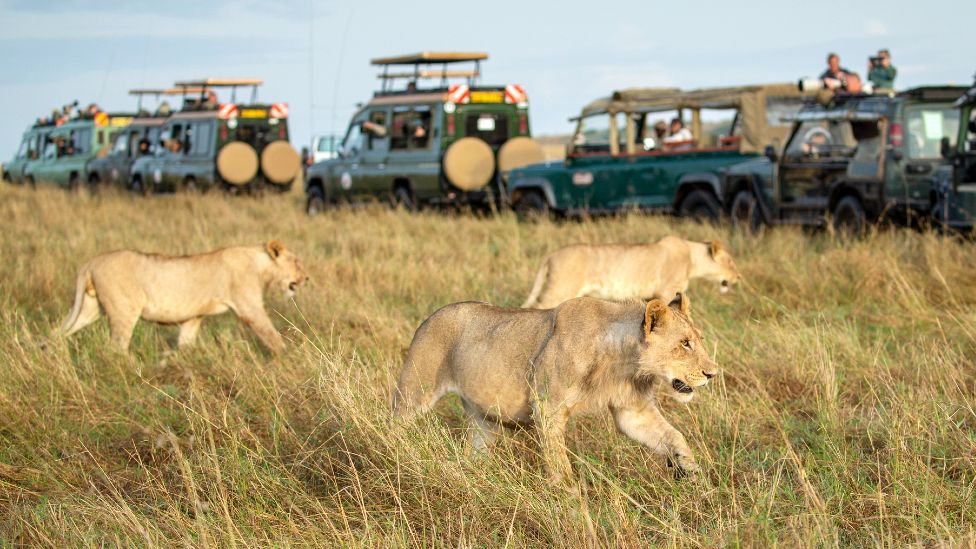
In past years Jake Grieves-Cook approached the Maasai who owned the land adjacent to the Reserve and offered to lease parts of it from them. In exchange, the Maasai promised to vacate the land and not graze their cattle on it. The land quickly reverted to dense grassland and wildlife is thriving. The Maasai are paid rent, and many families are benefiting from employment at some of the eco-friendly camps that have been set up. Tourist numbers and safari vehicles are strictly limited, which translates into a much better safari experience all around.
Things to Do in and around the Masai Mara Reserve
Game Drives.
If you have flown straight to the Masai Mara Reserve, then your safari package will usually include several daily game drives. If you’ve rented your own vehicle, then it is recommended you find a map of the reserve or take an askari (guard) with you.
Walking Safaris.
If you enjoy a little adventure, try a walking safari with a Maasai guide. The best ones are outside the reserve boundaries in the Conservancies.
Cultural Tours with the Maasai.
Visiting a traditional Maasai village is frequently included in a safari package to the Masai Mara. While not really an authentic experience, you may learn something about the Maasai. You can also take some excellent cultural tours to learn more about the Maasai.
Hot Air Ballooning
This is a popular pastime that provides an expensive but unique experience. Every lodge and camp will be able to set up a flight for you. The balloons usually fly at dawn and last about an hour. Upon landing, most balloon companies offer a champagne breakfast.
How to get to the Masai Mara
The Masai Mara Reserve lies 168 miles from the capital city of Nairobi. The trip takes at least 6 hours by car because the roads are quite poor and should not be attempted unless you have a 4WD vehicle. If you do plan to drive, avoid the rainy season since many of the roads become totally impassable. For further information on road routes, see Kenyaology’s very comprehensive guide to driving to the Masai Mara Reserve.
Many tourists choose to fly into the Masai Mara National Reserve because of the poor quality of the roads. But flying makes your safari quite a bit more expensive (since you have to then add the game drives to your tour), and you miss out on some of the adventure of traveling in one of Africa’s more remote areas.
Many safari packages include air, but you can also purchase a ticket locally. Safarlink offers two scheduled flights a day from Wilson Airport; the flight takes 45 minutes.
Park Entry Fees
In 2026, the entry fee for the Masai Mara Reserve is $100 per adult per day (subject to change at any time to $200 from July 2026) If you don’t enter the Reserve and view the wildlife from outside, you may still get charged a fee for staying on Maasai land by Maasai tribesmen, but in most cases this will be included in the price of your safari lodging.
Where to Stay in the Masai Mara Reserve Area
The Masai Mara has plenty of places to stay for those looking for luxury accommodation at an average of around $200 – $500 per night. The Mara is home to some of the best tented luxury camps in Africa, with flushing toilets, haute cuisine, and sundowners served by waiters wearing white gloves.
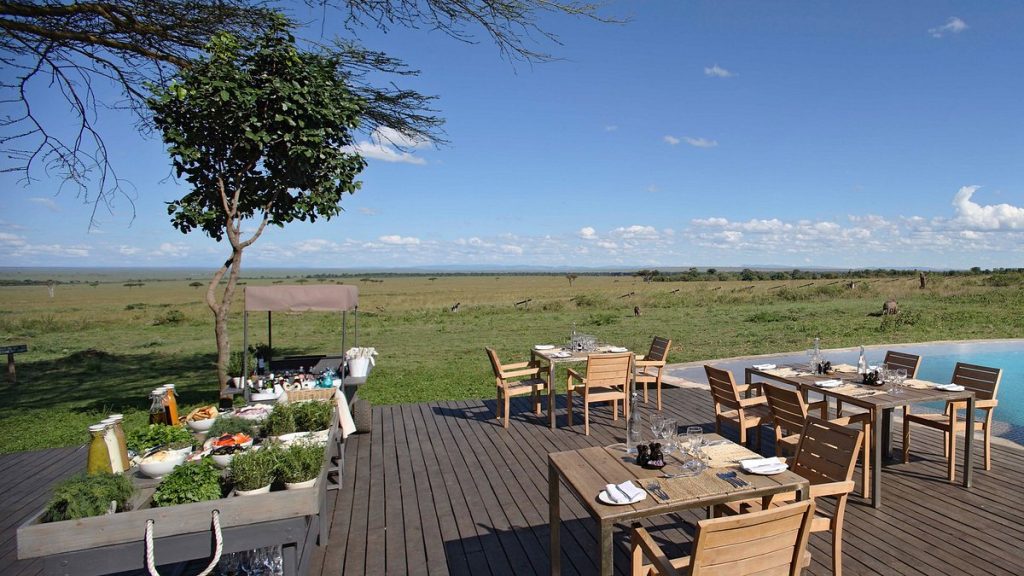
Lodges and tented camps inside the reserve include
- Mara Serena Lodge. This luxury lodge is beautifully situated on a hilltop overlooking the Mara River. It’s the perfect location during the great wildebeest migration. The hotel is well laid out and integrated into its surroundings. It has 74 ethnically decorated rooms, a swimming pool, bar and restaurant.
- Keekorok Lodge. The first lodge was built in the Masai Mara Reserve, and they chose one of the best spots. During the annual migration guests have been known to watch a lion kill from the bar. The hotel has 158 rooms in various styles, some are chalets and some are bungalows. There’s also a swimming pool (and one for hippos next door), a bar and restaurant.
- Mara Simba Lodge. An environmentally friendly luxury safari resort, the Mara Simba lodge is set on the banks of the Talek river inside the Masai Mara Reserve. There are 84 rooms each with their own verandah overlooking the river. There’s a restaurant, swimming pool, shop and bar.
- Governors Camps. There are 4 campsites owned and run by the Governors Camp group. All are luxury tented camps in beautiful settings inside the Masai Mara Reserve. The largest is the original Governors Camp with 36 tents situated along the banks of the Mara River. The Little Governors Camp is more intimate with just 17 luxury tents situated around a waterhole where you can enjoy a bonfire at night while sipping excellent wine.
- The Governors’ Ilmoran Camp offers the height of luxurious camping with just 10 tents each with their own verandas, flushing toilets, Victorian baths and comfortable beds. The food is of course excellent as well. Rates start at $390 per person sharing a double tent, this includes food, game drives and accommodation.
- The Governors Private Camp is as luxurious as the Ilmoran Camp but even more exclusive since only single parties are able to rent it out at one time. A minimum of 4 guests must stay for at least 3 nights.
- Sarova Mara Tented Camp. Easily accessible, this tented campsite is quite large with 75 luxury tents set in beautiful gardens with streams on either side of the property. There’s a main lodge with a bar, restaurant, and swimming pool.
- Mara Intrepids Club. Situated above a bend in the Talek River, 30 luxury tents make up this campsite. There’s a bar and restaurant area, swimming pool, and every night bait is laid out so guests get to see the otherwise elusive leopard while sipping cocktails in safety.
Since the Masai Mara Reserve is not fenced there is as much wildlife to be seen outside of the reserve as there is inside. The following lodges and campsites are therefore equal value for the visitor to the Masai Mara Reserve area:
- Kichwa Tembo Camp is a luxury tented camp with 40 tents, restaurant and swimming pool. The luxury camp was made famous because Robert Redford and Meryl Streep stayed here while filming ‘Out of Africa’. Just next to the camp is the smaller and more exclusive Bateleur Camp with 9 tents. Rates start at $445 per person per night sharing a double and include meals, drinks and game drives
- Siana Springs Camp offers luxury tented accommodation with natural springs nearby. Set at the base of the Ngama Hills this camp is one of the most established luxury camps in the Mara area. Siana Springs has a wonderful swimming pool as well as several shelters to watch game from in safety.
- Masai Mara Sopa Lodge is a large lodge on the east side of the reserve with 90 rooms each with their own balcony overlooking a valley often filled with game. The lodge has a swimming pool, restaurant and bar.
- Fig Tree Camp. The Fig Tree is situated on the banks of the Talek river and offers both tented accommodation as well as cabins. There are 2 bars, 2 dining rooms (one open-air), a tree house coffee deck and a swimming pool. There are 38 tents and 27 cabins to choose from.
- Kicheche Mara Camp is a luxury tented camp with excellent food and very quiet surroundings. This camp is popular with photographers. Rates for a 3 night package including flights to and from Nairobi, game drives, food and sundowners is $915 per person (excluding park fees).
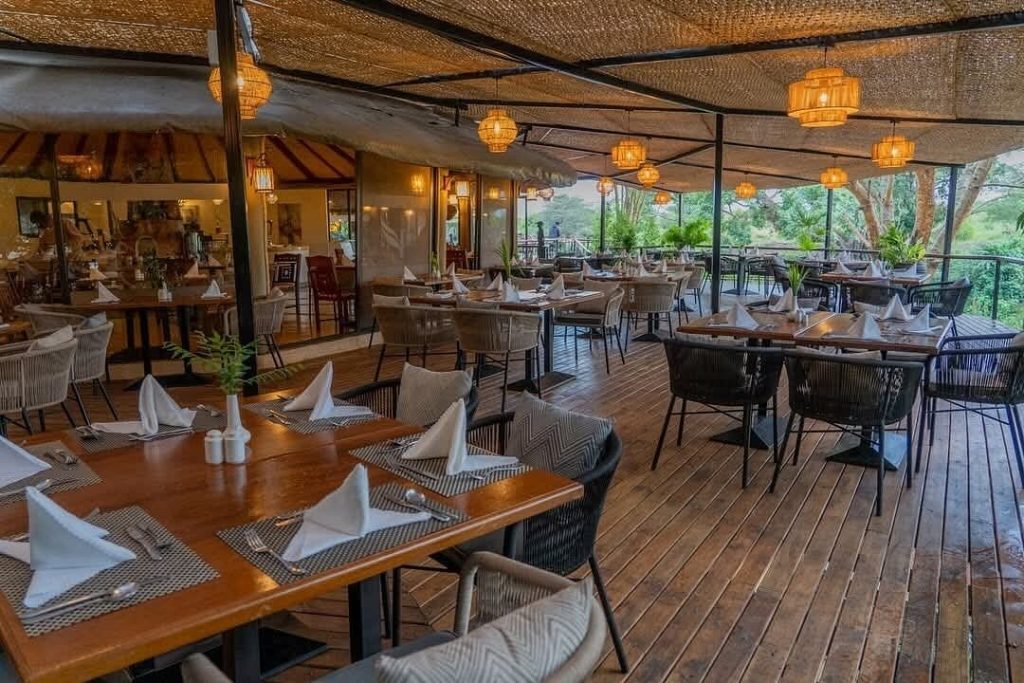
Budget Accommodation in the Masai Mara
Options for budget accommodation in the Masai Mara area are limited to basic campgrounds. There are over 20 campsites in and around the Reserve but few maps have all of them listed and some are extremely basic and a little unsafe. If you can’t book in advance try asking for information at any of the gates to the reserve. Most campsites are located near the gates so you shouldn’t have to go too far.
The Lonely Planet Guide lists Oloolaimutiek Camp Site near the Oloolaimutiek gate and the Riverside Camp near the Talek gate. Both camps are run by local Maasai.
A good way to enjoy a budget camping safari in the Masai Mara is to book with a tour operator. Safari ASAP offers a 3 day camping safari for example strting at $270 per person which includes camping, food, park fees and transport.
Frequently Asked Questions
Why is the Maasai Mara National Reserve considered Kenya’s premier national park?
The Maasai Mara is famous because it offers some of the best wildlife viewing in Africa throughout the year. Visitors can easily spot lions, elephants, cheetahs, giraffes, and large herds of wildebeest during game drives. The reserve is also known for its wide open grasslands that make animal sightings much easier compared to thick forests. Many travelers love the dramatic sunsets and beautiful scenery that create unforgettable safari memories. Its combination of wildlife, landscapes, and authentic safari experiences makes it one of Kenya’s most celebrated destinations.
What makes the Great Migration in the Maasai Mara National Reserve so special?
The Great Migration is one of the most incredible wildlife events on Earth and attracts visitors from around the world every year. Millions of wildebeest, zebras, and gazelles move across the plains searching for fresh grass and water. The most exciting moments happen when the animals cross the crocodile, filled Mara River while predators wait nearby. Watching thousands of animals move together across the savannah is an emotional and unforgettable experience for many travelers. This natural spectacle is one of the biggest reasons why the Maasai Mara is internationally famous.
Can visitors experience Maasai culture while visiting the Maasai Mara National Reserve?
Yes, many safari visitors also enjoy learning about the traditions and lifestyle of the Maasai people who live near the reserve. Cultural visits often include traditional dances, local storytelling, and tours of Maasai villages known as manyattas. Travelers can learn about Maasai clothing, cattle keeping, and their strong connection with nature and wildlife. Many guests appreciate the chance to meet local people and understand the history of the region beyond the safari experience. These cultural encounters add a personal and meaningful touch to a trip to the Maasai Mara.
What activities can travelers enjoy in the Maasai Mara National Reserve besides game drives?
Although game drives are the main attraction, there are many other exciting activities available for visitors. Hot air balloon safaris are especially popular because they offer breathtaking views of the plains and wildlife from above at sunrise. Guided walking safaris allow travelers to explore nature more closely and learn about animal tracks, plants, and smaller wildlife. Birdwatching is also excellent since the reserve is home to hundreds of bird species throughout the year. Some lodges even organize bush dinners and sundowner experiences that make the safari feel even more magical.
When is the best time to visit the Maasai Mara National Reserve?
The best time to visit depends on the type of safari experience travelers want to enjoy. Many people prefer visiting between July and October because this is usually when the Great Migration takes place. The dry season also makes wildlife easier to spot since animals gather around water sources and grass is shorter. However, the reserve remains beautiful throughout the year, and the green season offers fewer crowds and lovely scenery. Travelers who visit during quieter months often enjoy a more peaceful and relaxed safari experience.
Still have questions?
Our local safari experts are happy to help you plan the perfect African safari.





