
Table of Contents
-
- 1. The Serengeti Plains Vegetation
- 2. Meru Kopjes Area
- 3. Maasai paints in Serengeti
- 4. Serengeti Gongs Rocks
- 5. Seronera (Central Serengeti)
- 6. The Seronera Visitor Center
- 7. Seronera River Circuit
- 8. The Western Corridor
- 9. The River Crossing
- 10. Serengeti Hippo Pool
- 11. The Northern Serengeti (Lobo Area)
- 12. Loliondo Area
- Conclusion
- Frequently Asked Questions
The Serengeti National Park Plains and the Kopjes, Seronera in the center, Western Corridor, and the north make up the four main sectors of the Serengeti National Park Safari. Each merit at least a half-day, therefore it is advised to spend two to three safari days total to see a little bit of everything. The route from Ngorongoro Crater to the center of the Serengeti National Park, which travels over the Serengeti Plains, is one lengthy game drive in and of itself when approaching from the east. Numerous kopjes, or worn granite outcrops, are dispersed over the plains. They are little ecosystems that offer some shelter and a small amount of water in puddles left in the rock by rainstorms.
Off-road driving regulations must be discussed with park officials prior to beginning a game drive because it is only permitted in specific locations. However, all off-road driving had been outlawed at this point due to environmental concerns. Contact us for more details:
Following are the main 12 Things you can see while on Serengeti National park safari:
1. The Serengeti Plains Vegetation
The Serengeti habitat is centered on the undulating, semiarid Serengeti Plains. You can get a bird’s-eye view of the migration between January and April, especially in February and March, when literally millions of wildebeest, zebra, and gazelle munch their way across the grasslands below, by driving along the kopje behind Naabi Hill Gate. This viewpoint and picnic area is also a great place to observe the migration.
The alkaline soil in the plains, which was formed from volcanic ash that was deposited during the eruptions of Ngorongoro’s Crater Highlands, appears to have something to do with the abundance of wildlife there. This is made even more apparent by the annual cycle of rain and evaporation, which draws minerals to the surface.
The three primary ones are calcium, potassium carbonate, and sodium carbonate. According to current research, these minerals are crucial for many species’ diets, particularly nursing ones, which helps to explain why 80% of Serengeti wildebeest give birth on these plains.
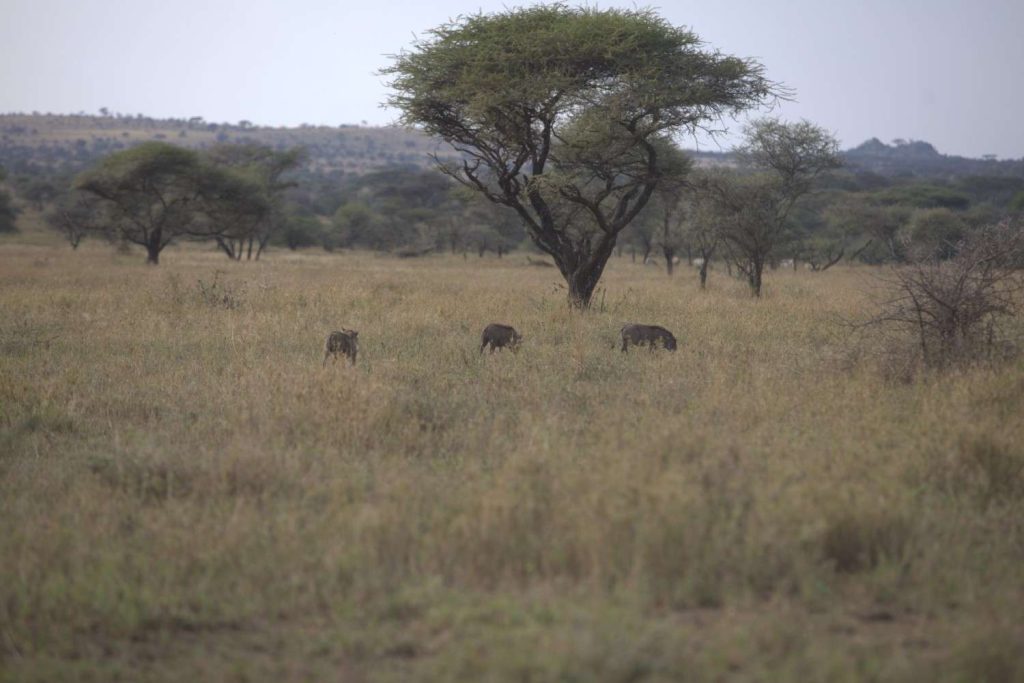
There are still plenty of permanent animals around, including as lion prides, particularly big hyena clans (up to eighty strong), as well as hartebeest, topi, warthog, and ostrich, even after the migration leaves the region and the plains change into a dusty and dry sheen of straw.
You may observe secretary birds and kori bustards all year long, although the rainy season is when the birdlife is most abundant. Another bird to keep an eye out for is the black-throated honey guide, which has an amazing symbiotic connection with the ratel (honey badger).
2. Moru Kopjes Area
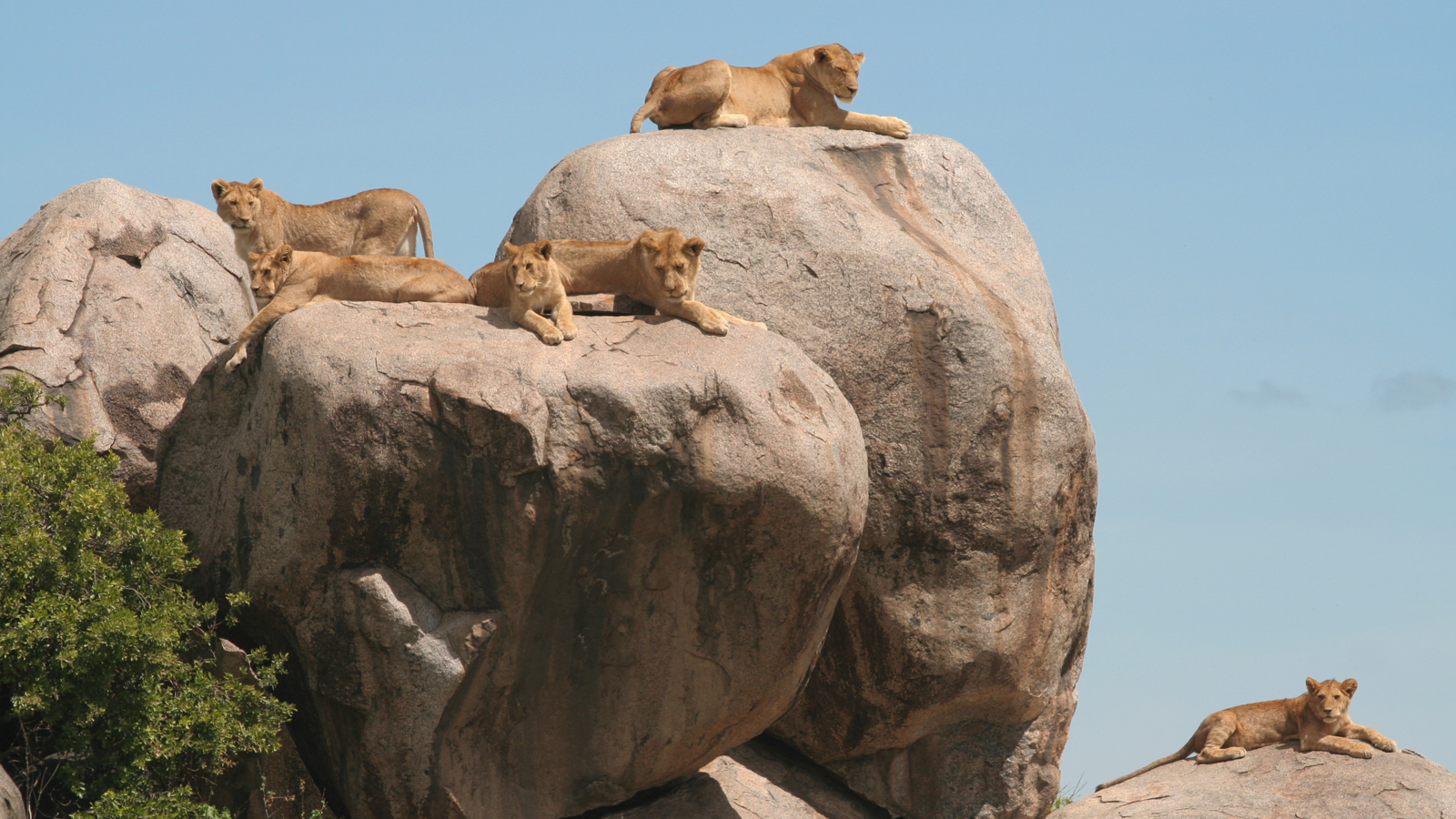
The sparsely populated, severely eroded granite “islands” known as kopjes are scattered over the plains of Serengeti. The kopjes sometimes referred to as inselbergs or “island hills,” were formed millions of years ago when volcanic bubbles touched the surface and hardened. Rain and floods then eroded the surface, revealing the very beautiful and sensual formations you see today. In the dry season, when lions like to lay in wait for other animals to come to feed or drink, they are especially useful for observing wildlife because of rainwater run-off from the kopjes and permanent water pools stuck in rocky clefts.
3. Maasai paints in Serengeti
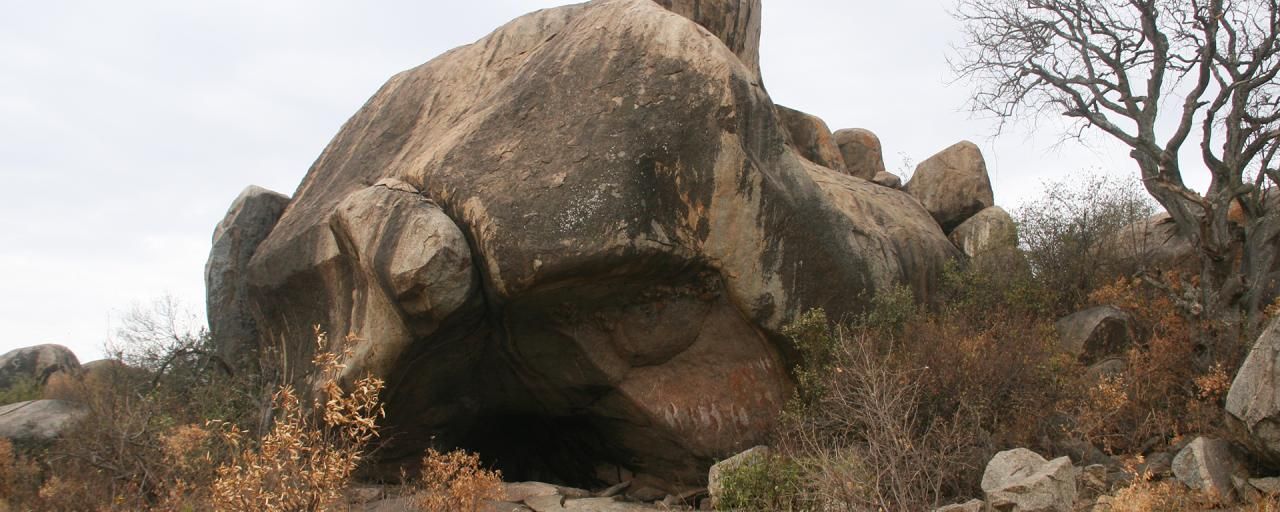
After being driven out in 1959, the Maasai actually left their imprint on a rock shelter on one of the Moru Kopjes, 32 kilometers south of Seronera. Here, a natural rock shelter is covered in the red, white, and black rock art of Maasai shields that resemble traditional shields still in use today. Young Maasai warriors (morani), as evidenced by the soot coating the shelter’s roof, left the paintings, together with depictions of elephants and less distinct animal and human features, at the spot where they had an orpul meat feast. Junior warriors would take a cow and bring it here because it was against Maasai custom for them to eat meat, at least in public. The paintings are temporary, much like other forms of rock art.
4. Serengeti Gongs Rocks
Nearby, at a distance of one kilometer, are the rock gongs, a grouping of three slender boulders. One, in particular, a huge wedge with a lemon form, has dozens of circular depressions that were made when people repeatedly struck the rock with stones to generate strangely metallic and resonances noises (the sound differs depending on where you strike the rock). Since the Maasai have no musical legacy including percussion instruments, it is likely that the wedge-shaped rock gong was used as an instrument long before the Maasai arrived a few millennia ago. Similar gong rocks have also been discovered as far south as Zimbabwe.
5. Seronera (Central Serengeti)
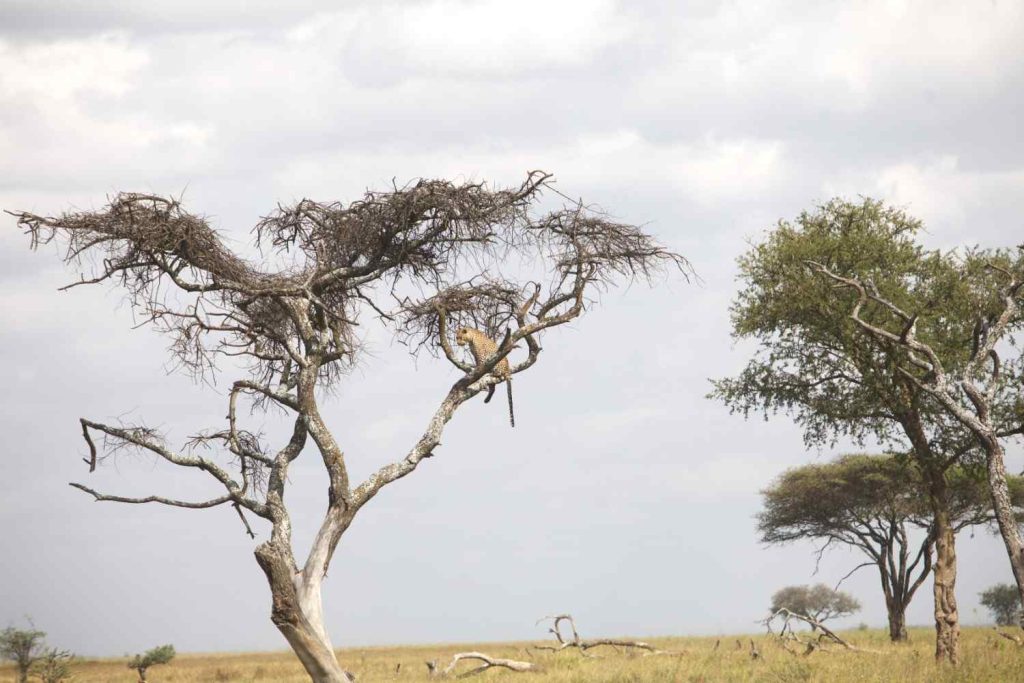
Seronera, the Serengeti’s central region, is made up of the savanna and forested valleys of the main tributaries of the Grumeti River. Your guide from Safari ASAP will always be familiar with many of the driveable circuits in the region, and the wildlife is typical of the majority of Serengeti species. The famed black-maned lions of Seronera are a popular attraction and the source of many restless nights at the campgrounds. Leopards are also common, but you’ll need a little luck to see them since they spend the day lounging on the leafy branches of yellow-barked acacias near rivers. In April, the migration often ascends to Seronera from the lowlands before moving farther north and west.
6. The Seronera Visitor Center
The Seronera Visitor Center, which is near to Seronera Village, the public campsites, and Seronera Serena Lodge, is a nice spot to go after an early-morning wildlife drive. This beautifully constructed center is a genuine treat since it combines ever-changing exhibits, displays, and photographs of animals with a lighthearted informative trail through a local kopje. Additionally, there is a store selling beverages and snacks and on the other side, there is a gemstones shop, as well as a picnic area where semi-tame rock hyraxes, birds like hoopoes, and the cuddly Fischer’s lovebirds, look over your lunch. A brochure with the information about the park is provided in the shops, as well as a leaflet with a map and thorough explanations of the different game drives surrounding Seronera, should be available in the center’s gift shop.
The majority of tour operators have numbered road intersections that match those on the map Seronera Hippo Pool serves as the starting point for the Seronera River Circuit, which follows the river and provides opportunities to see lions, leopards, crocodiles, waterbuck, as well as hippos, giraffes, vervet monkeys, baboons, and a variety of birds. The circuit may be coupled with the Kopjes Circuit, which circles the Maasai, Loliondo, and Boma Kopjes in the opposite direction.
7. Seronera River Circuit
For hyena, zebra, ostrich, warthog, gazelle, topi, and hartebeest, the Hills Circuit, runs through grassland to the forested slopes of the Makori and Makoma Hills west of the Seronera Valley, is an excellent option. The Songore River Circuit, which makes a loop into the plains south of the Seronera River, is best paired with a drive around this circuit. During the dry season, Thomson and Grant’s gazelle, topi, hartebeest, ostrich, and cheetah may all be seen often. Last but not least, the Wandamu River Circuit follows the Wandamu River’s banks and includes habitats that are comparable to those on the Seronera River Circuit and are particularly well-liked by buffaloes.
8. The Western Corridor
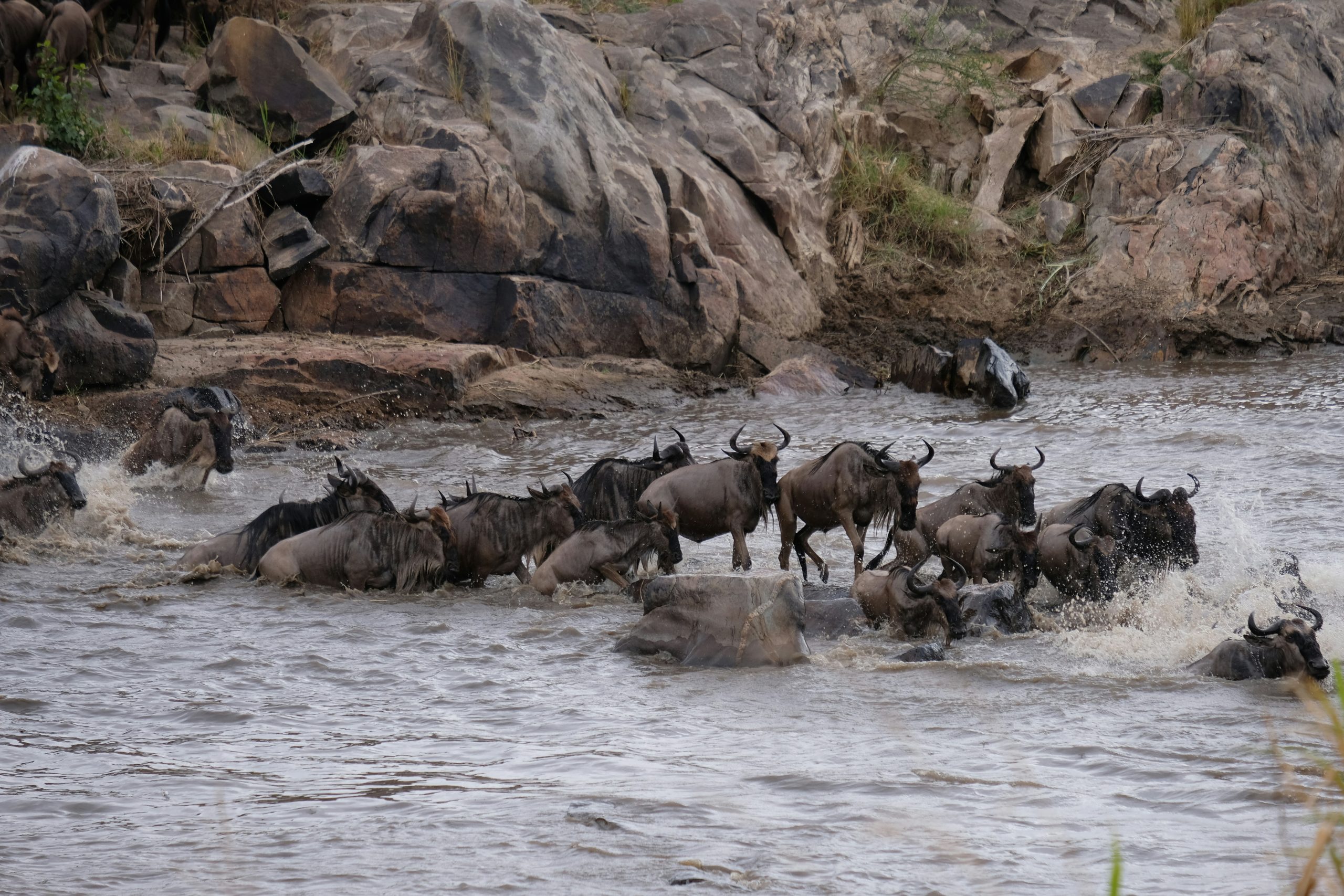
The unappealing moniker given to the forty-kilometer broad area that extends from Seronera to within 8 kilometers of Lake Victoria is the Western Corridor. The southern limit is a region of grassland flanked by low forested hills, while the northern boundary is marked by the woods and wetlands of the Grumeti River. Between May and July, the region experiences the yearly migration, after which the majority of the herds travel north over the Grumeti River to the Maasai Mara. The ideal time to travel to the region is now, particularly if the river is flooded and the crossing is exceedingly dangerous.
9. The River Crossing
While crocodiles and lions lie in wait for those injured during the attempt, too weak for the powerful currents, or who get trapped in the muddy muck at the river’s side, the herds rush headfirst with a lemming-like impulse into the roaring waters. Simply by keeping an eye out for vultures circling above, you may locate the crossings. There are significant groups of non-migratory wildlife in the western part of the corridor, including some wildebeest and zebra, as well as smaller numbers of giraffe, buffalo, topi, impala, and Thomson’s gazelle, hartebeest, waterbuck, eland, and Thomson’s gazelle. A small portion of the migration forgoes the pleasures of river crossing to remain behind in the savannas.
10. Serengeti Hippo Pool
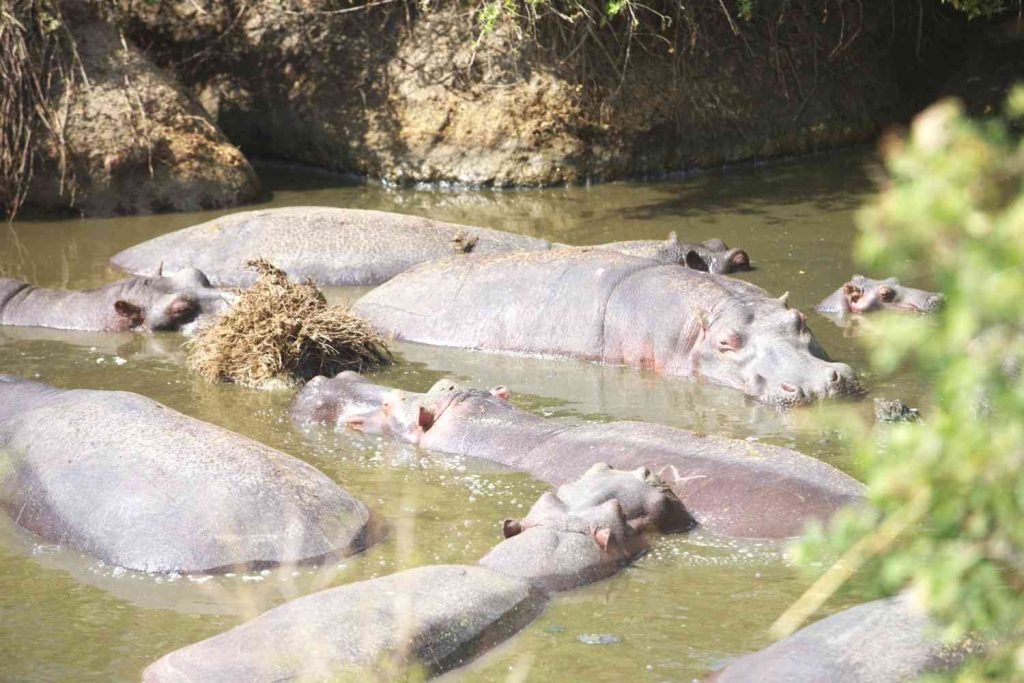
Large populations of hippos may always be seen at Retina Hippo Pool, 20 kilometers north of Seronera, throughout the times of drought. Given the quantity of food, predators also thrive. Crocodiles, particularly those in the area surrounding Kirawira in the west close Kirawira Serena Camp, use the migration’s river crossing as a Bacchanalian feast, as do leopards in the lush, dense woodlands and thickets beside the river. The woodland is home to a colony of black-and-white colobus monkeys, however, finding them will take some time and patience. Birdlife is abundant in the woodlands as well, particularly in the winter months in Europe. You could get a chance to spot the unusual olive-green bulbul.
11. The Northern Serengeti (Lobo Area)
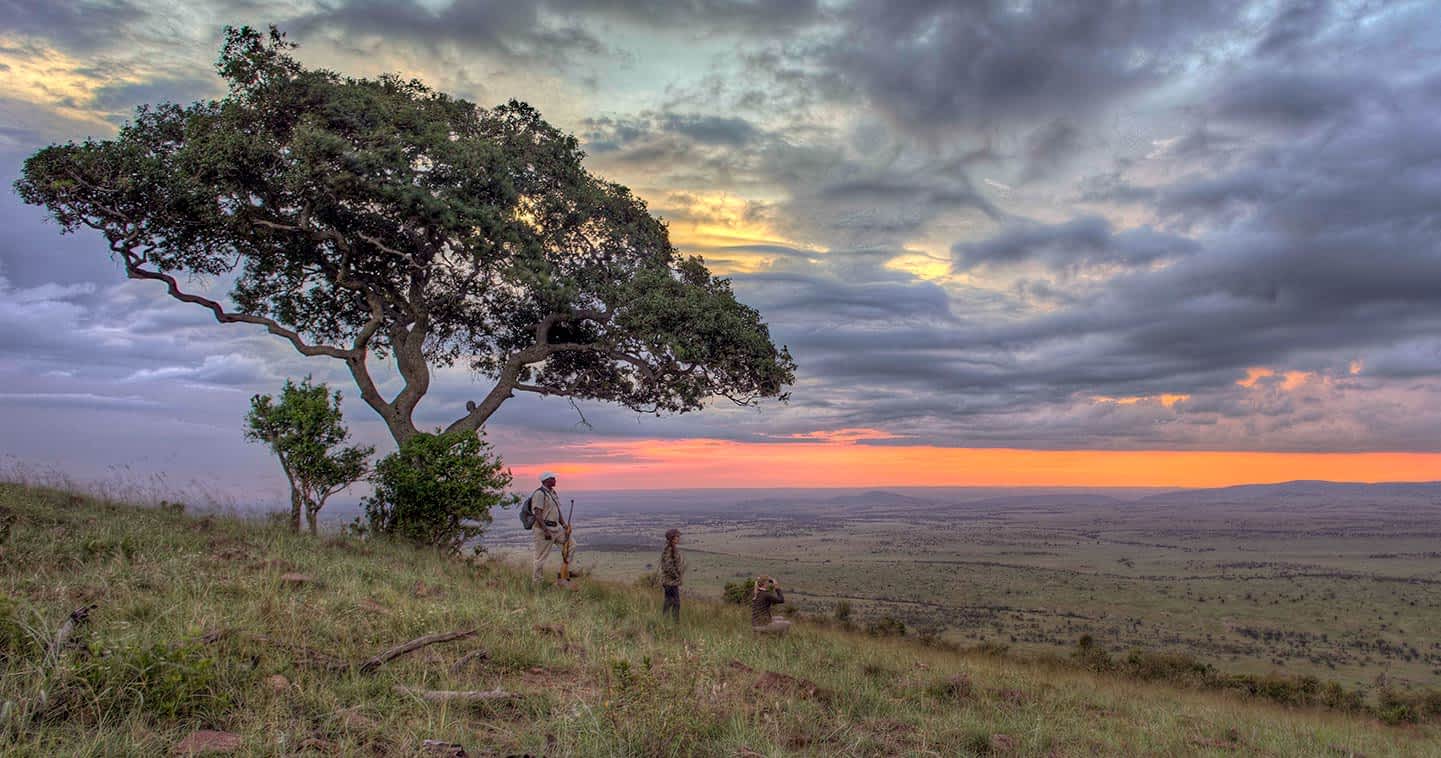
The sloping slopes of the northern Serengeti start to be dominated by the acacia forest patches near Seronera. At least 28 different acacia species may be found in the region, each of which has evolved to fill a specific ecological niche. The transition between species is sometimes startlingly quick, with one species totally displacing another over a distance of only a few dozen meters. Since the terrain is undulating, it is simple to spot animals from a distance.
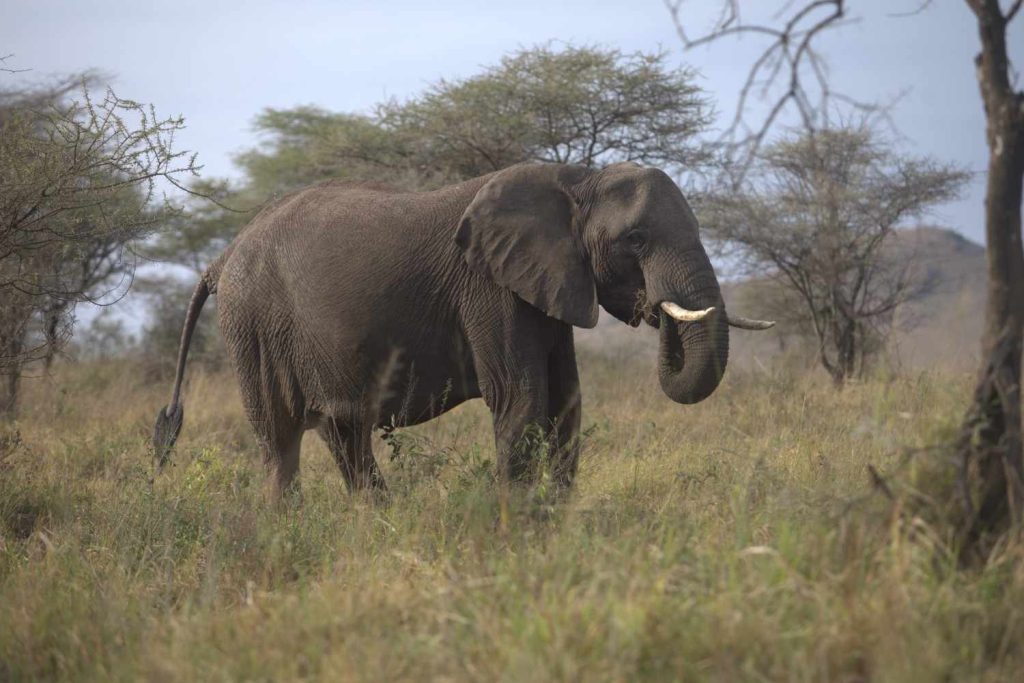
Further north, particularly in the area of Lobo Kopjes, the higher ground offers spectacular views of the migration in the eastern grasslands (the best months are July through September when it moves north and November and December when it moves back). All year long, one may witness elephants, buffalo, zebras, gazelles, and warthogs. To the east of Lobo wildlife Lodge is a game-drive circuit with waterholes that are home to a variety of wildlife.
12. Loliondo Area
Loliondo is a remote, unexplored area that is outside the Serengeti’s northeastern border and is surrounded by Ngorongoro, Lake Natron, and the Kenyan border. Nowadays, the region is made available as a destination for off-the-beaten-path wildlife adventures by a small number of safari businesses like Safari ASAP also can get you there. The trip over Loliondo from Klein’s Gate in the Serengeti to Lake Natron is breathtaking and, at times, nerve-wracking, so it will also appeal to those who enjoy wild and lonely surroundings (especially the hairpins down Nguruman Escarpment in the east).
Even in the dry season, Loliondo is a subtly beautiful place despite its aridity and sense of the wild frontier. If you look closely, you can see color in even the leafless trees and bushes, from the blue or yellow bark of some acacias to the violet and rusty orange bushes to the mauve and green of thorn trees.
Travellers traditionally preferred Loliondo because it is particularly favorable for animals in November and December when a large portion of the yearly migration travels back down from Maasai Mara.
Conclusion
Other than purchasing a safari (contact for an organized safari to Serengeti), the only dependable means of transportation to or inside the Serengeti National Park is your own 4WD, a skilled local driver, and lots of gas and water will be needed. Additionally, a map would be a useful thing during your safari. In contrast to the zigzagging road down the Nguruman Escarpment in the east, which follows the escarpment, the western portion of the route, between Klein’s Gate and Wasso, travels over regions of black cotton soil that can become impassable in the rain.
The road again turns east from the north side of Sonjo Village and begins a lengthy, straight, and very dusty trip to the brink of the Nguruman Escarpment. Mount Mosonik is the low, rocky peak that gradually emerges to the southeast and rises on the southwest side of Lake Natron. Beyond its summits lies Ol Doinyo Lengai, a recognizable pyramidal mountain. Even in dry weather, a 4WD is useful because the route is particularly sandy in certain sections. There are amazing candelabra euphorbia trees to marvel at along the journey, as well as strange huge aloe that resembles palm trees with inverted leaves. Hopefully, you’ll also spot an ostrich.
Frequently Asked Questions
What makes Serengeti National Park one of the best safari destinations in the world?
Serengeti National Park is famous for its vast open plains, incredible wildlife, and breathtaking landscapes. It is one of Africa’s most iconic safari destinations and attracts travelers from all over the world. The park is home to thousands of animals, including lions, elephants, giraffes, and cheetahs. What makes it truly special is the feeling of endless wilderness where wildlife moves freely across the plains. A safari here often feels like stepping into a real, life wildlife documentary.
What is the Great Migration and why is it so special?
One of the biggest highlights of the Serengeti is the famous Great Migration. Every year, over a million wildebeest, along with zebras and gazelles, move across the Serengeti ecosystem in search of fresh grass and water. This journey is full of dramatic moments, including river crossings and encounters with predators. Watching thousands of animals moving together across the plains is an unforgettable sight. It is often described as one of the greatest wildlife spectacles on Earth.
What animals can you expect to see during a Serengeti safari?
The Serengeti is known for its incredible variety of wildlife. Visitors often have the chance to see members of the famous Big Five, lions, elephants, leopards, buffalo, and rhinos. In addition to these, the park is full of cheetahs, hyenas, giraffes, hippos, crocodiles, and many types of antelope. Bird lovers will also enjoy spotting hundreds of colorful bird species. With such rich biodiversity, every game drive offers something new to discover.
Are there unique landscapes to see in the Serengeti?
Yes, the Serengeti is not just about animals, it also has beautiful and diverse landscapes. The park features wide golden plains, rocky outcrops known as kopjes, river valleys, and acacia, dotted savannas. These different habitats support many kinds of wildlife and make every part of the park unique. Watching the sunrise or sunset across the open plains is one of the most memorable experiences for visitors. The scenery alone makes a Serengeti safari unforgettable.
When is the best time to visit Serengeti National Park?
Serengeti National Park can be visited all year round, but the best time depends on what you want to see. Many travelers visit between June and October during the dry season when wildlife is easier to spot. This is also when some of the famous migration river crossings take place in the northern Serengeti. The green season from November to May offers lush landscapes, fewer crowds, and excellent bird watching. No matter the season, the Serengeti always offers incredible safari experiences.
Still have questions?
Our local safari experts are happy to help you plan the perfect African safari.





