Table of Contents
Although Mount Meru’s southern and northern slopes can also be visited through various cultural tourism programs, which combine stunning views with close encounters with the local Maasai. Due to their remote, off-main-road settings, some can be a bit difficult to reach, although the Safari ASAP office in Arusha helps organize your tours and activities around Arusha town. The price of the programs varies depending on the number of participants, but you can plan on paying between $50 and $80 per person for a half-day, $25 to $50 for a day, and lengthier journeys lasting several days are also an option.
The villages participating make excellent use of the money you provide, using some of it to support local primary and nursery schools and healthcare programs while using other portions to support deserving causes like the purchase of energy-efficient stoves.
1. Ilkiding’a Walk
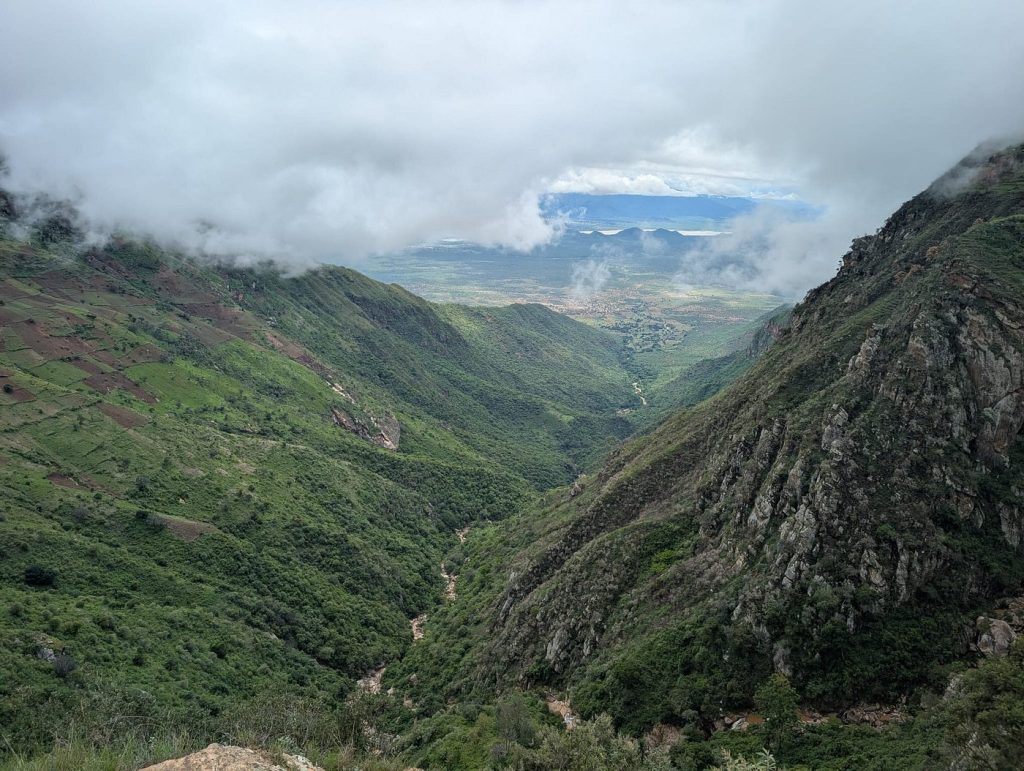
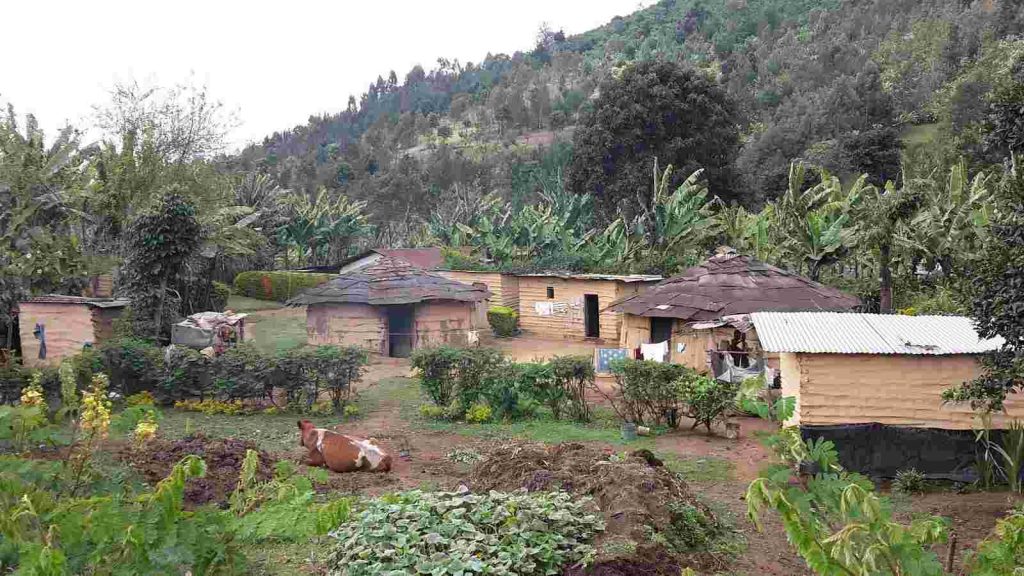
The Il Larusa settlement of ILKIDING’A is located on the southern slopes of Mount Meru, 7 kilometers northwest of Arusha. Its cultural tourism program, whose majority of participants dance with the Masarie Cultural Dance Group, provides half- to three-day guided trips that include treks through fields, stops at local healers and artisans, and climbs up Leleto Hill and down the Njeche Canyon, which contains caverns to explore. Forest preserves and local markets are also included in the three-day trek (or one-day mountain bike tour), with evenings spent camping or in houses of locals.
2. Mkuru Culture Walk
The Maasai community of MKURU is famous for its camels, which were imported in the early 1990s because they do better in semi-arid circumstances than cattle. It is located on the north slope of Mount Meru, around 70 kilometers from Arusha. The cultural tourist program in Mkuru includes camel rides (ranging from a few hours to a week-long adventure to Lake Natron and Ol Doinyo Lengai), bird viewing, interactions with Maasai people, and a short but challenging walk up the pyramidal Mount Ol Doinyo Landaree (3hr 30min return trip).
3. Ng’iresi Tour
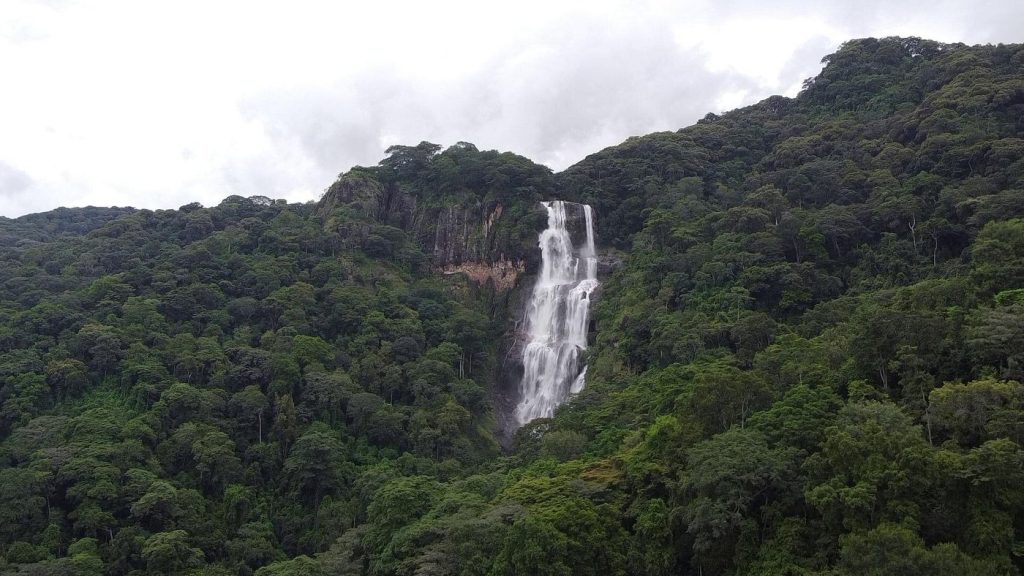
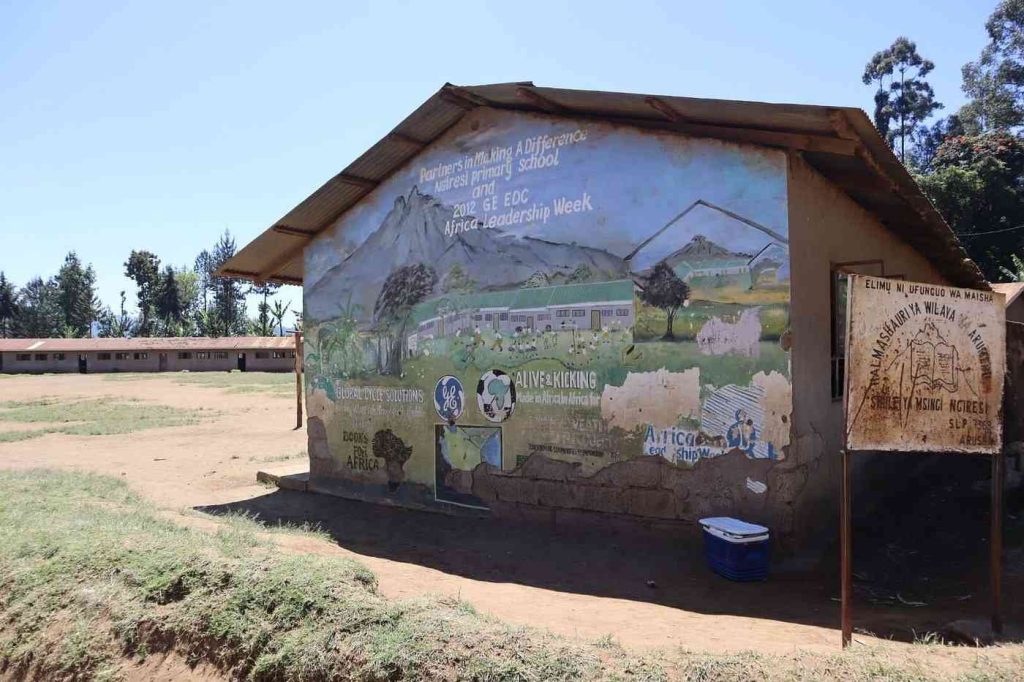
The Il Larusa tribe is now transitioning from cattle-herding and life in Maasai-style bomas to agricultural and permanent stone structures at NG’IRESI hamlet, which is located on the beautiful southern slopes of Mount Meru, 6 kilometers north of Arusha. A traditional healer encounter, hikes through the Olgilai Forest Reserve, waterfall hikes to Songota and Navaru, views of the Lekimana Hills, a climb up Kivesi Hill to the crowning forest, and visits to development projects are just a few of the simple tours available as part of the cultural tourism program. Meals are provided by a local women’s club.
4. Longido Area
Longido is the most remote but likely the most well-liked of the cultural tourism programs in the area of Arusha. It is situated 80km north of Arusha along the Nairobi Highway in the heart of the Maasai territory.
Following a network of buffalo routes into dry montane forest and scrub, Mount Longido rises suddenly in the east at an elevation of 2690 meters, resulting in a drastic shift in flora. The climb may be completed in one day (8–9 hours round trip), but two days are preferred, along with an overnight camping excursion at Kimokouwa (bring your own tent). The views from the peak are breathtaking when the sky is clear, and the best months for weather are May through October. Wednesday is the ideal day to visit because it is the day of the weekly cattle market.
5. Ilkurot Culture Programme
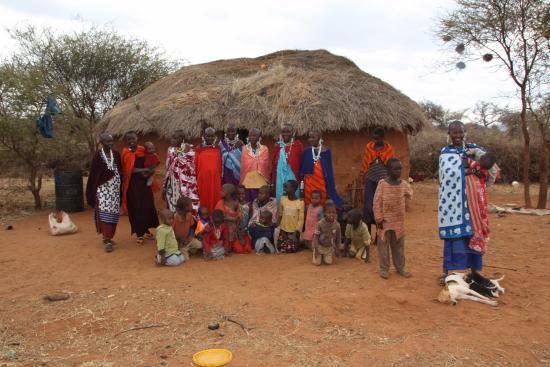
While settled Maasai make up the majority of the population in Ngaramtoni, their kin who herd cattle lives in the drier region to the north. The Ilkurot cultural tourism program, which is 8 kilometers from Ngaramtoni or 20 kilometers from Arusha and is one of the greatest ways to get to know them (contact SafarI ASAP for more information).
Visits to (or overnight stays in) Maasai bomas and three to five-day walking or riding tours (by camel or donkey) are highly advised for an in-depth look at semi-nomadic life and for breathtaking vistas of Mounts Meru, Kilimanjaro, Longido, and Kilimamoto.
A half-day trek up Ngorora Hill, followed by stops at a blacksmith, women’s handicrafts groups, and a boma, are examples of shorter excursions. For a full day, you can climb Kilimamoto mountain to its crater or visit beekeepers. At adjacent Ol Doinyo Sambu, Saturday is market day (no photos).
6. Mulala Village Walk
The picturesque Meru settlement of MULALA is situated on the southeast slopes of Mount Meru, 34 kilometers from Arusha. A women’s organization that runs the cultural tourism program will take you around their cheese dairy (which supplies a lot of tourist hotels), bakery, shops, farms, and perhaps even a few cool dance routines.
You can also check out a school, hike through coffee and banana plantations to Lemeka Hill for views and a traditional healer, explore the Mount Meru Forest Reserve for birds and monkeys, or go to Ziwa la Mzungu, also known as White Man’s Lake, where a legend claims that a European vanished while fishing after hearing terrifying demon sounds emanate from the lake. The several hikes may be combined into one long day or, if you have a tent, stretched out over two days, which is a preferable alternative.
7. Tengeru and Lake Duluti Tour
The lively, freshly remodeled market in TENGERU, which is 12 kilometers east of Arusha, is busiest on Wednesday and Sunday (all day). The cultural tourism program at Tengeru is located five minutes’ walk from the highway. To get there, take the road facing the Natoil gas station, where daladalas from Arusha will drop you off (you can also get one to Usa River or Kikatiti from there). After 350 meters, turn right, then left at the sign for “Tengeru Campsite.”
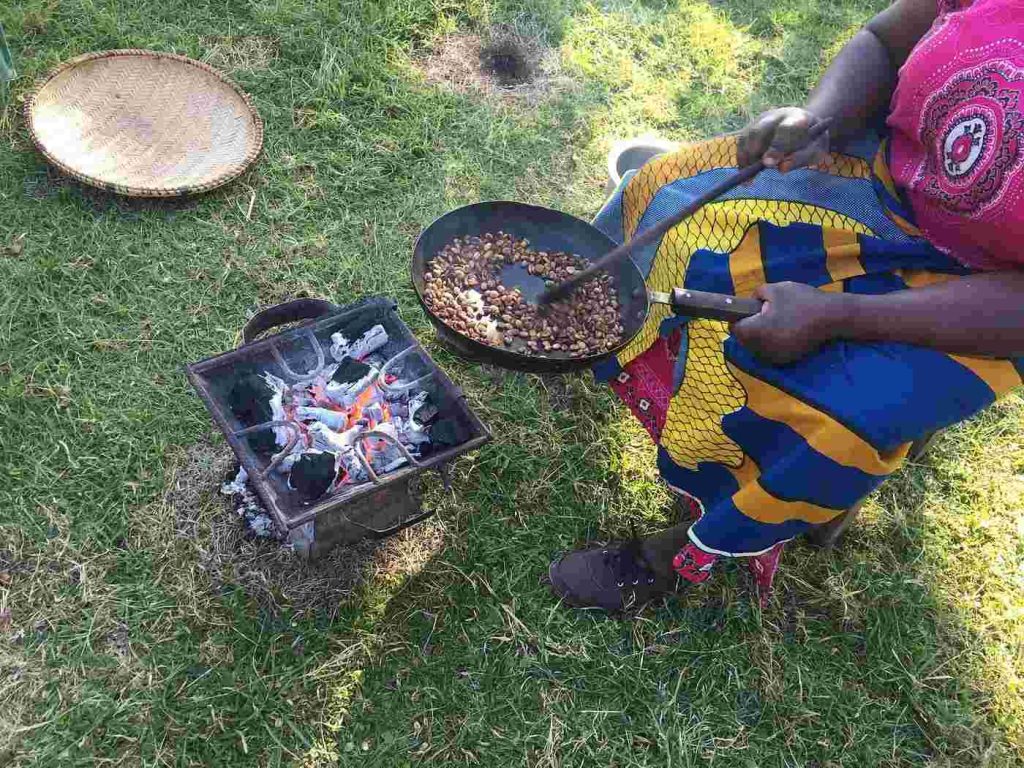
There are also opportunities to see a traditional healer, crush finger millet (ulezi) on a stone for porridge, roast coffee (you may take some home), and plant trees, among other activities. While the three-day trip includes a visit to the horrific location where hundreds of Maasai perished in a conflict with the Meru in the nineteenth century, they also offer hikes along the Malala River. The major draw of Tengeru is Lake Duluti, a little crater lake located 2 kilometers to the south that may be visited as part of Safari ASAP’s cultural trip program.
8. Ngaramtoni Market Tour
Located 12 kilometers from the Arusha bus terminal, is the first significant village you see as you round Mount Meru’s southwest face. The Osotwa cultural tourist program located two kilometers east of the highway and is marked with signs from Ngaramtoni. Safari ASAP tour guides could meet you there. The ideal days to visit are Thursday or Sunday, when Ngaramtoni market is taking place. There, you may purchase amazing spherical pots for dirt cheap.
Osotwa, which refers to “excellent ties between people” rather than a specific location, refers to the project’s nine neighboring settlements. There are many guided walks offered by Safari ASAP, as well as stops at traditional healers, artisans, and a sacred fig tree (the vines of “strangling fig” trees have long been revered by the inhabitants of East Africa). You may also take a stroll along the Ngarenaro River or climb the 2000-meter Sambasha Hill to reach its crater and forest for stunning views and to see colobus and blue monkeys as well as birds, butterflies, and other wildlife.
9. Monduli Culture Toursim
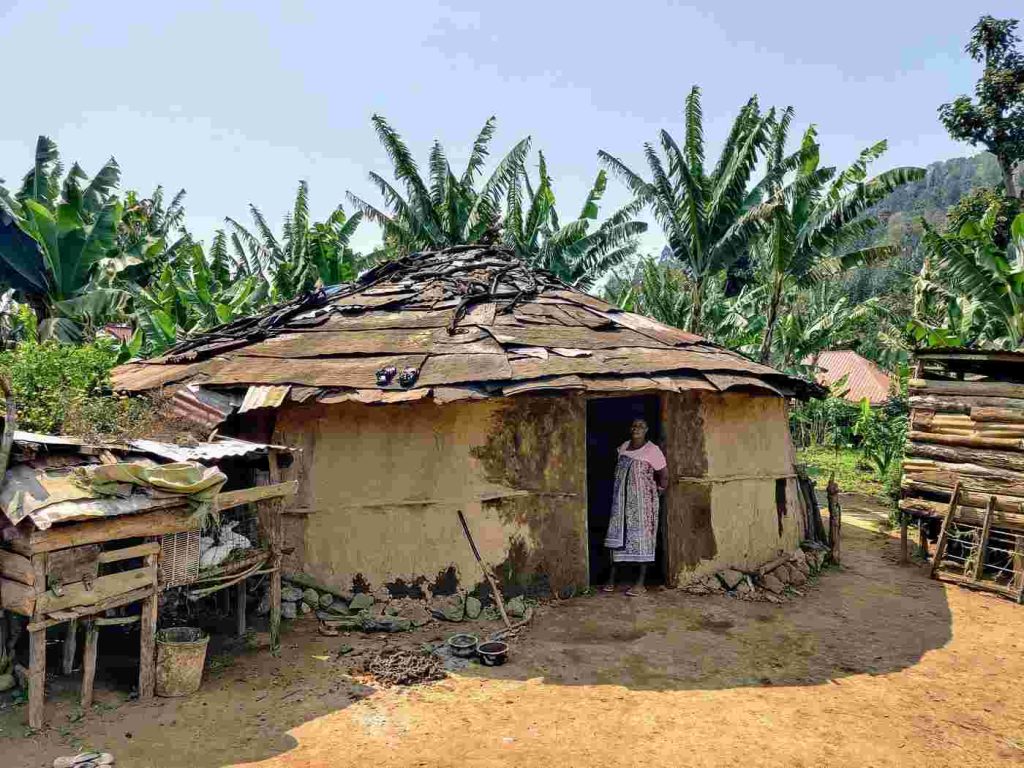
The Monduli Mountains, which are located north of Meserani and serve as rainfall condensers, are obviously significant to the Maasai since they offer year-round water and grazing. At the foot of the mountains, 12 kilometers north of Meserani and the highway, sits MONDULU CHINI (Lower Monduli), the principal settlement in the region. Ten kilometers farther into the highlands lies MONDULI JUU (Upper Monduli), which is actually a conglomeration of four Maasai villages: Emairete, Enguiki, Eluwai, and Mfereji. The major one, Emairete, is located in a crater that was formerly revered. If you can, try to time it during Saturday’s weekly market in Emairete.
There are three main programs available from Safari ASAP: a two-day Beadwork Tour in Monduli Chini, where you can learn from the women who create the frequently fantastic beadwork you see for sale on the streets of Arusha; a two-day Indigenous and Modern Masai Education, also in Monduli Chini, where you can visit a local school; and, perhaps most famously, a three-day Medicine tour in Monduli Juu, where you can interact with
10. Kisongo Town
The first town of any significance along the route west is KISONGO hamlet, 16 kilometers from Arusha. On Wednesdays (all day), this bustling cattle market is visited by herders from all over the region. Beyond Kisongo, the scenery gets more desolate, especially in October just before the brief rains, when spiraling dust devils dance over the flat, brown plains and distant inselbergs (rocky outcrops). 30 kilometers from Arusha, the next large community is MESERANI, where cattle auctions are held every Tuesday (all day; mornings are best).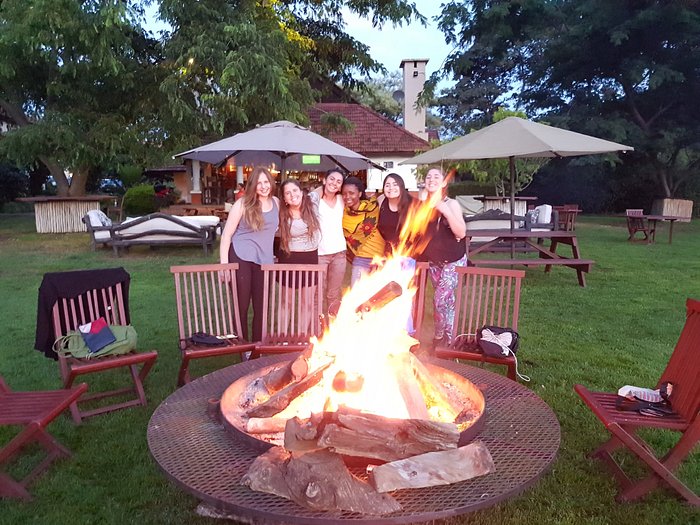
11. Meserani Snake Park
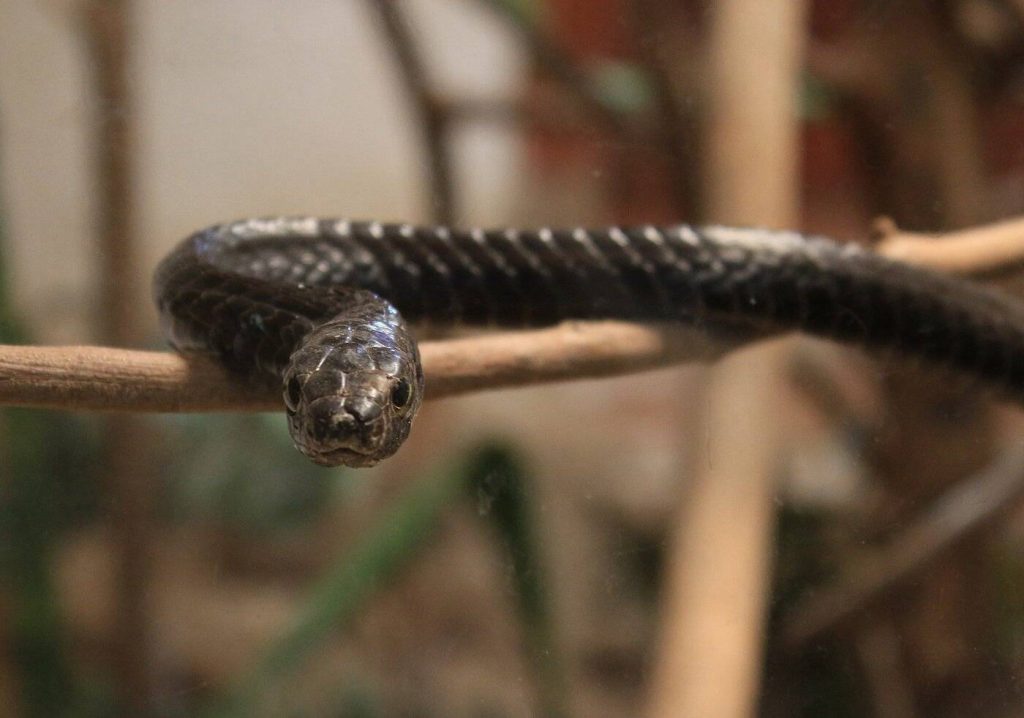
The park was founded by a South African family in 1993; it was nearly entirely desert when they got there, but careful planting of indigenous plants that can withstand dryness has turned it into an oasis. The majority of the snakes are gathered from nearby farms and towns, and the residents receive free antivenom in exchange for not killing the snakes. Snake park Highlights include two black-mouthed mambas, a few green mambas, and black and red spitting cobras — not that you’d have much time to enjoy the sight. The barrier mostly serves to keep inebriated overlanders out while there are also lizards and a crocodile pool.
There is a fantastic Maasai Cultural Museum next to the snake park that is maintained by the same folks and contains several dioramas of people in various settings (daily life, dance, an orpul meat feast, circumcision, and “milking” blood from a cow, amongst others). Anything that piques your interest will be explained in the guide. There is terrific tourist food and one of East Africa’s funkiest pubs, which turns into a bit of a riot anytime overland truck groups are in town (cold drinks, cool cocktails, nice atmosphere, and zillions of flags). Take your time and explore the Maasai handcraft vendors’ densely thatched huts, which are located behind the museum.
The bus travel from Arusha to Kenya is enjoyable, especially in the early morning when Mount Meru’s shrouding mist starts to clear. The surrounding plains north of Mount Meru, like the area to the west of Arusha, can appear to be incredibly lush after rains, but the lush appearance is deceptive because overgrazing by Maasai cattle herds, which is itself a result of their eviction from traditional pastures after the establishment of the region’s wildlife parks and commercial ranches, causes massive erosion. Cultural tourism programs are offered in a number of communities between Arusha and the Kenyan border by Safari ASAP who are locals from Arusha, allowing you to learn about the local tribes and animals while experiencing the plains and highlands.
Frequently Asked Questions
What are cultural tourism experiences in Arusha?
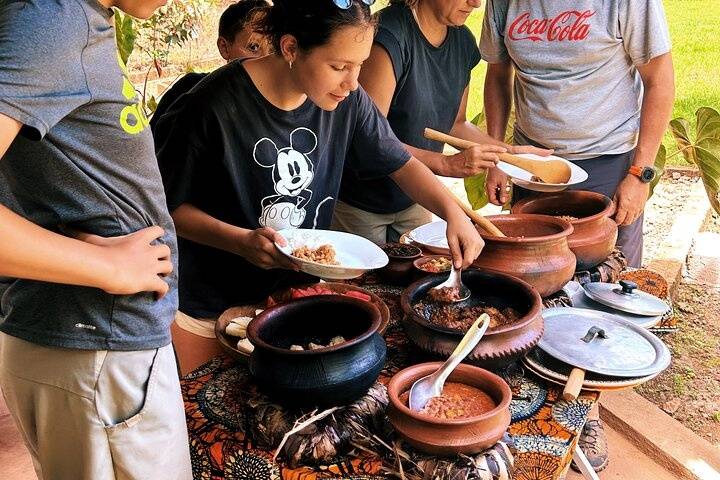
Cultural tourism experiences in Arusha allow visitors to learn about the traditions, lifestyles, and history of local communities. Instead of only focusing on wildlife safaris, travelers can spend time with local people and discover how they live day to day. These experiences often include visiting villages, learning traditional cooking, exploring local farms, and listening to cultural stories. Many tours are led by community members who proudly share their heritage with visitors. It’s a meaningful way to connect with Tanzanian culture while supporting local communities.
Which communities can visitors learn from around Arusha?
Around Arusha, travelers can meet several cultural groups, including the famous Maasai and Chagga communities. The Maasai are well known for their colorful clothing, beadwork, and traditional pastoral lifestyle. The Chagga people, who live near Mount Kilimanjaro, are known for their farming traditions and underground irrigation systems. Visitors often get the chance to tour homes, taste local food, and hear stories about their customs. These encounters help travelers understand the rich cultural diversity of northern Tanzania.
What activities are included in cultural tourism tours in Arusha?
Cultural tourism tours in Arusha often include a variety of hands, on and interactive activities. Visitors may learn how to cook traditional Tanzanian dishes, participate in local dances, or try crafting bead jewelry. Some experiences also include walking through coffee farms, banana plantations, or local markets. Guides usually explain the history behind these traditions and how they are passed down through generations. These activities make the experience both educational and enjoyable.
Why should travelers include cultural experiences in their safari itinerary?
Adding cultural experiences to a safari itinerary helps travelers see a different side of Tanzania beyond wildlife. While national parks like Serengeti National Park and Ngorongoro Crater are famous for animals, local communities are an equally important part of the country’s identity. Cultural tours allow visitors to understand traditions, daily life, and the strong connection people have with nature. These experiences often feel more personal and memorable than typical sightseeing. They also help support community, based tourism projects.
When is the best time to enjoy cultural tourism in Arusha?
Cultural tourism activities in Arusha can be enjoyed throughout the year. Since many of these experiences take place in villages and communities, they are not affected by wildlife migration seasons. The dry seasons, from June to October and January to February, are particularly comfortable for walking tours and village visits. However, the green season also offers beautiful scenery and fewer crowds. No matter when you visit, cultural tours provide a welcoming and authentic experience.
Still have questions?
Our local safari experts are happy to help you plan the perfect African safari.