
Table of Contents
Although they originally came from the Upper Nile Valley, the Massai today live in Kenya and Tanzania where they emigrated during the 16th and 17th centuries. It is one of the most famous villages in Africa , the most visited by tourists , and the one most at risk of disappearing. The Massai are located a few kilometers by car from the Ngorongoro Crater , one of the most famous and visited destinations in all of Africa, to the lands of the Massai herders, in the village of Misigiyo .
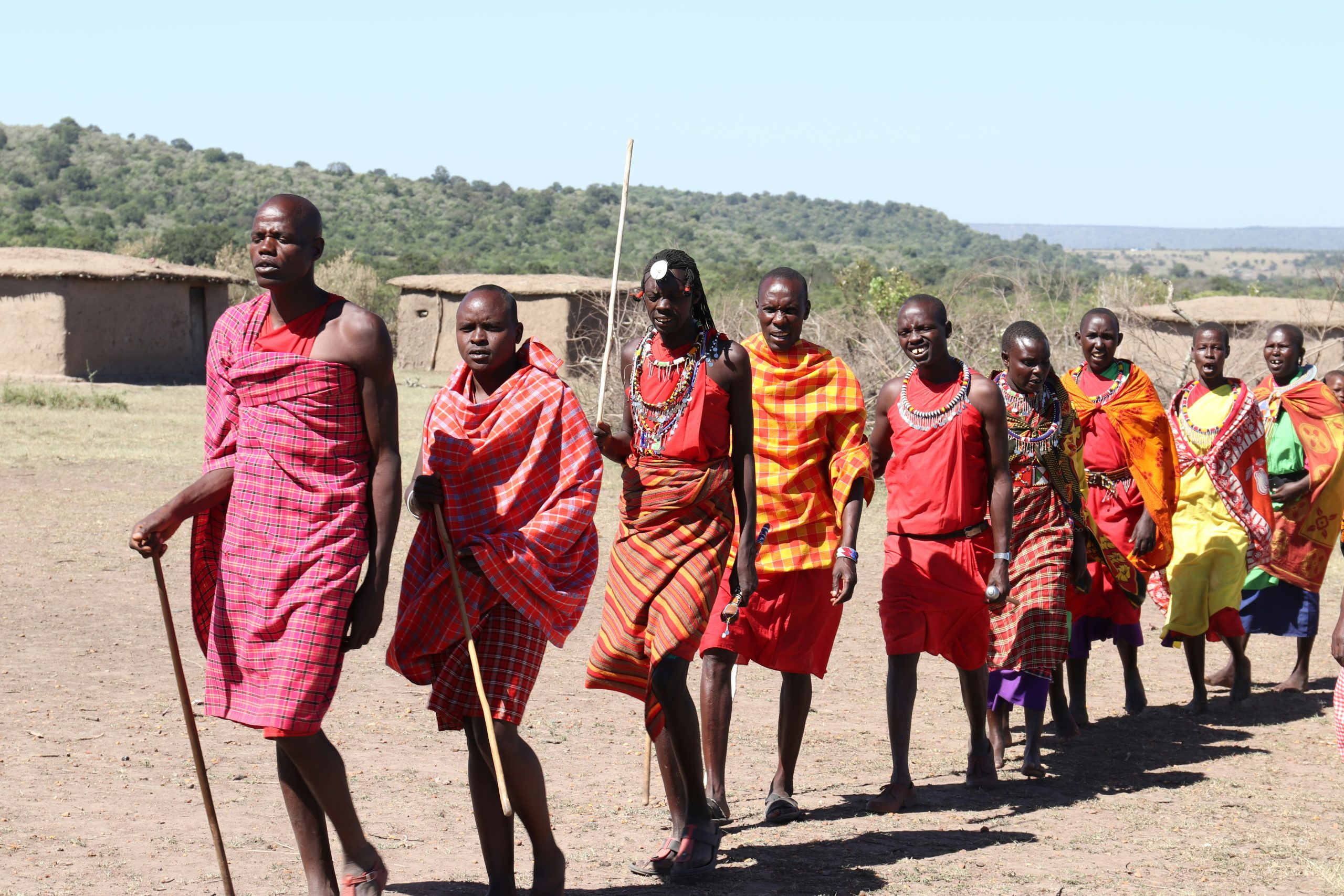
Massai life
Accessing this village is not very easy, not because of the difficulties of the terrain or because the orography is wild and difficult to cross, but because of the number of camps and luxury safari lodges that surround the site of the crater and during the entire road that runs through the eastern part of the caldera.
Life in Africa for the Massai passes fairly calmly in the fig trees that they consider sacred and that appear along the road wrapped in coils of herbs, or also called “old man’s beards.” Among these slits with views in the floor of the sunken volcano, other animals also coexist: more than 25,000 large mammals, the largest predators in Africa and a few dozen black rhinos make their home here, along with the Massai.
Misigiyo village in Ngorongoro<
The Massai village, Misigiyo , is 2,500 meters above sea level, in a very cold and windswept place. The colors of the houses are rather muted, except for the blue and green of the cement façade of the primary school and the traditional Massai tunics , the shukas , checkered and in bright orange and red colors. It is not unusual to find the elderly sitting calmly in front of a shop, which will be built with just a few wooden planks fragilely held together with a few hammer blows.
Around the town of Misigiyo there is an extensive plain with plots, in which now not so much is cultivated, but when the weather and rain permit, potatoes, corn, tomatoes and beans are harvested . The Massai live on livestock, although for some time now, all their herds have been considerably decimated due to the droughts that devastated all of Tanzania . Today, the Massai survive through subsistence agriculture.
The Massai and tourism in Africa
All the ranches that were built in Kenya , since it achieved independence, have occupied many lands that the Massai people used for agriculture and livestock. The Massai have adapted to the situation and have divided and leased their land to safari companies, and opened lodges and game reserves themselves.
In the ranches clustered around Kenya’s most famous natural park, the Massai Mara , wild animals and livestock coexist, although not always in close proximity. The Massai make decisions on which companies to do business with in committee and although there are still disputes over the use of their land, clashes rarely occur, since, as the Massai say : one of the few places where the livestock is not completely prohibited are in their own reserves.
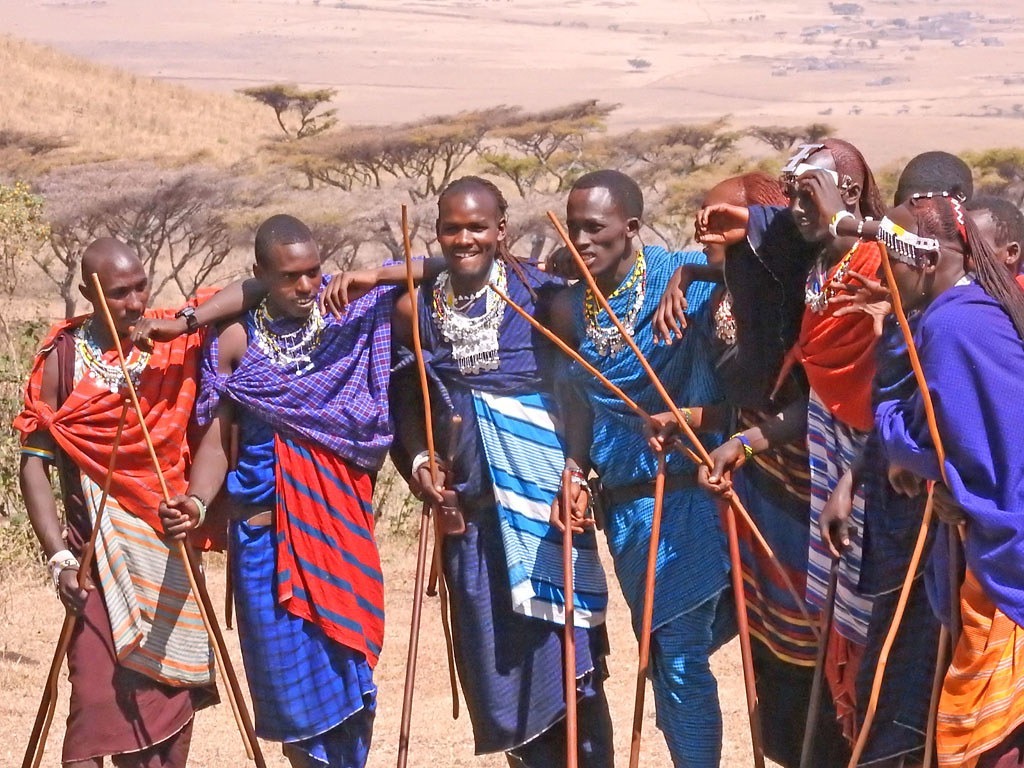
The Maasai people
The Maasai are traditionally a tribe very proud of their origin and therefore very independent, with unique characteristics that set them apart from the rest of the African tribes.
They live off of livestock, which is why they do not cultivate the land and depend on a monetary economy, provided by the trade of meat, milk and by-products of this activity that plays a central role in the life of the Maasai , who know the term wealth depending on the amount of livestock owned, giving it power within the scope of the tribe.
These days the Masai have adapted to a more sedentary lifestyle, which has changed their diet, being forced to buy cultivated products, becoming dependent on them, when in ancient times they always considered themselves a superior people to the farmers, whom they subjugated. Their traditions, despite the changes they have had to overcome and adapt, remain intact, representing a strong social commitment.
The Maasai men are above all warriors who are dedicated to the protection of their tribe, their livestock and their grazing lands, their hair makes them imposing in height, they wear a very colorful and characteristic marked red blanket (shuka) , the Maasai children spend by a circumcision ceremony at the age of 14 and are then traditionally destined to spend up to 8 years tending livestock away from their villages, thus becoming warriors upon their return to the village, ready to marry.
Maasai women are responsible for all domestic tasks, which includes building their homes, houses that are made of mud, sticks, grasses, cow dung and urine, as well as obtaining milk from cows, collecting water ( a heavy and arduous task), they cook and take care of the children.
Their appearance is as impressive as that of the men. Tall, thin, with large necklaces and long braided hair, they are the favorites of tourists to take photos of them on vacation .
Frequently Asked Questions
Who are the Maasai people in Ngorongoro?
The Maasai are a semi, nomadic ethnic group known for their striking red clothing and intricate beadwork. In the Ngorongoro Conservation Area, they live alongside wildlife while maintaining their traditional cattle, herding lifestyle. Their culture is deeply connected to the land, and cattle are central to their economy and social status. Visitors can see their villages, called manyattas, scattered across the landscape. The Maasai are an iconic part of the region’s identity and heritage.
What is the Maasai way of life?
The Maasai focus on cattle herding, which provides food, wealth, and social prestige. They move seasonally to find fresh grazing for their herds, maintaining a semi, nomadic lifestyle. Daily life includes milking cows, building homes, and caring for family members. Despite modern influences, traditional customs remain strong, especially in ceremonies and community roles. This way of life has allowed them to thrive in the challenging environment of Ngorongoro.
What cultural traditions do the Maasai follow?
The Maasai are known for vibrant beadwork, ceremonial dances, and age, set rituals. Boys and girls go through initiation ceremonies marking important stages in life. Singing, storytelling, and oral history are central to passing down knowledge. The famous “jumping dance” (adumu) is a highlight of celebrations. These traditions reflect a strong sense of community and respect for heritage.
How do the Maasai coexist with wildlife?
The Maasai have lived in Ngorongoro for centuries and understand how to share the land with wild animals. Their cattle grazing is managed carefully to avoid disturbing wildlife migration patterns. They often help protect endangered species while sustaining their own livelihoods. It is common to see Maasai herders moving livestock alongside zebras, antelopes, and other wildlife. Their knowledge and practices make them an important part of conservation efforts.
Can visitors meet the Maasai in Ngorongoro?
Yes, tourists can visit Maasai villages with the guidance of local hosts. These visits offer a chance to learn about their homes, crafts, and daily routines. Visitors can also buy handmade beadwork and souvenirs directly from the community. Respectful behavior, including asking before taking photos, is essential. Interacting with the Maasai provides insight into their unique culture and the region’s heritage.
Still have questions?
Our local safari experts are happy to help you plan the perfect African safari.





