
Table of Contents
-
- 1: Sudan
- 2: Algeria
- 3: Democratic Republic of the Congo
- 4: Libya
- 5: Chad
- 6: Niger
- 7: Angola
- 8: Mali
- 9: South Africa
- 10: Ethiopia
- 11: Mauritania
- 12: Egypt
- 13: Tanzania
- 14:Nigeria
- 15: Namibia
- 16:Mozambique
- 17: Zambia
- 18: Somalia
- 19:Central African Republic
- 20: Madagascar
- 21: Botswana
- 22: Kenya
- 23: Cameroon
- 24: Morocco
- 25: Zimbabwe
- 26: Republic of the Congo
- 27: Côte d’Ivoire
- 28: Burkina Faso
- 29: Gabon
- 30: Guinea
- 31: Ghana
- 32: Uganda
- 33: Senegal
- 34: Tunisia
- 35: Malawi
- 36: Eritrea
- 37: Benin
- 38: Liberia
- 39: Sierra Leone
- 40: Togo
- 41: Guinea-Bissau
- 42: Lesotho
- 43: Equatorial Guinea
- 44: Burundi
- 45: Rwanda
- 46: Djibouti
- 47: Swaziland
- 48: Gambia
- 49: Cape Verde
- 50: Comoros
- 51: Mauritius
- 52: São Tomé and Príncipe
- 53: Seychelles
- Frequently Asked Questions
The continent of Africa is the world’s second-largest based on land area and population just after Asia. It has a population of around one billion people (as of 2009) and covers 20.4% of the Earth’s land area. Africa is bordered by the Mediterranean Sea to the north, the Red Sea and the Suez Canal to the northeast, the Indian Ocean to the southeast and the Atlantic Ocean to the west.
Africa is known for its biodiversity, varied topography, culture and varied climate.
The continent straddles the equator and encompasses the entire tropical band. Africa’s northern and southernmost countries also stretch out of the tropics (from 0° to 23.5° N and S latitude) and into the northern and southern temperate latitudes (latitudes above the Tropics of Cancer and Capricorn).
As the world’s second-largest continent, Africa is divided into 53 officially recognized countries. The following is a list of Africa’s countries ordered by land area. For reference, the country’s population and capital city have also been included.
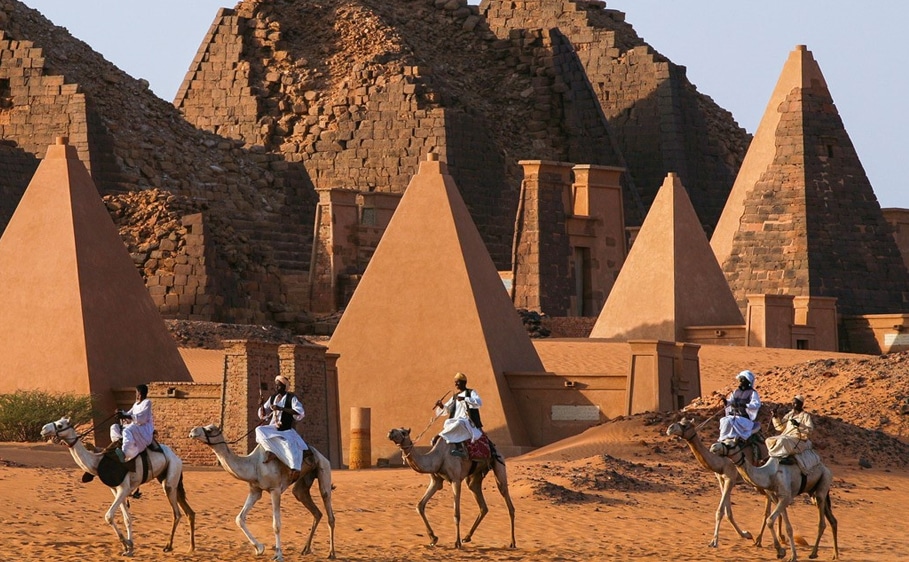
1: Sudan
Area: 967,500 square miles (2,505,813 sq km)
Population: 39,154,490
Capital: Khartoum
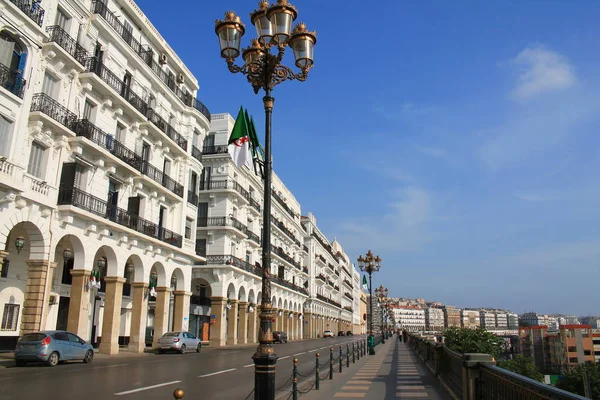
2: Algeria
Area: 919,594 square miles (2,381,740 sq km)
Population: 33,333,216
Capital: Algiers
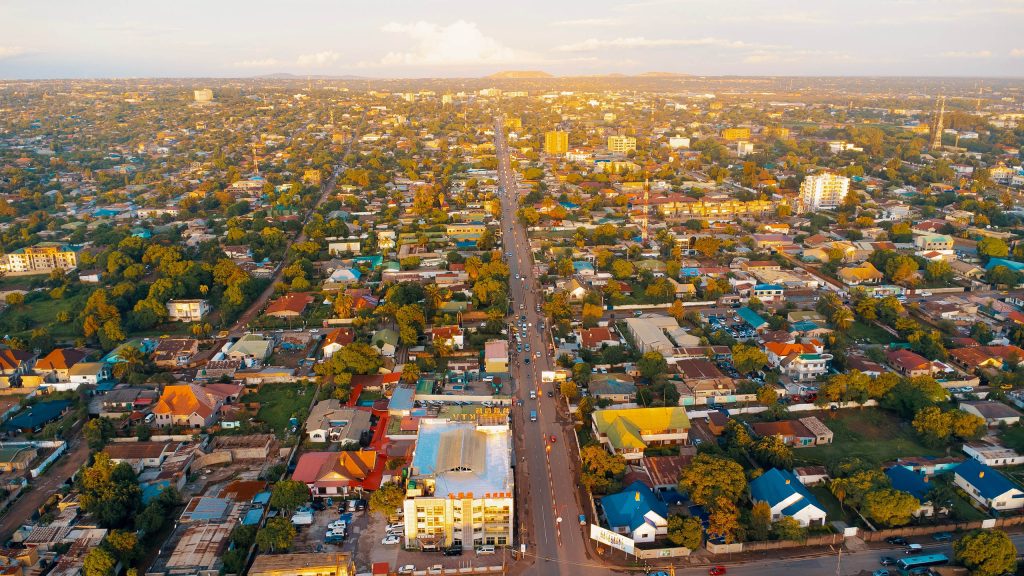
3: Democratic Republic of the Congo
Area: 905,355 square miles (2,344,858 sq km)
Population: 63,655,000
Capital: Kinshasa
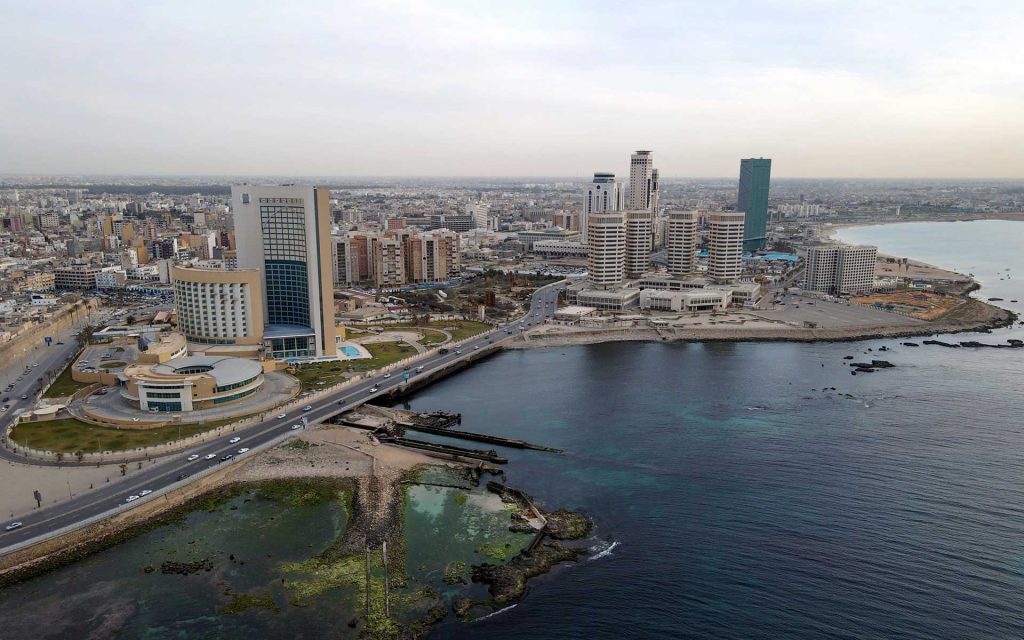
4: Libya
Area: 679,362 square miles (1,759,540 sq km)
Population: 6,036,914
Capital: Tripoli
5: Chad
Area: 495,755 square miles (1,284,000 sq km)
Population: 10,146,000
Capital: N’Djamena

6: Niger
Area: 489,191 square miles (1,267,000 sq km)
Population: 13,957,000
Capital: Niamey
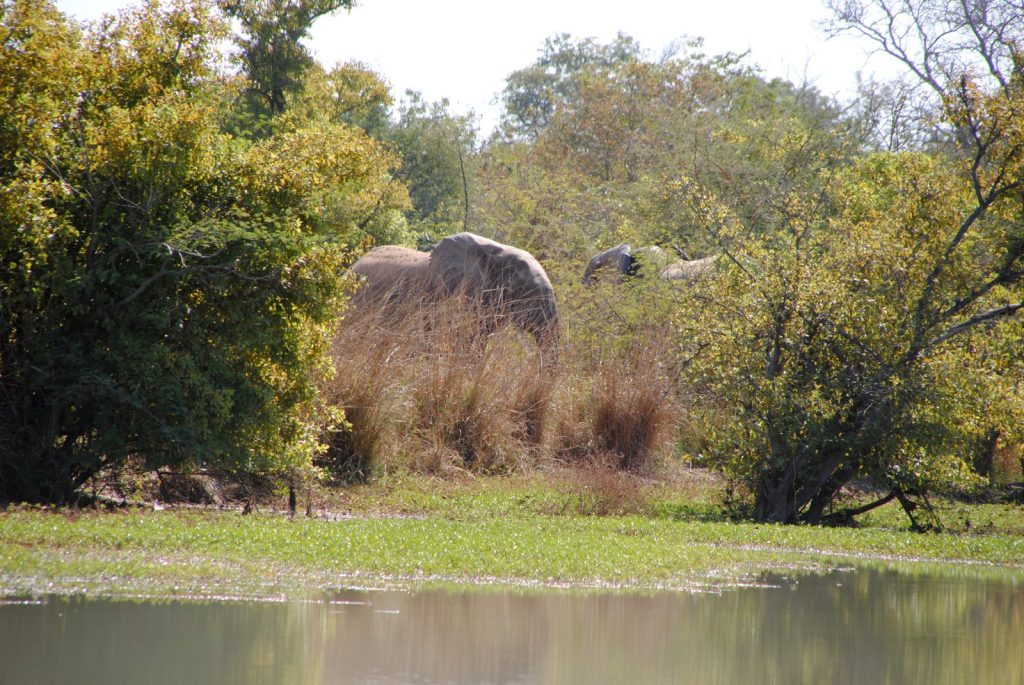
7: Angola
Area: 481,353 square miles (1,246,700 sq km)
Population: 15,941,000
Capital: Luanda
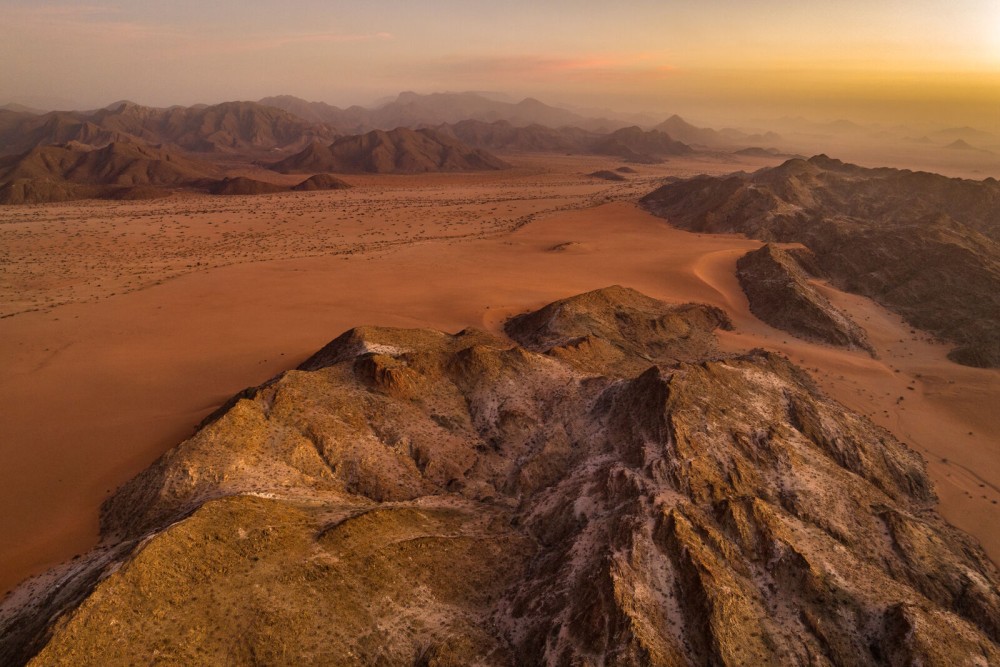
8: Mali
Area: 478,840 square miles (1,240,192 sq km)
Population: 13,518,000
Capital: Bamako
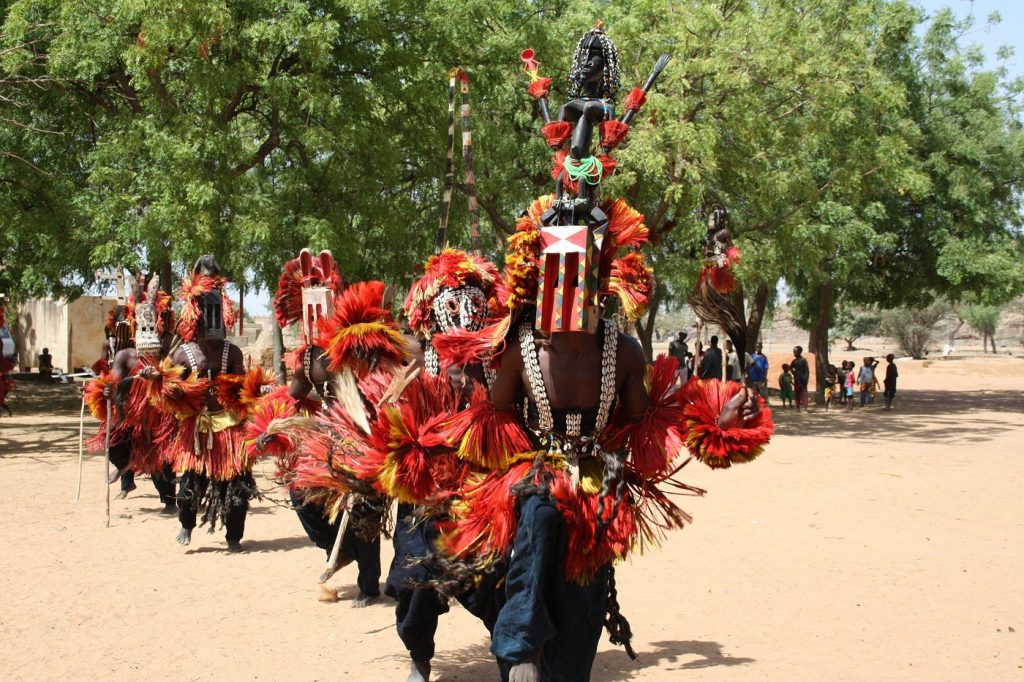
9: South Africa
Area: 471,455 square miles (1,221,037 sq km)
Population: 47,432,000
Capital: Pretoria
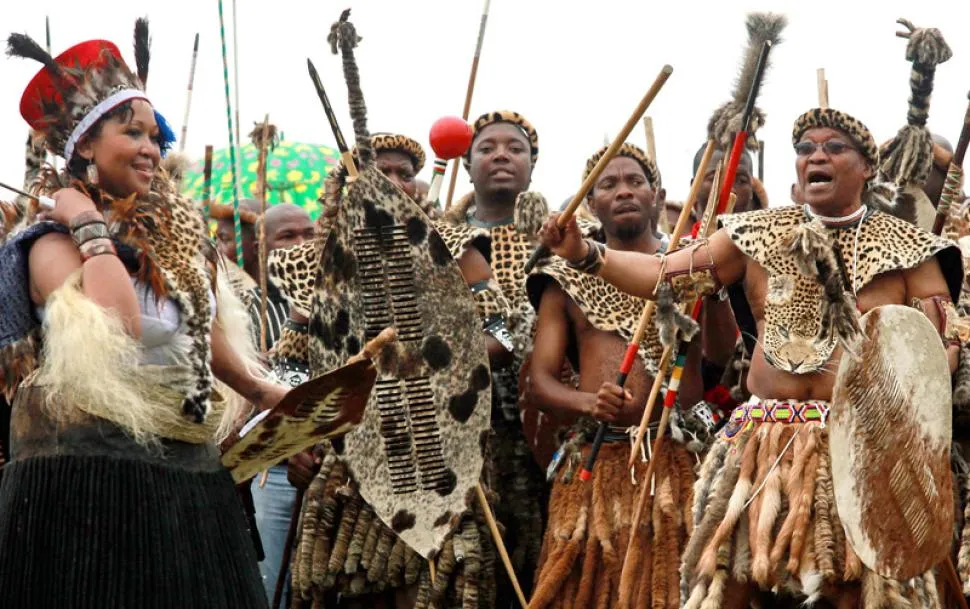
10: Ethiopia
Area: 426,372 square miles (1,104,300 sq km)
Population: 85,237,338
Capital: Addis Ababa
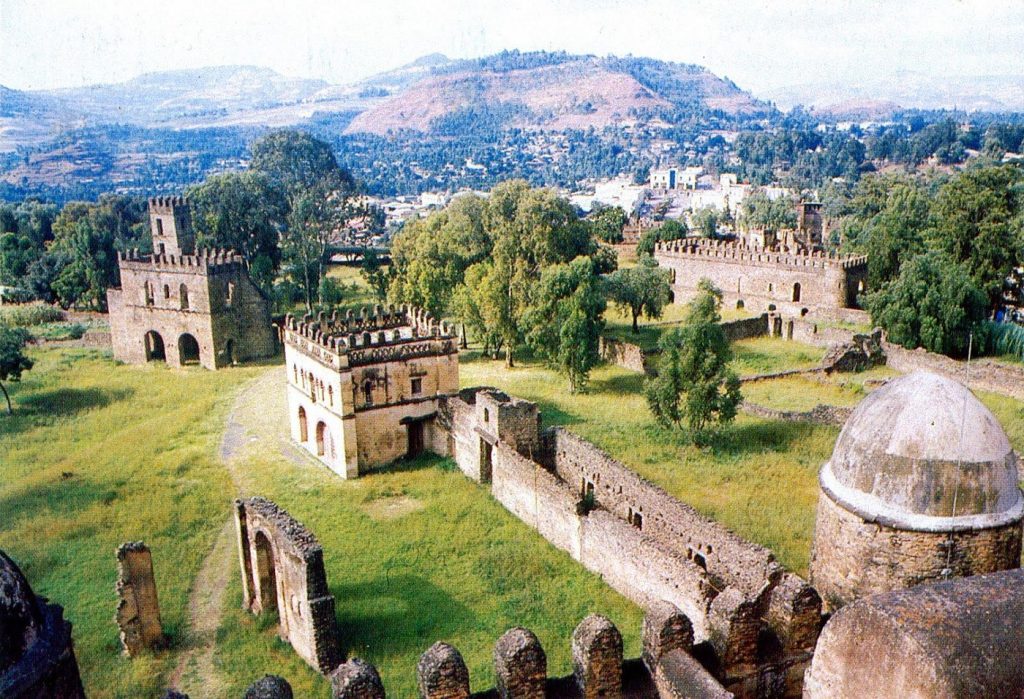
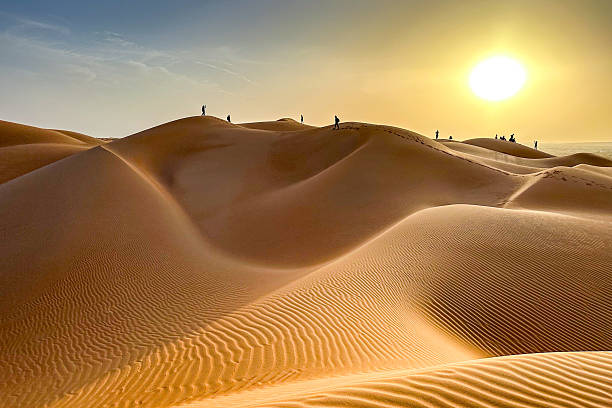
11: Mauritania
Area: 396,955 square miles (1,030,700 sq km)
Population: 3,069,000
Capital: Nouakchott
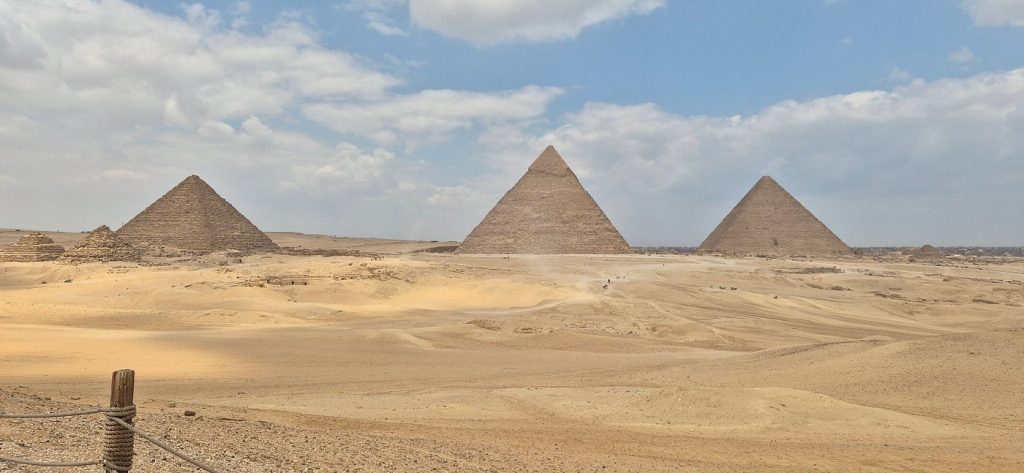
12: Egypt
Area: 386,661 square miles (1,001,449 sq km)
Population: 80,335,036
Capital: Cairo
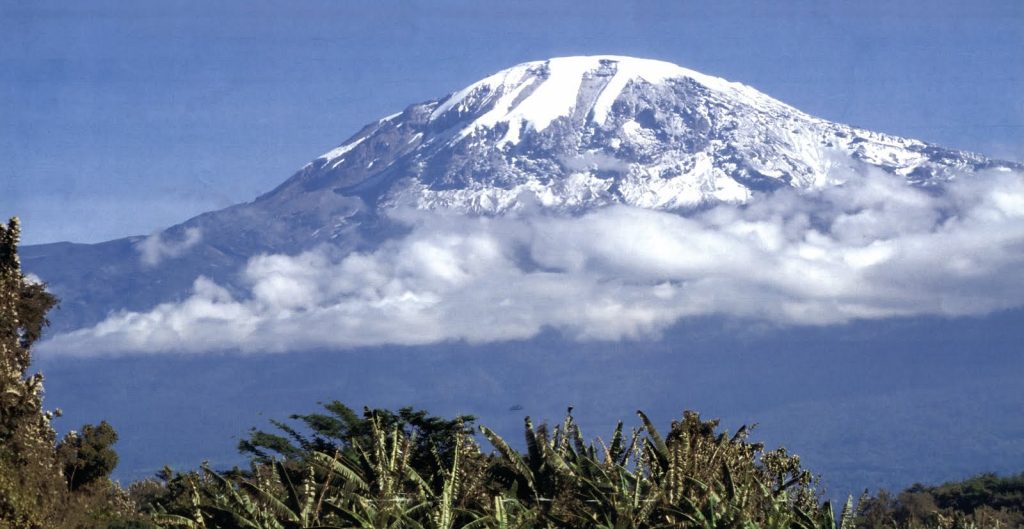
13: Tanzania
Area: 364,900 square miles (945,087 sq km)
Population: 37,849,133
Capital: Dodoma
14:Nigeria
Area: 356,668 square miles (923,768 sq km)
Population: 154,729,000
Capital: Abuja
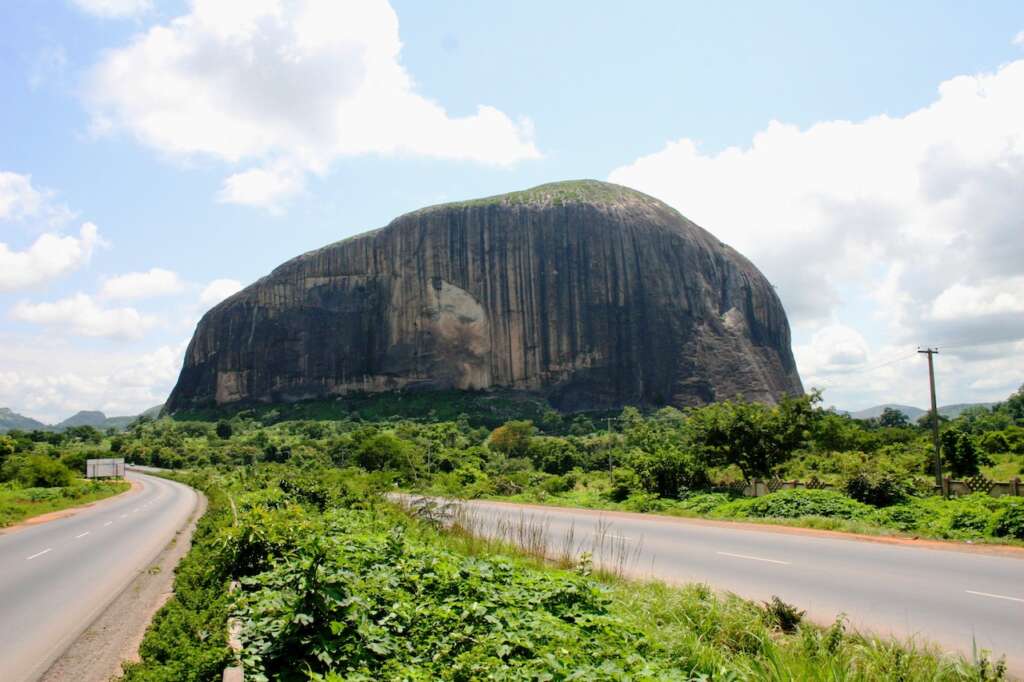
15: Namibia
Area: 318,695 square miles (825,418 sq km)
Population: 2,031,000
Capital: Windhoek
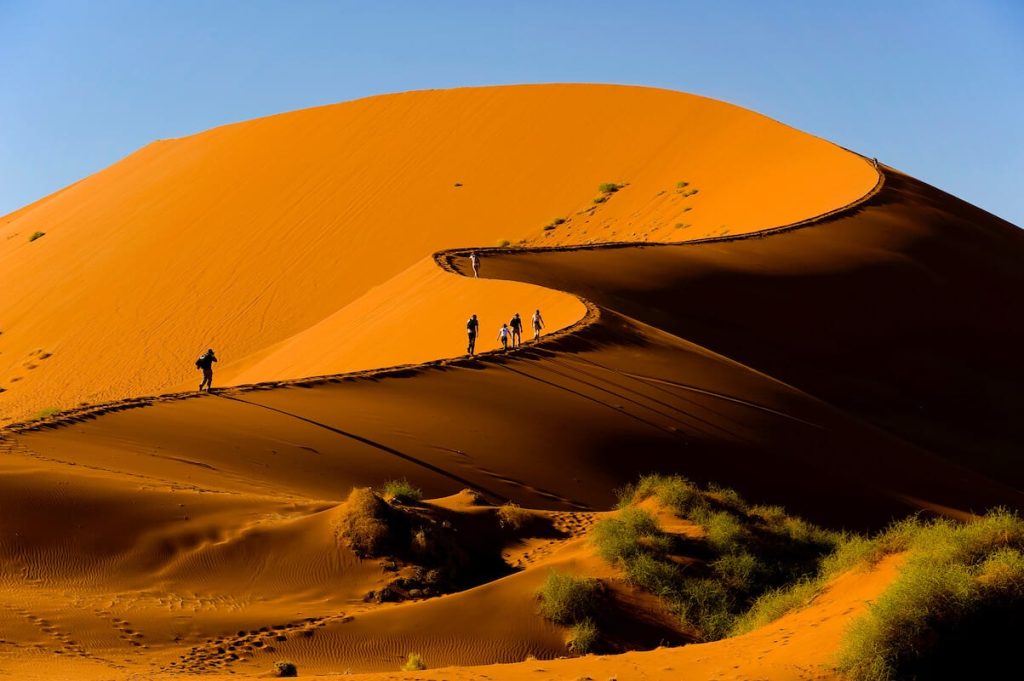
16:Mozambique
Area: 309,495 square miles (801,590 sq km)
Population: 20,366,795
Capital: Maputo
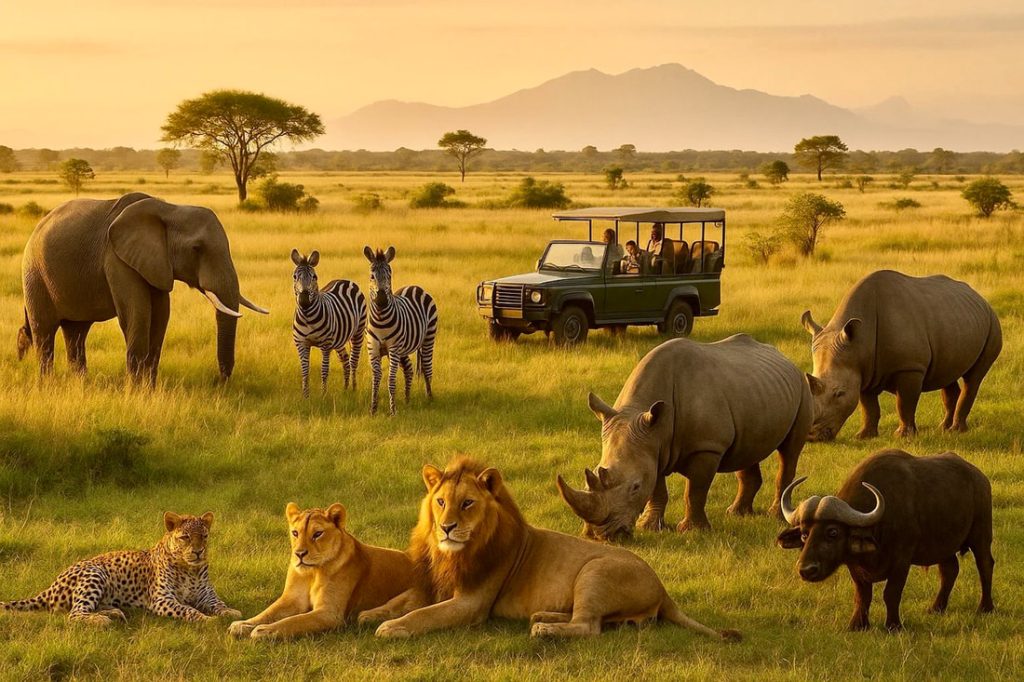
17: Zambia
Area: 290,585 square miles (752,614 sq km)
Population: 14,668,000
Capital: Lusaka
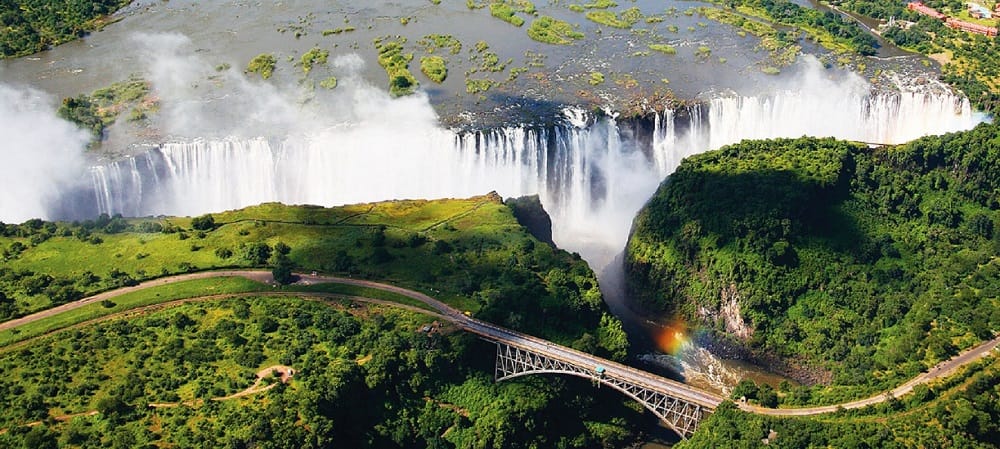
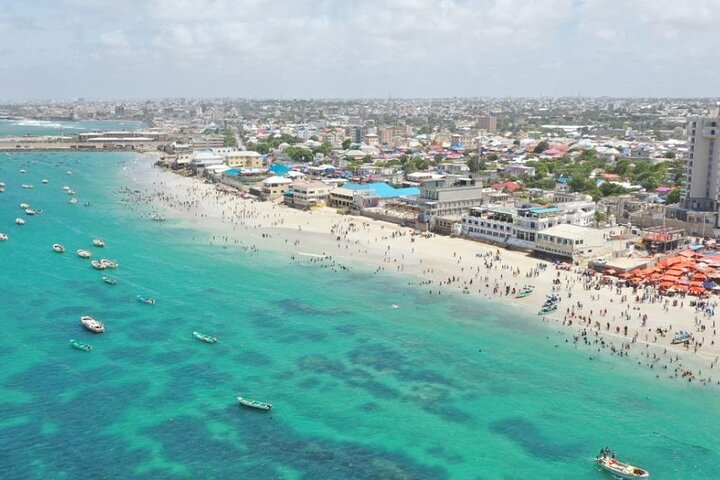
18: Somalia
Area: 246,200 square miles (637,657 sq km)
Population: 9,832,017
Capital: Mogadishu
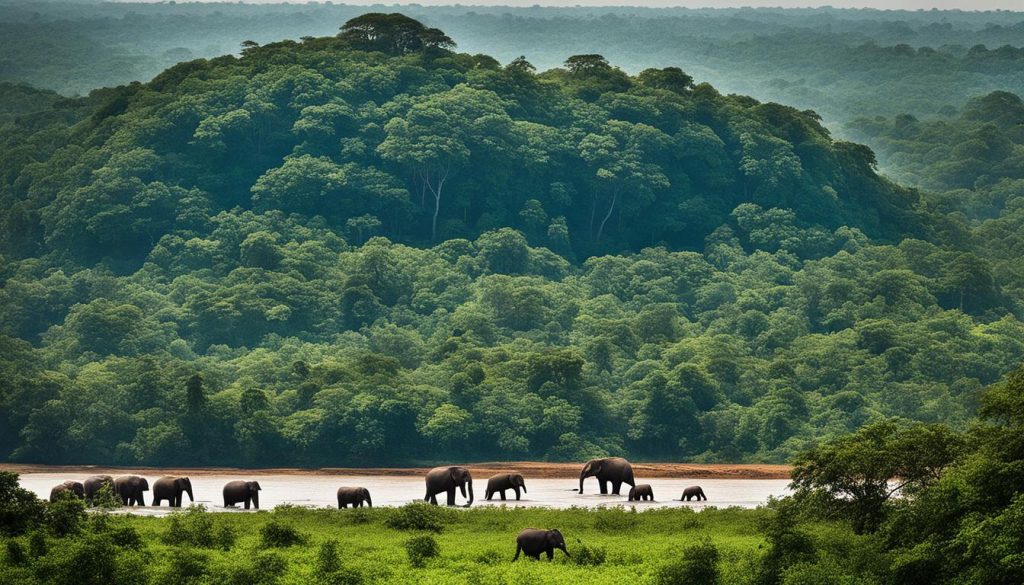
19:Central African Republic
Area: 240,535 square miles (622,984 sq km)
Population: 4,216,666
Capital: Bangui
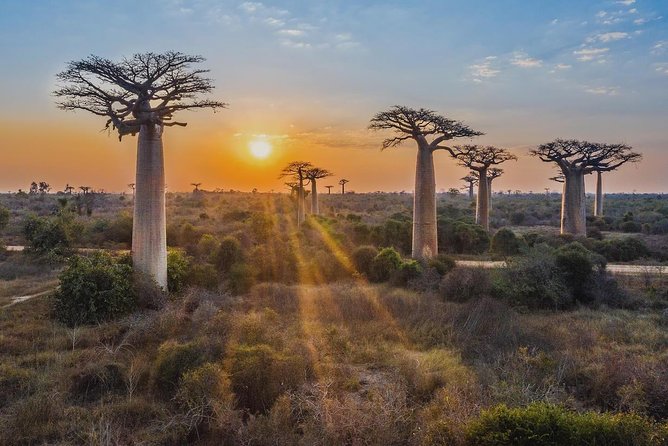
20: Madagascar
Area: 226,658 square miles (587,041 sq km)
Population: 18,606,000
Capital: Antananarivo
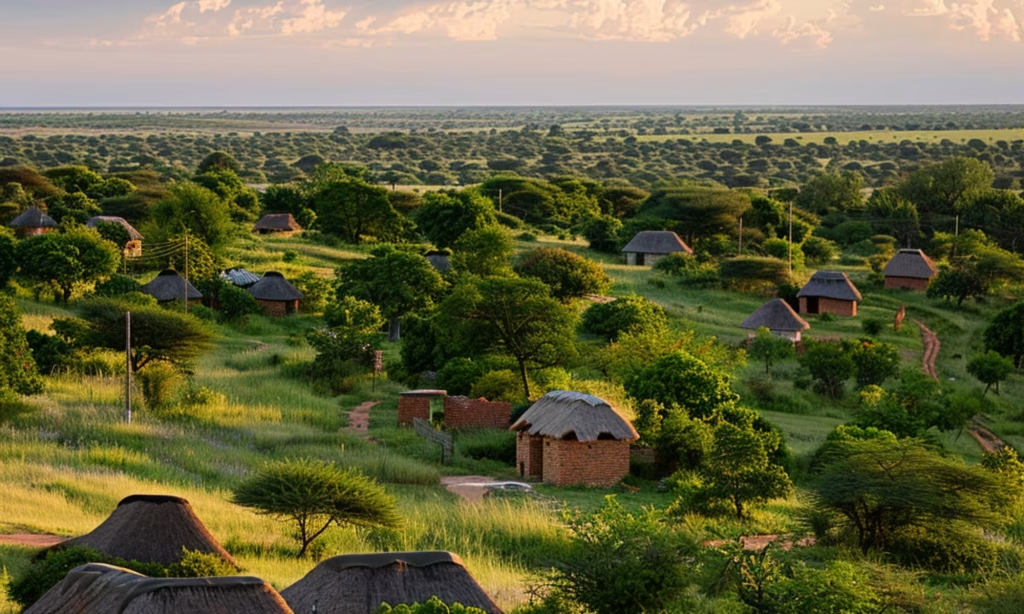
21: Botswana
Area: 224,340 square miles (581,041 sq km)
Population: 1,839,833
Capital: Gaborone
22: Kenya
Area: 224,080 square miles (580,367 sq km)
Population: 34,707,817
Capital: Nairobi
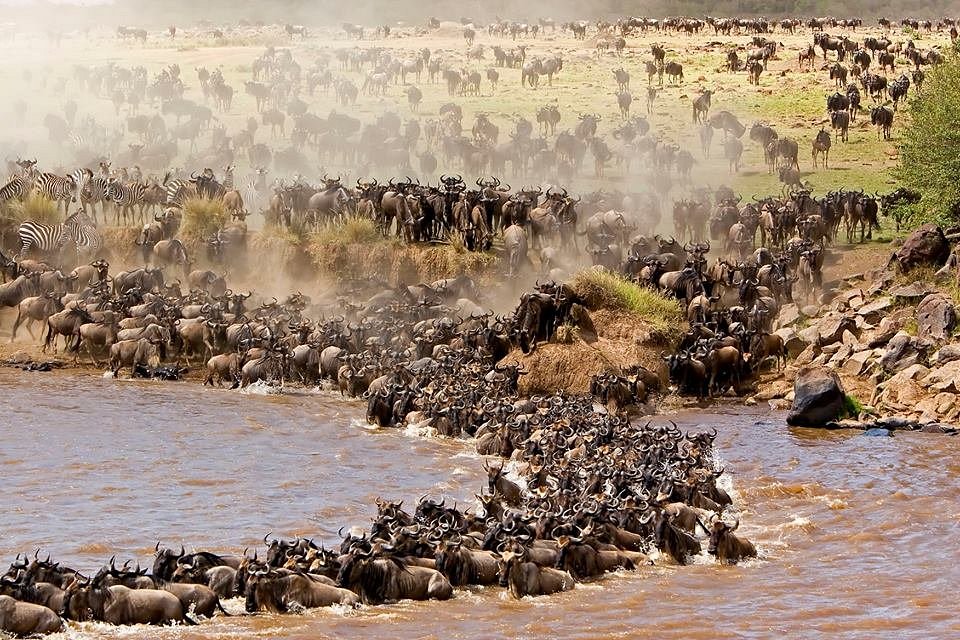
23: Cameroon
Area: 183,569 square miles (475,442 sq km)
Population: 17,795,000
Capital: Yaoundé
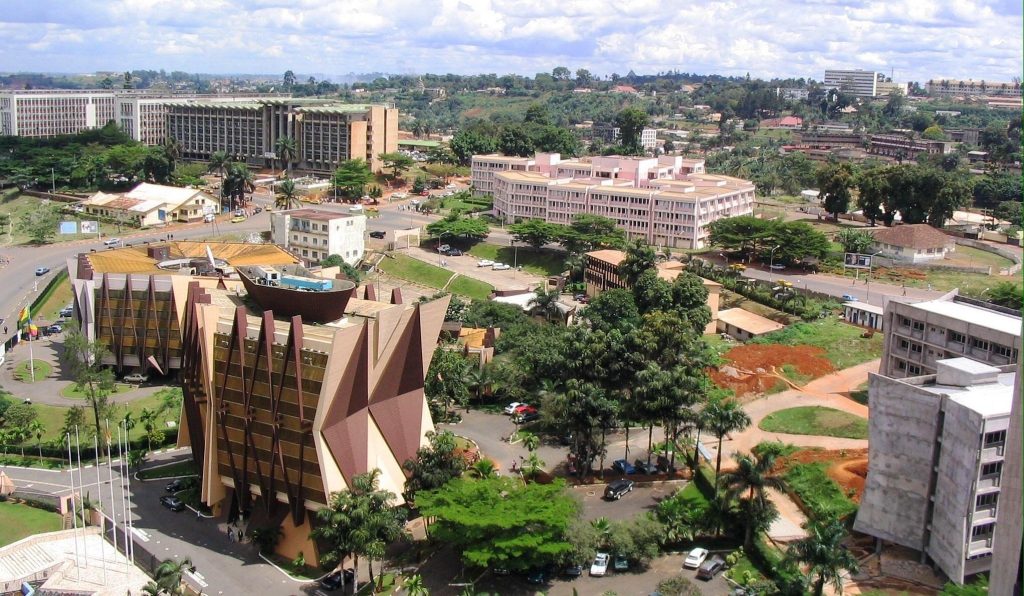
24: Morocco
Area: 172,414 square miles (446,550 sq km)
Population: 33,757,175
Capital: Rabat
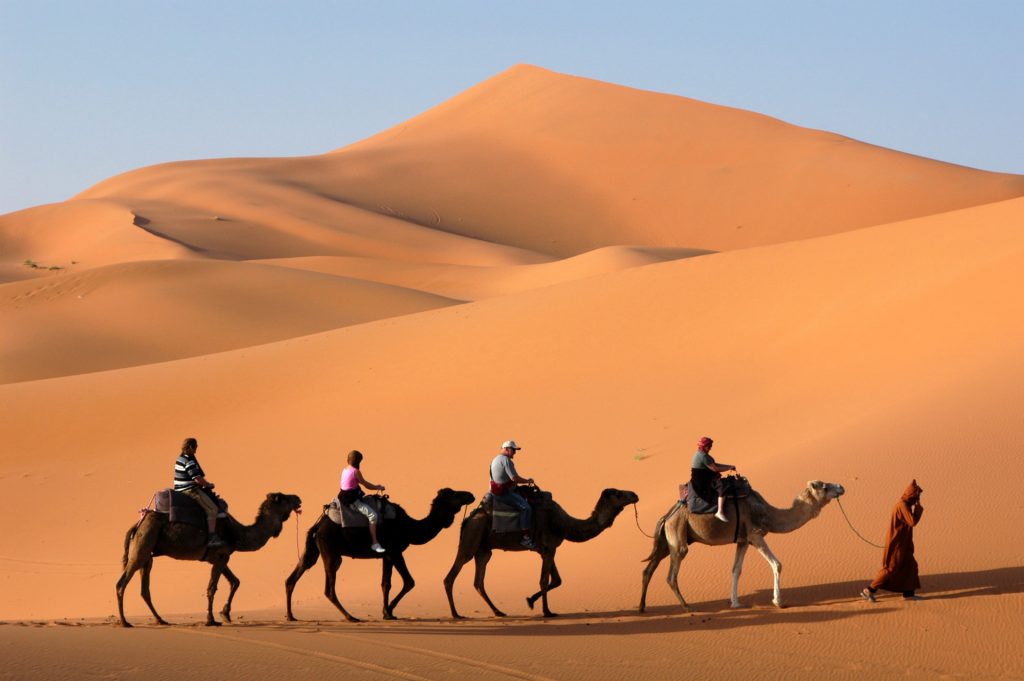
25: Zimbabwe
Area: 150,872 square miles (390,757 sq km)
Population: 13,010,000
Capital: Harare
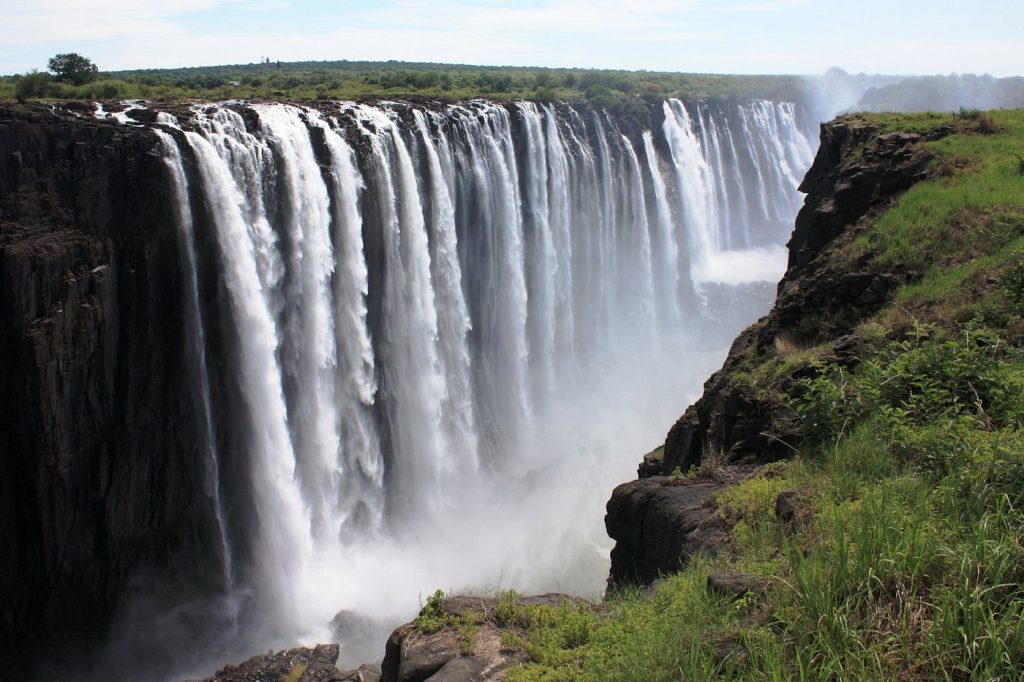
26: Republic of the Congo
Area: 132,046 square miles (342,000 sq km)
Population: 4,012,809
Capital: Brazzaville
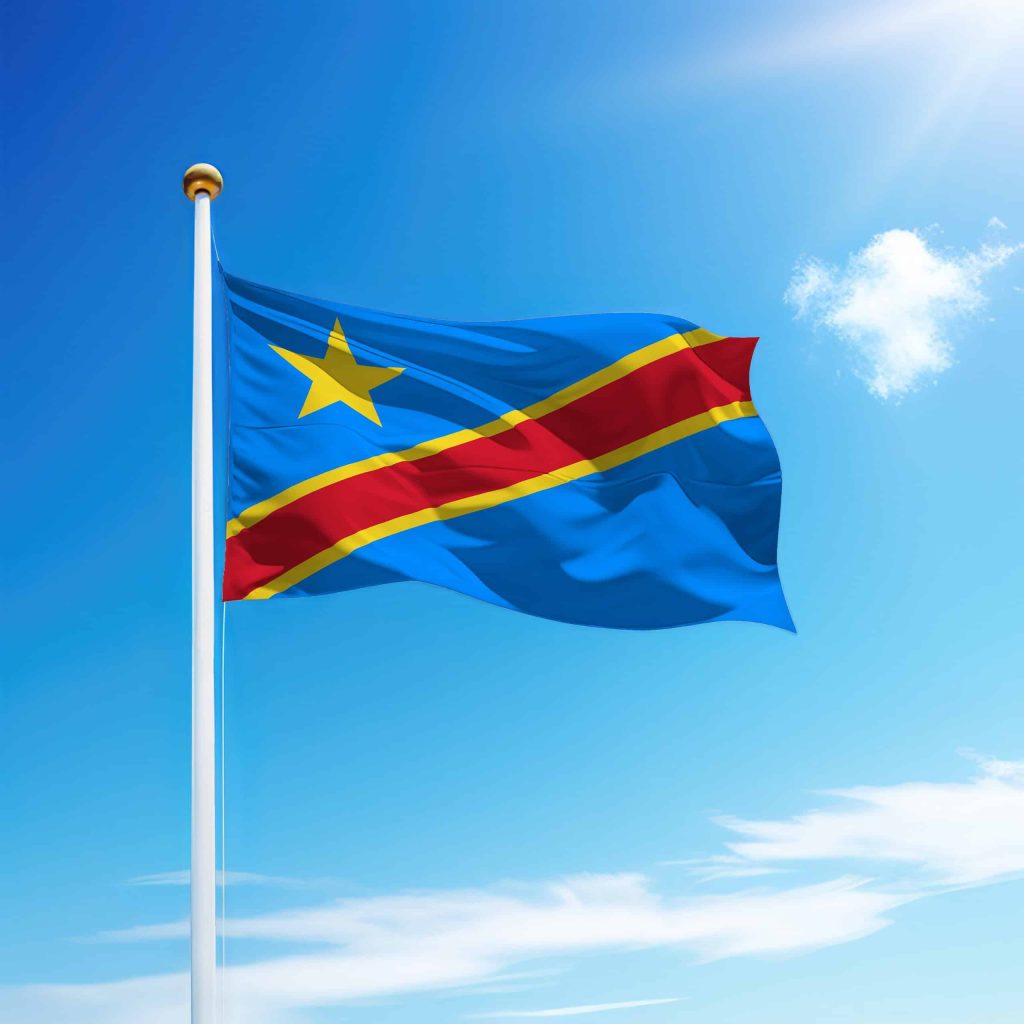
27: Côte d’Ivoire
Area: 124,502 square miles (322,460 sq km)
Population: 17,654,843
Capital: Yamoussoukro
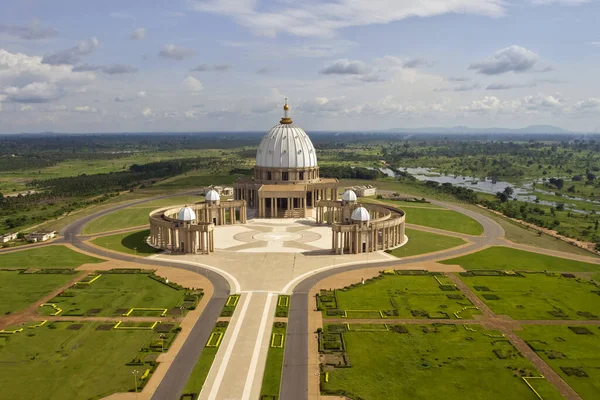
28: Burkina Faso
Area: 105,792 square miles (274,000 sq km)
Population: 13,228,000
Capital: Ouagadougou
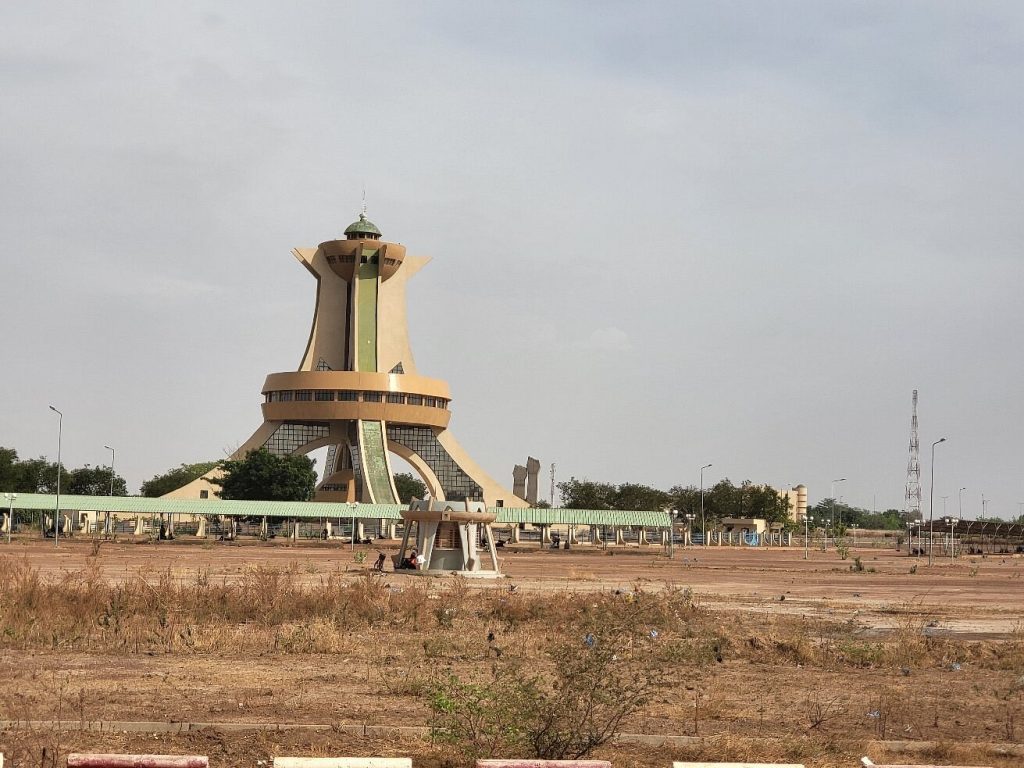
29: Gabon
Area: 103,347 square miles (267,668 sq km)
Population, 1,387,000
Capital: Libreville
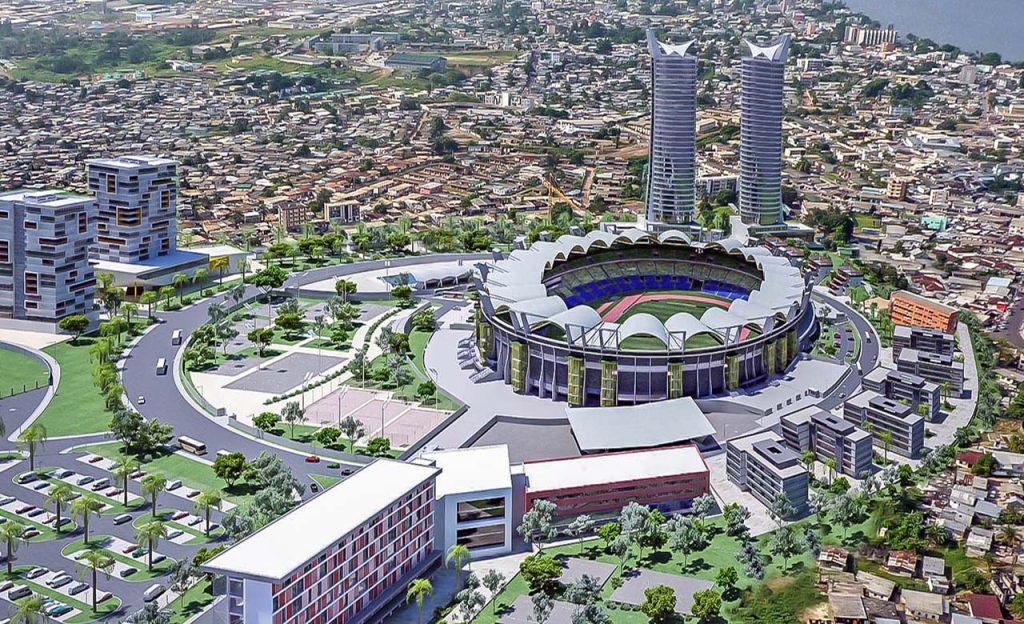
30: Guinea
Area: 94,925 square miles (245,857 sq km)
Population: 9,402,000
Capital: Conakry
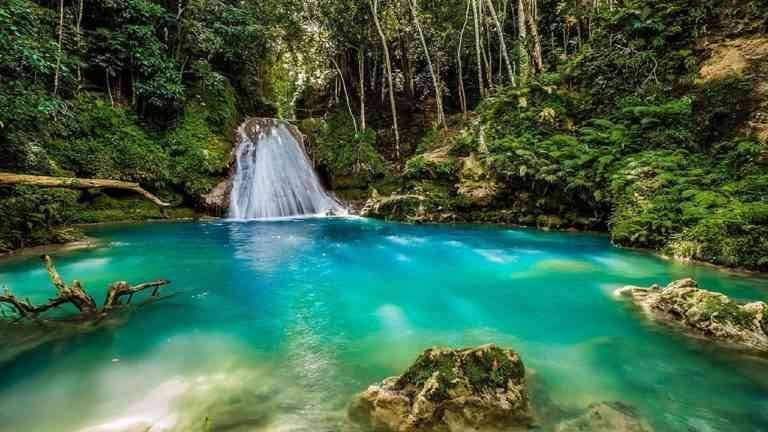
31: Ghana
Area: 92,098 square miles (238,534 sq km)
Population: 23,000,000
Capital: Accra
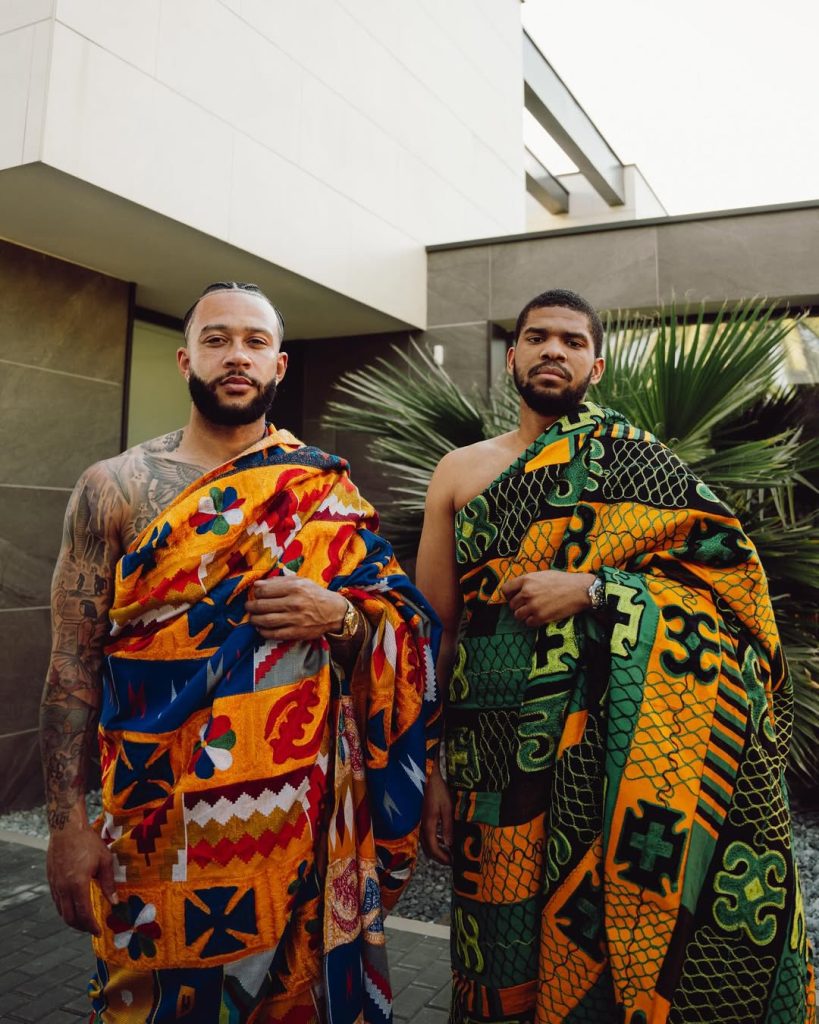
32: Uganda
Area: 91,135 square miles (236,040 sq km)
Population: 27,616,000
Capital: Kampala
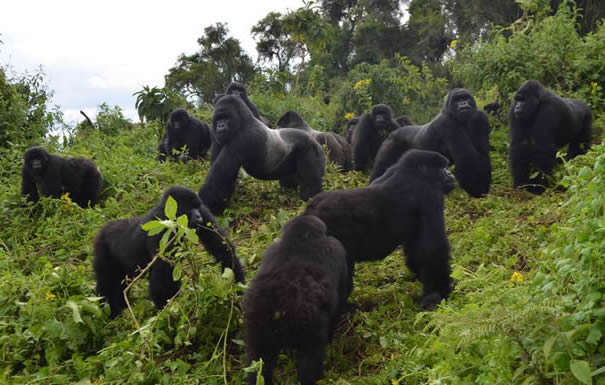
33: Senegal
Area: 75,955 square miles (196,723 sq km)
Population: 11,658,000
Capital: Dakar
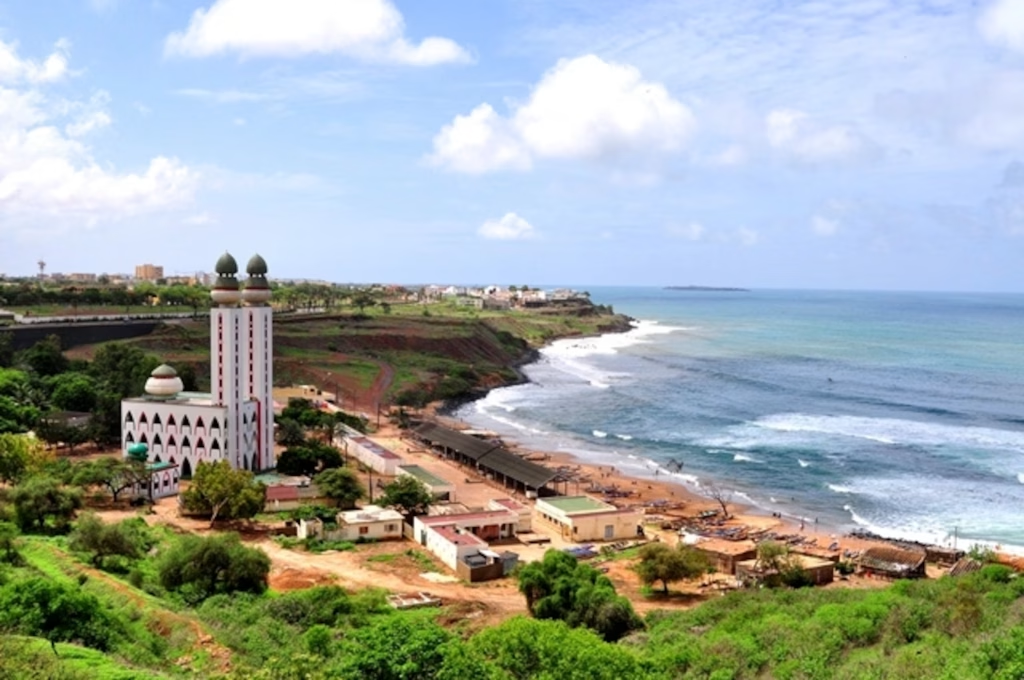
34: Tunisia
Area: 63,170 square miles (163,610 sq km)
Population: 10,102,000
Capital: Tunis
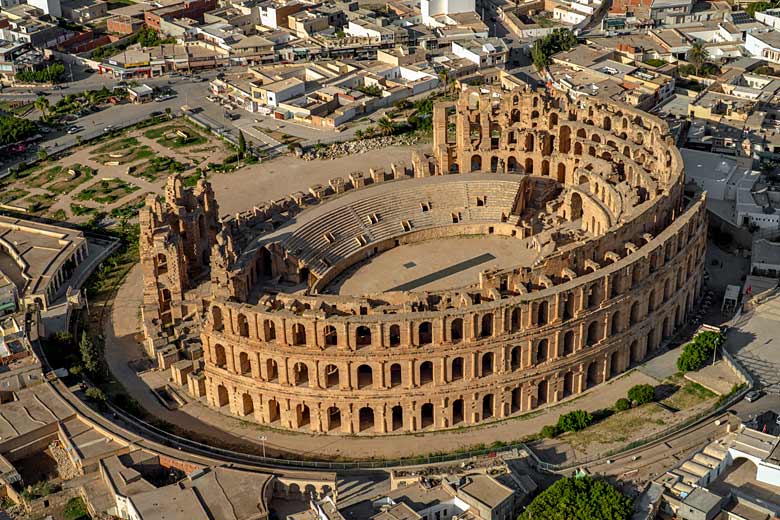
35: Malawi
Area: 45,746 square miles (118,484 sq km)
Population: 12,884,000
Capital: Lilongwe
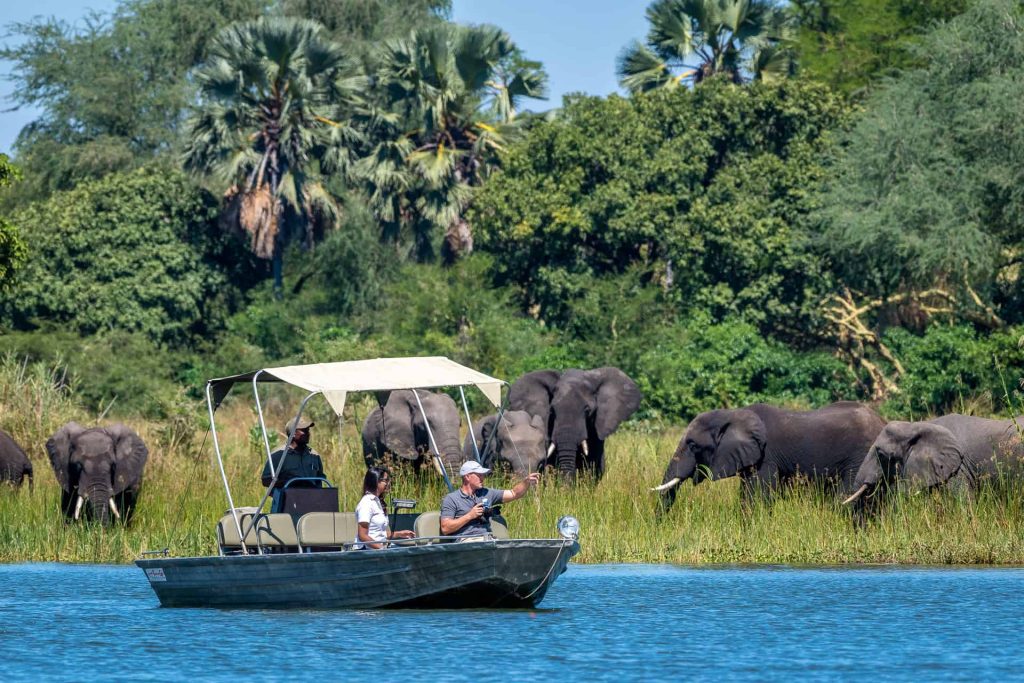
36: Eritrea
Area: 45,405 square miles (117,600 sq km)
Population: 4,401,000
Capital: Asmara
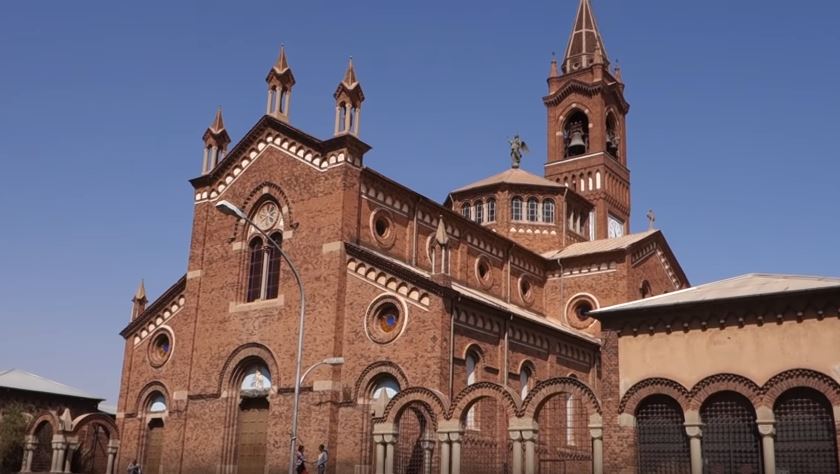
37: Benin
Area: 43,484 square miles (112,622 sq km)
Population: 8,439,000
Capital: Porto Novo
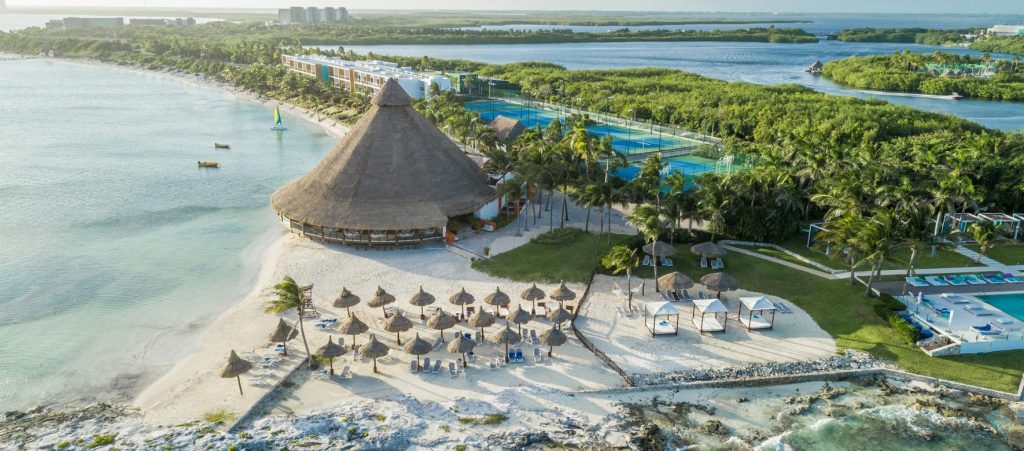
38: Liberia
Area: 43,000 square miles (111,369 sq km)
Population: 3,283,000
Capital: Monrovia
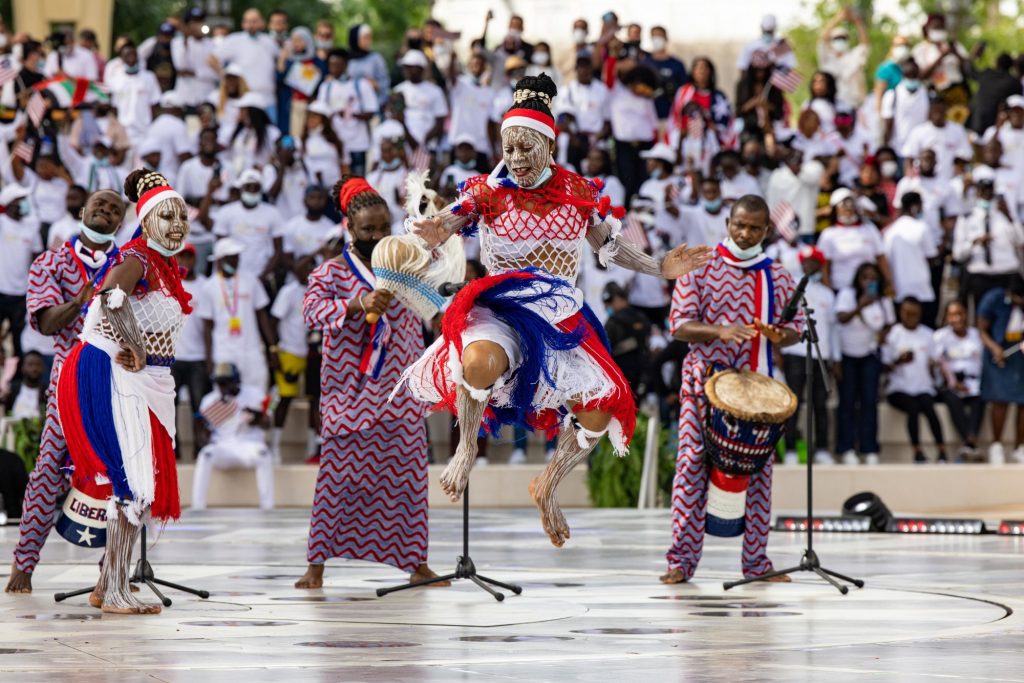
39: Sierra Leone
Area: 27,699 square miles (71,740 sq km)
Population: 6,144,562
Capital: Freetown
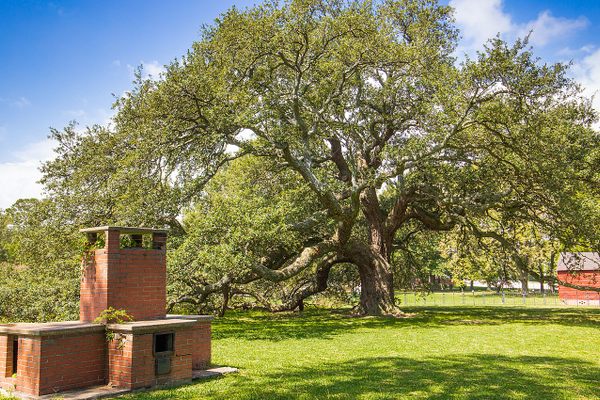
40: Togo
Area: 21,925 square miles (56,785 sq km)
Population: 6,100,000
Capital: Lomé
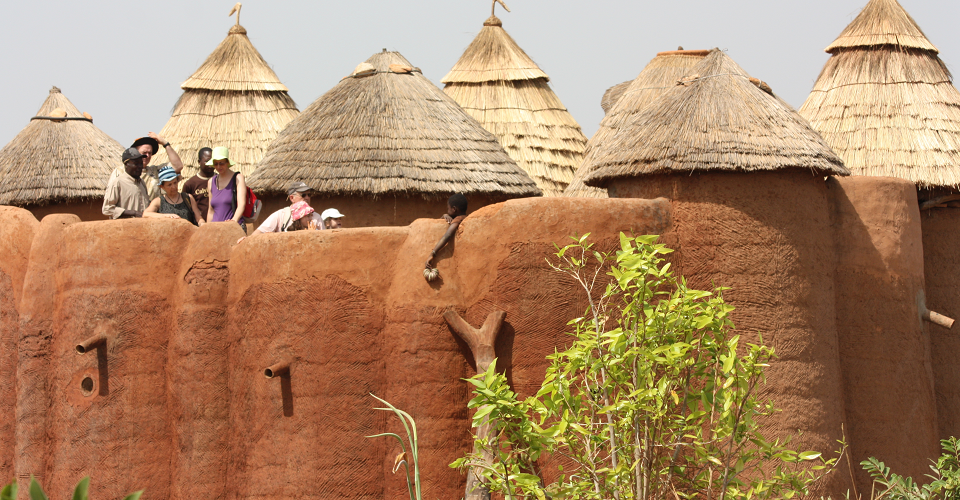
41: Guinea-Bissau
Area: 13,948 square miles (36,125 sq km)
Population: 1,586,000
Capital: Bissau
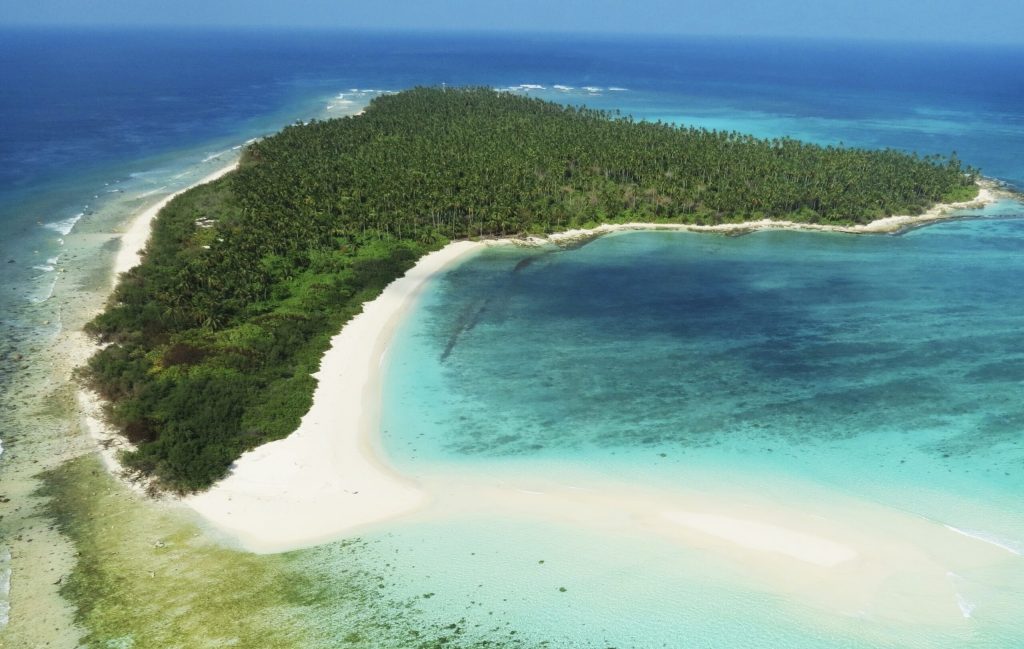
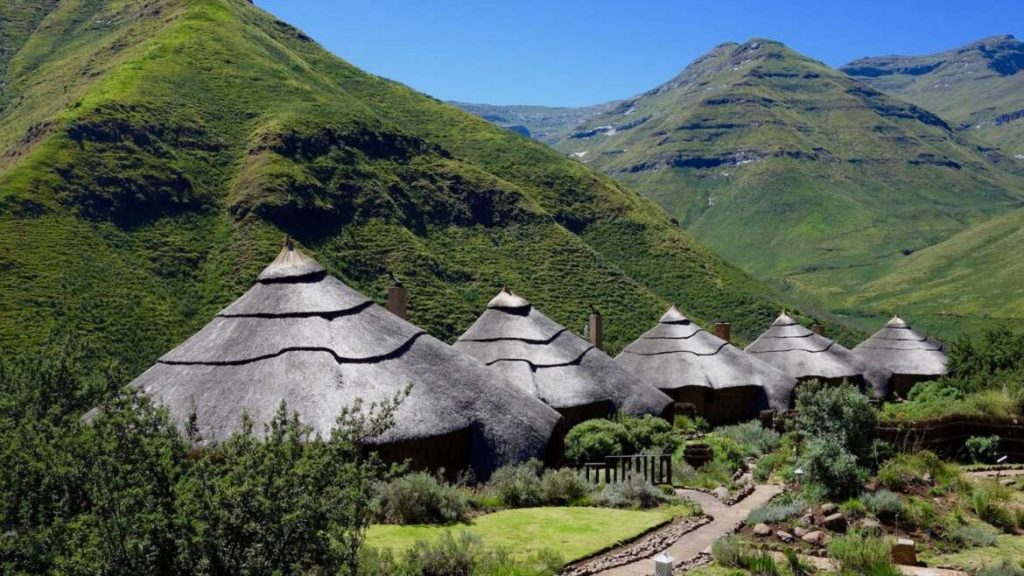
42: Lesotho
Area: 11,720 square miles (30,355 sq km)
Population: 1,795,000
Capital: Maseru
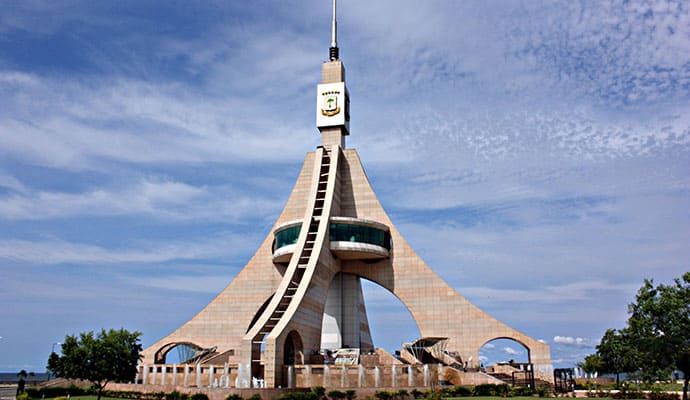
43: Equatorial Guinea
Area: 10,830 square miles (28,051 sq km)
Population: 504,000
Capital: Malabo
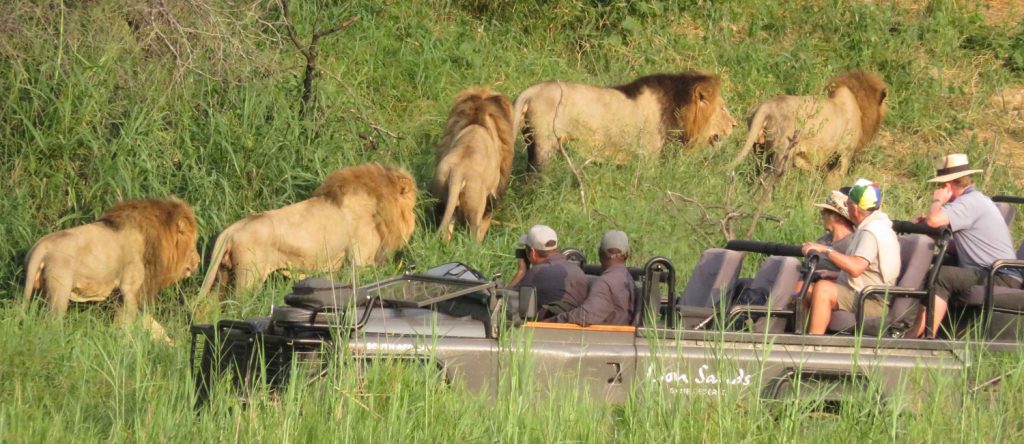
44: Burundi
Area: 10,745 square miles (27,830 sq km)
Population: 7,548,000
Capital: Bujumbura
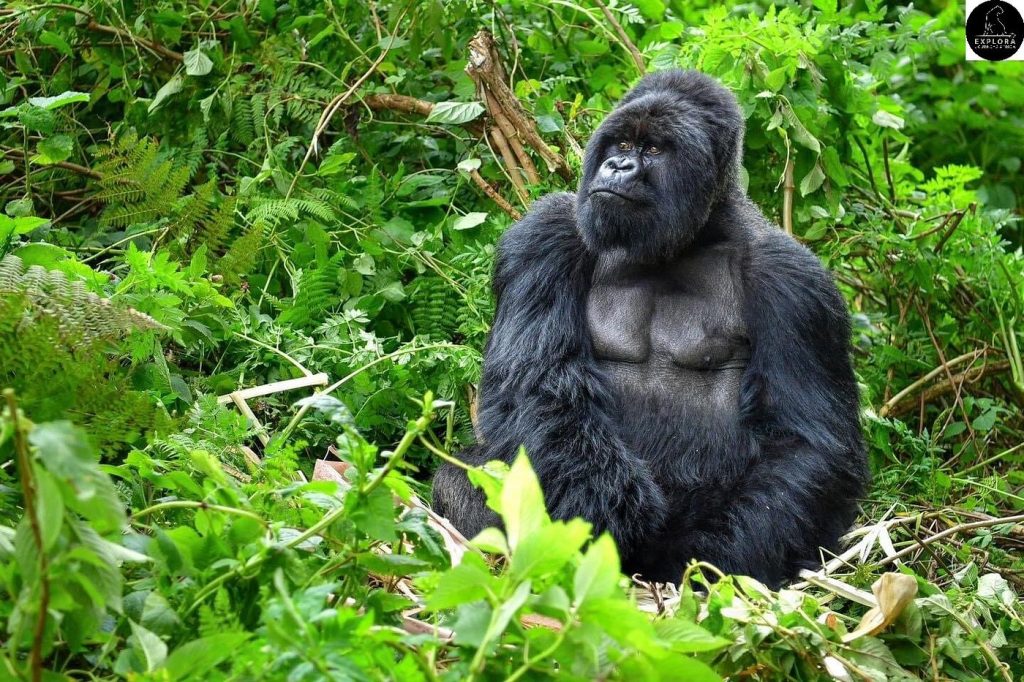
45: Rwanda
Area: 10,346 square miles (26,798 sq km)
Population: 7,600,000
Capital: Kigali
46: Djibouti
Area: 8,957 square miles (23,200 sq km)
Population: 496,374
Capital: Djibouti
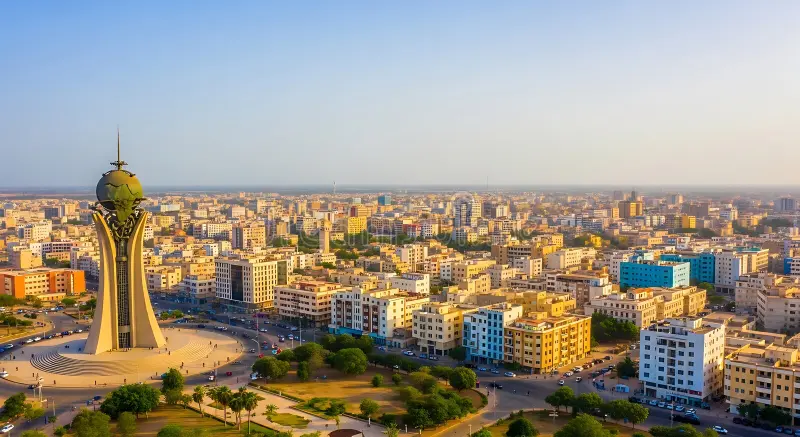
47: Swaziland
Area: 6,704 square miles (17,364 sq km)
Population: 1,032,000
Capital: Lobamba and Mbabane
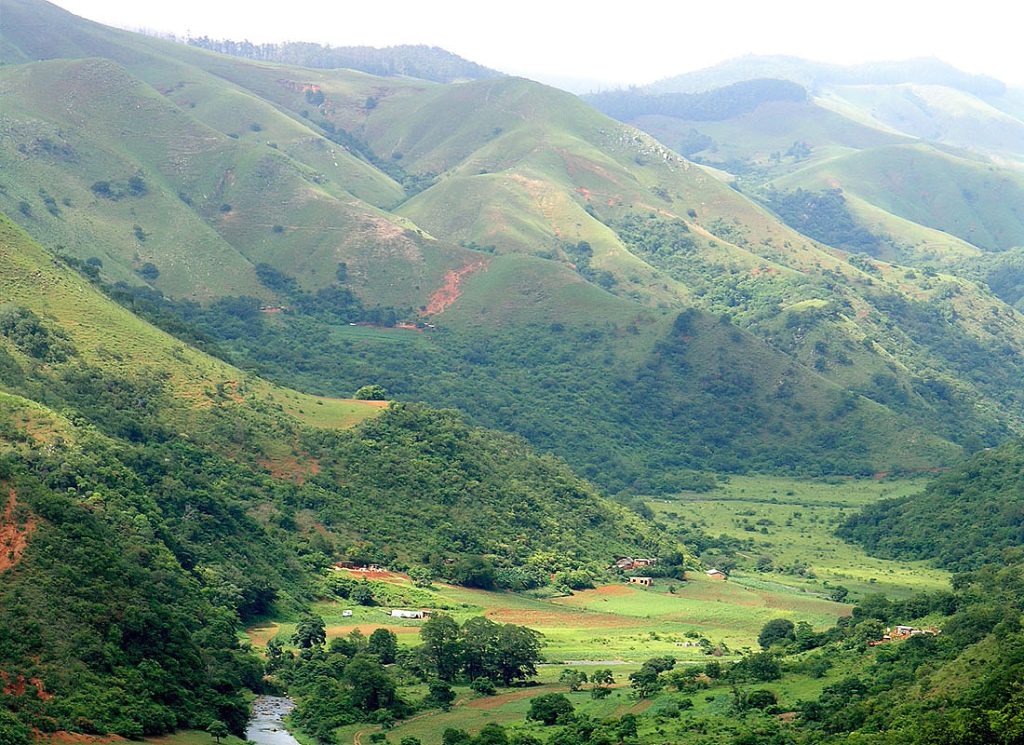
48: Gambia
Area: 4,007 square miles (10,380 sq km)
Population: 1,517,000
Capital: Banjul
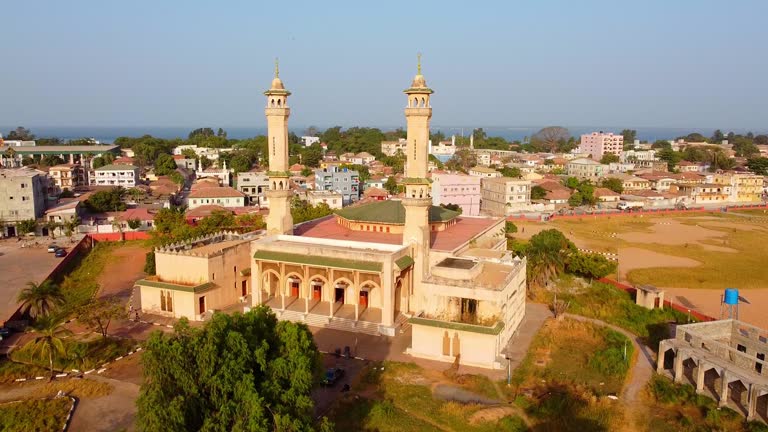
49: Cape Verde
Area: 1,557 square miles (4,033 sq km)
Population: 420,979
Capital: Praia
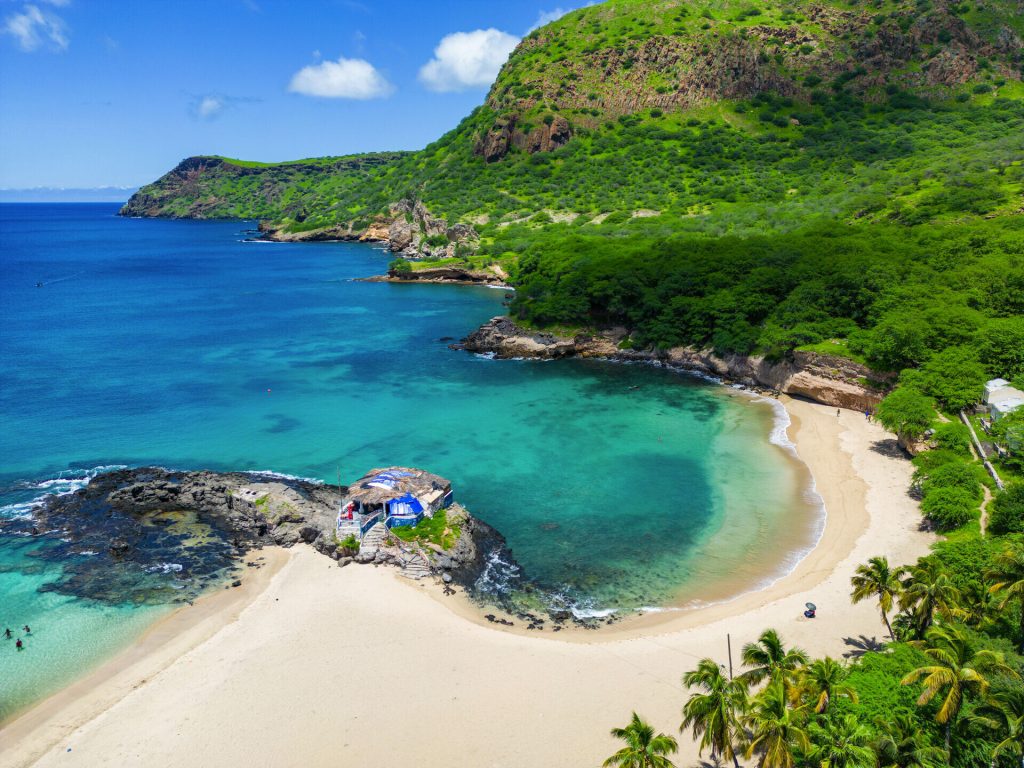
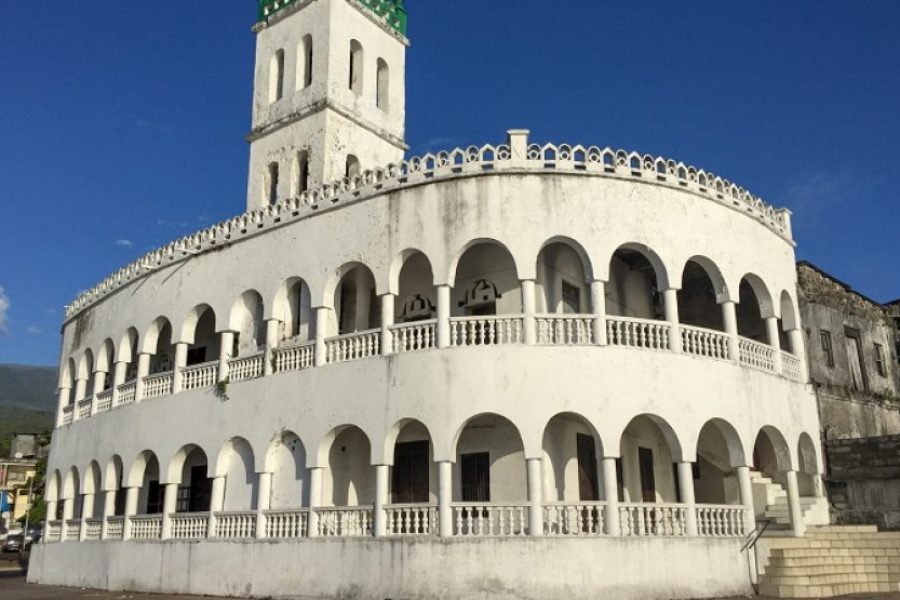
50: Comoros
Area: 863 square miles (2,235 sq km)
Population: 798,000
Capital: Moroni
51: Mauritius
Area: 787 square miles (2,040 sq km)
Population: 1,219,220
Capital: Port Louis

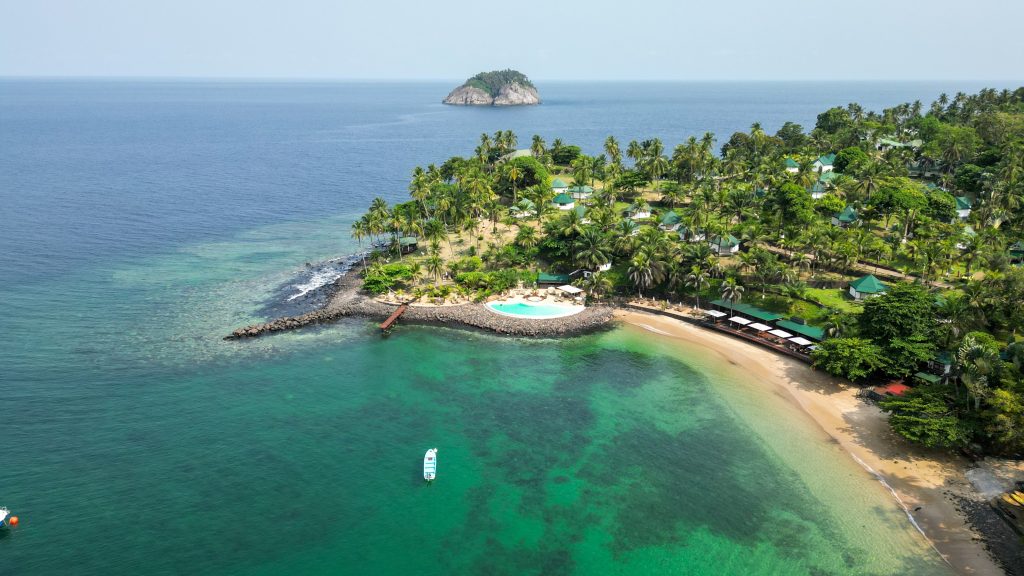
52: São Tomé and Príncipe
Area: 380 square miles (984 sq km)
Population: 157,000
Capital: São Tomé
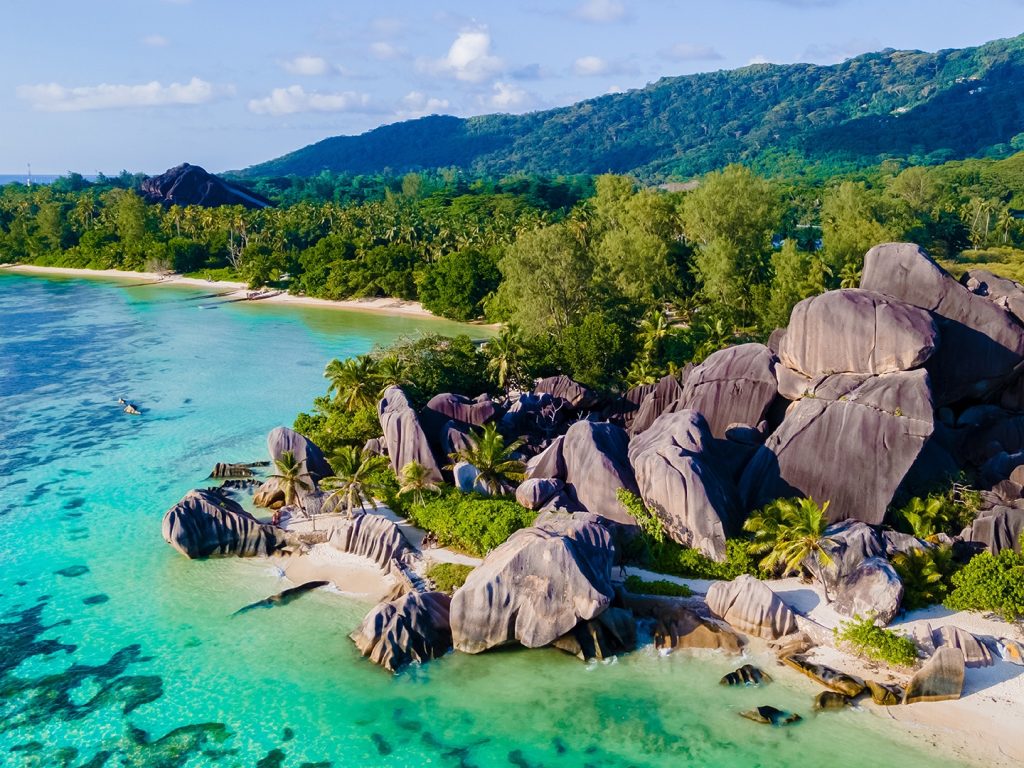
53: Seychelles
Area: 175 square miles (455 sq km)
Population: 88,340
Capital: Victoria
Frequently Asked Questions
What makes Africa’s geography so diverse?
Africa has many different landscapes. You can find deserts, mountains, forests, and grasslands. The continent is very large, so climates vary from place to place. Some areas are hot and dry, while others receive heavy rainfall. This diversity makes Africa unique and beautiful.
Which is the largest country in Africa?
Algeria is the largest country in Africa by land area. It is located in North Africa. Much of the country is covered by the vast Sahara Desert. Despite its dry climate, Algeria has modern cities and rich history. It is an important country in the region.
Why is the Sahara Desert important?
The Sahara Desert is the largest hot desert in the world. It stretches across several African countries. The desert influences weather and travel in the region. Many plants and animals have adapted to its harsh conditions. It is one of Africa’s most famous natural features.
Which African countries have famous mountains?
Several African countries are known for their mountains. Tanzania is home to Mount Kilimanjaro, the highest mountain in Africa. Kenya has the beautiful Mount Kenya. These mountains attract climbers and nature lovers from around the world. They are also important sources of water for nearby communities.
How do rivers affect life in African countries?
Rivers play a major role in daily life across Africa. The Nile River helps support farming and provides water to millions of people. Other major rivers also help with transportation and fishing. Many cities and villages developed near rivers. They remain important for both people and wildlife today.
Still have questions?
Our local safari experts are happy to help you plan the perfect African safari.





