
Table of Contents
Although the Ebola outbreak has taken place in Congo, Uganda, and South Sudan, you should still not be too concerned about it. Have a look at the size of Africa, and you’ll quickly see that you’re not closer to Congo when you plan to visit Nairobi, Arusha, Kilimanjaro, or Zanzibar.
The Ebola outbreak is confined to Congo, more than 2000 km from Arusha. It would take a person at least two days to cover this distance overland, and they could certainly not make the journey if infected with the virus and showing symptoms.
Even though it is highly unlikely that anyone could traverse these distances through some very hostile environments while ill, the border officials in many countries, including Kenya, Tanzania, and Uganda, are checking for any people who look vaguely ill or have a fever. If anyone shows signs of illness, they will be isolated and receive appropriate medical treatment.
Ebola on Planes
If you are worried about Ebola being spread through air travel, it is again extremely unlikely that the virus would be spread in this manner. It takes time for an infected person to develop symptoms, and they become contagious only after the first symptoms appear. As symptoms worsen, the ability to transmit the virus increases. As a result, patients are usually most likely to infect others at a severe stage of the disease, when they are visibly and physically too ill to travel, and at that stage, they will probably not be physically capable of boarding an aircraft unassisted.
The World Health Organization (WHO) is therefore advising against imposing travel bans to and from affected countries. The Director of the WHO Global Capacity Alert and Response has stated that because the risk of Ebola transmission on aircraft is so low, the WHO does not consider air transport hubs at high risk for further spread of Ebola.
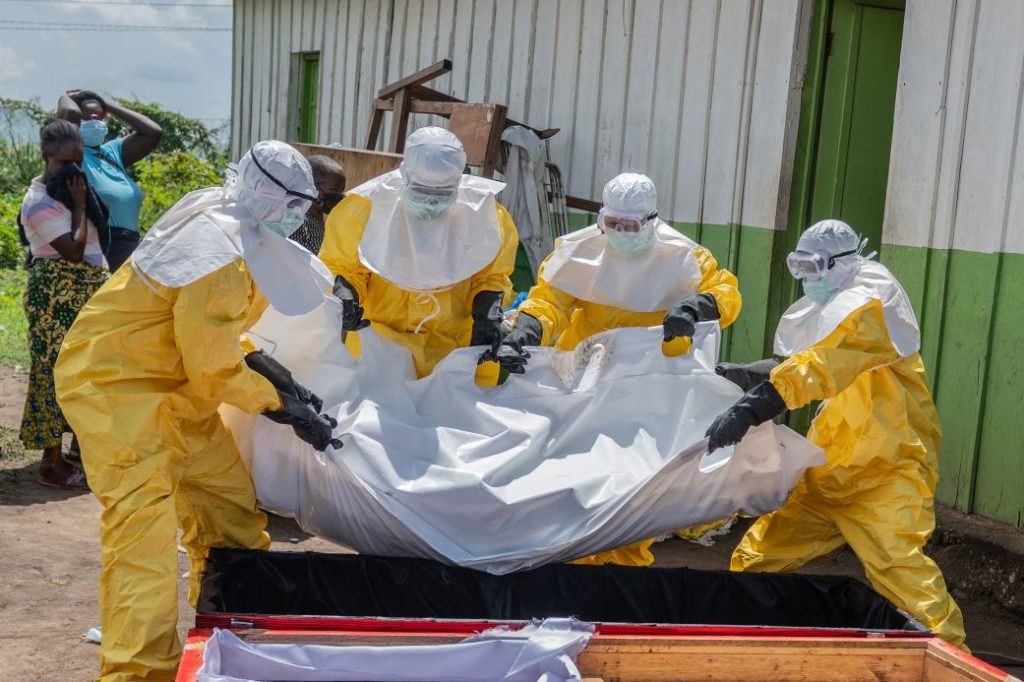
The highest Ebola virus level is found in a dead body, according to the WHO, so the highest risk of Ebola transmission is in preparing a body for burial. The persons most at risk are those in very close direct contact with infected patients or corpses, such as doctors, nurses, or mortuary attendants.
Airlines Taking Action
Despite this sound medical advice, Most of the airlines, including Uganda Airlines and Ethiopia Airline, have taken the added precaution of suspending their flights into Congo, especially Kinshasa, for the time being. The Tanzanian government is also imposing a health surveillance team for entry into Tanzania of passengers who have passed through Congo, Uganda, and South Sudan in the past 30 days.
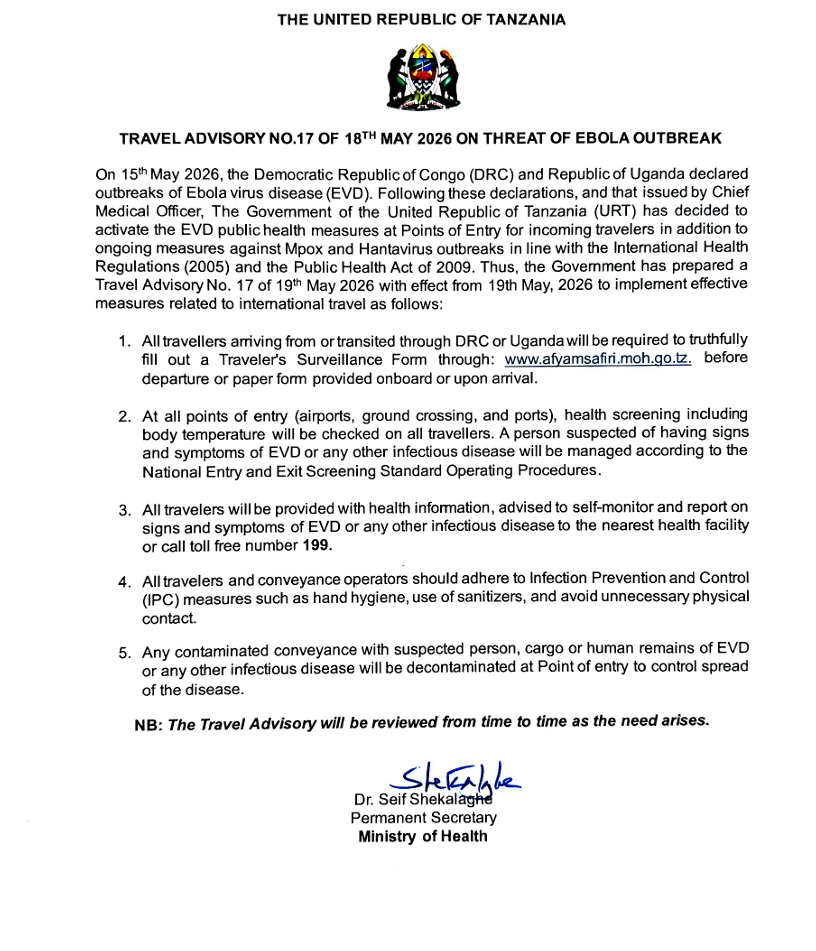
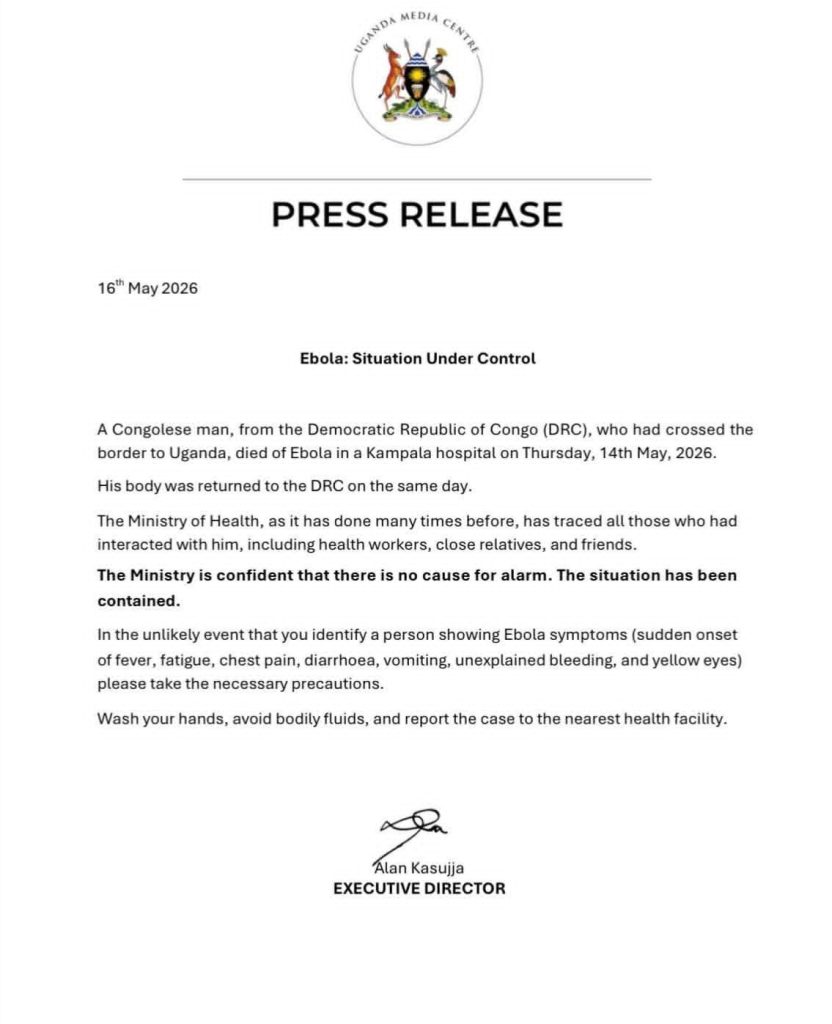
Entry airports into Uganda, Kenya, and Tanzania are all equipped with sophisticated thermal scanners that detect travellers with raised temperatures, who are then assessed at the medical facilities at the airport. Anyone planning to go on safari in Uganda is very likely to stop in Kampala en route to their final destination. The Ministry of Health, Port Health Authorities and Civil Aviation Authority in Uganda have all been informed of the signs and symptoms of Ebola, and outbreak response teams have been alerted to be prepared to respond in the event a suspected case is identified in the country.
More Facts About the Ebola Virus
The affected nation, the Democratic Republic of Congo, has a very inadequate public health infrastructure that has so far been unable to control the present outbreak. Most infections in this country take place in the community when family members or friends take care of someone who is ill, or when funeral preparation and burial ceremonies do not follow strict infection prevention and control measures. A second important place where transmission can occur is in clinics and other health care settings, when health care workers, patients, and other persons have unprotected contact with a person who is infected.
Ebola Treatment
We all know that an American doctor diagnosed with Ebola and tested positive for the rare Bundibugyo ebolavirus in the Democratic Republic of the Congo (DRC) was flown out of Congo to Germany. He is now continuing with treatment. It’s always good to keep this in perspective, as those with the means to receive treatment are obviously much less at risk should they get the disease.
Final Word
We are all more educated about diseases such as HIV/AIDS, and we don’t spare a thought that we could perhaps be sitting next to an infected person on a plane, in a train or a bus. Because we know how the disease spreads. Ebola is a horrible disease, but unless you plan to french kiss with a severely ill person while traveling through Congo and Uganda, the risk is quite minimal, and there is no reason to change your Africa travel plans.
Frequently Asked Questions
Is it safe to travel to Africa because of Ebola?
Yes, most parts of Africa are very safe to visit. Ebola outbreaks usually happen in small areas, not across the whole continent. Africa is very large with many different countries. Popular safari places often have no Ebola cases at all. Travelers should simply check travel updates before flying.
Can tourists easily catch Ebola while traveling?
No, Ebola does not spread easily like a cold or flu. It spreads through direct contact with infected body fluids. Tourists on safari or city tours are very low risk. Hotels, airports, and tour companies also follow health rules carefully. Basic hygiene like washing hands helps a lot.
Should I cancel my safari because of Ebola news?
Not always. News reports can make outbreaks sound bigger than they are. Many African destinations stay open and safe during outbreaks far away. Safari parks and beaches are often thousands of kilometers from affected places. It is best to check official travel advice before canceling.
What health tips should travelers follow in Africa?
Carry hand sanitizer and wash your hands often. Avoid contact with sick people or wild animals. Drink clean water and follow your guide’s advice. Travel insurance is also a smart idea. Simple precautions help travelers feel safe and relaxed.
Why should travelers still visit Africa despite Ebola fears?
Africa has amazing wildlife, beautiful beaches, and rich cultures. Millions of tourists visit safely every year. Local communities also depend on tourism jobs. Avoiding the whole continent because of one outbreak is unnecessary. With good planning, travelers can enjoy a wonderful and safe trip.
Still have questions?
Our local safari experts are happy to help you plan the perfect African safari.





