
Table of Contents
Thinking of bringing gifts, donating to a school, or visiting an orphanage while travelling in Africa? Before giving, it is important to consider responsible ways to support local communities. This list of traveller Dos and Don’ts will help you make thoughtful decisions and ensure that your contributions have a positive and sustainable impact.
Visitors should always respect the communities they are supporting and focus on giving in ways that create long-term benefits. The goal should be to empower local people rather than unintentionally creating dependency, encouraging corruption, or placing additional pressure on communities you are trying to assist.
Travelers’ Philanthropy, an initiative of the Center for Responsible Travel, has developed valuable guidelines to help travellers understand the best ways to contribute their time, resources, and donations while ensuring that both visitors and local communities benefit. This article is inspired by those guidelines, along with personal observations and experiences from responsible travel practices.
At the end of this article, you will find additional useful links and resources, including information about responsible volunteering, volunteer holidays, and longer-term community support opportunities.
Visiting an Orphanage, School, or Health Clinic
Visiting an orphanage, school, or health clinic can be one of the most meaningful experiences during a trip to Africa. It offers travellers an opportunity to step beyond the comfort of a luxury safari or beach holiday and connect with local communities in a more personal way. Meeting children, teachers, and community members can be a rewarding experience, while also allowing local people to learn about different cultures and perspectives.
If you plan to bring supplies, educational materials, or toys, it is best to hand them directly to the head of the school, orphanage, or clinic rather than distributing items individually. In most cases, visitors do not have enough gifts for every child, which can create disappointment or feelings of inequality among the children.
Always arrange your visit in advance with a prior appointment to avoid disrupting the daily activities and routines of the institution. Before visiting, ask what items are genuinely needed most. A thoughtful donation of essential supplies, such as books, pencils, medical materials, or educational resources, can often make a much greater impact than items that may not be practical.
Many schools and community projects located along popular safari routes already receive visitors and donations, but their needs can vary greatly. Your tour operator can often help arrange a responsible visit and may already support or work with local schools and community initiatives.
Responsible giving is about understanding the community’s needs and providing support in a way that creates lasting benefits.
Visiting a Village or Home
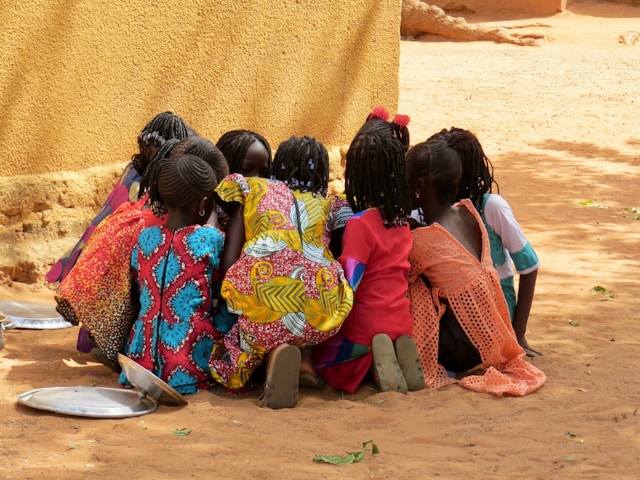
Visiting local villages can be a wonderful way to learn about African cultures, traditions, and everyday life. However, it is important to always be respectful and avoid entering someone’s home or private space without an invitation. A village visit should be based on mutual respect and cultural exchange rather than simply observing people’s lives.
Many communities across Africa have established visitor programmes where local residents welcome travellers and share their traditions, customs, and way of life in a respectful manner. Your tour operator or local ground handler can help arrange an appropriate visit and connect you with the right community representatives.
A village experience is often much more meaningful when accompanied by a local guide who understands the culture, speaks the local language, and can help translate conversations. This allows for genuine interaction, better understanding, and a more rewarding experience for both visitors and the community.
Sending Books
It is natural to assume that every school needs books, but this is not always the case. Many primary schools in Africa do not teach their students in English, and sending books from abroad can sometimes create challenges rather than solutions. International shipping can be expensive, and in some cases, the receiving schools or organisations may be required to pay import duties before they can access the donations.
Another important consideration is that some donated books may not be culturally relevant or suitable for the local community. Books that feature unfamiliar lifestyles, products, or experiences may be difficult for children to relate to or understand.
If you would like to donate books to a school or library, a more responsible approach is to purchase books locally and ask the head teacher or librarian which materials are needed most. Alternatively, providing funds directly to the school or library allows them to purchase appropriate books and educational resources that meet their specific needs.
Thoughtful donations that consider local priorities are more likely to create a lasting and meaningful impact.
Sending Used Clothes
Many travellers assume that sending used clothing to Africa is always helpful, but in reality, donated clothes have already become widely available in many local markets across the continent. In some areas, second-hand clothing from overseas has saturated local markets, and additional shipments may not always provide the support communities need most.
A more responsible approach is to support the local economy by purchasing clothing from local markets and shops. This not only provides practical items for those in need but also helps local businesses and traders. If you wish to donate clothes, consider working through a trusted local organisation that understands the community’s needs and can distribute items fairly and appropriately.
Responsible giving is about providing support in ways that strengthen local communities while respecting their dignity and economic systems.

Bringing School Supplies
Many travellers want to support schools by bringing supplies, but it is important to consider what is truly useful for the community. Items such as old computers may not always be practical if there is unreliable electricity, limited internet access, no technical support, no computer laboratory, or no one available to train students and teachers on how to use them.
Basic supplies such as pencils, notebooks, and learning materials are often valuable, but it is always best to check with the school beforehand to understand their current needs. In many cases, there may be important items that can be purchased locally and are needed more urgently. For example, school uniforms can be a significant expense for many families, and in some communities, children may not be able to attend school without them.
Whatever items you choose to bring or purchase, it is recommended to give them directly to the head teacher or school administration rather than distributing them to children individually. This helps ensure that resources are shared fairly and reach those who need them most.
Responsible donations are most effective when they are guided by the priorities of the local community.

Bringing Candy and Trinkets
There is nothing wrong with sharing sweets occasionally if you are enjoying them yourself, but bringing candy or small gifts with the intention of handing them out to local children is not recommended. In many rural areas of Africa, access to dental care is limited, and regular consumption of sweets can create health problems for children.
It is also important to remember that giving food or treats to children you do not know may not always be appropriate. Some children may have dietary restrictions, allergies, or health concerns, and parents may prefer to decide what their children receive.
Regularly distributing candy, money, or small gifts can unintentionally encourage children to associate visitors with receiving something, creating a culture of begging rather than genuine cultural exchange. In some tourist areas, children may immediately ask visitors for sweets, pens, or other items, which can affect the relationship between travellers and local communities.
The most meaningful interactions come from respect, conversation, and shared experiences rather than giving away items. If you wish to support children and communities, consider making thoughtful contributions through schools, community organisations, or responsible local programmes.
Paying for Photographs
Always ask for permission before taking a photograph of someone. Not everyone is comfortable having their picture taken, and it is important to respect people’s privacy and personal choices.
In some situations, individuals may request payment in exchange for a photograph. If you agree on a price, make sure you honour that agreement. However, travellers should be mindful that regularly paying for photographs can encourage a habit where interactions become focused on receiving money rather than genuine cultural exchange.
A better approach is to create a respectful connection by sharing the moment. You can offer to show the person the photo on your digital screen, share a copy when possible, or offer to send it to them. These simple gestures help create a more meaningful and respectful experience for both visitors and local communities.
Financing a School, Orphanage, Medical Center, or Community Project
Any project that aims to build or support a school, orphanage, medical centre, or other community initiative should involve the local community at every stage. Successful and sustainable projects are created when local people participate in planning, decision-making, and implementation.
If you wish to donate your time, skills, or financial support, it is best to work through an established local charity, community organisation, or trusted partner that already understands the needs of the area and has strong involvement from community members. Without local ownership and participation, even well-intentioned projects may struggle to succeed in the long term.
Before supporting a project, take time to understand its goals, management, and how the community benefits from it. Responsible support should focus on creating lasting solutions rather than short-term assistance.
Your tour operator may also be able to help you identify reputable community projects in the areas you plan to visit. You can also explore additional resources and organisations that specialise in responsible travel and community development.
Frequently Asked Questions
Should I bring gifts for local people during my safari?
Yes, but it is best to choose thoughtful gifts. Simple school supplies, books, or sports items are often appreciated. Avoid giving money or sweets to children. If possible, give gifts through a school or community project. This makes sure they reach the people who need them most.
What are the best gifts to pack for a safari holiday?
Small and useful gifts are the best choice. Pens, notebooks, backpacks, and reusable water bottles are great options. You can also bring art supplies or footballs for schools. If you visit a village, ask your guide what is most needed. Practical gifts usually have the biggest impact.
Should I give gifts directly to children?
It is better not to hand gifts directly to children. This can encourage children to ask tourists for items instead of attending school. Give your donations to a teacher, community leader, or trusted organization. They know how to share the gifts fairly. This helps support the whole community.
Can I bring gifts for my safari guides and staff?
Yes, guides and camp staff appreciate kind gestures. A thank-you card, snacks from your home country, or a useful item can be a nice surprise. Many travelers also leave a tip if they are happy with the service. Gifts are never expected, but they are always appreciated. A simple thank you can mean just as much.
Are there any gifts I should avoid bringing?
Yes, some gifts are not suitable. Avoid giving expensive electronics, alcohol, medicines, or items that may cause problems at customs. Do not bring gifts that create unfair expectations in the community. Always respect local customs and traditions. When in doubt, ask your safari operator for advice before your trip.
Still have questions?
Our local safari experts are happy to help you plan the perfect African safari.





