
Table of Contents
- Giraffes Have Blue Tongues
- Ostriches Can Sprint Over 40 Miles an Hour
- The Vegetarian Hippo Is One of Africa’s Most Dangerous Animals
- Hyenas Are More Closely Related to Cats Than Dogs
- Lions Sleep for 20 Hours a Day
- An Elephant Calf Often Sucks Its Trunk for Comfort
- Black Mamba Venom Can Kill a Dozen Men Within an Hour
- Crocodiles Have Been Around for Over 200 Million Years
- Dung Beetles Use the Milky Way as a Compass
- Pangolins Retract Their Tongues Into a Special Chest Cavity
- Frequently Asked Questions
Discover why hyena poop is white, why elephants suck their trunks, how many people a black mamba’s venom can kill, whether lions can swim, and if hippos can jump. Here are some funny, fascinating, and true facts about the wild animals you may encounter on an African safari.
Giraffes Have Blue Tongues
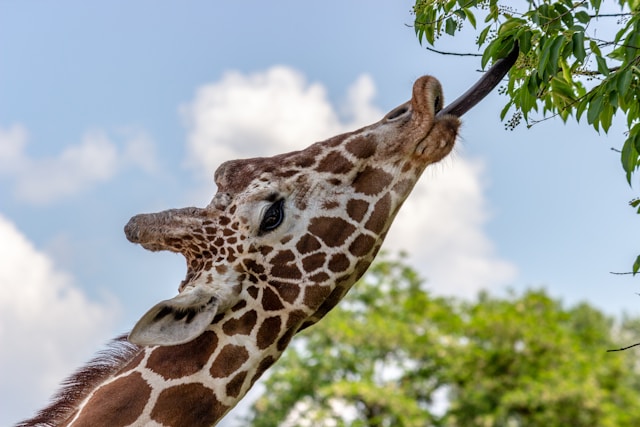
Giraffes are already among the most unusual-looking animals in the world, but their dark blue tongues make them even more fascinating. Their tongues can measure around 20 inches in length, allowing them to reach and feed on the highest, juiciest leaves from their favorite acacia trees.
Giraffes also have small horn-like structures, known as ossicones, on their heads and, of course, their famous long necks. Their necks contain special veins and blood valves that help regulate blood flow and prevent them from blacking out when they lower their heads to drink. Because of this adaptation, giraffes do not drink frequently and can survive for weeks without water when necessary.
A newborn giraffe calf faces an impressive start in life, dropping about six feet to the ground at birth but managing to stand on its feet within just a few minutes. If you are camping in the African bush, you are unlikely to be awakened by loud growls or grunts from a giraffe, as these gentle giants are remarkably quiet animals.
Ostriches Can Sprint Over 40 Miles an Hour
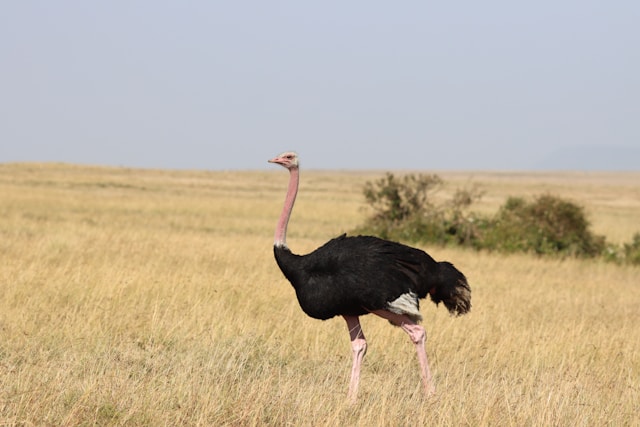
Ostriches are among the fastest animals on two legs, capable of sprinting at speeds of up to 43 miles (70 kilometers) per hour. They use their wings like rudders to help them balance and change direction while running.
Although ostriches are generally not aggressive, they have powerful kicks that can be dangerous, and they can only kick forward. Ostriches are the largest birds on Earth and have many fascinating uses beyond their impressive speed. They are farmed for their eggs, with a single egg being large enough to make an omelet for a dozen hungry people.
For thousands of years, several African communities have used ostrich eggshells to create ornaments and necklaces, while the strong shells have also been used as containers for storing water. Ostrich meat is enjoyed as a lean red meat in restaurants around the world, and their feathers remain popular in costume design.
In some ostrich farms, racing is a popular activity, and visitors can even experience riding an ostrich in Oudtshoorn, located in South Africa’s Karoo Desert. Ostriches Can Sprint Over 40 Miles an Hour
The Vegetarian Hippo Is One of Africa’s Most Dangerous Animals
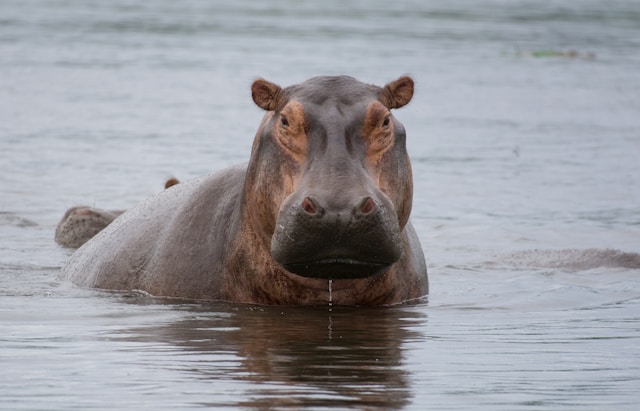
Although hippos are herbivores, they are considered among Africa’s most dangerous animals. Male hippos are highly territorial and often become aggressive when humans enter areas they consider their own, especially along riverbanks and beaches. Female hippos can also become extremely protective if they feel that someone is threatening their young, which often remain in the water while the mothers feed nearby on land.
Despite their large size, hippos can run at speeds of over 20 miles per hour and have powerful jaws equipped with enormous canine teeth that can grow up to 20 inches long. As vegetarians, they consume large amounts of vegetation, eating up to 100 pounds of grass and other plant material each day.
Their heavy feeding habits also mean they produce large amounts of waste — sometimes up to 60 pounds a day. A hippo’s fast-moving, rotating tail spreads its droppings over a wide area, helping mark its territory.
Hippos are also sensitive to the sun and produce a natural sunscreen-like secretion that appears red before gradually turning brown. Their closest living relatives are whales, and although hippos are excellent swimmers and can remain underwater for up to 10 minutes at a time, they cannot jump.
Hyenas Are More Closely Related to Cats Than Dogs
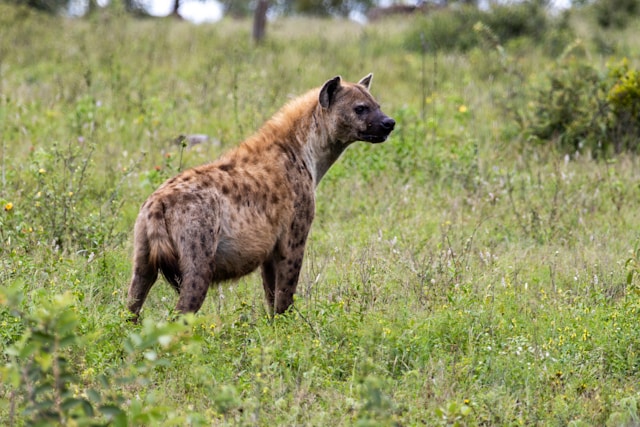
Although hyenas are often mistaken for members of the dog family, they are actually more closely related to cats and are even closely related to meerkats. They are among Africa’s most common large carnivores and are true survivors, adapting successfully to many different environments.
Hyenas live in social groups known as clans, with some clans consisting of more than 70 individuals. Hyena cubs are usually born in pairs, and when two cubs are the same sex, they may compete aggressively with each other from an early age.
Often described as scavengers, hyenas are also skilled hunters that regularly take down live prey. Their dung appears white when dry because they consume large amounts of calcium from crushing and digesting the bones of their kills.
In a remarkable discovery, researchers excavating a cave near Johannesburg, South Africa, found five human hairs preserved in fossilized hyena dung dating back at least 200,000 years, surpassing the previous record for the oldest known human hair by more than 190,000 years.
Young hyenas also differ greatly depending on the species. Striped hyenas are born with their adult markings, closed eyes, and small ears, while spotted hyenas are born with their eyes open and teeth already developed, ready to face the challenges of life. Spotted hyenas live in clans led by larger, dominant females, making their social structure unique among large carnivores.
Lions Sleep for 20 Hours a Day
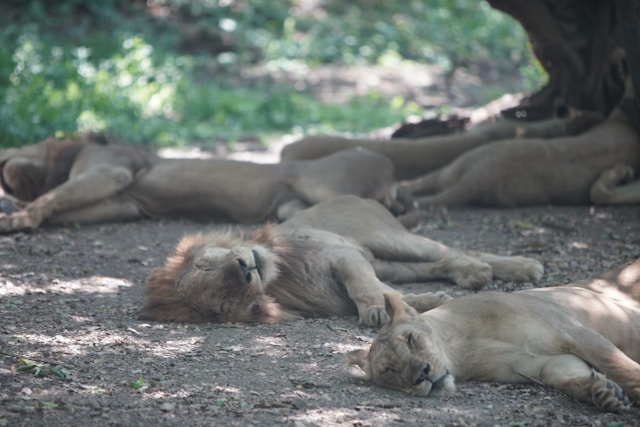
The African lion (Panthera leo), often known as the king of the sub-Saharan savanna, has fascinated humans for thousands of years because of its beauty, power, and majestic presence. It remains one of the most exciting animals to encounter on an African safari. However, visitors are often more likely to find a lion resting than hunting, as lions spend an average of up to 20 hours a day sleeping and relaxing.
Unlike domestic cats, lions do not purr, and the distinctive tufts at the ends of their tails usually begin to appear at around five months of age. When hunting, lions often kill their prey through suffocation or strangulation by targeting the nose and mouth area.
Apart from humans, crocodiles are among the few natural predators that can threaten adult lions, although lion cubs are vulnerable to several other predators. Lions are unique among big cats because males and females have very different appearances, with males developing their famous manes. They are also much more social than most other members of the cat family, living together in groups known as prides. Despite being strong swimmers when necessary, lions generally dislike entering the water.
An Elephant Calf Often Sucks Its Trunk for Comfort
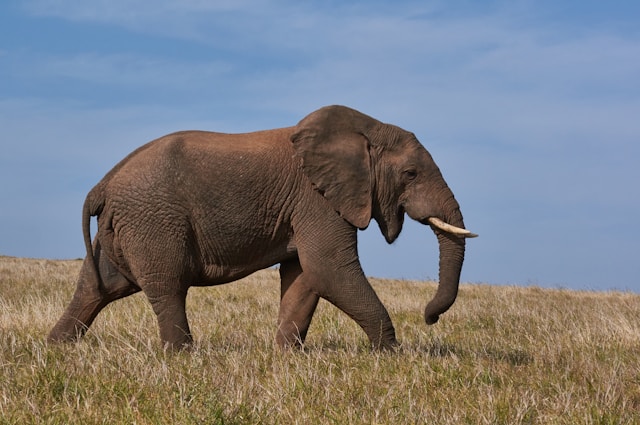
Elephants are gentle giants that can grow to impressive sizes, reaching over 14 feet tall and weighing several tons. They drink around 30–50 gallons of water each day and are herbivores, consuming up to 375 pounds of vegetation daily. Feeding is a major part of their routine, and they may spend up to 16 hours a day eating.
Elephants are highly social animals that communicate through a variety of low-frequency rumbles and grumbles, some of which can travel up to six miles. They live in family groups that can include up to 100 members, usually led by a wise and experienced female known as the matriarch.
These intelligent animals are known for their strong social bonds and affection. Elephant mothers are extremely protective and caring toward their calves, while orphaned young elephants may be cared for and even nursed by other females within the group. Young elephants are usually weaned at around 4–5 years old, when their developing tusks begin to make nursing difficult, and some may leave their family group between the ages of 10 and 12.
Like humans being naturally left- or right-handed, elephants often show a preference for using one tusk more than the other. Calves also commonly suck their trunks for comfort, similar to the way human babies suck their thumbs. Elephants raise and move their trunks from side to side to improve their sense of smell and gather information about their surroundings.
Black Mamba Venom Can Kill a Dozen Men Within an Hour
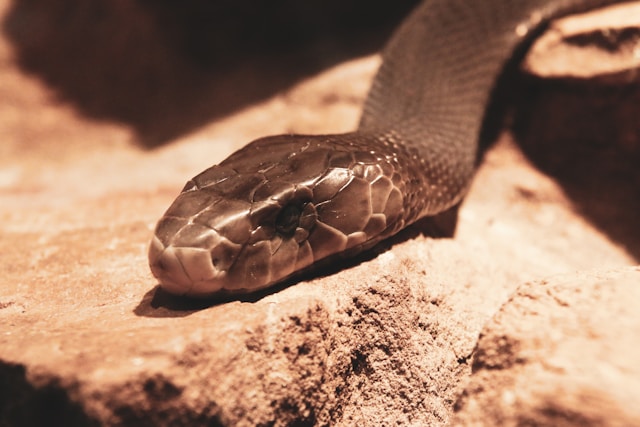
The Black Mamba (Dendroaspis polylepis) is one of Africa’s most feared and dangerous snakes, found across parts of East, Central, and Southern Africa. Although it generally avoids confrontation, it can become highly defensive when cornered and will strike if it feels threatened.
This remarkable snake can move at speeds of up to 12 mph (20 km/h), making it one of the fastest snakes in the world. It is also the largest venomous snake in Africa, with adults reaching an average length of about 8 feet (2.5 meters).
Despite its name, the Black Mamba is not actually black. Its skin is usually brown or olive in color, while its mouth has a dark, inky appearance that it displays as a warning when threatened. Black Mambas can be found in a variety of habitats, including savannas, scrublands, tree hollows, and occasionally near human settlements.
When hunting or defending itself, a Black Mamba can strike rapidly and repeatedly, delivering powerful neurotoxic and cardiotoxic venom. Without appropriate medical treatment and antivenom, a bite can be extremely dangerous and potentially fatal. This combination of speed, agility, and potent venom makes the Black Mamba one of Africa’s most remarkable reptiles.
Black Mamba Venom Can Kill a Dozen Men Within an Hour
Crocodiles Have Been Around for Over 200 Million Years
Crocodiles have existed for more than 200 million years, surviving long before many of the creatures that once ruled the Earth, including dinosaurs. Their ancient appearance reflects their incredible ability to adapt and survive through millions of years of evolution.
Although crocodiles have a reputation for being aggressive and dangerous, it is usually the larger individuals that pose a serious threat to humans. Smaller crocodiles may still be capable of causing injury and can deliver a painful bite if handled or disturbed.
These remarkable reptiles are extremely well adapted to their environment. They can hold their breath underwater for more than 10 minutes and are capable of surviving for months without food. Crocodiles also have an impressive ability to recover from injuries, thanks in part to their highly effective immune systems.
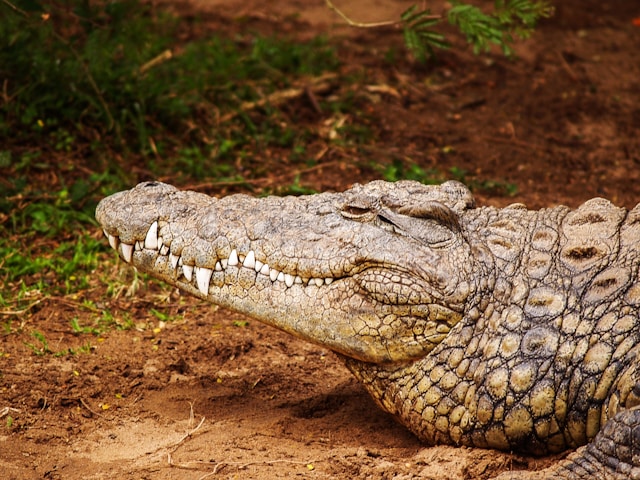
Crocodiles possess the strongest bite force of any animal on Earth. However, the muscles responsible for opening their jaws are much weaker than those used for closing them. Crocodiles are also often seen resting with their mouths open, which helps them regulate their body temperature and keep cool.
Dung Beetles Use the Milky Way as a Compass
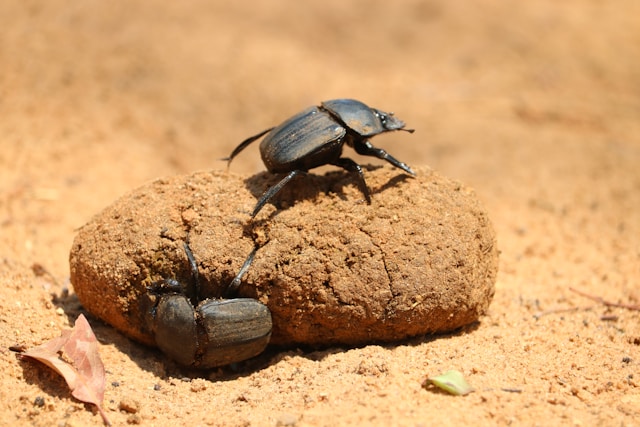
Dung beetles are fascinating little creatures, especially the famous “rollers” that push their balls of dung in remarkably straight lines, even when facing obstacles along the way. Scientists have discovered that some dung beetles use the Milky Way as a natural compass to help them navigate and maintain their direction.
These hardworking insects have a preference for the dung of herbivores and are capable of rolling balls of dung that weigh more than 50 times their own body weight. In some cases, they may even hitch a ride on a host animal while waiting for their next meal to become available.
Adult dung beetles usually feed on fresh, moist dung, while their young feed on the drier material stored inside the dung balls. Although small in size, dung beetles play an important role in nature by recycling nutrients and helping maintain healthy ecosystems.
Pangolins Retract Their Tongues Into a Special Chest Cavity
Pangolins are among the rarest animals to spot on an African safari because they are shy, solitary, and mostly active at night. However, these unique creatures are incredibly fascinating and full of remarkable adaptations.
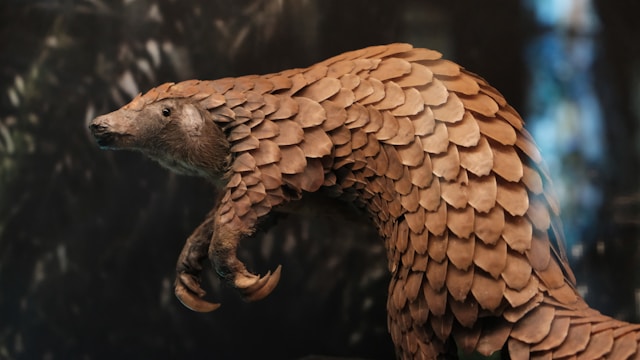
Pangolins have long, sticky tongues that they use to collect ants and termites. When not in use, the tongue is pulled back into a special sheath that extends into their chest cavity. When threatened, pangolins protect themselves by curling into a tight ball, using their tough scales as natural armor.
These unusual mammals are toothless, live alone, and usually rest during the day in burrows. Baby pangolins are carried and protected by their mothers, often hiding within the mother’s curled-up body when danger approaches. Their scales are made from keratin, the same protein found in human hair and nails, and although they provide excellent protection, they have unfortunately been targeted for illegal trade and traditional uses.
Pangolins do not have external ears, yet they have good hearing. They also possess scent glands that produce strong-smelling secretions as a defense mechanism. Believed to have existed for around 40 million years, pangolins remain one of the most extraordinary and mysterious animals on Earth.
Frequently Asked Questions
What makes Africa’s wildlife so special?
Africa is home to some of the world’s most famous animals. You can see lions, elephants, giraffes, and rhinos in the wild. Many species live only in Africa. Every park has different landscapes and animals. That is why many people dream of going on an African safari.
Which African animal is the fastest?
The cheetah is the fastest land animal on Earth. It can run at speeds of up to 70 miles per hour for short distances. It uses speed to catch its prey. A cheetah cannot run that fast for very long. It must rest after a chase.
Why are elephants called gentle giants?
African elephants are the largest land animals in the world. They are strong but often calm and caring. They protect their families and help young calves. Elephants also remember places and water sources. Their intelligence makes them fascinating to watch.
What is unique about giraffes?
Giraffes are the tallest animals on Earth. Their long necks help them reach leaves high in trees. Every giraffe has a different spot pattern. They need very little sleep each day. Watching them move across the savannah is an unforgettable sight.
Why is wildlife conservation important in Africa?
Many African animals face threats from habitat loss and poaching. Conservation helps protect these amazing species. National parks and wildlife reserves provide safe homes for them. Local communities also play a big role in protecting nature. By visiting responsibly, travelers can help support wildlife conservation.
Still have questions?
Our local safari experts are happy to help you plan the perfect African safari.





