
The average daytime temperature in Tanzania is around 30°C (86°F), with maximum temperatures reaching 32°C (90°F) in many parts of the country. In the cooler highland regions, daytime temperatures are much lower, typically ranging between 10°C and 14°C (50°F–57°F).
Tanzania experiences four distinct seasons: the long rainy season from mid-March to mid-May, the long dry season from mid-May to mid-October, the short rainy season from mid-October to mid-December, and the short dry season from mid-December to mid-March.
During the rainy seasons, the country receives an average of 175 mm (7 inches) of rainfall per month. Outside of these wet periods, humidity is generally low, making the climate comfortable for most safari and outdoor activities.
Rainfall is generally heavier and more frequent in the southern parts of Tanzania, where tropical forests receive higher levels of precipitation. However, most of the country enjoys a pleasant tropical climate, with average daytime temperatures of around 26°C (79°F) and nighttime temperatures averaging 16°C (61°F).
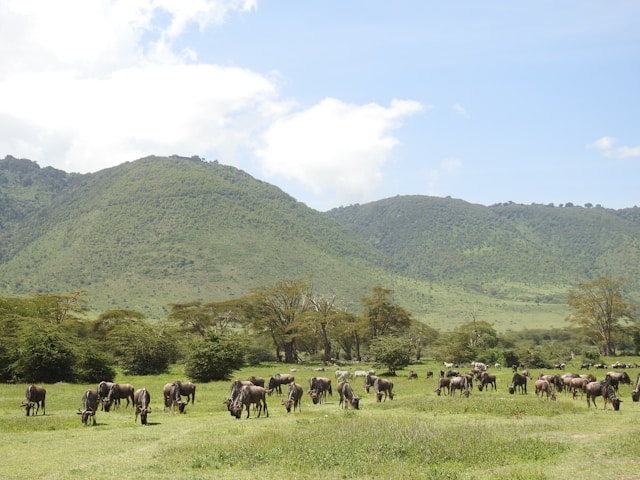
The hottest months are December through February, when daytime temperatures typically range between 21°C and 31°C (70°F–88°F).
Tanzania is also home to Africa’s highest mountains. The summit of Mount Kilimanjaro (5,895 metres / 19,341 feet) and nearby Mount Meru (4,565 metres / 14,977 feet) are often covered with frost, ice, or snow, creating a striking contrast to the warm tropical climate found at lower elevations.
The coastal regions along the Indian Ocean, as well as the offshore islands of Zanzibar, Pemba, and Mafia, enjoy a hot, humid tropical climate that is moderated by refreshing sea breezes.
In contrast, the high mountain regions of Arusha and Kilimanjaro in northeastern Tanzania, along the Kenyan border, experience a much cooler, almost temperate climate for most of the year due to their higher elevation.
The long rainy season typically occurs from April to May, when rainfall is frequent and often falls almost every day. The short rainy season usually takes place during November and December, although occasional rainfall can also extend into January.
The undulating plateau of central Tanzania generally experiences a hot and moderately humid climate, with rainfall distributed throughout the year, although most precipitation typically occurs in the evenings.
The highest rainfall levels are usually recorded in April, when monthly totals can reach around 200 mm, while the lowest rainfall is often experienced in January, with averages of approximately 40 mm.
Temperatures vary significantly across the country, ranging from around 14°C to 18°C in parts of the southern highlands to between 30°C and 34°C along the coastal regions of Tanzania.
The central highlands and northern regions of Tanzania enjoy some of the most pleasant climates in the country. However, there is significant variation between the warm and relatively dry lowlands of the central and northern areas and the snow-covered peaks of Mount Kilimanjaro.
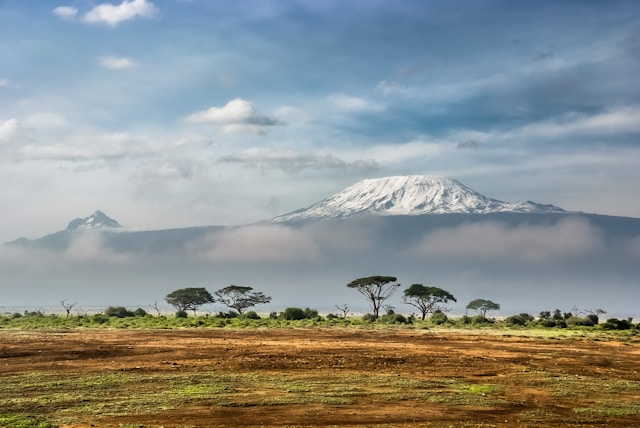
Rainfall ranges from a minimum of around 20 mm in November to as much as 200 mm in April. The country experiences two main rainy seasons: the long rains, which occur from March to May, and the short rains, which typically fall between October and December.
The Mount Kilimanjaro and Udzungwa Mountains are among Tanzania’s most important water catchment areas, with annual rainfall reaching up to 3,000 mm in some locations. Average temperatures in these highland regions range from around 10°C to 14°C at night and cooler periods, to daytime highs of approximately 22°C to 26°C.
The vast semi-arid bushlands of western Tanzania experience some of the most extreme temperature variations in the country. Daytime temperatures in desert areas can rise to around 40°C, while nighttime temperatures may drop to 20°C or lower.
Rainfall in this region is limited and, when it does occur, it often arrives in the form of intense storms. July is generally the driest month, while November receives the highest rainfall. The average annual rainfall varies between 250 mm and 500 mm.
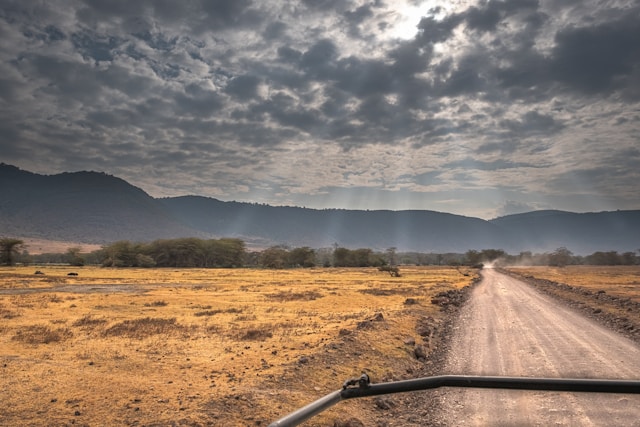
Another major climatic zone is the coastal belt, which experiences a hot and humid climate throughout the year, moderated by refreshing sea breezes from the Indian Ocean. Rainfall ranges from around 20 mm in February to approximately 300 mm in May, with an average annual rainfall of between 1,000 mm and 1,250 mm. Temperatures remain fairly consistent year-round, ranging from about 22°C to 30°C.
Tanzania’s diverse geography is the main reason for its wide range of climate conditions. Much of the country consists of elevated plateaus, where altitude significantly reduces the effects of the tropical climate. As a result, many areas can become surprisingly cool during the night, especially in higher-elevation regions.
Frequently Asked Questions
What are the main seasons in Tanzania?
Tanzania has two main seasons, the dry season and the rainy season. The dry season usually runs from June to October. It is the best time for safaris because animals gather near water. The rainy season comes in two parts, from March to May and again in November to December. Each season offers a different travel experience.
When is the best time to visit Tanzania?
The best time depends on what you want to do. June to October is perfect for wildlife viewing and climbing Mount Kilimanjaro. January and February are great for the wildebeest calving season in the Serengeti. If you love green landscapes, visit during the short rains. Tanzania is a wonderful destination all year round.
How hot does Tanzania get?
The weather changes depending on where you are. Coastal areas like Dar es Salaam and Zanzibar are warm and humid most of the year. Safari parks can be hot during the day but cooler in the early morning. The highlands, including Arusha, have milder temperatures. It is always a good idea to pack light clothes and a warm jacket.
Does it rain all day during the rainy season?
Not always. Many rainy days begin with sunshine and have showers later in the day. The long rains are usually heavier than the short rains. Roads in some parks may become muddy, but many attractions remain open. Rain also makes the landscapes fresh and beautiful.
What should I pack for Tanzania’s different seasons?
Pack light, comfortable clothes for warm days. Bring a light jacket or fleece for cool mornings and evenings. A rain jacket is useful if you travel during the rainy season. Comfortable walking shoes are important for safaris and sightseeing. Don’t forget a hat, sunglasses, and sunscreen to protect yourself from the sun.
Still have questions?
Our local safari experts are happy to help you plan the perfect African safari.





