
Table of Contents
The giraffe is one of my favorite animals to spot on safari. They are truly unique, and it is hard not to smile when you see one in the wild. Their impressive size is awe-inspiring, yet their movements are remarkably graceful and elegant.
Nothing excites me more on a game drive than spotting a giraffe. Perhaps it is because they are such gentle animals, allowing you to admire them up close without any sense of danger. Watching them calmly browse the treetops is always a memorable experience.
And, of course, they have blue tongues. What more could you ask for from such an extraordinary animal?
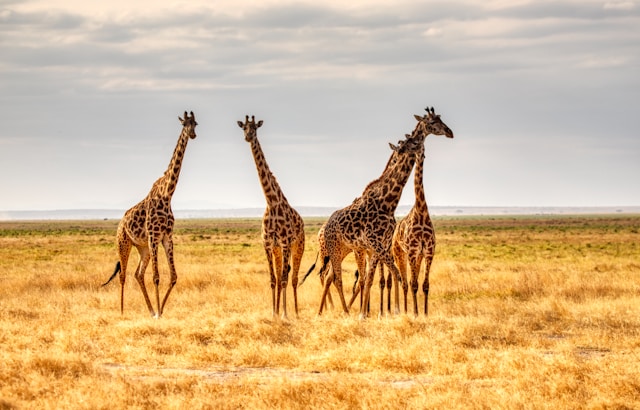
Giraffes can be seen in most of Africa’s major safari destinations, and regardless of the season, whether the grass is tall or short, dense or open, they are usually easy to spot thanks to their remarkable height.
While many travelers set out in search of the famous “Big Five,” few would choose to see a buffalo over a giraffe. Their graceful movements, gentle nature, and unmistakable appearance make them one of the most memorable animals to encounter on safari.
Although the most common giraffe species are not currently classified as critically endangered, their habitats continue to shrink due to increasing human activity. In the wild, giraffes face natural predators such as lions, leopards, and crocodiles, particularly when they are young or vulnerable. However, the greatest threat to giraffes remains humans, as they have been hunted for their meat, hides, and tails, which have traditionally been used to make fly-whisks.
The giraffe population across sub-Saharan Africa has declined significantly over the past few decades. Today, it is estimated that fewer than 120,000 giraffes remain in the wild, with some populations experiencing dramatic declines due to habitat loss, human-wildlife conflict, and illegal hunting.
In certain regions, particularly West Africa, giraffe numbers are especially low. The West African giraffe is one of the continent’s rarest giraffe populations, with only a small number remaining in the wild. Ongoing conservation efforts are helping to protect these magnificent animals and their habitats, offering hope for their long-term survival.
Fun Facts About Giraffes
- Giraffes are famous for their blue-black tongues, which can grow to more than 20 inches (50 cm) long. Their dark coloration helps protect the tongue from sunburn while feeding.
- Both male and female giraffes have skin-covered, horn-like structures on their heads called ossicones. Female ossicones are typically topped with a small tuft of hair.
- Despite their exceptionally long necks, giraffes have the same number of neck vertebrae as humans—just seven, although each vertebra is much longer.
- Their necks contain specialized veins and valves that help regulate blood flow and prevent them from fainting when lowering or raising their heads.
- Giraffes can survive for weeks without drinking water, obtaining much of the moisture they need from the leaves they eat.
- When walking, giraffes move both legs on the same side of their body at the same time, giving them a distinctive and graceful gait.
- A newborn giraffe falls about 6 feet (1.8 meters) to the ground during birth but is usually standing and walking within just a few minutes.
- Giraffes are generally very quiet animals and rarely make loud vocal sounds, making them one of the calmest animals to encounter on safari.
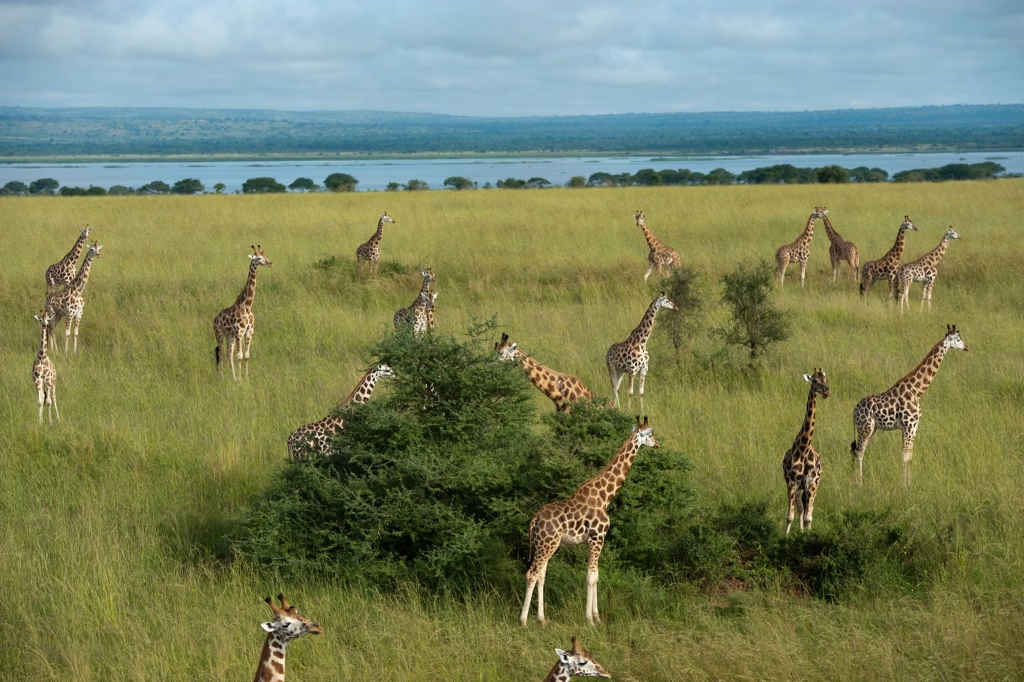
- A group of giraffes is known as a tower.
- The scientific name of the giraffe is Giraffa camelopardalis, a name inspired by the early belief that the animal was a combination of a camel and a leopard.
- Giraffes are the tallest mammals on Earth, reaching heights of up to 19 feet (5.8 meters), weighing as much as 3,000 pounds (1,360 kg), and living an average of about 25 years in the wild.
- Their main natural predators include lions, leopards, crocodiles, and hyenas, especially for young calves. Humans remain their greatest long-term threat through habitat loss and illegal hunting.
- Acacia trees are among a giraffe’s favorite food sources, and their long tongues and tough lips allow them to feed comfortably on thorny branches.
- Giraffes sleep very little, often totaling only a few hours each day, usually in short naps.
- Giraffes are found throughout much of sub-Saharan Africa, although some populations are under increasing pressure due to habitat loss and other human-related threats.
Frequently Asked Questions
Why do giraffes have such long necks?
A giraffe’s long neck helps it reach leaves high in tall trees. It can eat food that many other animals cannot reach. Scientists also believe males use their necks to fight during the mating season. Even with a long neck, a giraffe still has only seven neck bones, just like people. Their neck is simply made of much longer bones.
How tall can a giraffe grow?
Giraffes are the tallest land animals in the world. Adult males can grow up to about 18 feet (5.5 meters) tall. Females are usually a little shorter. Their long legs help them run fast across the savanna. They can reach speeds of about 35 miles (56 kilometers) per hour for short distances.
What do giraffes eat every day?
Giraffes are plant eaters and mostly feed on leaves, flowers, and young shoots. They especially love leaves from acacia trees. Their long tongues help them grab food between sharp thorns. A giraffe’s tongue can grow up to 18 inches (45 centimeters) long. They spend many hours each day eating to get enough food.
Do giraffes sleep a lot?
Giraffes sleep much less than most animals. They often sleep for only a few hours in a whole day. Most of their sleep comes in short naps that last just a few minutes. This helps them stay alert for predators like lions. In the wild, being aware of danger is very important for survival.
Are giraffes endangered?
Some giraffe populations are decreasing because of habitat loss and illegal hunting. Not all giraffe species face the same level of risk, but several are threatened. Conservation groups are working to protect their homes and reduce poaching. National parks and wildlife reserves also help keep giraffes safe. By supporting conservation, people can help these amazing animals survive for future generations.
Still have questions?
Our local safari experts are happy to help you plan the perfect African safari.





