
Table of Contents
Tanzania is East Africa’s largest country with three great lakes, Lake Victoria, Lake Tanganyika and Lake Nyasa. The country stretches over 943,000 sq km, almost four times the size of the UK. It’s bordered to the east by the enticing turquoise- and emerald-coloured waters of the Indian Ocean, and to the west by the deep Tanganyika lake of the Western Rift Valley.
The narrow coastline consists of long, sandy stretches punctuated by dense stands of mangroves, especially around river mouths.
Inland, the terrain rises abruptly into mountains, before levelling out onto an arid highland plateau averaging between 900m and 1800m in altitude. This central plateau area is nestled between the eastern and western branches of the Great Rift Valley, Africa’s most distinctive relief feature.
Due in large part to central Tanzania’s relative aridity, the population is concentrated around the country’s perimeter. Tanzania’s mountain ranges are grouped into a sharply rising northeastern section (the Eastern Arc) and an open, rolling central and southern section (the Southern Highlands or Southern Arc). There is also a range of volcanoes, known as the Crater Highlands, that rises from the side of the Great Rift Valley in northern Tanzania.
The largest river is the massive Rufiji, which drains the Southern Highlands region as it winds its way to the coast. Other major waterways include the Ruvu, the Wami, the Pangani and the Ruvuma (which forms the border with Mozambique).
Following are the Tanzania’s three Largest Lakes in Africa:
LAKE VICTORIA
Were it not Africa’s largest lake, and the second-largest freshwater lake in the world, it would be easy to overlook Lake Victoria. The Tanzanian part of this enormous patch of blue sees only a trickle of tourists; lakeshore towns, apart from a sleepy waterside charm, have little to hold passing visitors.
Yet, if you have a bent for the offbeat, the surrounding region holds a number of attractions. There’s the Bujora Cultural Centre near Mwanza, where you can learn Sukuma dancing and immerse yourself in the culture of Tanzania’s largest tribal group.
Further north near Musoma is the Nyerere museum, an essential stop for anyone interested in the great statesman. On the opposite side of the lake is Bukoba, the heartland of the Haya people, who were thought to have had one of the most highly developed early societies on the continent.
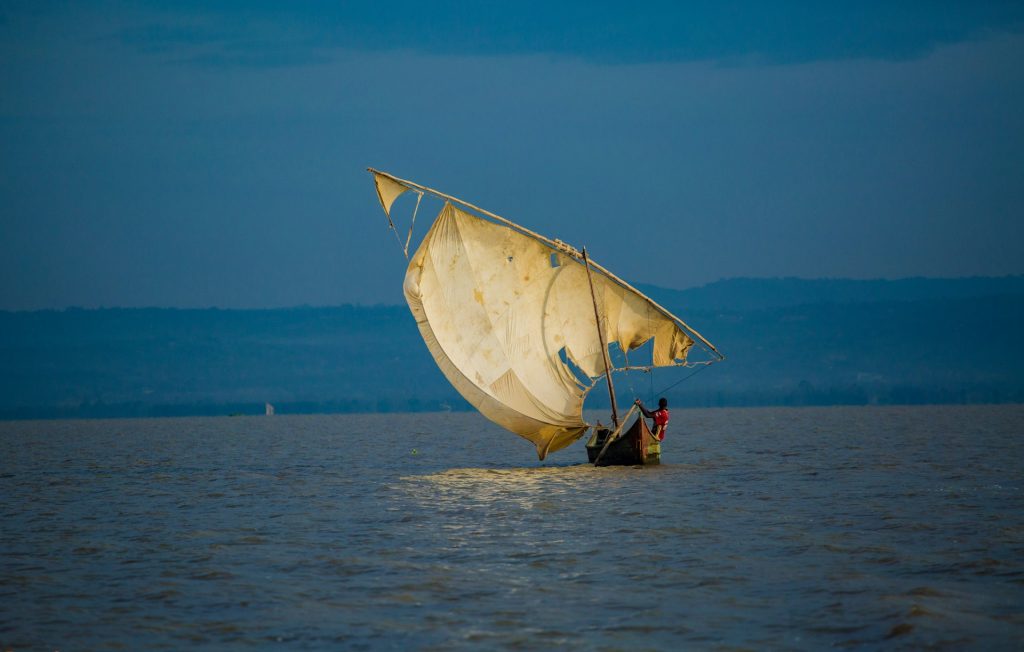
Mwanza, on the lake’s southeastern edge, is Tanzania’s second-largest town after Dar es Salaam, and a useful stocking-up point before heading into the Serengeti’s Western Corridor. Rubondo Island National Park, completely surrounded by the lake, is an ideal destination for bird-watching and relaxing.
The best way to explore the Lake Victoria region is as part of a larger East African loop combining Uganda or Kenya with Tanzania’s northern circuit via the western Serengeti, although you’ll need plenty of time and tolerance for rough roads.
There are a few idyllic getaways – notably on Rubondo and Lukuba islands, and near Mwanza but otherwise, most accommodation is without frills. Most locals you’ll meet en route rely on fishing and small-scale farming for their living, although industry and commercial agriculture especially coffee and cotton are playing increasingly important roles. To the south of Lake Victoria near Shinyanga and Geita are gold and mineral mining areas.
LAKE NYASA
Lake Nyasa (also known as Lake Nyanza) is Africa’s third-largest lake after Lake Victoria and Lake Tanganyika. It’s more than 550km long, up to 75km wide and as deep as 700m in parts. It also has a high level of biodiversity, containing close to one-third of the world’s known cichlid species.
The lake is bordered by Tanzania, Malawi and Mozambique. The Tanzanian side is rimmed to the east by the Livingstone Mountains, whose green, misty slopes form a stunning backdrop.
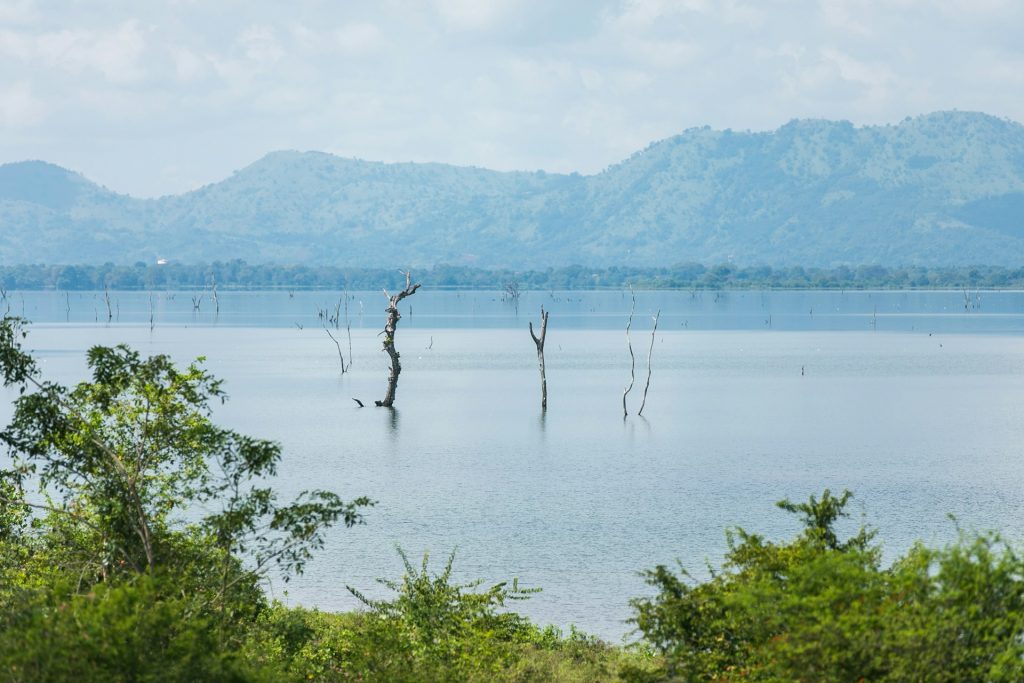
Few roads reach the towns strung out between the mountains and the shore along the lake’s eastern side. While the mountains are incredibly beckoning to hikers, you’ll need to be completely self-sufficient (including tent and water filter) and carry a GPS. Safari ASAP organises a one- or two-day hike from Bulongwa to Matema, which offers some superb views as you make your way down to the lakeshore.
A longer version of this hike is also possible, starting near the Kitulo park gate. Once at the shoreline, note that both hungry, cerebral malaria-carrying falciparum mosquitoes and hungry crocodiles are real hazards, so take the appropriate precautions.
Other places of interest around the Tanzanian side of the lake include Kyela, Itungi, Matema and Ikombe.
LAKE TANGANYIKA
Stretching like a giant blue ribbon along Tanzania’s western edge is Lake Tanganyika, the worlds longest (670km) and second-deepest (over 1400m) lake.
At somewhere between nine and 12 million years old, it is also one of the oldest lakes on the planet and, thanks to its age and ecological isolation, is home to an exceptional variety of fish. Most notable are its colourful cichlids, many of which are found nowhere else, and which make for some wonderful snorkelling in the lake’s clear waters.
Lake Tanganyika is also fascinating from a human perspective. Several dozen tribal groups spread throughout four countries — make their home along its shores, rubbing elbows with about 1000 (on the Tanzanian side) chimpanzees.
The best way to get a feel for local life centred around the countless fishing villages strung out along the shoreline is to set off on the boat, which calls in at a string of small ports as it makes its way down the shoreline.
At night, the whole scene is lit up by the glow of dozens of tiny lamps, waving precariously in the wind and waves.
Besides Kigoma (the largest town on the Tanzanian lake shore), Ujiji (one of the oldest lake shore settlements) and Lagosa (for Mahale Mountains National Park), ports of note include the old mission station of Karema and the pleasant village of Ikola, about 15km further north.
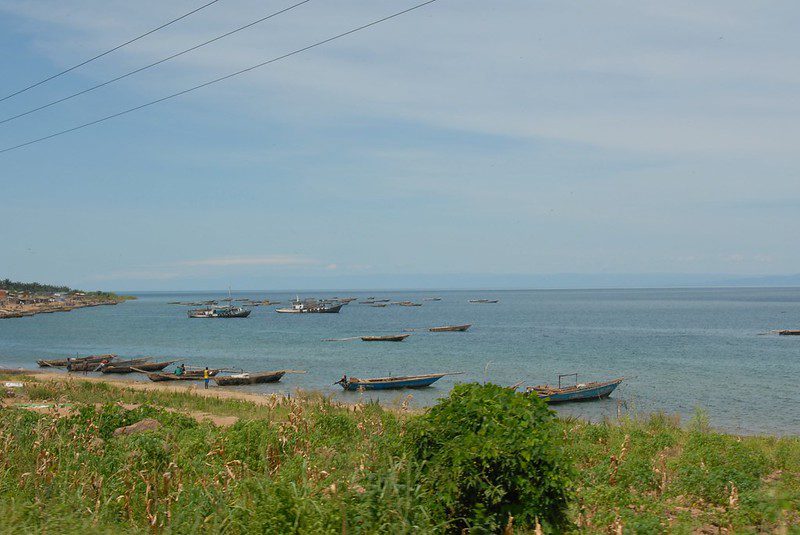
At Karema, the main point of interest is the old Catholic mission station, parts of which were originally a Belgian fort, before being handed over to the White Fathers in 1889.
In Ikola the only village in these parts with anything remotely tourist oriented and there is the simple and helpful hotel with inexpensive meals. Safari ASAP can help you organise a local boat to explore the surrounding lake shore and nearby rivers.
Wherever you head, it’s worth remembering that watching Tanzania’s wildlife is about far more than just ‘seeing’ the animals, and ticking them off on checklists. It’s about experiencing East African nature at its most untamed, getting a glimpse into nature’s magnificent synchrony, and understanding how the rhythms of the land can be best protected for future generations.
Doing all this takes time time to loiter for hours at lakes, to sit in one spot at dawn while the morning rises around you, or to learn about the animals’ habits and migration patterns and the myriad factors affecting them. And of course, the more understanding you have about the nature and their habitats, the more satisfied you’ll be that your Tanzania safari has been money well spent.
Frequently Asked Questions
What are Tanzania’s three Great Lakes?
Tanzania is home to three famous Great Lakes: Lake Victoria, Lake Tanganyika, and Lake Nyasa (also called Lake Malawi). Each lake has its own beauty and unique wildlife. Lake Victoria is the largest, while Lake Tanganyika is one of the deepest in the world. Lake Nyasa is known for its clear water and colorful fish. Visiting any of these lakes gives travelers a different side of Tanzania beyond the safari parks.
What activities can travelers enjoy at the Great Lakes?
There is something for everyone at Tanzania’s Great Lakes. You can enjoy boat rides, fishing trips, swimming in safe areas, or relaxing on quiet beaches. Birdwatching is also popular because many species live around the lakes. Some visitors like to meet local fishing communities and learn about their daily life. It is a peaceful way to experience Tanzania’s natural beauty.
Which Great Lake is best for wildlife and nature lovers?
All three lakes offer amazing nature experiences. Lake Victoria has many birds and nearby islands to explore. Lake Tanganyika is famous for its clear water, tropical fish, and chimpanzee trekking in nearby national parks. Lake Nyasa is perfect for snorkeling and watching colorful cichlid fish. Nature lovers will find something special at every lake.
When is the best time to visit Tanzania’s Great Lakes?
The dry season, from June to October, is the most popular time to visit. The weather is pleasant, and outdoor activities are easier to enjoy. Roads are usually in better condition, making travel more comfortable. The lakes can still be visited during other months, but rain may affect some plans. It is always a good idea to check the local weather before your trip.
What should travelers pack for a trip to the Great Lakes?
Pack light and comfortable clothing for warm days. Bring sunscreen, a hat, sunglasses, and insect repellent to stay comfortable outdoors. If you plan to swim or take a boat trip, don’t forget your swimsuit and a quick-drying towel. Comfortable walking shoes are useful for exploring nearby villages and nature trails. A camera or binoculars will help you capture the beautiful scenery and wildlife.
Still have questions?
Our local safari experts are happy to help you plan the perfect African safari.





