
Table of Contents
Exploring the lakes of Northern Tanzania is relatively easy. The region has well-developed tourist infrastructure, with a wide range of accommodation and dining options available in the major towns. There is also convenient direct air access from Europe and other parts of East Africa via Kilimanjaro International Airport (KIA), which is becoming an increasingly important travel hub. The main challenge is choosing the right tour operator for your safari. Feel free to contact us for more details or assistance in planning your journey.
Lake Manyara
Lake Manyara National Park is one of Tanzania’s most underrated national parks and is often included as a safari stop on the popular Northern Circuit, alongside Tarangire National Park and the Ngorongoro Crater.
While Lake Manyara may not offer the same scale of wildlife or dramatic landscapes as some of the larger parks on the Northern Circuit, it has its own unique charm that pleasantly surprises many visitors. Its beautiful scenery, tranquil atmosphere, and rich biodiversity make it a rewarding destination. The park is especially renowned for its exceptional birdlife, its famous tree-climbing lions (although sightings are not guaranteed), and its large population of hippos, which can often be observed at closer range than in many other parks.
Lake Manyara is also home to elephants, with a healthy and stable population in recent years, along with giraffes, zebras, buffaloes, monkeys, and many other wildlife species. Situated between 900 and 1,800 metres above sea level, the park is bordered to the west by the dramatic escarpment of the Great Rift Valley, creating one of the most scenic landscapes in Northern Tanzania.
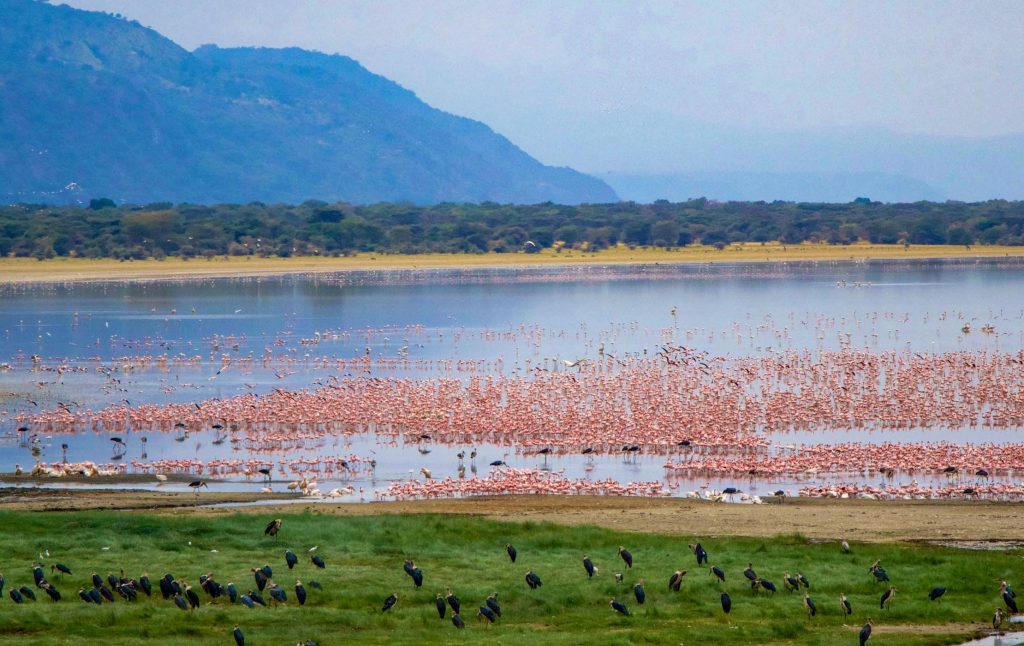
To the east lies the alkaline Lake Manyara, a spectacular soda lake that, during certain times of the year, attracts tens of thousands of flamingos along with an incredible diversity of other bird species. Depending on the season and water levels, the lake covers nearly two-thirds of the park’s total area of approximately 330 square kilometres, creating a stunning natural landscape.
Despite its relatively small size, Lake Manyara National Park boasts an impressive variety of habitats, including open savanna, groundwater forests, marshes, acacia woodlands, and the lake itself. This diverse ecosystem supports an abundance of wildlife and makes the park one of Northern Tanzania’s richest destinations for birdwatching.
Flamingos are undoubtedly one of Lake Manyara’s most iconic attractions. During peak seasons, their numbers can reach into the millions, covering the shoreline in shades of pink and creating a breathtaking spectacle visible from afar. Visitors on safari can also spot pelicans, storks, herons, fish eagles, kingfishers, and many other bird species. Along the lake’s shores, it is also common to see hyenas, African fish eagles, and various vultures scavenging, offering fascinating wildlife encounters throughout the park.
Lake Duluti
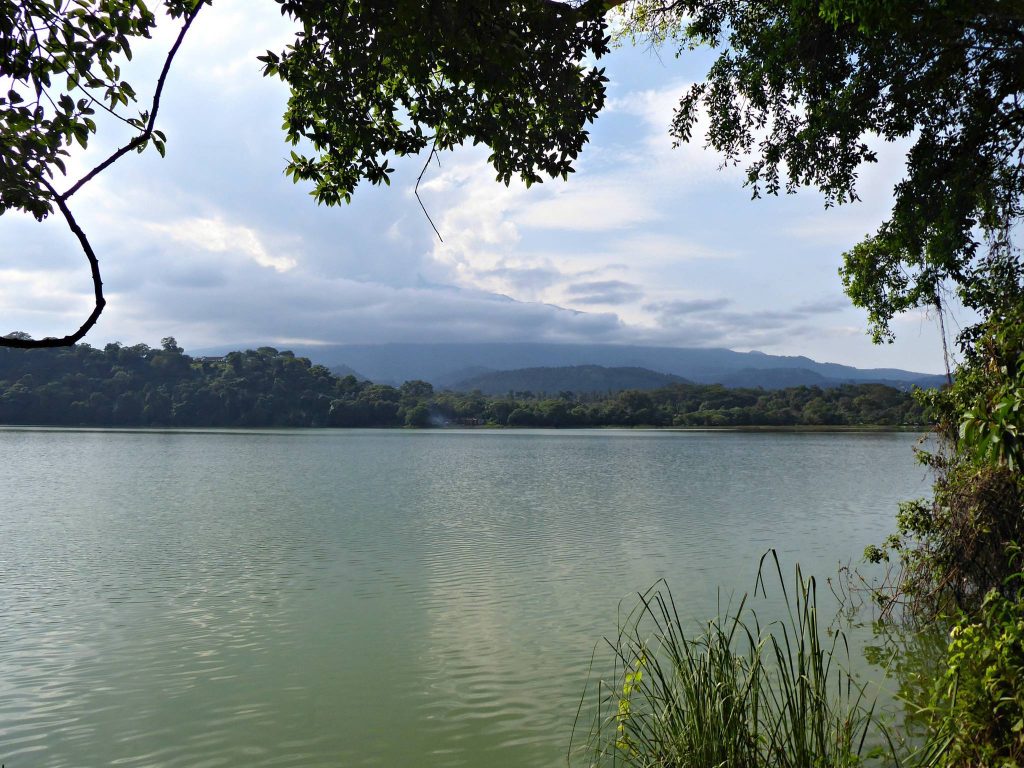
Lake Duluti is a small and peaceful volcanic crater lake located about 11 kilometres east of Arusha, just off the main road near the village of Tengeru, which is well known for its vibrant Saturday market. Surrounded by a protected forest reserve, the lake offers a tranquil escape into nature and is home to a variety of birds, reptiles, and lush indigenous vegetation.
The area is managed through a community-based ecotourism programme operated by local residents, providing visitors with authentic and sustainable experiences. Popular activities include guided canoeing on the calm waters of the lake and nature walks through the surrounding forest, where you can learn about the local flora, fauna, and birdlife while enjoying the peaceful scenery.
If you are planning a visit to Lake Duluti, feel free to contact us to arrange your short excursion from Arusha. We will be happy to organize a memorable half-day or full-day experience tailored to your interests.
Lake Rukwa
Remote Lake Rukwa is a large saltwater lake in western Tanzania, well known for its rich birdlife and significant population of crocodiles. The northern part of the lake forms part of the Rukwa Game Reserve, which connects with Katavi National Park, creating an important wildlife area with diverse ecosystems.
Since Lake Rukwa has no natural outlet, its water levels change considerably between the wet and dry seasons. The lake is generally shallow, rarely exceeding around 3 metres in depth, and during certain periods it can divide into two separate lakes separated by surrounding swamplands.
Due to its remote location, visiting Lake Rukwa requires a 4WD vehicle, and reaching the shoreline can still be challenging even with proper transport. The main access routes are from Sumbawanga or from Mbeya via Chunya.
For more information and assistance in planning your visit to Lake Rukwa, feel free to contact us. We can help arrange a suitable itinerary and travel experience to this unique and less-explored destination in Tanzania.
Lake Natron
Lake Natron shimmers amid the dry, sun-scorched landscapes along the Kenyan border, northeast of the Ngorongoro Conservation Area. This 60-kilometre-long alkaline lake is famous for the large flocks of flamingos that gather here, especially towards the end of the rainy season when conditions are ideal for breeding.
The surrounding area is remote, offering a dramatic and otherworldly landscape with vast open spaces, rugged scenery, and a unique sense of isolation. Although the environment can be extremely hot, Lake Natron is a rewarding off-the-beaten-path destination for adventurous travellers seeking a different side of Tanzania. The lake also provides an excellent base for climbing Mount Ol Doinyo Lengai, an active volcano located about 25 kilometres to the south.
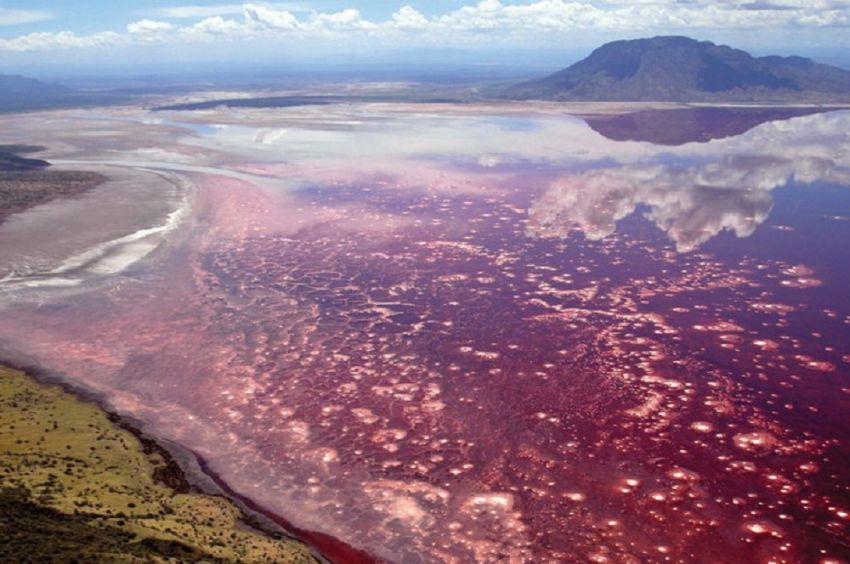
Since Lake Natron has no natural outlet, its size changes significantly depending on the season and water levels. The surrounding wetlands and swampy areas can make access challenging throughout the year, and a 4WD vehicle is essential for reaching the lake.
Due to its remote location, travellers are advised to seek updated local information before visiting. The area has experienced security concerns in the past, although the situation has improved significantly. Our team is familiar with the region and can provide guidance and assistance when planning your journey.
There is no public transportation available to Lake Natron, and visitors travelling independently must be fully prepared, as services and facilities along the route are very limited. A district council entrance fee of approximately US$20 per person applies for independent visitors entering the area.
If you are planning a safari to Lake Natron, feel free to contact us. We can arrange a safe and comfortable journey to explore this unique natural wonder of Tanzania.
Lake Eyasi
Lake Eyasi is a starkly beautiful and remote soda lake located at an altitude of around 1,000 metres, lying between the Eyasi Escarpment to the north and the Kidero Mountains to the south. The area is hot and dry, with a unique landscape that is home to the Hadzabe people (also known as Hadzapi or Tindiga), one of Tanzania’s oldest indigenous communities.
The Hadzabe are believed to have lived around Lake Eyasi for nearly 10,000 years and continue to preserve their traditional hunter-gatherer lifestyle. Their unique language is characterised by clicking sounds and is believed to have distant connections with the languages of the San people of Southern Africa, although it shares only limited similarities with Sandawe, another click language spoken in Tanzania.
The Lake Eyasi area is also home to other communities, including the Iraqw (Mbulu) people of Cushitic origin, who arrived in the region around 2,000 years ago, as well as Maasai and various Bantu-speaking groups. The region is also Tanzania’s main onion-growing area, with impressive irrigation systems found along the Chemchem River near the campsites. The main settlement in the area is Ghorofani, located at the northeastern end of the lake.
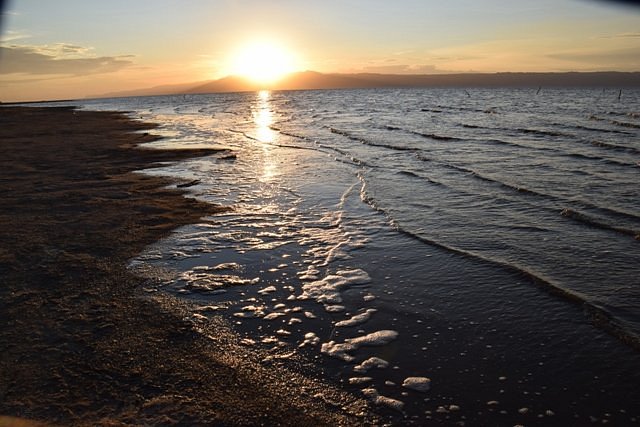
Although visitor numbers remain relatively low, Lake Eyasi offers a fascinating cultural experience and makes a rewarding addition to a Ngorongoro Crater safari itinerary. Visitors can arrange guided excursions to nearby Hadzabe communities to learn about their traditions, hunting techniques, and way of life.
For more information or to arrange a visit to Lake Eyasi, feel free to contact Safari ASAP. Our team can help organize a memorable cultural experience as part of your Tanzania safari.
Lake Chala
Lake Chala is situated in a spectacular location and offers visitors an attractive escape surrounded by splendid natural views. This deep and mysterious crater lake is located approximately 40 kilometres from Moshi town, near the Tanzania-Kenya border. From the crater rim, especially around the Lake Chala viewpoint, visitors can enjoy breathtaking views of the shimmering blue waters lying hundreds of metres below.
Visitors can choose to walk around the crater rim or take a trek down to the lakeshore. The trail passes through a beautiful forest area before descending to the base of the crater where the lake is located. This section of the trek usually takes around 2 to 3 hours, depending on the pace and conditions.
Swimming and canoeing are possible at Lake Chala, but visitors should always exercise caution and follow the advice of their local guide. The road to Lake Chala branches off from the Taveta–Himo road, making it one of the most enjoyable day trips from Moshi, offering a combination of nature, adventure, and breathtaking scenery.
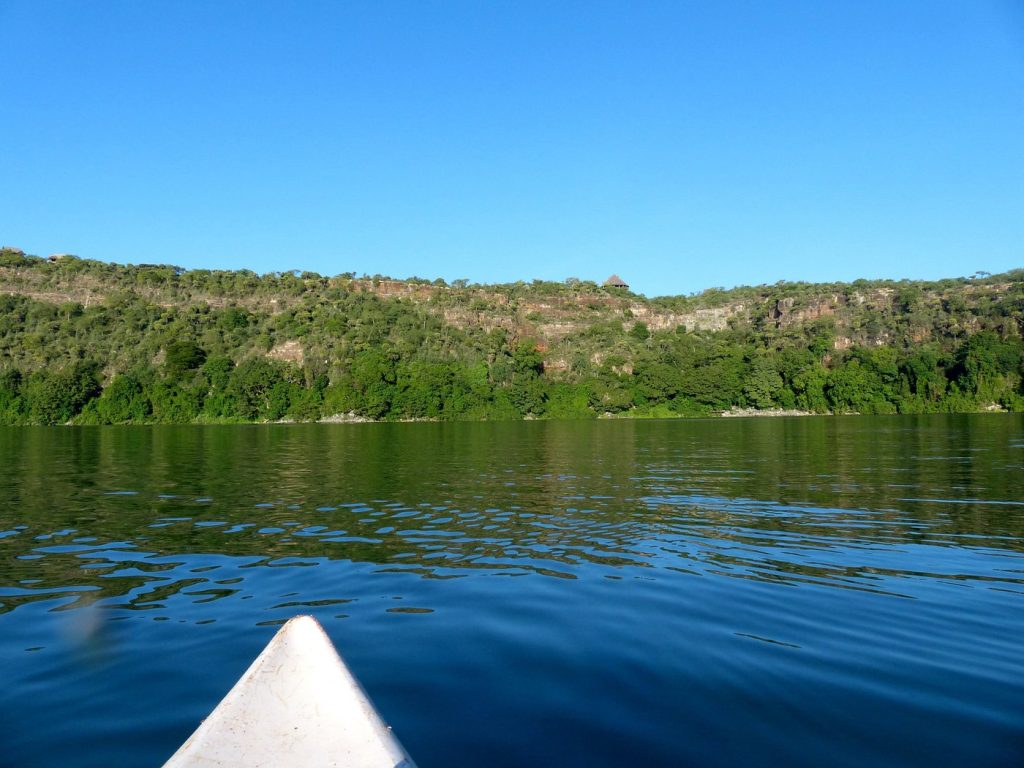
Located between Tanzania and Kenya, Lake Chala is a hidden gem and a perfect destination for photography, relaxation, and peaceful moments away from the busy tourist routes. Whether you choose a day trip or an overnight camping experience, this beautiful crater lake offers a unique and unforgettable adventure.
Northern Tanzania is one of Africa’s most remarkable travel destinations, attracting visitors from around the world. The snow-capped summit of Mount Kilimanjaro rises majestically above the landscape, thousands of flamingos gather in the alkaline waters of the Ngorongoro Crater, and the powerful movements of wildebeest herds echo across the endless plains of the Serengeti.
While Mount Kilimanjaro and the famous Northern Safari Circuit remain the region’s main attractions, Northern Tanzania has many more hidden treasures to discover. The peaceful shores of Lake Eyasi offer fascinating cultural encounters with the Hadzabe people, Mount Meru provides unforgettable sunrise views from its summit, and the rugged landscapes of the Crater Highlands invite visitors to explore unique hiking adventures.
If you are interested in visiting Lake Chala or exploring other beautiful lakes and destinations in Northern Tanzania, feel free to contact us. We can help arrange a memorable safari, cultural experience, or nature excursion tailored to your interests.
Frequently Asked Questions
Lake Manyara
Lake Manyara is one of Tanzania’s most famous safari destinations. It is located inside Lake Manyara National Park and is well known for its large flocks of flamingos and other water birds. The park is also home to elephants, hippos, giraffes, and the famous tree-climbing lions. Visitors can enjoy game drives, birdwatching, and beautiful views of the Great Rift Valley. It is a perfect stop on the Northern Safari Circuit.
Lake Natron
Lake Natron is a striking soda lake in northern Tanzania. Its red and pink colors create a unique landscape that feels like another world. The lake is the main breeding ground for millions of lesser flamingos in East Africa. Visitors can also hike to nearby waterfalls and enjoy views of the active Ol Doinyo Lengai volcano. This destination is ideal for travelers looking for adventure and incredible photography.
Lake Victoria
Lake Victoria is the largest lake in Africa and the second-largest freshwater lake in the world. It borders Tanzania, Kenya, and Uganda, making it an important source of life for millions of people. Visitors can explore fishing villages, take boat trips, and visit Rubondo Island National Park, which is rich in wildlife. The lake offers a relaxing break before or after a safari. It is also a great place to experience local culture.
Lake Tanganyika
Lake Tanganyika is one of the deepest and oldest lakes in the world. Its clear waters are perfect for swimming, snorkeling, and fishing. Mahale Mountains National Park and Gombe National Park sit along its shores, offering unforgettable chimpanzee trekking experiences. The lake’s peaceful beaches provide a different side of Tanzania beyond traditional safaris. It is a hidden gem for nature lovers.
Lake Eyasi
Lake Eyasi is a seasonal salt lake located southwest of the Ngorongoro Conservation Area. It is best known for its cultural experiences with the Hadzabe and Datoga communities. Visitors can learn about traditional hunting methods and local ways of life. The lake is also a good spot for birdwatching, especially during the wet season. It offers a unique combination of culture and nature.
Still have questions?
Our local safari experts are happy to help you plan the perfect African safari.





