
Table of Contents
Serengeti National Park is in the heart of the vast savannas of East Africa, between 1000 m and 2000 m altitude, and most of the time it is hot and humid, you can find this incredible national park in northern Tanzania and covered an area of 14763 km2. In 1951 it was declared a national park. Usually, many travelers who visit Serengeti will enter through Naabi Hill Gate (Naabi Hill Park Gate), to the central, southeast, or to the north part of the park.
Once you entered the Serengeti area, the landscapes will tend to change, proving the diversity of the Serengeti plains ecosystem. From the entrance of the Serengeti, extends an immense savannah of tall grass, endless plain, flat, and without trees and hills from place to place, like islets, curious chaos of granite rocks, baptized as kopjes.
In the central part of the Serengeti around the Seronera area grows the savanna greener acacias trees which dot the area and give the taste of the African bush safari. The north part of the national park is very hilly with many rolling hills and is famous for the Serengeti Migration river crossing.
Lastly, a huge wild triangle, called the Western Corridor, stretches to the shores of Lake Victoria. In the Serengeti Park, there are fewer lodges than in the nearby Masai-Mara game reserve. A regulation, in force since 1996, prohibits the construction of new lodges for a period of ten years. This is helped avoid an influx of visitors hence preserving the natural environment of the park and resulting in an authentic safari experience. Below are the Serengeti National Park location and famous places to visit while on safari;
The South Plains (short grass plains)
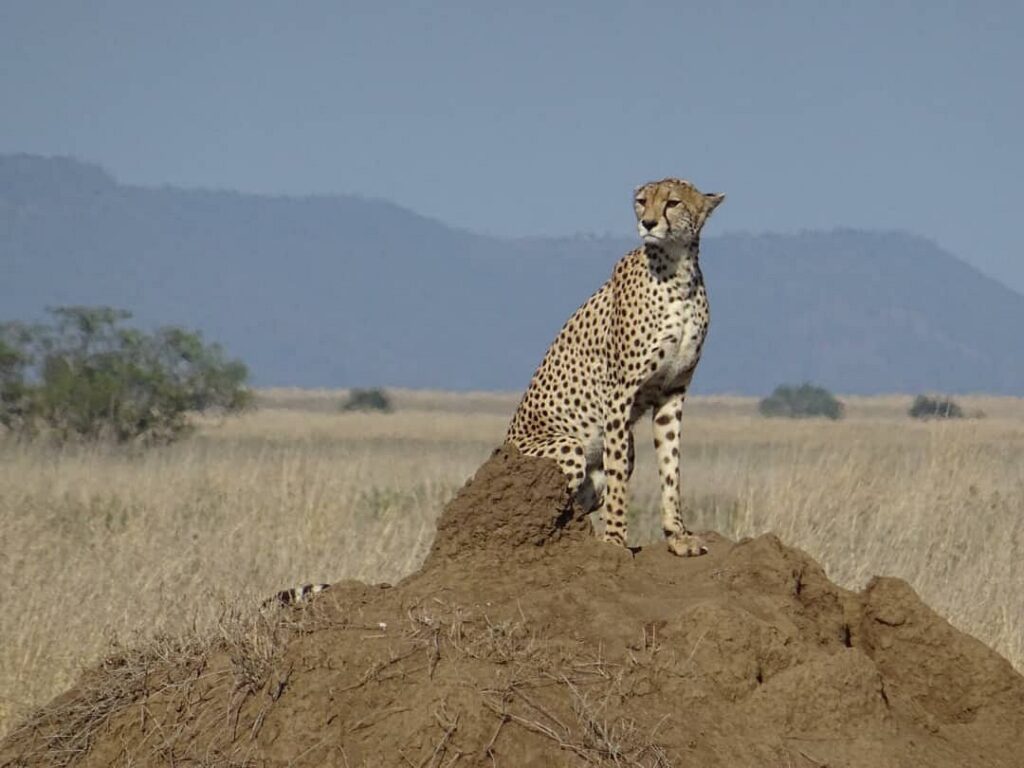
Here you can find the main gate (Naabi Hill Park Gate), the one that vehicles necessarily use from Olduvai Gorge and Ngorongoro Conservation area. Vast plains of short grass stretch to infinity. There are no trees, no permanent water points, except for some natural ponds that are insufficient for the animals in the dry season. Rocky chaos, called kopjes (pronounced “kopizz”), this desert landscape is bristle, like strange islands of stone in the sea of grasses.
Formed by rocks piled up loose on top of each other, several meters high (more than ten meters sometimes), these granite mounds are often used as refuges for big cats (lions, cheetahs, and leopards) and snake habitats (naja) and mongooses. Kopjes are useful, they also serve as landmarks for tour guides drivers of 4 x 4. Because kopjes are giving direction as what the reefs are to the sailors on the ocean, natural process in the big empty horizon.
In the dry season, grasses turn yellow and wither. Many animals fled elsewhere, far to the north, to find their livelihood, and enough to survive. In this area, wildebeest make up the largest herd, far ahead of other animals.
Every year, at the same time, thousands of wildebeests leave these desiccated plains for a large migration that will lead them to other parts of the Serengeti, better supplied with water and grass. Besides wildebeest (absent in the dry season), many animals live freely: Burchell’s zebras, wild dogs, hyenas, cheetahs, antelopes, Thomson’s gazelles, ratels, zorilles, and many more.
The Central Savannah (long grass plains)
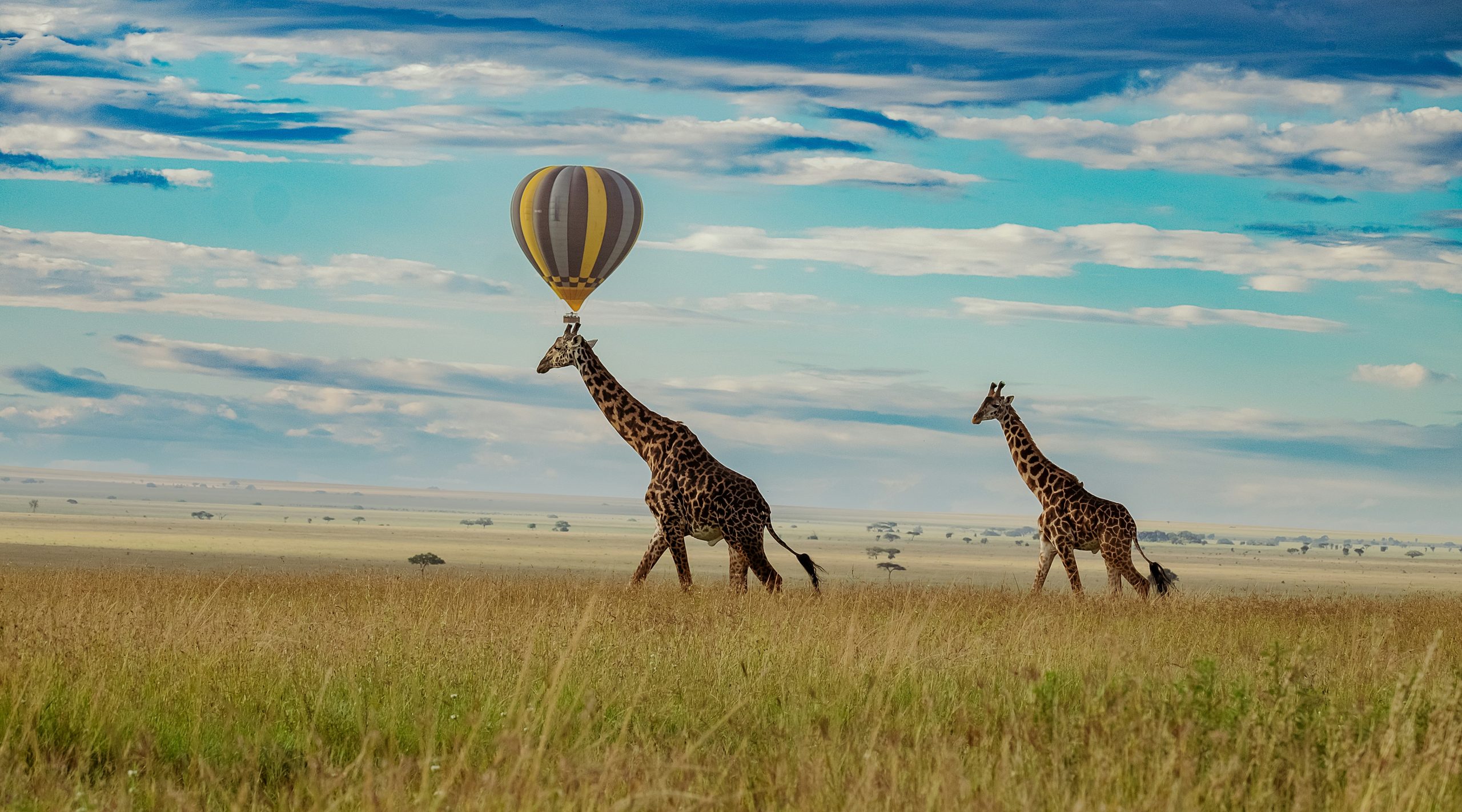
We could call it the hairy savannah. Few trees, little water. But plentiful, bushy, very tall grass, yellowed most often, where the animals hide, especially the big cats. You can see the extraordinary and varied fauna of Serengeti: elephants, gazelles, kongoni, topi, warthogs, eagles, vultures, ostriches, and many more wild animals. It is here where many travelers prefer to camp for a night during a safari in Serengeti.
Around the Seronera (The heart of the park)
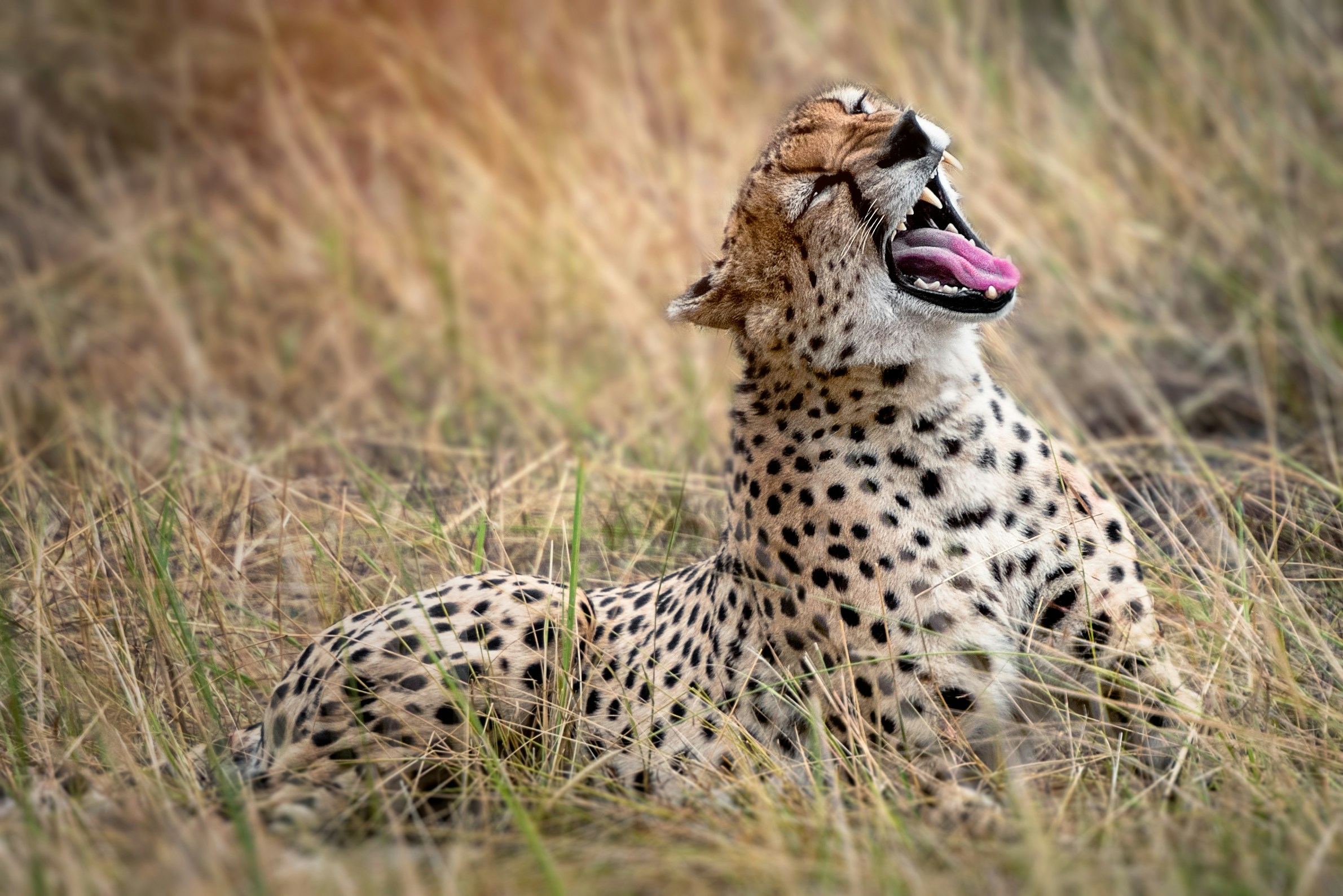
This part of Serengeti offers greener landscapes than the central steppes and the southern plains. Here is where Hills appear, pricked with acacias, sausage trees, sycamores, and euphorbia. Rivers sinuate in the valleys, attracting crowds of animals that come to drink there. Safaris depart from Seronera area early in the morning or late afternoon. Vehicles usually follow river tracks eg. Seronera River.
There are plenty of baboons, green monkeys, antelopes, and gazelles, as well as big cats, lions, and leopards (rare). Great lazy by nature, lions often spend the hot, sleepy hours, alone or in the clan, in the shade of acacias. Watch out for photos missed because of the shade under the tree.
About twenty kilometers north of the Seronera area on the road to Lobo wildlife Lodge lies the Banagi Hills area. All the animals of Serengeti evolve in freedom. The buffaloes are more numerous than elsewhere because of the pastures, the giraffes also because of the acacias whose leaves they eat. You can see a flock of antelopes and gazelles. In Retina (6 km from Banagi), a large pond (hippo pool) serves as a refuge for a community of hippos along the Orangi River.
The Northern part of Serengeti
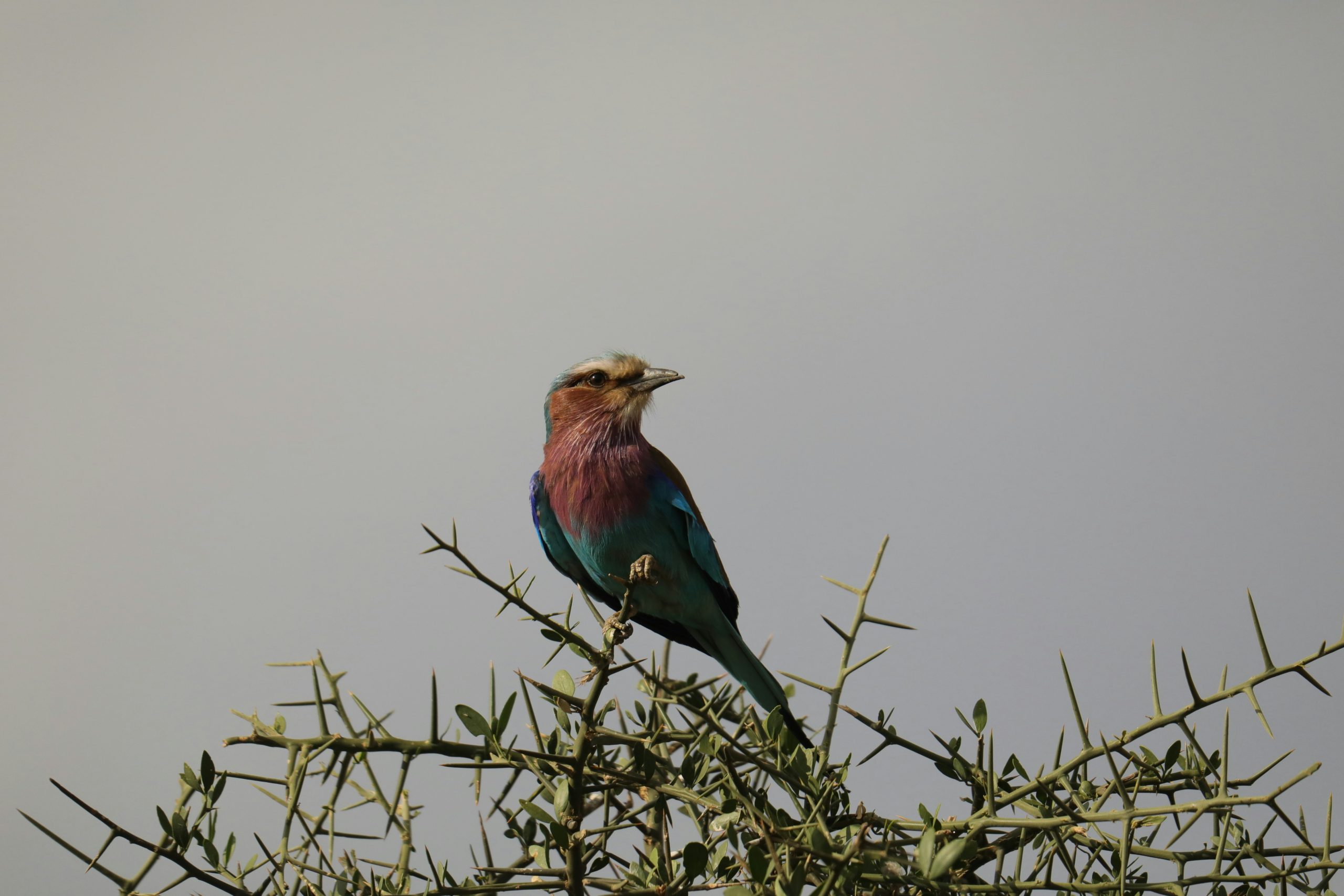
The area north of Lobo Wildlife Lodge, bordering the Maasai-Mara Park in Kenya. Fewer travellers take the time to discover it. Safari groups come here but do not linger there. And yet: there are breathtaking landscapes of beauty, gentle hills, pastures swept by the breeze, images reminiscent of the “green hills of Africa”.
Everything is less flat than elsewhere, less monotonous, greener. There are many zebras, antelopes, hartebeests, topis, buffaloes, monkeys, and giraffes. And lions of course. As well as birds such as crowned cranes, guinea fowl, and ground hornbills. The track passes to the northeast by Bologonja Park Gate and arrives at the Tanzanian customs post.
It continues (but nobody is allowed to venture farther), crossing a no man’s land of a few square kilometers, which serves as a territorial buffer between the two countries. The nearest town (Kenyan) is called Keerorok. Nonchalant and friendly customs officers seem to take a nap all day (or almost) for lack of visitors to control.
With a little luck, on this beautiful wild track, the traveler can find himself alone, cross herds of elephants (newcomers, rather unwanted), and experience exceptional sensations. That’s what happened to us, and it’s one of our best memories at Serengeti.
The Western Corridor
Dominated by a mountain peak, west of the Serengeti, the western corridor sinks under a thick undergrowth to the edge of Lake Victoria, ending at Ndabaka Gate. It is presented as a kind of long valley watered by the rivers Grumeti and Mbalangeti.
Few safaris venture here, despite the beauty of the landscape. From July to September, you can closely observe a part of the huge colonise wildebeest migration, those which had left the southern plains in February. The rains are stronger than elsewhere, because of the proximity of Lake Victoria, the grasslands there are of better quality. And wildebeest find their food to eat. Many are devoured at the passage of the Grumeti River by crocodiles (crocodiles of the Nile, 4 meters long).
They live at the mouth of the Grumeti River where this stream enters the former Lake Victoria Floodplain (at the west end of the park). You can also observe rare species: black and white colobus, Hippotragus or horse antelope, Cape elands, and of course their predators.
Visiting the Serengeti national park and especially to witness the wildebeest migration is all about timing. The millions of wildebeest and zebra will migrate from the Maasai Mara game reserve in Kenya between August and September and they will arrive in the Serengeti around Lobo area in Tanzania side between October and November.
The migration will go on to the South of Serengeti where they will settle until February and start to migrate again and reach the western part of the park between May and June. Crossing the famous Grumeti River in June to July and again reach to the border of Kenya around August and September depending on the weather season and availability of water.
At Safari ASAP we have different safari packages to Serengeti plains that will leave you with the best wildlife memory. We have a team of guides and cooks who are experienced in the bush and know Serengeti park as their palm of their hand. Contact us today for the best Serengeti Safari Tours.
Frequently Asked Questions
Where should travelers start when planning a Serengeti visit?
When planning a visit to Serengeti National Park, most travelers begin their journey in Arusha, a popular safari gateway city in northern Tanzania. From Arusha, visitors can either take a short domestic flight to one of the Serengeti airstrips or travel by road through other national parks. Many safari itineraries combine Serengeti with places like Tarangire or the Ngorongoro Crater. Starting your trip with a well, planned itinerary helps you make the most of your time in the park. It also allows you to experience different landscapes and wildlife along the way.
What is the best way to reach Serengeti National Park?
There are two main ways to reach Serengeti National Park: by road or by domestic flight. Traveling by road is a great option if you want to explore other parks along the Northern Circuit. The drive offers scenic views and chances to see wildlife even before reaching the Serengeti. Flying is faster and allows visitors to arrive directly in the heart of the park. Many travelers choose flights if they want to save time and maximize their safari experience.
When is the best time to visit Serengeti National Park?
Serengeti National Park is a year, round destination, but the experience changes with the seasons. The dry season from June to October is excellent for wildlife viewing because animals gather around water sources. The Great Migration also attracts many visitors, especially during the dramatic river crossings in the north. The green season from November to May offers lush scenery and the chance to see newborn animals during the calving period. Each season offers something unique for travelers who love nature and wildlife.
Where should visitors stay in the Serengeti?
Serengeti National Park offers a wide range of accommodation options, from luxury lodges to comfortable tented camps. Many camps are located in prime wildlife areas, allowing guests to see animals even from their rooms. Tented camps provide a classic safari atmosphere while still offering modern comforts. Some lodges are permanent, while others move seasonally to follow the migration. Choosing the right place to stay depends on your budget, travel style, and the wildlife experience you want.
What should travelers prepare before visiting Serengeti?
Before visiting Serengeti National Park, it’s helpful to prepare for the unique safari environment. Travelers should pack comfortable clothing in neutral colors, a hat, sunscreen, and good walking shoes. Binoculars and a camera are also important for spotting and photographing wildlife. It’s wise to follow health advice such as bringing insect repellent and staying hydrated. With the right preparation, visitors can relax and fully enjoy one of Africa’s most famous wildlife destinations.
Still have questions?
Our local safari experts are happy to help you plan the perfect African safari.





