
The African safari scene has changed dramatically over the past 20 years. Here is a short summary of the most prolific changes:
1.The number of African-based ground operators and accommodation establishments has increased exponentially. The entrepreneurial spirit of the people, the very low barriers of entry, the proliferation of cellular technology and the internet make it possible for anyone to start a business in the safari industry. All it takes is a cell phone and a free email address. In many countries so-called “briefcase executives” doing informal business are making it near impossible to establish any kind of organized “rules of the road” when it comes to tourism. It seems anyone you meet in Africa is either a safari guide or has a family member who is – buyer beware!
2. There are a few recognized grading or code of conduct systems for guides (best known are the Tanzania Association of Tour Guides and the Field Guides Association of Southern Africa) but very people know (or care?) about these and many unsuspecting tourists are probably getting less than stellar guiding services but who will ever know?
3. Options for booking safaris have exploded on both the internet and offline. There has been a steady shift away from traditional brick-and-mortar travel agencies to independent travel agents, safari specialists, direct bookings with suppliers, auction sites, booking portals, flash sales, and more.
4. Safari forums on the internet are gifts that keep on giving! That is until someone posts a bad review; then the hurt can take months to heal! TripAdvisor and Trustpilot have risen to the top for conversations about safaris in East Africa and are good resources when planning safaris. The problem is many of the contributors are in the safari industry and their hidden agendas are carefully disguised in well-crafted anonymous raves about their own safari companies and/or “independent advice” steering readers to their own companies! Local ground operators are actually at a disadvantage because broken English with a local accent is a dead giveaway that someone is doing self-promotion!
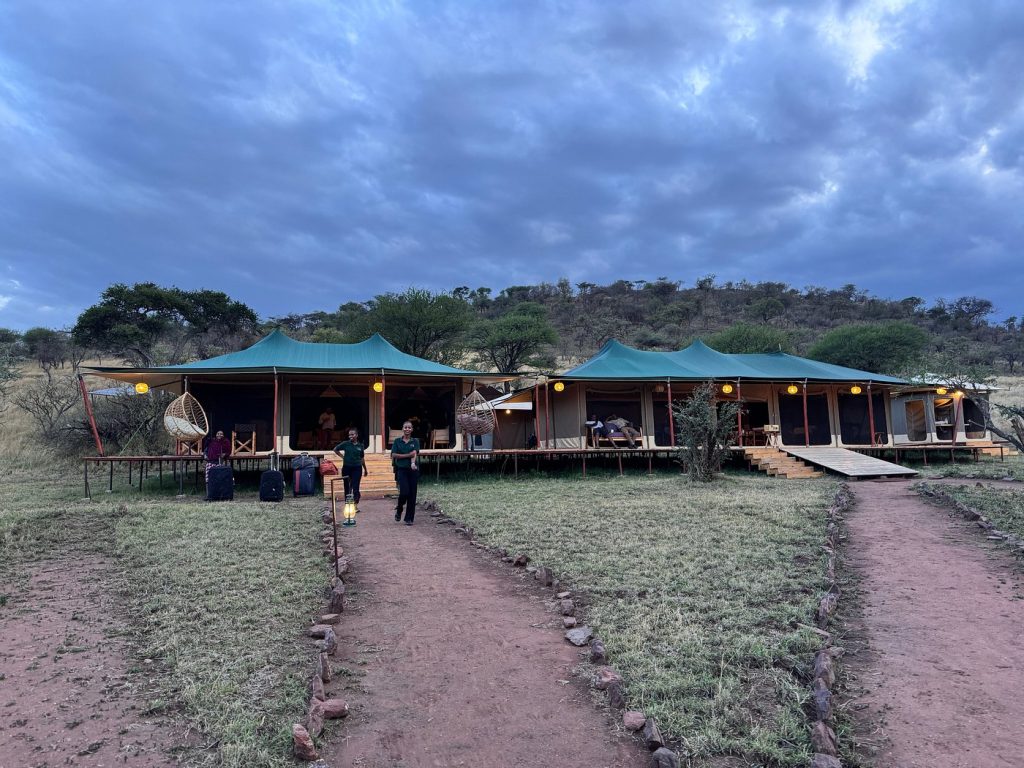
5. Camp and lodge construction are increasing at a rapid pace. For example, the greater Masai Mara saw perhaps as many as 90 new camps, the Serengeti and Ngorongoro Conservation Area added more than 40 camps and accommodation options doubled at Bwindi and in Selous! Most international tour companies do not even try to keep up with the new developments and their itineraries rarely change from year to year.
6. Traditional brick-and-mortar travel agencies and growing number of at-home outside agents are aligning themselves with host agencies and consortiums. These host agencies and consortiums have preferred safari suppliers and most of these are large international tour operators. Agents are encouraged with bonuses and other perks to use these preferred tour operators instead of local ground operators based in Africa.
7. The African safari is no longer a mysterious experience in dark and dangerous Africa. For many the initial jaw-dropping exposure to Africa came from Tarzan movies and box office hits such as Hatari, Snows of Kilimanjaro and eventually Robert Redford’s Out of Africa. Then came television shows such as Jack Hanna and Big Cat Diaries, and 24×7 wildlife documentaries on Discovery Channel and National Geographic. Nowadays safari blogs, tweets, Facebook fan pages, YouTube videos, webcams, Pinterest, Instagrams, e-books, etc. are bringing the safari experiences of the masses to our computer screens and our expectations are increasing. We are now familiar with Eastern and Southern Africa and we expect at least the same thrills as those before us – with cell phone & Go-Pro cameras in hand we hope to capture the next viral YouTube hit around every corner!
8. International flight options to African safari countries continue to expand and visitors can now choose from many airlines and airports when planning safaris. Many parks are now well-connected with several aviation operators offering charter and affordable scheduled departures for visitors who want to save time and avoid the bad roads! Unfortunately these internal flights are not listed in popular agency booking engines and remain a mystery to overseas agents and anyone who plans a safari!

9. Safari activity options have expanded widely. Today you may ride camels or horses, soar in balloons and helicopters, walk in the wild, trek to mountain summits and remote areas, bicycle in rural villages and raft or boat on the many rivers. Some of these activities are risky and many local guides are not properly trained, licensed and experienced to lead such activities.
10. Governments continue to haphazardly change fees and requirements! For example, we’ve seen huge rate increases in Gorilla trekking, Ngorongoro Crater visits and Masai Mara entry fees (when traversing different areas). There are very confusing periods when Yellow Fever certificates are absolutely required (or maybe not!). Visa fees and procedures change often and park entry fees can change with a moment’s notice. These random decisions by African governments continue to hurt local ground operators who have tight profit margins and must honor their customer quotes while park fees and other costs continue to increase with virtually no notice period.
11. Printed guidebooks cannot keep up with all the new developments in Africa and are really out of date and pretty useless. Authors seemingly do not visit the places they are writing about and rely in the internet for information. Lonely Planet released a very disappointing book about Tanzania in 2008 and the first edition of “Complete African Safari Planner” by Fodors turned out to be one of the most incomplete and inaccurate travel books I’ve ever read, e.g. the book claimed the Ngorongoro Crater is closed in April and May!
12. Civil unrest, terrorist activities, robberies and different forms of crime have increased and becoming more bold as illustrated by the recent mall attack in Nairobi. Visitors must remain vigilant at all times even when visiting the national parks, conservation areas and reserves. Unfortunately local governments and ground operators continue to minimize these events as isolated and nothing to worry about, but the tourist who got robbed of his camera, his safari memories, his money and his passport feels much different.
13. Scheduled group safaris by international tour operators have evolved and there are some great options for single travelers or those looking to go on safari in small groups. Many itineraries are well-designed and the lodging are improving. Unfortunately a few tour operators are overly expensive (Micato Safaris for example) and this continues to hurt the industry in my opinion.
Despite the wealth of information available on the internet today, the safari industry in Africa is too dynamic and diverse for the average tourist to successfully keep up with new products and developments. Safari planning is supposed to be a fun process and not a frustrating exercise in futility and indecision with countless options and conflicting information about parks, accommodations, costs and when & where to go.
So how does one plan a successful safari?
1. Try to understand the business of the Africa safari – It is the subject matter of this series and recommended as a must-read for everyone who wants to go on safari. Unless you know how things work you will most probably end up with an inferior itinerary while paying too much! An hour invested in reading my posts may save you thousands in costs.
2. Decide how much time and effort you want to invest in the planning process – There are many misconceptions about safari planning. Some people book expensive and notoriously bad brochure safaris with travel agents or online because they do not have the time and knowledge to plan their safaris, or they think group tours are cheaper. These are typical expensive mistakes.
a. If you want to save time and optimize your experience, engage an experienced Safari Consultant to design and book your safari. Your Safari Consultant should specialize in safaris with the necessary knowledge to provide you with a perfect itinerary! Never book a safari with a generalist travel agent.
b. If you want to be more involved with the planning process then continue to read my safari planning series! It is great fun to plan safaris; you compare lodges & camps, you learn about the different parks and wildlife movement patterns and you discover places you have never known to exist!





