Table of Contents
Trees, Community and Rau Forest is a journey filled with impactful experiences and meaningful interactions. This unique adventure allows travellers to explore the stunning landscapes of Tanzania while also giving back to the local communities responsibly and sustainably.
Tour Highlight
- Day 1: Planting Trees Home Stay
- Day 2: Cleaning Day Home Stay
- Day 3: Kilimanjaro Hiking Day Trip More than a Drop
- Day 4: Rau Forest Nature Study Drop off around or in Moshi
Day 1
Planting Trees with Kilimanjaro Environment Preservation Project
In the morning, you will be picked up by our representative from your hotel in/around Moshi town (max 45km from Mochi town). We will head to the Kilimanjaro Environment Preservation Project where you will collaborate with our local expert Nestory Mushi. Nestory is a Tanzanian environmentalist who works as an ambassador for the environment in the Kilimanjaro region and he will lead us in tree planting around Moshi town.
Nestory will provide a short briefing and theory training before we engage with community or school kids to plant trees either around the water sources or along the slope of Mount Kilimanjaro. We will also work together when preparing our joined lunch. In the evening, we will stay with the community around the area who have already trained on how to host a guest.
- Accommodation: Home Stay
- Transport: 4×4 safari vehicle
- Meals: L, D (Lunch, and Dinner)
- Activity: Tree Planting
Day 2
Cleaning and Visit to Elderly House
Today after breakfast, we will join our local community program for a public area. By working together to clean public places, we are showing our dedication to creating a clean and safe environment for all while making friends during the process.
In the afternoon, we will proceed to the assisted living home or elderly home where we will have a great time with storytelling and cultural exchange which will allow us to learn about their wisdom and experiences, we will also have lunch together with them, and later evening we will go back to our homestay where you will be involved in different home activities like cow milking and participate in cooking lessons with the locals who can teach you different traditional Tanzanian recipes. This could include dishes like pilau (spiced rice), ugali (maize porridge) or various vegetable stews.
- Accommodation: Home Stay
- Transport: 4×4 safari vehicle
- Meals: B, L, D (Breakfast, Lunch, and Dinner)
- Activity: Cleaning Day
Day 3
Kilimanjaro Day Hike
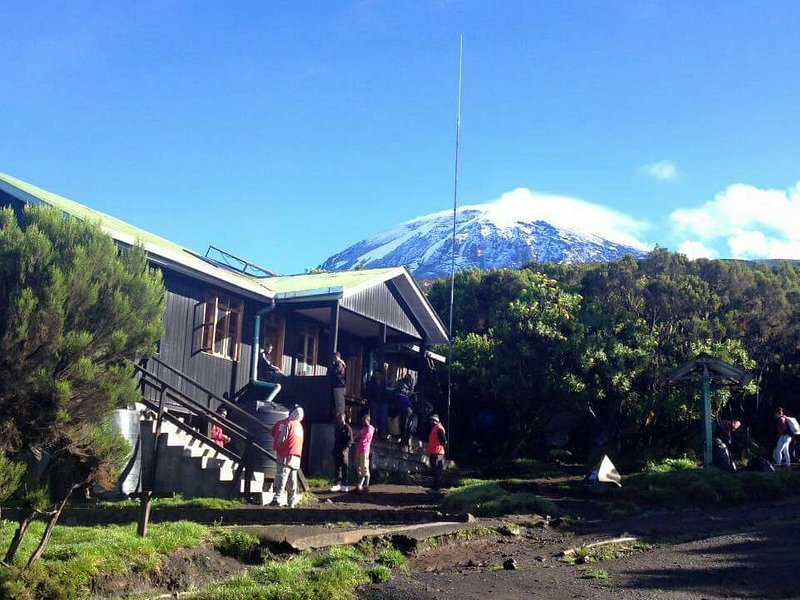
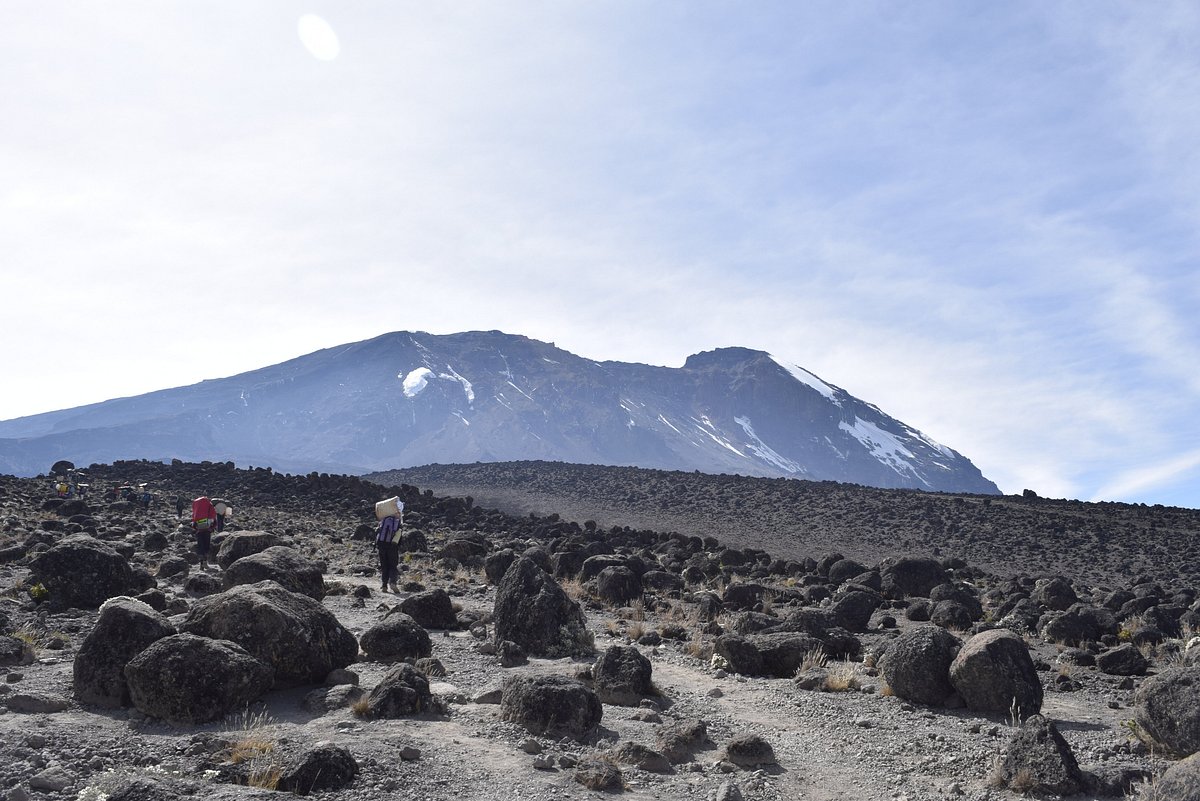
After breakfast today you will drive to West Kilimanjaro takes you through a forest reserve, where you can look out for Colobus Monkeys in the trees. Your hike through the beautifully rugged landscape of Shira Plateau starts at 3,500 m above sea level. Get out of the car, lace up your shoes and take in the sounds, smells, and colours of Tanzania’s stunning wilderness. Enjoy views of Kibo, Kilimanjaro’s highest peak, and its northern glaciers, when the weather permits. The vast plains of neighbouring Amboseli National Park in Kenya and the deep gorge of the Simba River contrast the views of the world’s highest free-standing mountain. When you reach the northern rim of Shira Crater, take a quick stop at different observation points and see the volcanic cones dotting the landscape below. Hike at your own pace and enjoy a picnic lunch under the open sky along the way. It’s a moderate hike and you don’t need to be an athlete to be able to enjoy it. However, at 3,500m the air is thinner, so pace your step, and enjoy the untouched landscapes and the presence of the mighty Kilimanjaro. After a 4h hike – or earlier, if your legs get tired – we take you back to your hotel. You don’t need hiking boots for this Kilimanjaro day trip. However, we recommend closed shoes such as trainers.
- Accommodation: More than a Drop
- Transport: 4×4 safari vehicle
- Meals: B, L, D (Breakfast, Lunch, and Dinner)
- Activity: Hiking
Day 4
Rau Forest Field Study
Today we will visit The Rau Forest and do a practical survey which is a crucial component of environmental conservation efforts in the region. Conducted by skilled professionals in the field of ecology and forestry, this survey aims to assess the flora of the Rau Forest. By gathering data on plants and threats to the forest such as deforestation or climate change, you will be participating in making 10 quadrants on 4 by 4 squares and counting some trees and seedlings whereby one quadrant to another is 10m. You will also witness some birds as well as milk water springs. The findings from the Rau Forest practical survey provide valuable insights into the state of the ecosystem and help guide future conservation initiatives to ensure the long-term sustainability of this important natural habitat.
Our instructor will provide training which covers topics like data collection techniques, species identification, recording observations, and safety protocols. Later, we will start our research which will last for about 5 hours. In the evening, you will be dropped off at your hotel in/around Moshi town.
- Transport: 4×4 safari vehicle
- Meals: B, L (Breakfast, Lunch)
- Activity: Rau Forest Survey
-END OF TOUR-
From: USD $ 926
per person sharing

“This experience is co-designed with Positive Impact Tourism”.
Tour Include
- 1 Pickup and 1 Drop off in/around Moshi town
- Accommodation as seen in the itinerary
- All national park and gate fees
- All Activities as indicated on the itinerary
- Nature Walk and Bird watching
- Day Hiking on Kilimanjaro
- Government Taxes and conservation fees.
- Transport as indicated on the itinerary
- Local and Friendly English-speaking safari guides
- Meals as indicated on the itinerary (B, L, D – Breakfast, Lunch & Dinner)
- Drinking water while on safari
- Accommodation on safari as indicated on the itinerary
- Emergency First Aid Kit
- Guides and Crew Wages
Tour Exclude
- Travel/Medical Insurance
- Meals outside your itinerary
- Accommodation outside your itinerary
- International visa for Tanzania
- International /Domestic Flights
- Anything of a personal nature
Frequently Asked Questions
What makes Rau Forest special?
Rau Forest is a beautiful and relatively untouched forest known for its tall trees, rich biodiversity, and serene atmosphere. Unlike open savannah parks, Rau Forest feels like stepping into a hidden world full of life. You’ll find a mix of indigenous tree species, some hundreds of years old, which provide shelter to countless birds and animals. Walking through the forest is peaceful, with the sounds of nature all around. It’s a perfect place for nature lovers and anyone seeking a quiet, green escape.
How do local communities interact with Rau Forest?
Local communities around Rau Forest rely on the forest in sustainable ways for firewood, medicinal plants, and traditional crafts. Many community projects focus on conserving the forest while providing income opportunities. Visitors can sometimes see locals practicing sustainable harvesting techniques or participating in reforestation programs. These efforts help maintain the balance between human activity and nature. Your visit can support these initiatives, ensuring the forest thrives for future generations.
Can I see wildlife in Rau Forest?
Yes, Rau Forest is home to a variety of wildlife, including monkeys, duikers, and numerous bird species. The dense tree canopy and understory provide habitats for both small and larger forest creatures. Birdwatchers will especially enjoy spotting colorful species perched in the trees. Walking trails are designed to let visitors observe wildlife without disturbing them. Even short hikes can reveal surprising encounters with the forest’s inhabitants.
Are there community, led activities for visitors?
Yes, many experiences in Rau Forest involve community participation. You may join guided forest walks led by local residents who share knowledge about plants, wildlife, and sustainable forest use. Some tours include visits to nearby villages, where you can see traditional crafts or farming practices. Cooking classes or cultural storytelling sessions may also be part of the experience. These activities help support the local economy while providing visitors with authentic insights.
What is the best way to visit Rau Forest responsibly?
Visiting Rau Forest responsibly means choosing guided tours that respect both the environment and local communities. Stick to established trails to avoid damaging vegetation and disturbing wildlife. Interact respectfully with villagers and support local initiatives by buying handmade goods or contributing to community projects. Avoid littering and follow all park or guide instructions. Responsible tourism ensures that Rau Forest remains a thriving ecosystem and a source of pride for the people who live nearby.
Still have questions?
Our local safari experts are happy to help you plan the perfect African safari.