
Table of Contents
If you are looking for an adventurous, action-packed safari in a truly wild and authentic environment, then Ruaha is a superb choice. This is an enormous park with fantastic game-viewing – particularly good for spotting predators. Ruaha is not easy to reach, so you’ll be one of just a handful of tourists. The few lodges and camps are luxurious but great value, and the standard of guiding is second to none.
Tanzania’s Best-kept Game Viewing Secret
Ruaha is the size of a small country, the largest national park in Tanzania, much wilder and less visited than the Nyerere National Park. This is an action-packed safari adventure across wide, open grasslands, hills lined with baobab groves, rocky escarpments, acacia woodland and the colossal Great Ruaha River.
You’ll enjoy excellent predator concentrations across the park, better than many other parks in the country. Apart from rhino, all the main animals are thriving. Because Ruaha lies on a convergence zone, you have the rare privilege of being able to see both East African and South African wildlife in one park, resulting in an overwhelming number of species. Exploring Ruaha’s vast, untouched wilderness over several days will reward you with a game-viewing experience that’s hard to beat.
Have you been to Ruaha National Park?
Write A Comment Below
The Great Ruaha River, Thriving Wildlife and Other Highlights
The Great Ruaha River
Ruaha’s most dominant geographical feature is the Great Ruaha River, the lifeline of the park, converged by hundreds of smaller streams. The river bursts its banks in the rainy season, thundering across huge boulders at terrific speed. It is likely that you will visit Ruaha in the dry season, when the river shrinks dramatically to just a few pools that attract huge crowds of animals, bravely risking the threat of predation to quench their thirst.
An Overwhelming Number of Species
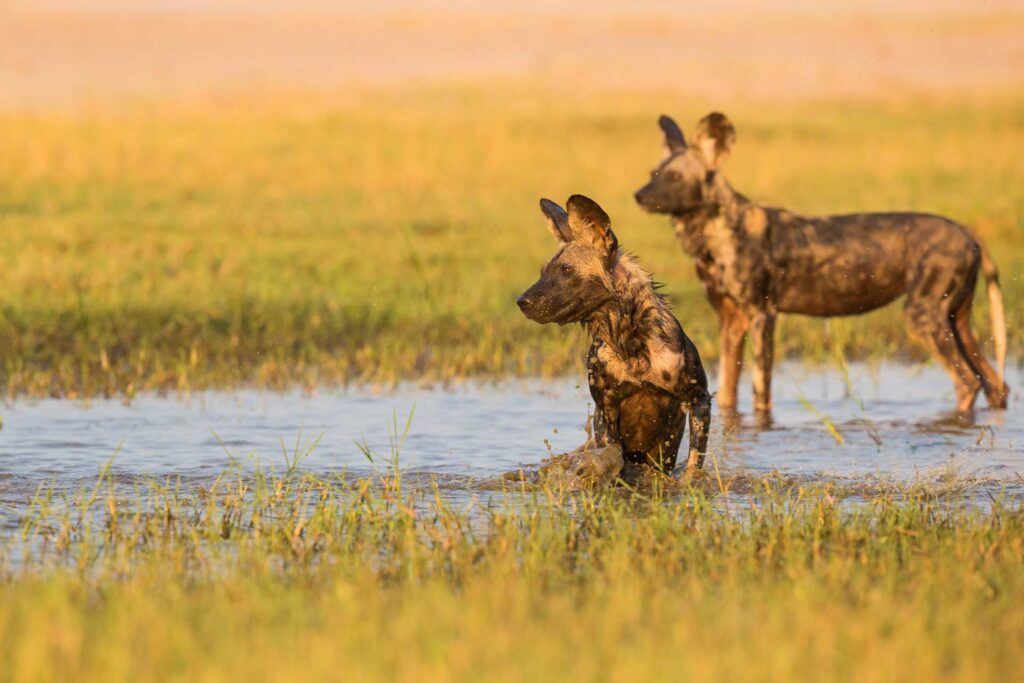
Watching predators hunting at the Great Ruaha River during the dry season is a thrilling experience. You’re likely to spot all the big cats and other main predators – large prides of lions, packs of African wild dogs, leopards, cheetahs, jackals and gangs of spotted (and striped) hyenas. The abundance of prey makes catching their next meal so easy, the predators just need to make sure they don’t fall asleep!
Their prey includes rare species like the greater and lesser kudu, sable and roan antelopes, buffalo, zebra, Grant’s gazelle, waterbuck, bushbuck, impala…the list goes on and on. During your stay in Ruaha, you will also encounter plenty of giraffe and huge herds of elephants – 12,000 elephants migrate through the park each year and Ruaha boasts the largest elephant population in East Africa.
Particularly enjoyable to watch is the pack behaviour of the endangered African wild dogs when they are denning, and you’ll be amazed at the size of the lion prides – some are more than 20 strong. All animals crowd the river to drink during the dry season, but you’ll also spot many of them roaming other areas of the park even in the driest months, particularly cheetah hunting on the open plains.
Ruaha’s birdlife is endearingly colourful, with a sensational mix of southern and northern species. An incredible 580 bird varieties have been sighted in Ruaha including fish eagles, Eleanora’s falcon, goliath herons, crested barbets, black-collared lovebirds and lots of vultures.
Activities
Daytime game driving is the main activity in Ruaha and it’s an experience of a lifetime. Walking safaris are also recommended, where you can feel even closer to the wildlife. Nighttime game drives are being trialed. One camp offers a superb fly-camping trip, where you go out into the wilderness with a highly-trained guide for 2 or 3 days, sleeping under the stars. Fly-camping is an unforgettable adventure for those who are brave and fit. If fly-camping seems too challenging, how about a short, guided walk and a bush picnic?
Accommodation
Due to it’s size, you should spend at least 5 nights in Ruaha, perhaps in 2 or 3 camps in different areas. Stay in the Eastern sector for the prime game area, then explore the Central and more remote Western sectors. High-end accommodation includes a beautiful, remote and indulgent camp, as well as surprisingly affordable, luxurious tented camps.
There is also a comfortable, very reasonably-priced lodge in a prime location. If your budget is small, the park runs several basic but adequate “bandas” along the banks of the river, plus several campsites, en-suite rooms and a restaurant.
Best Time to Visit
To see enormous concentrations of animals at the Great Ruaha River, visit the park in the dry season from June to October. The drier it gets, the more animals you will see collecting at the shrinking water sources, and the easier it is to spot predators trying to hide in the thinning vegetation. For bird lovers, the perfect time is during the wet season, from February to April – this is when migratory birds stop-off at Ruaha. Breeding season for the male Greater Kudu is in June.
How to Get There
Ruaha National Park is in the heart of Tanzania, on the southern circuit. Ruaha is not easy to get to and its remoteness is part of its appeal. You can drive from Dar es Salaam for a bumpy and uncomfortable 10 hours, or you can fly – much faster and more comfortable!
Depending on your itinerary, you can book a chartered or scheduled flight from most main towns in the north and south of the country. This will take you directly into one of Ruaha’s 2 airstrips at Msembe and Jongomero. You need to arrive at your accommodation before dark, as night driving is not permitted in Ruaha.
Frequently Asked Questions
What makes Ruaha National Park famous?
Ruaha National Park is famous for its vast wilderness and incredible wildlife diversity. It is one of the largest national parks in Tanzania and offers a truly remote safari experience. The park is known for its dramatic landscapes, which include rocky hills, baobab trees, and open savannahs. Because it receives fewer visitors than northern parks, it feels wild and untouched. Many travelers love Ruaha for its peaceful atmosphere and authentic safari adventures.
What animals can visitors see in Ruaha National Park?
Wildlife viewing in Ruaha National Park is exceptional. The park is home to large populations of elephants, lions, giraffes, zebras, and buffalo. It is also one of the best places to see predators like leopards and cheetahs in their natural habitat. Another highlight is the presence of rare species such as the African Wild Dog. With so many animals living in the park, every game drive offers exciting opportunities.
Why is the Great Ruaha River important?
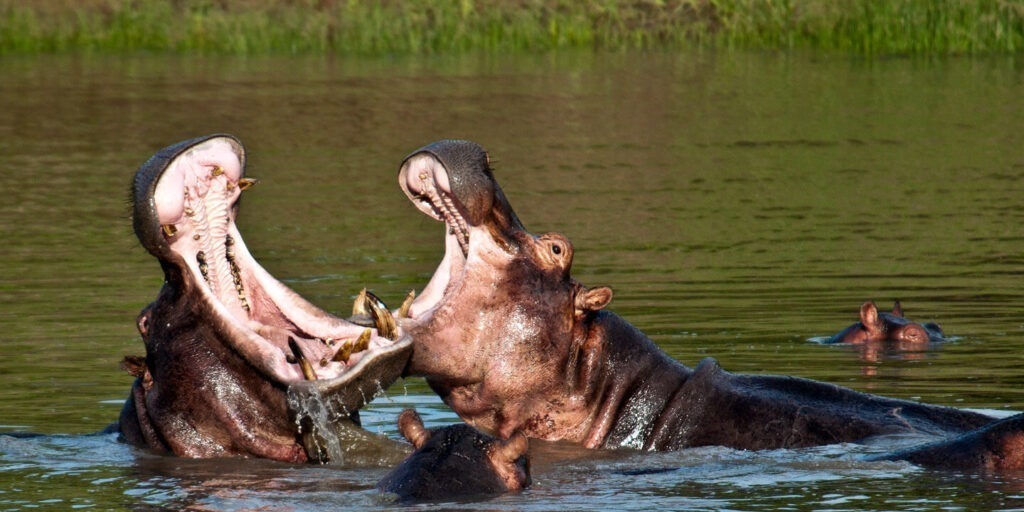
The Great Ruaha River is the lifeline of Ruaha National Park. During the dry season, it becomes one of the few reliable water sources in the area. Many animals gather along the riverbanks to drink, hunt, or cool off in the water. This makes the river an excellent place for wildlife viewing and photography. Visitors often see elephants, hippos, and crocodiles near the river throughout the day.
Is Ruaha National Park good for birdwatching?
Yes, Ruaha National Park is an excellent destination for bird lovers. The park is home to more than 500 bird species, making it one of the top birdwatching spots in East Africa. Visitors may see colorful kingfishers, hornbills, and eagles throughout the park. The variety of habitats, including riverbanks and woodlands, supports many different bird species. Even travelers who are not bird experts often enjoy spotting these beautiful birds.
Why should travelers include Ruaha National Park in their safari itinerary?
Travelers who visit Ruaha National Park often appreciate its quiet and remote atmosphere. Unlike some popular safari destinations, the park remains less crowded and very natural. Visitors can explore vast landscapes while encountering incredible wildlife. The mix of dramatic scenery, rich biodiversity, and peaceful surroundings makes it truly special. For many safari lovers, Ruaha is one of Tanzania’s most rewarding hidden gems.
Still have questions?
Our local safari experts are happy to help you plan the perfect African safari.





