
Table of Contents
Mikumi National Park is your ideal first Safari experience if you want a relatively small park with wide open floodplains and an abundance of game. It also makes a thrilling weekend get-away from Dar es Salaam. Mikumi is just 3,230 km2, but part of a huge ecosystem adjoining the largest game reserve in Africa, the Nyerere National Park, so you’ll benefit from the animal populations migrating across the border.
Off the Beaten Track and Rich in Wildlife
Mikumi National Park shares a border with the infamous Nyerere National Park, so you will not encounter too many tourists here as they tend to go to the much larger NyerereNational park instead. What’s great about Mikumi is you benefit from the mighty game population that migrates over the border from the huge ecosystem of the Nyerere National Park, which means there is an abundance of wildlife for you to experience on the wide, grassy floodplains of the Mkata River. The only negative is that the Tanzam highway runs through the park, which detracts a little from the feeling of wilderness, but makes Mikumi easy to reach by car.
Have you been to Mikumi National Park?
Write A Comment Below
Game on the Floodplains and other Highlights
The Beautiful Mkata Floodplains
The open horizons of the Mkata floodplains are the centrepiece of Mikumi National Park, so impressive they are often compared to the plains of the Serengeti. You’ll see game roaming freely across the vast, grassy spaces dotted with Acacia woodland and the odd Baobab tree. The Uluguru Mountains provide a stunning backdrop to the north and the Rubeho Mountains border the southeast of the park. Professional wildlife photographers love this park for its natural beauty and superb lighting.
The Abundant Wildlife
Your heart will skip a beat when you witness game migrating across the border from the Nyerere National Park – herds of wandering wildebeest, zebras, giraffes and elephants, packs of wild dogs, and the more unusual greater kudu and eland (the world’s largest antelope). It’s an experience like no other, feeling the ground vibrate beneath you with the stamping of hooves, the smell, the dust, the sounds, as a herd of wildebeest passes by. It awakens the senses.
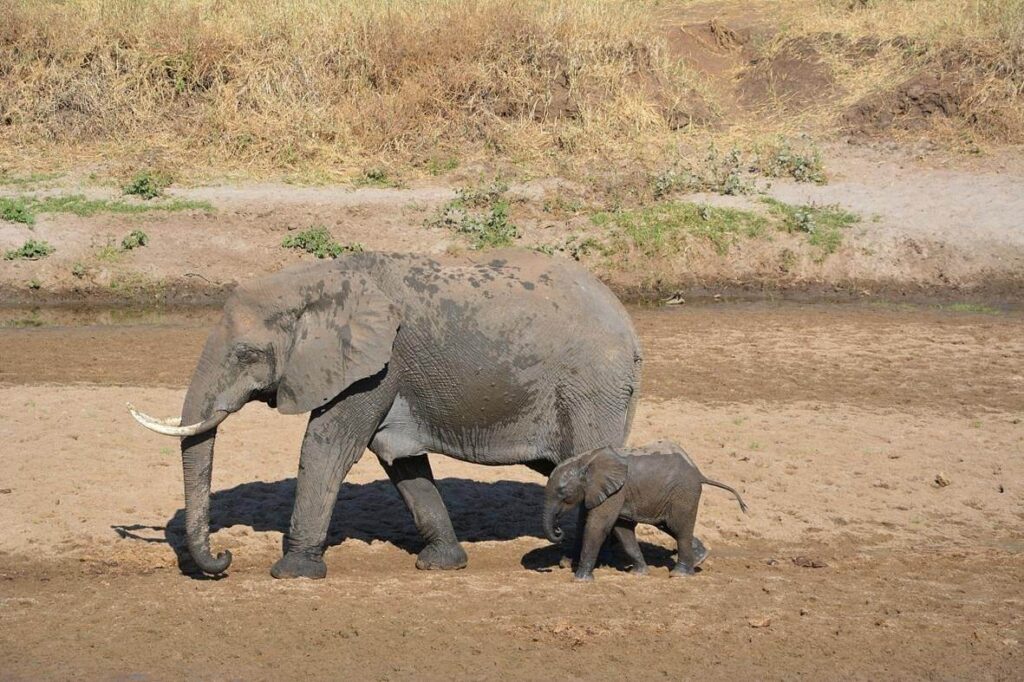
You are likely to see lions lazing in the shade beneath the Acacia trees and you may encounter a leopard, as they are more common in Mikumi in recent years. Black-backed jackal and spotted hyenas are present, but be patient as these hunters are more elusive. You will marvel at the “midget” elephants – much smaller than a normal African elephant, with short, thin tusks. Visit the hippos lurching and snapping at eachother in two cool pools north of the entrance gate – they are a star attraction. If you love birds, you’ll be in paradise as over 400 bird species have been recorded, some with dazzling colour like the yellow-throated longclaw, the red-billed oxpecker and the violet-crested turaco.
Activities
On a game drive, you can cover the 60km circuit that criss-crosses the park in two full days. Guided walks are available if you would like to get up close and personal with nature. You’ll be accompanied by a guide and an armed ranger. Book a night safari for a chance of seeing the nocturnal honey badger. Spotted hyenas are vociferous at night, so you have a good chance of encountering them. How about a flying safari? This gives unbeatable views of migrating wildlife and is perfect if you have limited time in the area. Visit nearby Udzungwa or travel on to Nyerere National Park or Ruaha.
Accommodation
In the park itself, there are two excellent mid-range lodges, three tented camps and three campsites. These all seem to cater for expats and not tourists, so are well-priced. If wondering which type of accommodation to choose, you might like the experience of hearing animals walking around and beneath the elevated tents of a tented camp. Staying in a lodge close to a watering hole is especially good in the dry season as it attracts many animals. Camping in Mikumi National Park is permitted in the established campgrounds. Keeping a fire going all night is recommended. Some lodges are closed from March to May.
Best Time to Visit
Game driving in Mikumi National Park is good throughout the year, but the best time for you to visit is during the dry season from June to October. Animals gather at the water holes and the vegetation is at its thinnest.
How to Get There
Mikumi National Park is in central Tanzania, north of the Selous game reserve. Mikumi is the closest park to Dar es Salaam, 250km away and a 4 hour drive along a surfaced road. Local buses run from city to park. The village of Mikumi is at the park’s western entrance, 15km from the gate.
Frequently Asked Questions
What makes Mikumi National Park special?
Mikumi National Park is known for being one of Tanzania’s most accessible and wildlife, rich parks. Its location near the town of Morogoro makes it a convenient stop for travelers exploring the southern safari circuit. The park features open savannahs, hills, and rivers that create diverse habitats for animals. Unlike some remote parks, Mikumi is perfect for shorter safari trips while still offering excellent wildlife sightings. Its combination of beauty, convenience, and abundant wildlife makes it a favorite for first, time visitors.
What wildlife can visitors expect to see in Mikumi?
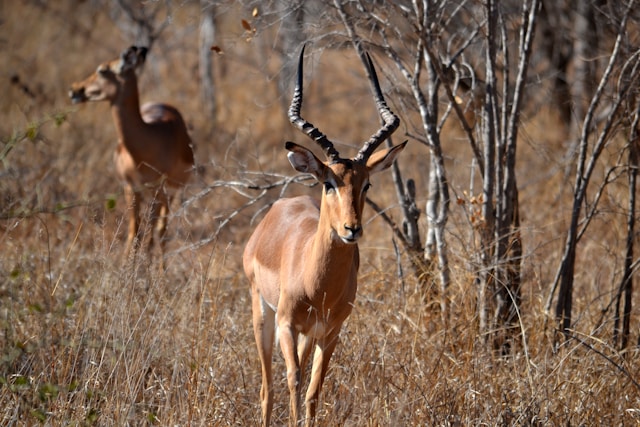
Wildlife in Mikumi National Park is abundant and varied. Visitors may spot elephants, lions, giraffes, zebras, and buffalo roaming the plains. Antelope species like impalas, kudus, and hartebeests are also common. Predators such as cheetahs and leopards can occasionally be seen if you’re lucky. The park is ideal for travelers looking for classic safari wildlife without the crowds.
Are there unique landscapes or features in Mikumi?
Yes, Mikumi National Park has distinctive landscapes that make it visually striking. The park is part of the larger Selous, Mikumi ecosystem, and its rolling hills, acacia woodlands, and seasonal rivers create diverse scenery. The open plains make it easier to spot animals from a distance, which is perfect for photography. Small forests and riverine areas add contrast to the wide savannahs. These landscapes make each safari drive feel unique and picturesque.
Why is Mikumi good for birdwatching?
Mikumi National Park is a paradise for bird enthusiasts. The park hosts over 400 bird species, including vultures, kingfishers, and various waterbirds along rivers. Seasonal wetlands attract flamingos and other migratory species. Birdwatchers often enjoy spotting colorful species perched in the acacia trees or near waterholes. Even casual travelers are likely to notice the diversity of birds throughout the park.
Why should travelers include Mikumi National Park in their Tanzania safari?
Travelers often include Mikumi National Park for its convenience, wildlife, and scenic beauty. It is a great choice for short safaris, combining classic East African wildlife experiences with easy access from nearby towns. The park offers peaceful and less crowded drives compared to northern parks like the Serengeti. Visitors can enjoy seeing big animals, smaller antelopes, and birds all in one location. Overall, Mikumi provides an authentic and enjoyable safari experience in Tanzania.
Still have questions?
Our local safari experts are happy to help you plan the perfect African safari.





